Alberta’s Elk Herds and Their Range
It can feel daunting to chase after one of Alberta's most majestic big game animals, especially when you're trying to figure out where they even are. Elk are magnificent, but they're also masters of disappearing into vast landscapes. This comprehensive guide will pull back the curtain on Alberta's elk herds, diving deep into their populations, preferred habitats, and movement patterns, giving you the insights you need to understand these incredible animals better.
Understanding Alberta's Elk Population Dynamics
Alberta's elk populations are a true testament to successful wildlife management, but also a complex tapestry woven with historical events, environmental changes, and human interaction. From near extirpation to thriving herds, their story is one of resilience and adaptation, making them a fascinating species to study and pursue.
Historical Shifts and Current Numbers
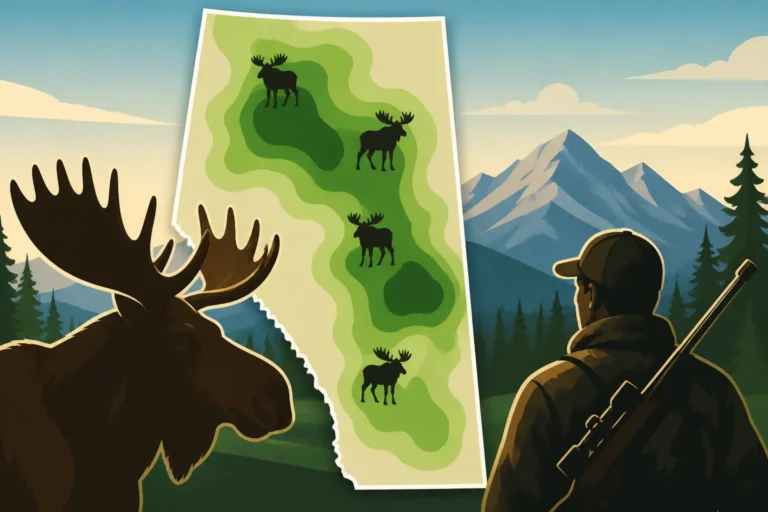
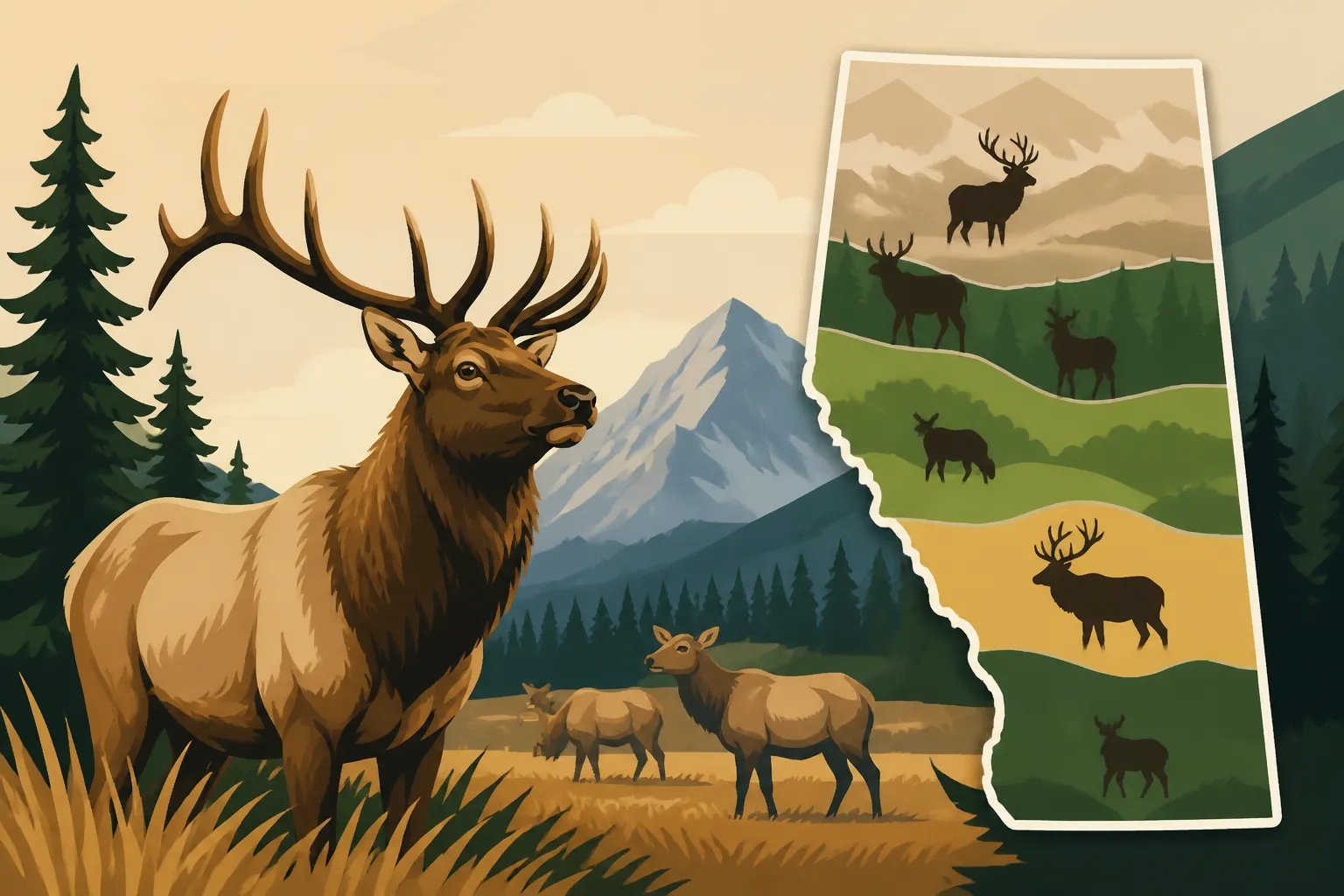
Believe it or not, there was a time when elk were nearly gone from much of Alberta. Early settlement and unregulated hunting severely impacted their numbers. Thankfully, through dedicated conservation efforts, reintroductions, and thoughtful management strategies, elk have made an incredible comeback. Today, Alberta boasts a robust and growing elk population, often exceeding management objectives in certain areas. This success isn't uniform across the province; some regions see consistent growth, while others experience fluctuations due to various pressures. The overall trend, however, is undeniably positive, offering fantastic opportunities for hunters who understand their habits. We've seen a steady increase in herd sizes, particularly in the foothills and parkland regions, which has led to more available tags and longer seasons in some Wildlife Management Units (WMUs). This is great news for those looking to experience Elk Hunting Alberta's Foothills.
The provincial government's Fish and Wildlife division continuously monitors these populations through aerial surveys, harvest data, and various research projects. What they've found is that elk are incredibly adaptable, able to thrive in diverse environments, from dense timber to open agricultural fields. This adaptability is a key factor in their success and why their numbers have continued to rebound. Understanding these population trends, available through resources like the provincial hunting regulations or even online tools like GoHunt, can provide critical context when you're planning your hunt and trying to gauge success rates in a particular area.
Factors Influencing Herd Growth and Decline
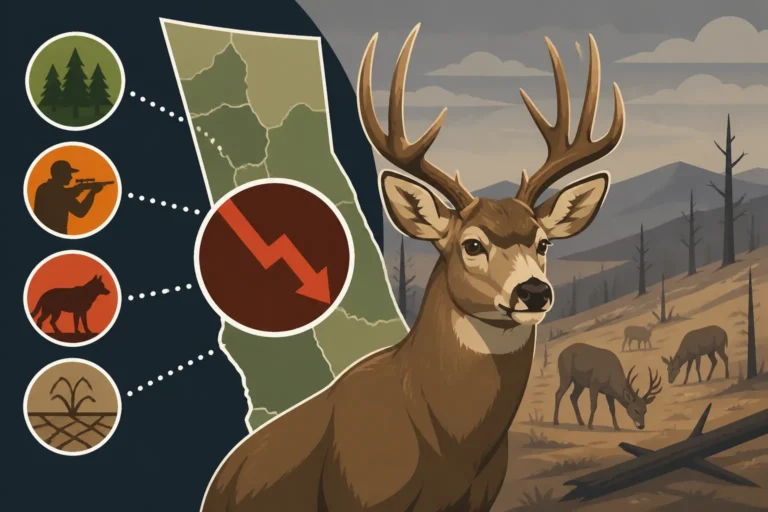
Elk herd dynamics are influenced by a complex interplay of factors. On the growth side, abundant forage, successful calf recruitment (meaning more calves surviving to adulthood), and moderate winter conditions play huge roles. When we have a series of mild winters, less snow, and good spring rains, you often see a significant bump in calf survival, which directly translates to stronger, larger herds a few years down the line. Predator populations, especially wolves and cougars, also naturally regulate elk numbers, though their impact varies geographically. In some of the deeper bush or mountain areas, predation can keep elk numbers in check more effectively than in agricultural zones.
Conversely, harsh winters with deep, prolonged snow can decimate younger animals and weaken adults, leading to a dip in population numbers. Disease, particularly Chronic Wasting Disease (CWD), is also a growing concern for Alberta's ungulate populations, including elk. While CWD currently impacts deer more severely, monitoring its spread in elk herds is a priority for wildlife managers, as it could eventually lead to localized declines. Human factors like habitat loss due to development and increased road access can also fragment herds and disrupt traditional migration routes, impacting overall health and distribution. Understanding these push-pull factors helps paint a realistic picture of what to expect when you're out in the field.
Prime Elk Habitat Across Alberta's Diverse Landscapes
Elk are creatures of habit, yet remarkably adaptable. Their preferred habitats are as varied as Alberta's landscapes, from the towering peaks of the Rockies to the sprawling agricultural plains. Knowing where to focus your efforts starts with understanding these geographical preferences and the subtle cues the environment provides.
The Foothills and Mountain Ranges: Elk Strongholds
When most hunters think of Alberta elk, their minds often drift to the majestic foothills and mountain ranges, and for good reason. These areas, particularly along the eastern slopes of the Rockies, are true elk strongholds. The mix of mature conifer forests, aspen parkland, open meadows, and diverse undergrowth provides everything an elk needs: cover, forage, and water. WMUs in regions like the Kananaskis, Livingstone Range, and further north towards Hinton and Grande Cache are renowned for their healthy elk populations and the opportunity to pursue mature bulls.
In these mountain and foothills environments, elk often stick to areas with varied topography – think benches, ridges, and river bottoms. They utilize the elevation changes to their advantage, moving to higher ground for security and cooler temperatures in summer, and descending into more sheltered valleys as winter approaches. This makes Hunting a Foothills Bench Above a Creek a prime tactic. Access can be challenging, often requiring horseback or serious leg power, but the reward can be immense. Look for clear-cuts or burns from previous years; these areas regenerate with lush new growth that elk absolutely love to browse on, offering excellent feeding opportunities, especially in the early morning and late evening.
Parkland and Agricultural Fringe: Adapting Herds
While the mountains hold classic elk country, many of Alberta's elk have adapted incredibly well to the parkland and agricultural fringe, especially where pockets of natural cover persist. These "crop-raiding" elk herds are a growing phenomenon, particularly in central and northern Alberta. Here, elk take advantage of abundant, high-energy forage provided by agricultural crops like canola, barley, and wheat. They often bed down in dense aspen bluffs, river valleys, or uncultivated natural areas during the day, emerging into fields to feed under the cover of darkness.
Hunting these elusive "field elk" presents a unique challenge, often requiring different strategies than mountain hunting. You'll need to focus on gaining landowner permission and understanding their specific movement patterns between cover and feed. These areas often have higher densities of elk, but they are also incredibly wary due to constant human presence. Spot-and-stalk can be effective, but often requires patience and careful observation from a distance. Knowing Why Elk Move Onto Grain Fields is key to understanding their behaviour in these environments. It's a different kind of hunt, but one that can be incredibly rewarding for those who learn to read the subtle nuances of elk behavior in farm country.
Boreal Forest Edges: Lesser-Known Opportunities
The vastness of Alberta's boreal forest might not be the first place that comes to mind for elk hunting, but don't count it out entirely. Along the southern and western edges of the boreal, where it transitions into foothills or parkland, you can find smaller, more dispersed elk populations. These animals tend to be more reclusive, utilizing the thick timber for cover and feeding on a mix of willow, aspen, and various forest shrubs.
Hunting in these areas is often a quieter, more solitary experience. You're less likely to see large herds, but encountering a lone bull or a small satellite group is always a possibility. Focus on recent logging cutblocks, pipeline rights-of-way, and natural openings like old burns or muskeg edges where new growth provides forage. These areas can be challenging due to dense vegetation and limited visibility, but for the persistent hunter willing to put in the legwork, the boreal offers unique and sometimes overlooked opportunities. While not typically known for their elk, areas around Edson, Whitecourt, and even parts of the Lac La Biche region can hold surprise encounters for those who explore deeper into the timber.
Elk Movement Patterns and Seasonal Behavior
Understanding when and where elk move throughout the year is perhaps the most critical piece of the puzzle for any hunter. Elk aren't static; their behaviour is driven by an internal clock and external factors like breeding cycles, weather, and food availability. Learning to predict these shifts will dramatically improve your chances of success.
Rutting Season Concentration and Activity
The elk rut is, without a doubt, the most exhilarating time to hunt these magnificent animals. Typically peaking from mid-September to early October, this is when bull elk are at their most vocal and active, driven by the urge to breed. Bulls become highly territorial, bugling incessantly to challenge rivals and attract cows. This heightened activity makes them more vulnerable, as their focus shifts from pure survival to propagation. Hunters can capitalize on this by Bugling Elk in Alberta's Foothills, attempting to mimic a bull's call to draw them into range.
During the rut, elk tend to concentrate in specific areas—often open parks, meadows, or timbered slopes adjacent to feeding grounds where cows congregate. A dominant bull will gather a harem of cows, constantly herding them and defending them from other challengers. Satellite bulls, often younger or less dominant, will linger on the fringes, looking for opportunities to cut off a cow or challenge the herd bull. Understanding When the Elk Rut Peaks in your specific WMU is crucial, as timing your hunt to coincide with this peak activity can make all the difference. Be prepared for intense vocalizations and dramatic encounters, as the woods truly come alive with the sound of bugling.
Winter Range and Survival Strategies
As the rut winds down and the cold grip of winter sets in, elk shift their focus entirely to survival. Their movement patterns change drastically, and they seek out secure winter range where food is accessible and shelter from the elements is plentiful. This often means moving to lower elevations, south-facing slopes, or into areas with dense timber that offers thermal cover and protects them from deep snow and biting winds. In agricultural areas, they might concentrate closer to reliable food sources, even if it means being near human activity.
Winter range is critical for herd survival, and many WMUs have specific regulations designed to protect these sensitive areas. Elk will conserve energy by moving less, often bedding down for extended periods, and only moving to feed during warmer parts of the day or when snow conditions allow easier travel. Finding Where Alberta's Elk Herds Winter can be challenging, as they become incredibly adept at disappearing into thick cover. Scouting during the late season or post-season can reveal key wintering locations that will be valuable for future hunts. Look for heavily browsed areas, compacted snow trails, and large beds in sheltered timber, as these are tell-tale signs of wintering elk.
Spring Green-up and Summer Feeding Habits
With the arrival of spring and the melting snow, elk disperse from their winter ranges, seeking out the first flush of green growth. This "green-up" provides vital nutrition after a lean winter, and elk will often follow the receding snowline up into higher elevations, or spread out across expansive areas to take advantage of new forage. Calving season typically occurs in late spring to early summer, with cows seeking secluded, grassy areas to give birth and raise their young.
During summer, elk typically establish broad summer ranges, often moving into higher alpine meadows or deeper into the forest where they can find lush forage and escape the heat and insect pressure. Bulls, in particular, will seek out areas rich in minerals and protein to grow their antlers. They tend to be more spread out and less vocal during this time, making them harder to locate. While hunting seasons aren't typically open during peak summer, understanding these patterns helps in Scouting an Alberta WMU Before Season. Early season archery hunts might find elk in these summer patterns, requiring extensive glassing and long-range stalking in open country or careful still-hunting in timber. They are feeding to regain strength and build reserves for the upcoming rut, making high-quality forage areas absolute magnets for them.
Challenges and Management of Alberta's Elk Herds
Managing a thriving wildlife population like Alberta's elk herds is a constant balancing act. Wildlife managers face numerous challenges, from mitigating conflicts with human interests to protecting herds from disease. Understanding these challenges provides insight into the rationale behind specific hunting regulations and conservation initiatives.
Human-Wildlife Conflict: Crop Damage and Highway Hazards
One of the most significant challenges for Alberta's elk management is the increasing conflict with human populations, particularly in agricultural regions. As elk herds grow and expand into new territories, they frequently move onto private farmland, consuming or trampling valuable crops. This can result in substantial financial losses for farmers, leading to demands for increased elk harvests in certain WMUs. The province employs various strategies, including supplemental antlerless licenses and special permits, to address these damage concerns and manage local populations. Sometimes, even "nuisance elk" permits are issued to landowners to mitigate the problem.
Beyond crop damage, elk pose a significant safety risk on Alberta's roads, especially during dawn and dusk hours when they are most active. Vehicle collisions with elk can cause severe damage and injury, highlighting the need for drivers to be vigilant, particularly in known elk corridors. Wildlife managers, in partnership with other agencies, explore solutions like wildlife fencing and underpasses in high-traffic areas to reduce these incidents, but they remain a persistent concern in many parts of the province. Understanding these pressures helps explain why certain WMUs have different population objectives and hunting opportunities.
Disease and Predation Pressures
Elk herds, like all wildlife, are susceptible to various diseases, with Chronic Wasting Disease (CWD) being a top concern for Alberta Fish and Wildlife. CWD is a fatal neurological disease affecting cervids, and while it's more prevalent in deer, it has been detected in elk. The long-term impact on elk populations is still being studied, but ongoing monitoring and mandatory CWD testing in specific WMUs are crucial for tracking its spread. Hunters play a vital role in this by submitting heads for testing, helping managers gather critical data. You can learn more about Alberta's CWD Testing Requirements to understand your role.
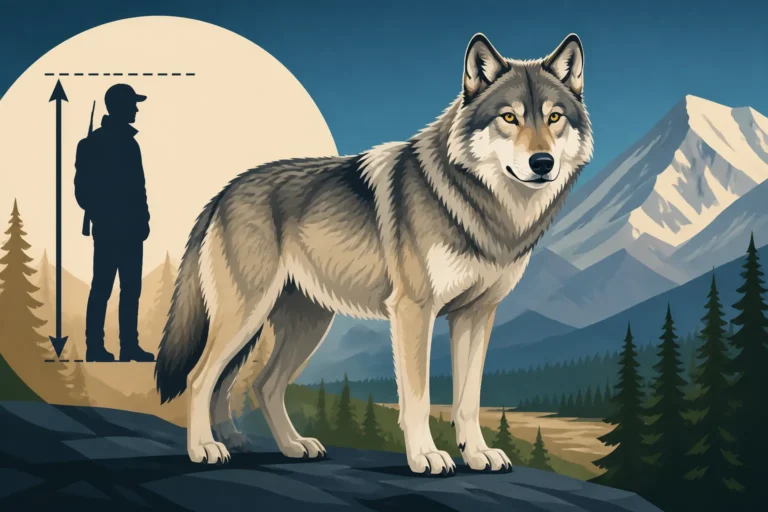
Predation by wolves, cougars, and occasionally bears also plays a natural role in regulating elk populations. While predation helps keep herds healthy by culling weaker animals, localized increases in predator numbers can exert significant pressure on elk, particularly on calves. In some areas, managers may implement predator control measures to help balance prey populations, especially if elk numbers dip below management objectives or if specific herds are struggling. It's a delicate ecological balance that requires constant monitoring and adaptive management strategies.
Conservation Efforts and Management Strategies
Alberta's elk management is a dynamic process, guided by science and aimed at sustaining healthy, viable populations for future generations while balancing human interests. Conservation efforts extend beyond just setting hunting quotas; they include habitat protection and restoration, especially of critical winter ranges and migratory corridors. Programs like those offered by the Alberta Conservation Association (ACA) often involve acquiring or enhancing habitat to ensure elk have the space and resources they need to thrive.
Hunting, believe it or not, is a cornerstone of modern conservation. Regulated hunting seasons and specific tag allocations are powerful tools used to manage herd numbers, maintain healthy population structures, and distribute elk across their range. The revenue generated from hunting licenses directly funds these conservation initiatives. Managers constantly adjust seasons and quotas based on population surveys, habitat conditions, and social factors. For example, in areas where elk are causing significant agricultural damage, antlerless tags might be more numerous to reduce overall herd size. Conversely, in areas where trophy quality is the goal, opportunities for mature bulls might be more limited. The overall goal is to ensure Alberta's Elk Herd Keeps Growing in a sustainable manner.
Scouting for Elk: Leveraging Knowledge and Tools
You can read all the articles and study all the maps, but nothing beats getting out there and understanding the ground. Effective scouting is the difference between hoping for luck and creating opportunities. For elk, this means more than just looking for tracks; it's about interpreting the landscape and leveraging modern tools to your advantage.
Interpreting Sign and Reading the Landscape
Elk leave a lot of evidence of their presence if you know what to look for. Fresh tracks are obvious, but pay attention to their size and shape—larger, rounder tracks usually indicate mature bulls. Droppings, or scat, can tell you how recently elk were in the area and what they've been eating. Fresh, moist piles mean they're close, while older, dry droppings indicate past activity. Look for rub marks on trees, especially during the pre-rut and rut, where bulls have thrashed their antlers to mark territory and remove velvet. These rubs can be significant, often on larger trees, and indicate the presence of a mature bull.
Beyond direct sign, learn to "read" the landscape. Elk are creatures of cover and food. Look for areas where dense timber transitions into open meadows, or where south-facing slopes offer thermal warmth in colder months. Water sources, like creeks, springs, or ponds, are also critical, especially in drier regions. During the rut, listen intently for bugles, especially at dawn and dusk. In areas with limited visibility, focusing on natural funnels, saddles between ridges, or pinch points where elk are forced to travel through a narrow corridor can be highly productive. This nuanced understanding of their habits is crucial for Hunting Elk on Alberta Ranch Land where their movements are often very predictable.
Using Technology to Pinpoint Elk Activity
In today's hunting world, technology can be a game-changer when scouting for elk. Satellite imagery, accessible through apps like GoHunt, onX Hunt, or even Google Earth, allows you to "e-scout" vast areas from the comfort of your home. You can identify potential bedding areas, travel corridors, water sources, and feeding grounds long before you set foot on the ground. Look for subtle changes in vegetation, terrain features, and even historic burns that could hold elk. These tools can save you countless hours of unproductive hiking.
Trail cameras are another invaluable asset. Placing them on game trails, near water sources, or along field edges can provide real-time intelligence on elk movement, herd composition, and even the presence of specific bulls. Over time, they help establish patterns that would be impossible to observe in person. GPS devices or mapping apps on your phone are essential for navigation in unfamiliar terrain, allowing you to mark waypoints for promising sign, establish boundaries, and track your movements. Combining traditional woodsman skills with these modern tools significantly increases your efficiency and effectiveness when Scouting an Alberta WMU Before Season for elk.
Disclaimer
Please be aware that hunting regulations and wildlife populations are subject to change. Always consult the most current Alberta hunting regulations published by the provincial government before planning any hunt. This guide is for informational purposes only and does not supersede official government documentation. Ethical hunting practices and respect for wildlife are paramount.