How Heavy a Northern Timber Wolf Gets
There’s a primal thrill that runs through you when you think about encountering a wolf in Alberta's vast wilderness. For many of us, especially those venturing into the deeper bush, the sheer size of these magnificent predators is a subject of endless fascination and even a bit of respectful awe. You might hear stories around the campfire, or from old-timers, about wolves that looked "like a small horse," and it leaves you wondering just how big these northern timber wolves truly get. This guide is going to peel back the layers of myth and give you a realistic understanding of the size and weight of Alberta's northern timber wolves, helping you appreciate these incredible animals and prepare yourself for the reality of hunting in their domain.
Understanding the Northern Timber Wolf in Alberta
The wolf is an icon of the wild, and Alberta is fortunate to have a healthy, thriving population. When we talk about "northern timber wolves" in Alberta, we're generally referring to the Canis lupus occidentalis subspecies, often called the Mackenzie Valley wolf. These aren't your smaller coyotes; they are impressive animals, built for survival in rugged, often harsh environments.
What Defines a Northern Timber Wolf?
The Mackenzie Valley wolf is one of the largest wolf subspecies in North America. They possess a robust build, powerful jaws, and thick fur that varies in color from black to white, with many shades of grey and brown in between. This subspecies is particularly well-adapted to the dense forests and mountains of the northern and western parts of the continent, including a significant portion of Alberta. Their physical characteristics—long legs, deep chests, and broad heads—are all designed for endurance, strength, and bringing down large prey. When you see one, even at a distance, their presence is undeniable.
Alberta's Wolf Population and Habitat
Wolves in Alberta are found throughout much of the province's forested and mountainous regions. You'll encounter them most frequently in the northern boreal forest, the foothills, and the mountain ranges. Their populations thrive where there's ample prey, and in Alberta, that means areas rich in moose, elk, deer, and even bison in some specific regions. These animals are incredibly adaptable, capable of surviving in various ecosystems, from remote wilderness to areas bordering human development. Understanding their range is key to understanding their impact and how they interact with other game species. For instance, knowing where Wolf Pack Size in the Boreal tends to be highest can give you an idea of areas with significant wolf activity.
Their territories can be massive, especially in areas where prey might be less concentrated, and they are constantly on the move. They are efficient hunters, playing a vital role in maintaining the health of ungulate herds by culling the weak and sick. This constant movement and hunting lifestyle contributes to their physical conditioning, ensuring that, on average, they are lean, powerful animals.
Average Weight Ranges and Key Influencers
So, let's get down to the core question: how much do these magnificent predators actually weigh? The numbers you hear can vary wildly, often due to anecdotal evidence or the sheer impression a large wolf leaves on someone. However, there are established averages and notable exceptions.
Typical Weights for Adult Wolves
For an adult northern timber wolf in Alberta, you're generally looking at a weight range of 80 to 120 pounds (36 to 54 kg). However, males tend to be noticeably larger than females.
- Adult Males: Typically fall between 90-120 pounds, with some individuals reaching a bit more.
- Adult Females: Usually range from 70-95 pounds.
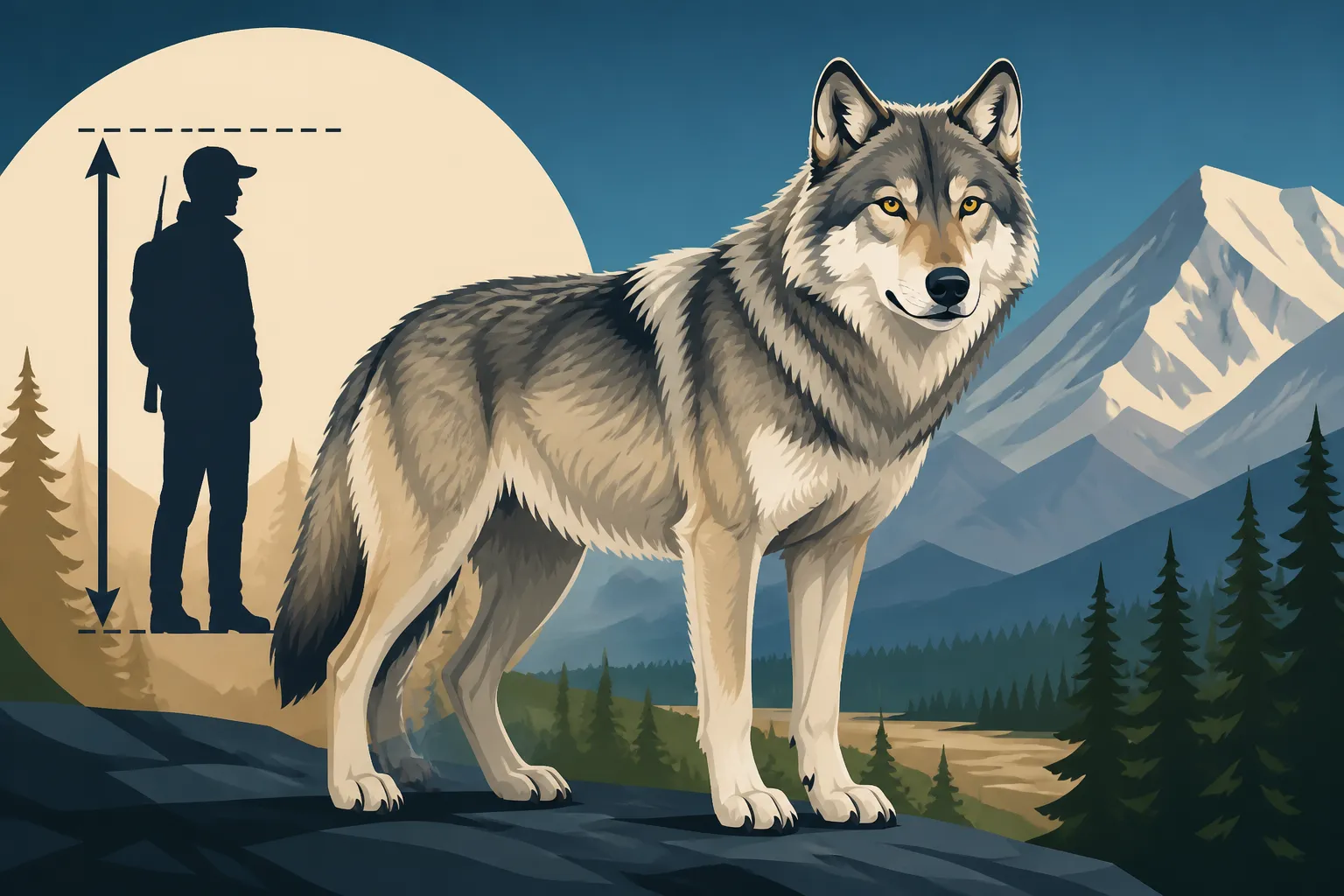
It's important to remember these are averages. When you’re out in the field, a lean, healthy 100-pound male can look significantly larger, especially if its winter coat is thick. This is where the "looks like a small horse" stories often come from – it's more about the overall impression and length than just the scale reading. The feeling of awe and slight intimidation often adds a few pounds to the mental estimation!
Factors Affecting a Wolf's Size
Several crucial factors influence how heavy an individual wolf might get:
- Sex: As mentioned, males are consistently larger and heavier than females. This is a common biological trait among many predator species.
- Age: Like most animals, wolves grow over several years. A two-year-old wolf will be smaller than a fully mature five-year-old alpha. Older, more experienced wolves, especially males, tend to be at their peak physical condition and size.
- Diet and Prey Availability: This is perhaps the most significant factor. Wolves in areas with abundant large prey, like moose and elk, tend to be larger and healthier than those in areas where they primarily rely on smaller game. A consistent diet of high-quality protein allows for optimal growth and muscle mass. Regions where Do Wolves Affect Alberta Moose Numbers? might see larger wolves due to the consistent availability of a big meal.
- Geographic Region: While they are all Canis lupus occidentalis, wolves from different parts of Alberta might have slight variations. Those in the deep boreal forest, with its rich ungulate populations, might average slightly heavier than those in more transitional zones with less consistent food sources.
- Health and Genetics: A healthy wolf, free from disease or serious injury, will naturally be able to achieve its full growth potential. Genetics also play a role; some wolf lines might simply be predisposed to growing larger than others, much like in dog breeds.
Record and Exceptional Weights
While the average is around 80-120 pounds, the stories of truly enormous wolves aren't always just campfire tales. There have been documented cases of northern timber wolves pushing the scales well past the average. Individual wolves, almost always very large males in their prime, have been recorded at weights up to 175 pounds (79 kg), and sometimes even a bit more. These are rare, exceptional animals, often referred to as "alpha" males that have dominated their packs and territories for years, securing the best feeding opportunities.
Imagine the sheer power and presence of an animal that size. These are the wolves that fuel the legends and command respect. While you shouldn't expect every wolf you encounter to be this massive, knowing they exist adds to the mystique and challenge of hunting in Alberta's wolf country. They are truly the top predators in their environment, and their size reflects their dominance.
Practical Implications for Hunters
For those of us who hunt in Alberta, understanding wolf size isn't just academic curiosity; it has real, practical implications for scouting, hunting, and even recovery. Wolves are intelligent, adaptable, and formidable creatures.
Estimating Weight in the Field
Trying to accurately estimate a wolf's weight in the field is incredibly challenging. Their thick winter coats can make them look significantly bulkier than they are. In the low light of dawn or dusk, or from a distance, it's easy to misjudge their size. Instead of focusing solely on an exact weight, hunters often look for other indicators of a large, mature wolf:
- Overall Body Mass: Do they appear lean or heavy-set? A really big wolf will have a deep chest and a robust, muscular appearance, not just a fluffy coat.
- Head Size: Large, broad heads are usually a good indicator of a mature male.
- Track Size: While not always perfectly correlated, unusually large wolf tracks (compared to what you typically see) can suggest a bigger individual. This is where scouting with tools like GoHunt, which helps you visualize terrain and potential game trails, can assist in finding areas with larger wolf sign.
- Behavior: A dominant, older alpha male might carry itself with a certain confidence or engage in specific behaviors that set it apart from younger pack members.
Ultimately, don't get too caught up in trying to guess the exact number. Focus on the overall impression of a mature, healthy animal. For more on tracking, consider Calling Wolves Along a Frozen Cutline.
The Reality of Handling a Large Wolf
If you are fortunate enough to harvest a large northern timber wolf, be prepared for the physical reality of handling such an animal. A 100-plus pound predator, especially in a remote backcountry setting, is a significant piece of work.
- Field Dressing: Even if not as heavy as a deer or moose, a wolf's dense bone structure and muscle can make field dressing a challenge. Ensure you have sharp knives and are prepared for the task.
- Packing Out: Whether you're quartering it to pack out on foot or dragging it to an ATV trail, the weight and bulk are considerable. If you're hunting in areas where you might need a quad to extract game, knowing Getting a Moose Out With a Quad techniques can sometimes translate to large wolves too. Planning your extraction route and method beforehand is crucial.
- Meat Care: Just like any game animal, proper meat care is essential, especially if you plan to utilize the meat. In Alberta's varying temperatures, understanding Meat Care in Alberta's Cold and Warm Swings is critical. Even if you're primarily after the hide, rapid cooling is still important to prevent spoilage and ensure the hide remains in prime condition.
Planning for success means planning for the aftermath. A big wolf is an impressive trophy, but it also demands a lot of effort and respect in handling.
Common Misconceptions and Interesting Facts
The mystique surrounding wolves often leads to exaggerations and misunderstandings about their size and role in the ecosystem. It's helpful to separate fact from fiction.
Dispelling Myths About "Giant" Wolves
The idea of wolves commonly reaching 200 pounds or more is largely a myth. While exceptionally large individuals exist, they are rare and do not represent the average. Most of the stories of "monstrous" wolves are likely due to optical illusions, the thick winter coat, or simply the natural human tendency to exaggerate when faced with something awe-inspiring. A 120-pound wolf, especially one standing tall on its legs, can certainly appear much heavier.
Another common misconception is that all wolves are uniform in size. As we’ve discussed, there’s significant variation based on sex, age, and environmental factors. Recognizing this variability adds to the appreciation of each individual animal you might encounter.
The Role of Wolves in Alberta's Ecosystem
Beyond their impressive size, northern timber wolves play a critical role in Alberta's natural balance. They are apex predators, meaning they sit at the top of the food chain, and their presence is a strong indicator of a healthy ecosystem.
- Population Control: Wolves help regulate ungulate populations, preventing overgrazing and the spread of disease within herds. They often target the weakest or sickest animals, strengthening the overall gene pool of their prey species.
- Scavenging: After a kill, wolves, like many predators, leave behind carrion that benefits a host of scavengers, from ravens to wolverines, playing a part in nutrient cycling.
- Ecosystem Health Indicator: A healthy wolf population usually signifies a healthy and diverse prey base, which in turn reflects the general health of the wilderness area. Learning about Alberta's Predators and Where They Live gives you a broader picture of the dynamics at play.
This ecological role is why, despite being challenging game animals, wolves are so respected by hunters and conservationists alike. They are not just big animals; they are vital components of the wild landscape. When you’re using tools like GoHunt to scout for game, understanding wolf patterns can help you interpret the movement and health of deer, elk, and moose herds.
Summary Table of Northern Timber Wolf Weights
To give you a clear, concise overview, here's a table summarizing the typical weight expectations for northern timber wolves in Alberta:
| Category | Typical Weight Range (Pounds) | Typical Weight Range (Kilograms) | Notes |
|---|---|---|---|
| Adult Male | 90 – 120 | 41 – 54 | Can occasionally exceed 120 lbs, especially prime alpha males. |
| Adult Female | 70 – 95 | 32 – 43 | Generally smaller and lighter than males. |
| Exceptional Male | Up to 175 | Up to 79 | Rare, usually very old, dominant alpha males with excellent food sources. |
| Juvenile (Yearling) | 50 – 80 | 23 – 36 | Still growing, not yet at full adult size. |
This table should help temper expectations and provide a solid baseline for what you might encounter in the wild.
In conclusion, the northern timber wolf in Alberta is a truly magnificent animal, formidable in its size, intelligence, and ecological role. While the average weight might be less than some of the more sensational stories suggest, a large, prime male pushing 120 pounds (or more!) is still an incredibly powerful creature that commands respect. For hunters, understanding their true size helps with realistic planning and appreciation for these apex predators. Whether you're tracking one in the deep snow or just admiring its presence from afar, the Alberta wolf is an unforgettable part of our wilderness heritage. Knowing how heavy a northern timber wolf gets helps us connect more deeply with the wild landscapes we cherish.
Disclaimer
This article is for general informational purposes only and does not constitute professional advice. Laws, prices and regulations vary by location and change over time. Consult a qualified professional for guidance on your specific situation.