How Deep Snow Moves Deer Around
Ah, the beauty of an Alberta winter! It's truly something else, isn't it? But for us hunters, those blankets of pristine white can quickly turn into a significant factor in how we approach our deer seasons. There's nothing quite as frustrating as seeing fresh snow fall, knowing it should concentrate deer, only to find the bush seemingly empty because that snow has gotten too deep. This guide is all about unraveling the mysteries of how deep snow pushes, pulls, and fundamentally alters deer movement in Alberta, helping you adapt your hunting strategy to these challenging, yet often rewarding, conditions.
The Immediate Impact of Deep Snow on Deer
When those first heavy snowfalls hit, the deer immediately start calculating the energy equation. Every step in deep snow costs them more, and they're always looking to conserve calories, especially as winter deepens. It's a fundamental instinct that dictates much of their behaviour.
Energy Conservation and Restricted Movement
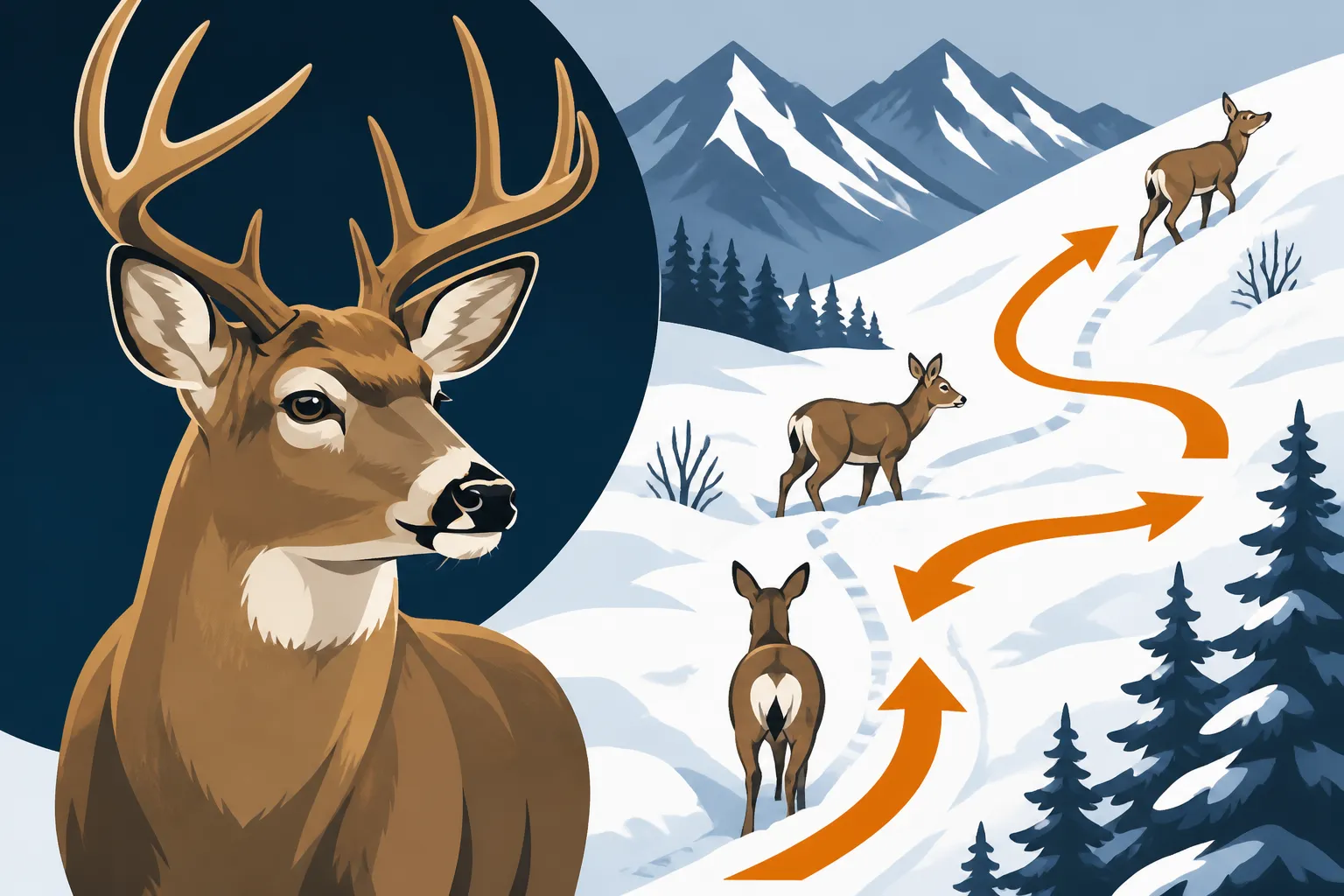
Think about trying to walk through knee-deep snow for any distance – it's exhausting, right? Now imagine you weigh a couple hundred pounds and have short legs like a whitetail, or even a mule deer with slightly longer stilts. For deer, deep snow acts like a physical barrier, making travel incredibly energy-intensive. They'll often try to find the path of least resistance, whether that's an existing game trail that's packed down, a snowmobile track, or even frozen creek beds. A fresh snowfall of a foot or more can severely limit their range, causing them to hunker down in dense cover for longer periods, only moving when absolutely necessary to feed or seek shelter. This is why you often see deer "yarding up" in areas with good cover and accessible forage once the snow really piles on. They're trying to minimize the energy expenditure of simply getting around.
Shifting Foraging Patterns
Deep snow doesn't just make walking hard; it also buries their food. What was once easy pickings – a browse line of aspen, willow shoots, or leftover grain in a stubble field – now becomes a treasure hunt. Deer will often switch from broad-spectrum foraging to concentrating on areas where food is more exposed or easier to access. This might mean pawing through snow to reach ground browse, but they prefer to find taller browse, like tips of willow, aspen, or even mature stands of evergreens where lower branches might still be accessible. If available, deer will certainly gravitate towards unharvested crops or areas where agricultural practices leave more residual feed exposed, creating critical hotspots for hunters. You might find them spending more time browsing edges or areas where wind has scoured the snow, revealing vegetation. Understanding What Whitetails Eat Through Winter becomes crucial here, as their dietary needs remain, but accessibility changes dramatically.
The Formation of Deer Yards and Winter Range
As the snow continues to accumulate and temperatures plummet, deer will begin to consolidate their populations into specific areas. These "deer yards" or winter ranges are not random occurrences but are chosen strategically for survival.
Finding Thermal Cover
Thermal cover is paramount for deer in deep snow conditions. This isn't just about hiding from predators; it's about staying warm and minimizing heat loss. Dense conifer stands, especially spruce and fir, are ideal because their thick canopy intercepts snowfall, creating shallower snow depths underneath. More importantly, these evergreens provide insulation from biting winds and radiate a surprising amount of warmth, making the ambient temperature within the stand noticeably higher than out in the open. You'll find deer packed into these evergreen islands, sometimes just a few acres in size, especially when the temperature drops to bone-chilling levels. These are the places where deer are most likely to bed during the day, emerging only briefly to feed. GoHunt users often share reports of these critical thermal areas being key to late-season success.
Historical Wintering Areas
Deer, particularly older does, have an incredible memory for good wintering areas. These are often river bottoms, south-facing slopes, or patches of dense bush that historically offer reliable thermal cover and food sources. These traditional "deer yards" are used year after year, sometimes for generations, even if the surrounding landscape changes. They become vital arteries in the deer's survival strategy. Knowing these historical hotbeds, often marked by well-worn trails, old rubs, and accumulated droppings, can give you a significant advantage. When the snow really gets deep, deer will travel surprising distances to reach these secure zones, often using the same corridors every time. Looking at satellite imagery or even historical maps on a platform like GoHunt can reveal these often-overlooked wintering havens. It's not just about where the snow is deep, but where it's consistently less deep, or where cover consistently offers relief.
How Snow Depth Influences Hunter Strategy
For hunters, deep snow conditions present both significant challenges and unique opportunities. Adapting your approach is key to success.
Tracking and Stalking Opportunities
While deep snow makes deer movement tougher, it also lays out a perfect canvas for tracking. Fresh tracks in powdery snow are a hunter's best friend. You can see not only where a deer has been, but often how recently, and even what it was doing. A deer breaking trail in deep snow will leave very distinct, often widely spaced tracks. This is where your ability to follow a track, interpret the animal's pace (walking, browsing, running), and predict its likely destination truly shines. Stalking becomes quieter as the snow dampens sound, but also more physically demanding for the hunter. You'll need to be mindful of your own noise, as crunchy snow can give you away easily. This is also why having good winter gear is essential for Hunting Alberta Winter Weather Safely.
Accessing Deer and Winter Conditions
Deep snow can limit your access as much as it limits the deer's. Roads might become impassable, and walking through deep drifts can be a monumental effort. This means that areas typically under heavy pressure might suddenly become sanctuaries simply because hunters can't get to them. For the intrepid hunter willing to strap on snowshoes or invest in a reliable set of skis, this can open up vast tracts of public land that others overlook. However, you also need to be acutely aware of the conditions. Getting stuck miles from your vehicle in deep snow is no joke. Always consider safety first, especially when Hunting Whitetails at Thirty Below. The physical demands of hunting in deep snow cannot be overstated; it's a strenuous endeavour that requires preparation and respect for the elements.
Here's a quick look at how snow depth typically influences deer movement:
| Snow Depth (approx.) | Deer Movement Impact | Hunter Strategy Implication |
|---|---|---|
| 0-15 cm (0-6 in) | Minimal impact, potentially increased foraging. | Good for tracking, normal hunting methods apply. |
| 15-30 cm (6-12 in) | Increased energy cost, seek packed trails/easier travel. | Tracks clear, deer may use established routes more. |
| 30-50 cm (12-20 in) | Significant energy drain, concentrate in thermal cover. | Focus on deer yards, dense conifers, south-facing slopes. |
| 50+ cm (20+ in) | Severe restriction, survival mode, minimal movement. | Very challenging, focus on deep wintering areas. |
Long-Term Effects and Ecosystem Dynamics
Deep snow isn't just a short-term inconvenience; it plays a critical role in the long-term health and dynamics of Alberta's deer populations.
Predation and Survival Rates
When deer are concentrated in specific wintering areas and their movement is restricted, they become more vulnerable to predation. Wolves, coyotes, and even cougars can key in on these deer yards, increasing their hunting efficiency. Weakened or less mobile deer are easier targets, which is a natural, albeit sometimes harsh, part of the ecosystem's culling process. A prolonged period of deep snow and extreme cold can lead to higher rates of Alberta's Winter Kill and Game Numbers, especially among fawns and older, less healthy individuals. This is nature's way of ensuring the strongest survive, but it can certainly impact local deer populations for the following season. GoHunt sometimes features discussions about these dynamics, as they can heavily influence draw odds and future hunting prospects.
The Cycle of Winter Kill and Recovery
While "winter kill" sounds stark, it's a natural phenomenon that has shaped deer populations for millennia. A severe winter with deep, persistent snow and extreme cold can significantly reduce deer numbers. However, deer populations are remarkably resilient. Following a tough winter, if the spring and summer conditions are favourable, birth rates can increase, and fawn survival improves, allowing the population to rebound. Understanding The Alberta Deer Herd Trend Over Ten Years often reveals these cycles of boom and bust influenced by winter severity. For hunters, a tough winter might mean fewer deer in the immediate future, but it also means healthier, stronger animals in the long run, as the herd's genetics are naturally selected for hardiness. It's a reminder that hunting is just one piece of a much larger, intricate puzzle of wildlife management and natural cycles.
Deep snow, while making hunting more demanding, also strips away some of the complexities of deer movement. It forces deer into predictable patterns and areas, offering observant hunters a unique opportunity to understand and adapt to their natural instincts. Embrace the cold, study the landscape, and respect the power of an Alberta winter – it just might lead you to one of your most memorable hunts.
Disclaimer
This article is for general informational purposes only and does not constitute professional advice. Laws, prices and regulations vary by location and change over time. Consult a qualified professional for guidance on your specific situation.