Where Alberta’s Grizzlies Live Now
There's a natural curiosity, and sometimes a healthy dose of apprehension, among hunters when it comes to Alberta's grizzly bears. These powerful animals are a true symbol of wilderness, and understanding where they live now is crucial for both their conservation and our safety in the field. This guide aims to demystify their current distribution, helping you navigate Alberta's diverse landscapes with greater awareness of these magnificent creatures.
Understanding Alberta's Grizzly Landscape: From Historical Haunts to Modern Homes
For a long time, the common perception was that grizzlies were strictly residents of Alberta's mountain and deep foothills regions. While that's certainly their stronghold, the reality of their distribution has been subtly shifting over the years. We've seen a fascinating, and sometimes challenging, story unfold as these bears adapt and expand their territories beyond what many of us remember from decades past. It's not just about vast, untouched wilderness anymore; it's about how these adaptable animals use the landscape around us.
The Mountainous Core: Where Grizzlies Have Always Roamed
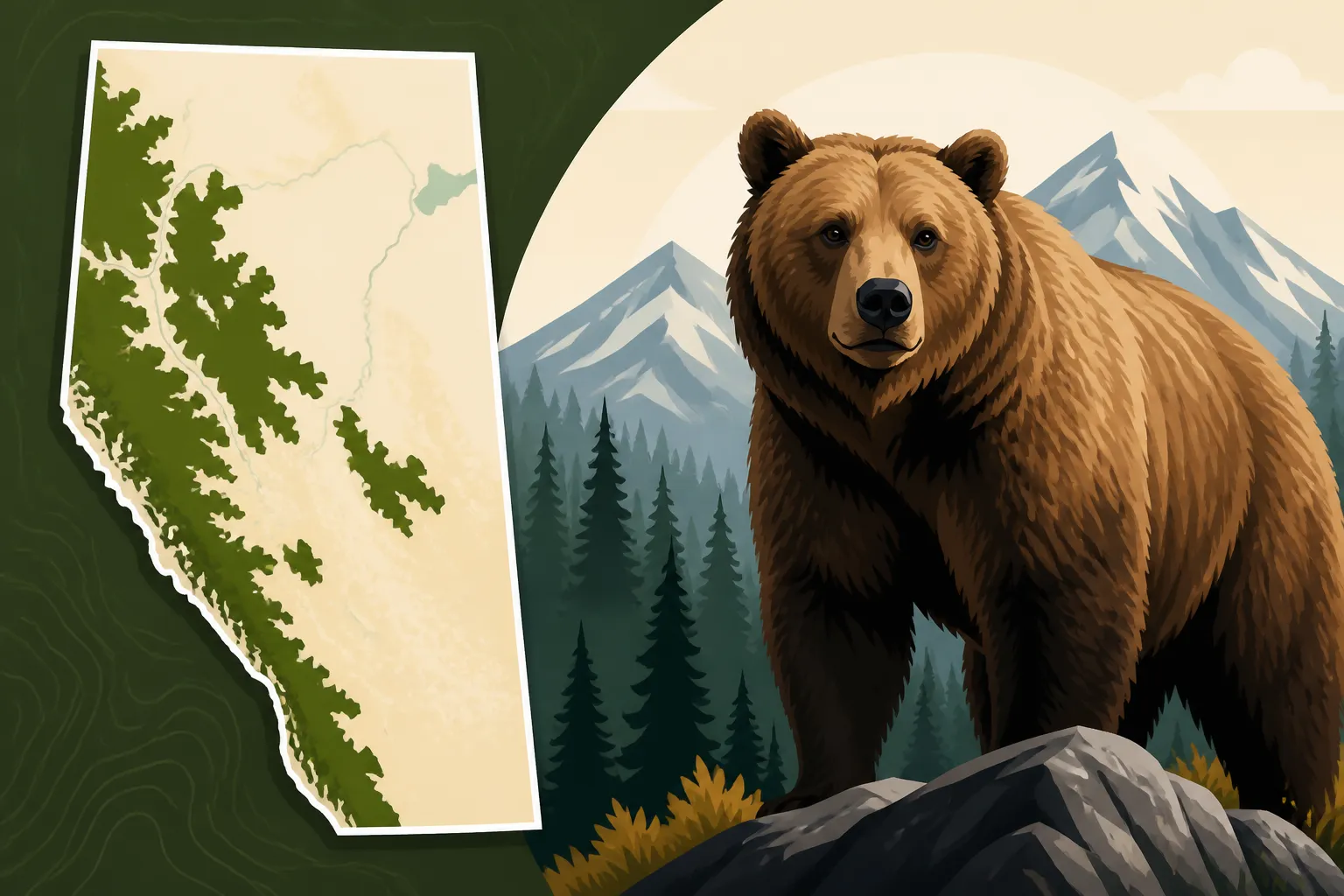
When you picture an Alberta grizzly, you probably imagine it in the rugged peaks and valleys of the Rocky Mountains, and for good reason. This is their historical and spiritual home, where vast tracts of unbroken wilderness provide everything they need: diverse food sources, dense cover, and minimal human disturbance in the deepest reaches. Areas like those found in the Bighorn Backcountry or the remote corners of the Willmore Wilderness Park remain critical habitats. Here, they can be found foraging for berries, digging for roots, or preying on young ungulates in the spring. Hunters venturing into these awe-inspiring landscapes for species like bighorn sheep or mountain goat should always operate under the assumption that a grizzly could be around any bend or over any ridge. The sheer remoteness and difficulty of access in these regions naturally limit human encroachment, making them sanctuaries for large, territorial bears. It's this core population that often provides the impetus for dispersal into adjacent areas.
Foothills: A Key Transition Zone
Just east of the majestic Rockies lies the transitional zone of the foothills, a mixed bag of timbered slopes, rolling ridges, and river valleys. This region has always been a significant part of the grizzly's range, acting as a crucial bridge between the high mountains and the lower elevations. The foothills offer a rich mosaic of habitats, with abundant berries, aspen stands, and the occasional open meadow or clearcut, all of which are attractive to bears seeking food. As you move through areas like the Livingstone-Porcupine Hills or west of Rocky Mountain House, you're firmly in grizzly country. What makes the foothills particularly interesting, and sometimes complex, is the increased interface with human activity – logging, oil and gas exploration, ranching, and recreational use, including hunting. The bears here learn to navigate these human-modified landscapes, often utilizing seismic lines, cutlines, and old logging roads, which also happen to be popular access points for hunters. It's in these areas that a hunter's vigilance truly needs to be at its peak, as encounters can be more frequent and less expected than in the deepest mountains. Understanding Foothills WMU Access and Road Networks is key for both hunting success and bear awareness.
Expanding Eastward: Prairie Fringe Sightings
Perhaps the most surprising and significant shift in recent years has been the observed expansion of grizzlies onto the very fringe of Alberta's prairie and parkland regions. While not a permanent, breeding population in most of these areas, individual bears, particularly young males, are ranging further east than historically documented. We're talking about areas like the Red Deer River badlands or parts of the Cypress Hills, where seeing a grizzly would have been almost unthinkable a few decades ago. These occurrences are often transient, with bears following river corridors or moving through agricultural land at night, sometimes attracted by livestock or grain. This expansion is often a sign of a healthy core population in the mountains and foothills, pushing younger bears out to find new territories. While the chances of an encounter are still far lower here than in the west, hunters pursuing whitetail or mule deer in these "fringe" WMUs can no longer completely dismiss the possibility. It's a reminder that wildlife doesn't always read the historical maps we draw for them, and being situationally aware is critical everywhere you go.
Identifying Key Grizzly Hotspots in Alberta's WMUs
For hunters, knowing the general geographic distribution is helpful, but understanding which specific Wildlife Management Units (WMUs) have the highest likelihood of grizzly presence is even more practical. Alberta's WMU system provides a granular way to manage game, and it also helps us delineate areas where grizzlies are consistently found. While no place is ever 100% free of possibility, some WMUs are definitely more "grizzly-rich" than others. Using tools like GoHunt can be incredibly useful to overlay WMU boundaries with terrain features that grizzlies favor, allowing for more informed scouting and safer hunting trips.
Western WMUs: The Heart of Grizzly Country
Unsurprisingly, the WMUs along Alberta's western border, particularly those that encompass mountainous terrain and extensive foothills, are the primary residences for grizzlies. These are the areas where the provincial government actively manages for grizzly populations and where the chances of an encounter are highest. These WMUs typically have robust regulations and heightened awareness campaigns around bear safety, and for good reason.
Here's a general breakdown of WMU groupings and their grizzly likelihood:
| WMU Group Description | Typical Location | Grizzly Likelihood | Key Characteristics |
|---|---|---|---|
| Mountain WMUs (e.g., 400s) | Along the Continental Divide | Very High | Remote, rugged, high elevation, dense forest, alpine meadows, strong core habitat. |
| Foothills WMUs (e.g., 300s & western 400s) | Eastern slopes of Rockies, west-central Alberta | High | Mixed forest, open areas, river valleys, more human interface (logging, recreation). |
| Boreal Forest WMUs (e.g., 500s) | Northern and North-Central Alberta | Moderate to High | Vast unbroken forests, muskeg, timber, expanding range for some populations. |
| Parkland WMUs (e.g., 200s) | Central Alberta, transition zone | Low (increasing) | Mixed agriculture and forest, fragmented habitat, occasional transient sightings. |
| Prairie WMUs (e.g., 100s) | Southern Alberta, open grasslands | Very Low (rare) | Predominantly agriculture, open plains, river valleys, very rare transient sightings. |
When you are Scouting an Alberta WMU Before Season, especially in those western and northern units, always look for signs of bear activity. Scat, tracks, overturned rocks, and claw marks on trees are all indicators that you're in active grizzly territory. The higher the number of a WMU (e.g., 400s and some 300s), generally the closer you are to prime grizzly habitat.
Northern Boreal Forests: A Quiet Expansion
While often overshadowed by the mountain grizzlies, Alberta's vast northern boreal forest also harbors a significant, and in some areas, expanding grizzly population. WMUs in the 500-series, stretching across regions like the Peace Country and northward towards Fort McMurray, contain immense tracts of wilderness that are ideal for bears. These areas might not have the dramatic peaks, but they offer endless stretches of timber, bog, and wetland, providing abundant food sources and solitude. The density of grizzlies here can be quite high, particularly in unroaded or lightly roaded areas. Hunters pursuing moose or black bear in these northern forests should be just as vigilant as their counterparts in the mountains. This habitat is often less accessible, requiring careful planning around Boreal WMU Access in Wet Years, and the sheer scale of the landscape means encounters can be truly wild and unexpected. The quiet, dense nature of the boreal forest means a bear can be on you quickly, making noise and carrying bear spray absolute necessities.
Coexisting with Alberta's Grizzlies: Safety and Awareness for Hunters
Encountering a grizzly bear in the wild can be a heart-stopping experience, but with proper preparation and knowledge, it doesn't have to be a dangerous one. As hunters, we often put ourselves deep into prime bear habitat, so responsibility for bear safety rests squarely on our shoulders. It's not just about avoiding an attack; it's about respecting these incredible animals and understanding their behavior.
Essential Bear Safety Practices
Whether you're backpacking into sheep country or still-hunting an elk draw, proactive bear safety is paramount. The first rule is always to make noise, especially in areas with dense cover or limited visibility. Yell, sing, or talk loudly as you walk to avoid surprising a bear. A surprised bear is often a defensive bear, and that's when things can go sideways quickly. Carry bear spray and know how to use it. It should be easily accessible, not buried in your pack. Practice drawing it and removing the safety; those precious seconds can make all the difference.
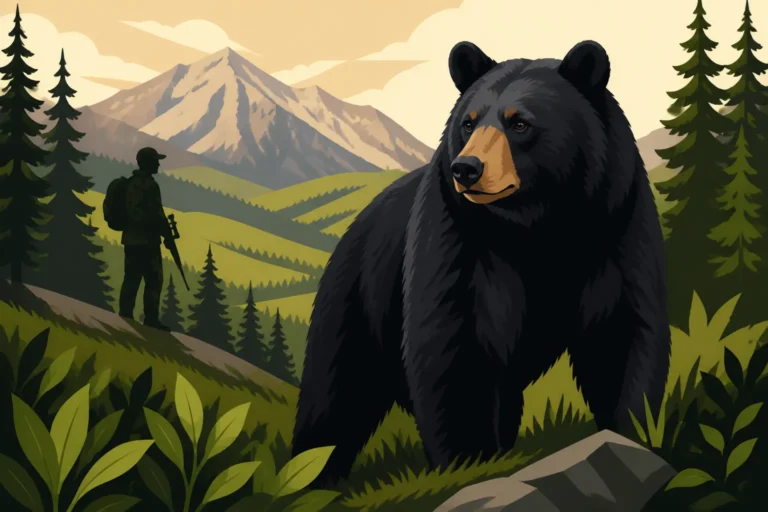
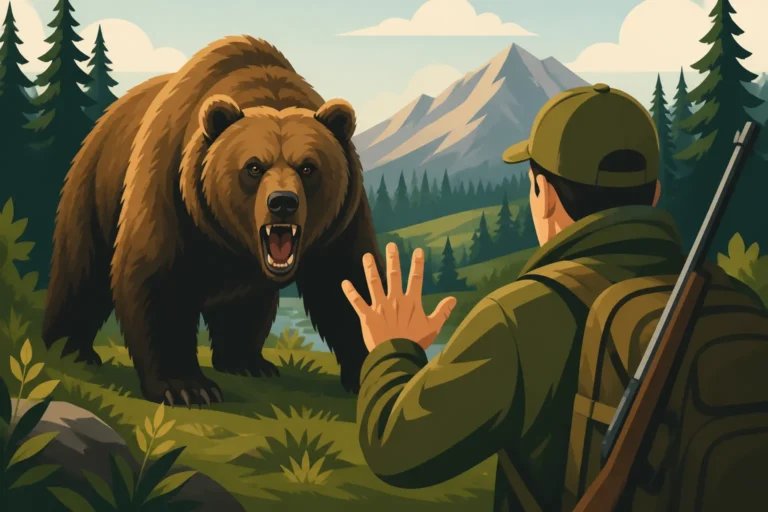
Another critical component of safety is understanding how to identify the difference between a grizzly and a black bear. While both deserve respect, their typical reactions to humans can vary, and misidentification can lead to inappropriate responses. Learn Telling a Black Bear From a Grizzly before you head out. Keep a clean camp, properly store food, and never leave game meat unattended for long. When you make a kill, especially a large one, be hyper-aware that the smell of blood can attract bears from a distance. Consider where you field dress your animal and have a plan for meat retrieval. If you encounter a grizzly, know What Happens If You See a Grizzly – usually, it involves slowly backing away while talking calmly, never running, and making yourself appear large. These common-sense rules, often taught in the Alberta Hunter Education and Conservation Course, are truly your best defense.
The Role of Responsible Scouting and Preparation
Effective bear safety begins long before you set foot in the woods. Thorough scouting and preparation are key, and modern tools can greatly assist. Utilizing mapping apps like GoHunt allows you to not only identify potential game sign but also to anticipate areas of dense cover, berry patches, or water sources that might attract bears. Understanding the terrain, planning your routes to avoid overly dense or blind areas, and having an exit strategy are all part of responsible bear country navigation. This level of preparation also extends to your hunting partners; ensure everyone in your group is familiar with bear safety protocols, carries bear spray, and understands the plan in case of an encounter. If you're planning a trip into deep backcountry, leave a detailed itinerary with someone reliable, including your anticipated route and return date. This isn't just about bear safety; it's about overall Hunting Alberta Winter Weather Safely and general wilderness preparedness. The more you know about the area you're entering, and the more prepared you are for potential challenges, the safer and more enjoyable your hunt will be. Remember, we are guests in their home, and respecting their space and instincts is paramount.
Disclaimer
This article is for general informational purposes only and does not constitute professional advice. Laws, prices and regulations vary by location and change over time. Consult a qualified professional for guidance on your specific situation.