Why Alberta Mule Deer Numbers Shifted
It's no secret that Alberta's mule deer numbers have been a bit of a rollercoaster ride over the years, leaving many hunters scratching their heads and wondering what's truly going on with these majestic prairie monarchs. You spend countless hours scouting, analyzing trail camera photos, and pouring over maps, only to feel like the herds are shifting faster than the wind across the open plains. This guide is dedicated to pulling back the curtain on the complex factors that have caused these significant population shifts, helping you understand the underlying ecological and human influences at play.
Understanding the Rollercoaster: Alberta's Mule Deer Population History
For generations, mule deer have been an iconic part of Alberta's landscapes, especially across the southern prairies and badlands. But their numbers haven't always been static. Just like any wild species adapting to a changing world, their populations have ebbed and flowed, influenced by a myriad of factors. It’s important to look back to really grasp the journey these deer have been on.
From Abundance to Adaptation: Early Historical Context
In the pre-settlement era, when vast stretches of Alberta were untouched by fences and plows, mule deer thrived. They roamed freely, following seasonal patterns dictated by forage and weather. The landscape provided abundant natural cover in coulees, river breaks, and scattered timber pockets, offering both protection from predators and diverse food sources. Early explorers and Indigenous peoples often spoke of the plentiful game, including impressive numbers of mule deer, particularly in the rugged badlands and river systems. These deer were perfectly adapted to the semi-arid conditions of the prairies, relying on their keen senses and ability to navigate broken terrain. Their natural resilience allowed them to weather periods of harsh winters and dry summers, finding refuge and sustenance in predictable patterns.
The Golden Era and the First Declines: Post-Settlement Changes
As European settlement expanded across Alberta in the late 19th and early 20th centuries, things began to shift dramatically. Initially, the conversion of open grasslands to agricultural fields actually provided new food sources, leading to what some consider a "golden era" for deer populations, including both mule deer and whitetails, as they adapted to agricultural landscapes. The deer would often find ample forage in new crops, particularly in areas like the rich farmlands near places like Brooks or Medicine Hat. However, this period of bounty was short-lived for many. As farming intensified and habitat fragmentation accelerated, the very forces that initially seemed to boost numbers started to create problems. Winter range was plowed under, critical migration corridors were fenced off, and the balance of their traditional ecosystems was disrupted. These changes marked the beginning of noticeable declines in specific areas, as mule deer, which prefer more open and broken country than their whitetail cousins, struggled to adapt to increasingly dense human activity and altered landscapes.
Key Environmental Drivers of Mule Deer Fluctuations
When we talk about why mule deer numbers shift, we absolutely have to talk about the environment. Alberta is a land of extremes, and these extremes play a huge role in the well-being of our deer herds. It’s not just one thing; it’s a complex dance between weather, habitat, and even the subtle changes in the land itself.
The Impact of Weather Cycles: Harsh Winters and Droughts
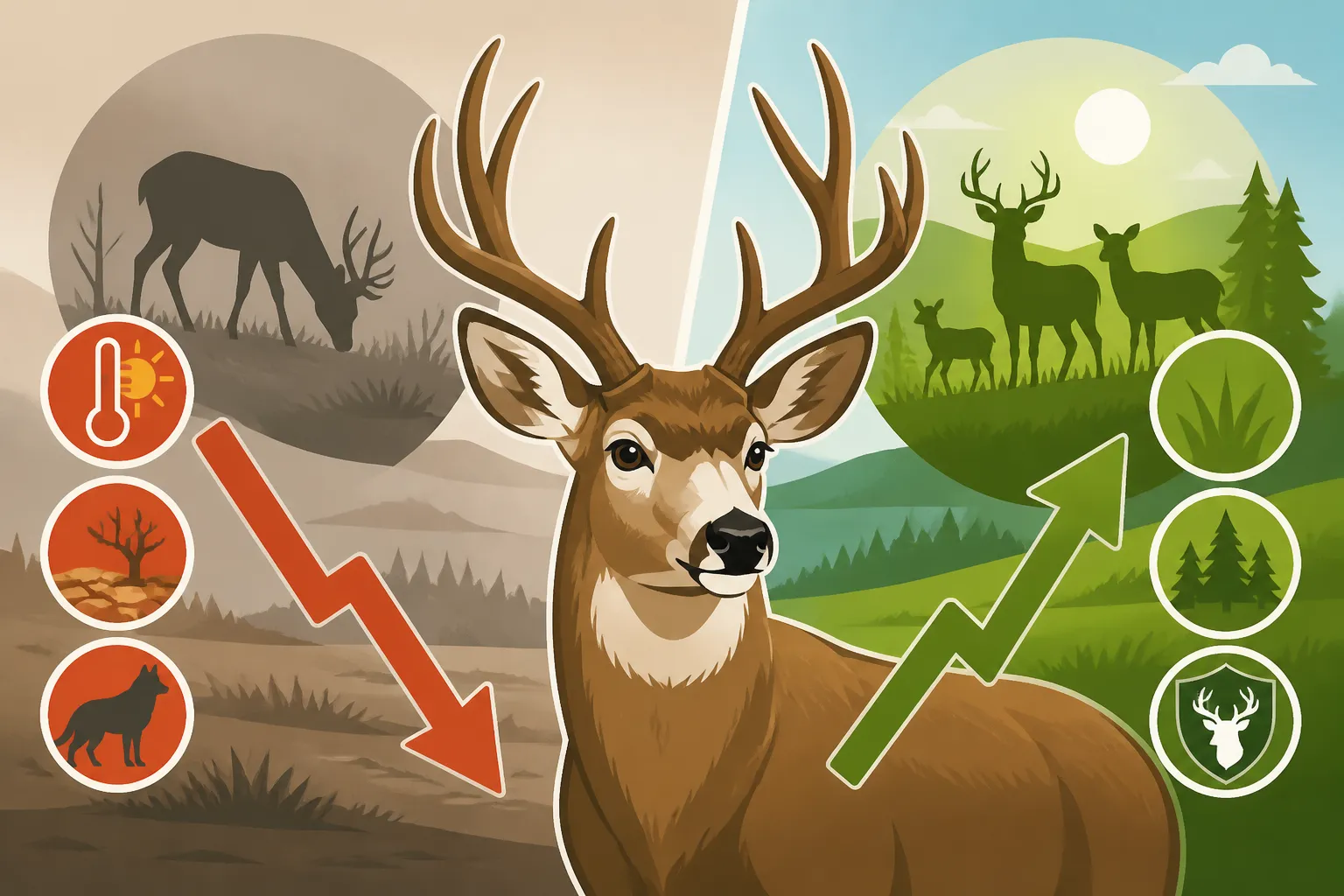
Anyone who has spent a winter out here knows how brutal Alberta can be. These extreme weather events are massive drivers of mule deer population changes. A prolonged, deep cold spell with heavy, crusted snow can be absolutely devastating. Deer expend critical energy simply trying to move through deep drifts, making them vulnerable and burning through their fat reserves. When temperatures plunge to Hunting Whitetails at Thirty Below, survival becomes a day-to-day struggle. If an early, heavy snowpack covers vital winter forage like browse and residual crops, deer can face starvation. We saw significant impacts from tough winters in the late 1990s and again in the early 2010s in some areas, leading to noticeable dips in herd numbers. Conversely, mild winters can lead to high fawn survival and excellent antler growth, giving the herd a boost.
Droughts are equally impactful, especially on the southern prairies where Mule Deer in Alberta's Open Country thrive. Lack of rainfall means poor forage quality, reduced water sources, and overall poorer health for the deer. Does might not be able to carry fawns to term or produce enough milk for their young. Fawns born into a drought year often have lower survival rates, impacting future recruitment into the herd. What Drought Does to Alberta Game is a real and often overlooked factor. When plants are stressed, they provide less nutritional value, making deer more susceptible to disease and less resilient during the rut or upcoming winter. These cycles of feast and famine, driven by our unpredictable weather, are perhaps the most significant natural regulators of mule deer populations.
Habitat Loss and Fragmentation: Agriculture and Development
Alberta's landscape is constantly evolving, and much of that evolution involves human activity. The expansion of agriculture, particularly in the White Area, means more native prairie converted to crops. While deer can use croplands, the loss of contiguous native habitat, especially critical winter range and thermal cover in coulees and river bottoms, removes essential elements for their survival. Fences, while necessary for livestock management, also fragment habitat and can impede mule deer movement, especially during deep snow events when they need to move between feeding and bedding areas.
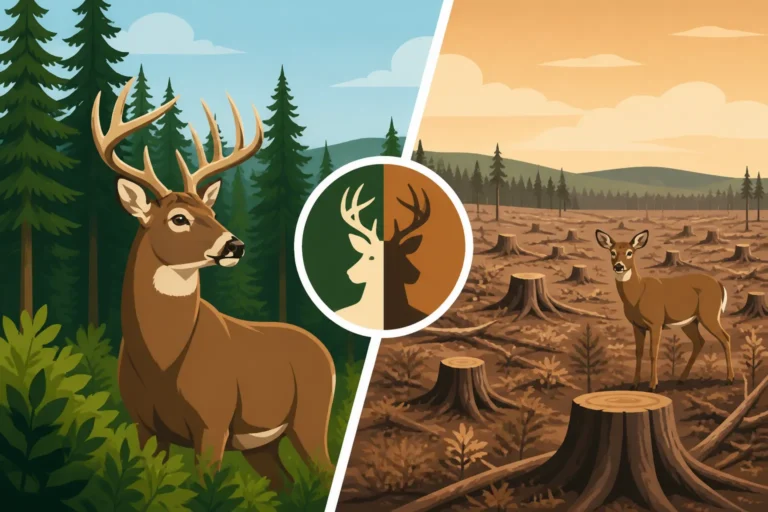
Beyond agriculture, urban and industrial development further encroaches on traditional deer range. Roads, pipelines, and oil and gas facilities create additional barriers and disturbance. Mule deer are generally more sensitive to human presence than whitetails, and these developments can push them out of prime areas. While some disturbances, like What Oil and Gas Cutlines Do to Game or How Logging Cutblocks Affect Alberta Deer, can sometimes create temporary forage benefits, the long-term impact of increasing human footprint often reduces overall habitat effectiveness. The mosaic of fields, towns, and industrial sites shrinks the wild spaces mule deer rely on for security, breeding, and raising fawns, leading to localized declines even if overall numbers seem stable elsewhere.
Disease, Predation, and Competition: Natural Pressures
It's not just the weather and habitat that shape mule deer numbers; there's a constant battle for survival against diseases, ever-present predators, and even competition from other species. These biological factors are always at play, sometimes subtly, sometimes dramatically, impacting the health and size of the herd.
Chronic Wasting Disease and Other Health Challenges
Chronic Wasting Disease (CWD) is an increasingly serious concern for Alberta's deer populations, and mule deer are particularly susceptible. This fatal neurological disease, similar to mad cow disease, slowly degrades brain tissue. Once a deer contracts CWD, it's a death sentence, and the disease is incredibly difficult to eradicate from the environment once it's established. Alberta's CWD Testing Requirements are in place for a reason, as monitoring its spread is crucial. The disease has been steadily moving west across the province from initial hot spots, and as prevalence rates increase in certain WMUs, it can have a significant impact on herd health and mortality, especially in mature bucks that often range widely and can spread the prion.
Beyond CWD, mule deer can be affected by other diseases and parasites. Epizootic Hemorrhagic Disease (EHD) can cause widespread localized die-offs, especially during warm, dry periods when deer congregate around limited water sources, allowing biting midges (the vector for the disease) to transmit it easily. Parasites like lungworms and liver flukes, while usually not fatal on their own, can weaken deer, making them more vulnerable to harsh winters, predation, or other illnesses. The overall health of the herd is a critical indicator, and anything that compromises it can contribute to population shifts.
Predator Dynamics and Their Role in Deer Mortality
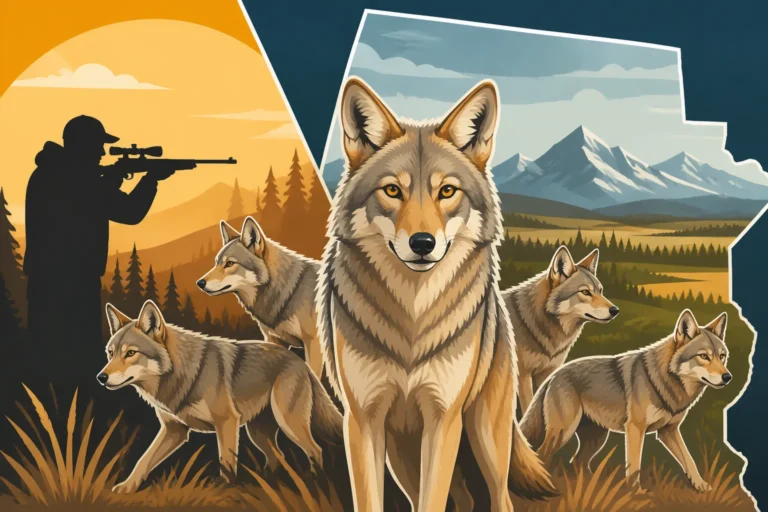
Predators are a natural part of the ecosystem, and they play a vital role in keeping deer herds healthy by culling the weak and sick. In Alberta, mule deer face a range of predators. Coyotes are significant predators of fawns, especially in the first few weeks of their lives. A strong coyote population, particularly during a year of poor fawn recruitment, can certainly contribute to lower mule deer numbers. Wolves, though less prevalent in prime mule deer range on the open prairie, can certainly impact herds in the more transitional zones of the foothills and parkland.
However, the most significant large predator for adult mule deer is often the cougar. Alberta's Cougar Population and Where It Grew has seen an increase in some areas, and cougars are incredibly effective ambush hunters. While a healthy deer population can sustain some level of predation, an imbalance – perhaps due to harsh winters weakening deer or a localized surge in predator numbers – can put increased pressure on a herd. It's rarely just predators alone that cause a severe decline, but they are a constant, natural factor that contributes to the overall mortality rate, working in concert with other environmental stressors.
Competition for Resources: Elk, Whitetails, and Livestock
Mule deer don't exist in a vacuum; they share their habitat with other herbivores, and this can lead to competition for food resources. Elk, for instance, particularly in the foothills and some parkland regions, can compete directly for forage. While mule deer and elk have somewhat different diets, there's a significant overlap, especially in winter when food is scarce. Large elk herds can graze down an area, reducing the quality and availability of browse for mule deer.
Whitetail deer, Alberta's most numerous deer species, also compete. While whitetails typically prefer denser cover, they are highly adaptable and often overlap with mule deer, especially on agricultural edges or in transitional zones. Whitetails are often more prolific breeders and can sometimes outcompete mule deer for prime foraging areas, particularly if mule deer populations are already stressed. Additionally, domestic livestock, especially cattle on public grazing leases or private pastures, exert grazing pressure. While cattle primarily consume grass and deer browse, in dry years, when all forage becomes limited, this competition can become more pronounced, especially on critical winter ranges. Understanding these complex interspecies dynamics is essential to fully grasp Alberta's Deer Herd Trend Over Ten Years.
Human Influence: Hunting Pressure and Management Strategies
Humans are an undeniable force in the landscape, and our presence, whether through direct hunting pressure or broader land management decisions, profoundly influences mule deer populations. It's a constant balancing act between conservation, recreational opportunity, and the needs of a growing province.
Hunting Regulations and Their Evolving Role
Hunting regulations are one of the most direct ways humans influence deer populations. Alberta's wildlife managers use various tools, such as changes to season dates, bag limits, and specific antler point restrictions (like Alberta's Hunting Alberta's Three-Point Mule Deer Rules), to manage herd health and ensure sustainable harvesting. For many years, mule deer seasons were often general, allowing for more liberal harvest. However, as populations saw declines in certain areas, particularly in the mid-2000s, regulations became more conservative. More WMUs shifted to draw-only systems for antlered mule deer, or introduced antler point restrictions, effectively reducing harvest pressure on younger, growing bucks and allowing them to reach older age classes and greater antler potential.
These shifts in regulations are a direct response to population monitoring. When populations are robust, managers might liberalize seasons; when numbers dip, they tighten them. The goal is always sustainability. For hunters, these changes can be frustrating, especially when a favourite WMU suddenly becomes draw-only or has fewer tags available. However, these decisions are based on aerial surveys, harvest data, and population models designed to protect the future of the herd. Staying informed about Alberta Big Game Season Dates and local WMU regulations is key for any hunter planning to pursue mule deer. GoHunt's online resources, which analyze draw odds and harvest data, can be incredibly valuable for understanding these shifts and planning your applications.
Conservation Efforts and Land Use Planning
Beyond direct hunting regulations, broader conservation efforts and land use planning decisions also play a crucial role. Organizations like the Alberta Conservation Association (ACA) and various land trusts work to secure and enhance critical mule deer habitat, often by purchasing or securing easements on private lands. These initiatives focus on protecting winter range, riparian areas, and key migration corridors that are vital for mule deer survival. Think about efforts to preserve native prairie or restore habitat in disturbed areas; these all contribute to the long-term health of the herd.
Government land use planning, particularly in the Green Area (Crown land), also impacts mule deer. Decisions around forestry, oil and gas development, and recreational access (such as in Public Land Use Zones or PLUZs) can either maintain or degrade mule deer habitat. For instance, careful planning around new cutlines or ensuring re-vegetation efforts are deer-friendly can mitigate negative impacts. Public education and engagement are also vital. When landowners understand the importance of healthy deer populations, they are more likely to adopt practices that benefit wildlife, such as leaving unharvested crops near treelines or managing shelterbelts. These complex, often slow-moving, human-driven decisions shape the very foundation of mule deer populations.
Regional Specifics: Where Mule Deer Thrive and Struggle
Alberta is a vast province with diverse landscapes, and mule deer don't experience the same challenges or enjoy the same successes everywhere. What's happening in the coulees of the south might be vastly different from the dynamics in the parkland. Understanding these regional nuances is key to appreciating the overall picture of shifting mule deer numbers.
Prairie and Badlands: Open Country Dynamics
The open prairies and rugged badlands of southeastern Alberta are the traditional stronghold for mule deer. This is where you'll find some of the largest-bodied bucks and impressive antlers. Areas around the Milk River Ridge, the Red Deer River breaks, and the Cypress Hills are iconic mule deer country. Here, the primary factors influencing shifts are often extreme weather events – particularly severe winters that can lead to significant Alberta's Winter Kill and Game Numbers, and prolonged droughts that impact forage quality and fawn survival. When we talk about Hunting Mule Deer in the Badlands Coulees, access to those hidden pockets of security and forage becomes paramount.
Habitat in these regions, while seemingly vast, is often fragmented by agriculture, roads, and energy infrastructure. While mule deer are adapted to open country, they still require pockets of cover in coulees, river valleys, and shelterbelts for security and thermal regulation. Any further loss or degradation of these critical areas can lead to localized declines. Hunting pressure is also a factor, particularly in WMUs with general seasons, but careful management through draw systems has helped stabilize populations by ensuring that mature bucks aren't overharvested. The populations here tend to be resilient, but they are also highly responsive to the boom-and-bust cycles of weather and the ever-present pressures of human land use.
Foothills and Parkland: Transition Zone Challenges
As you move north and west into Alberta's parkland and foothills regions, the dynamics for mule deer become a bit different. Here, they share the landscape with more whitetail deer, and the habitat is a mix of aspen parkland, scattered timber, and agricultural fields. In these transition zones, competition with whitetails is a more significant factor. Whitetails are incredibly adaptable and can thrive closer to human activity and in denser cover, sometimes pushing mule deer into more marginal habitats. Hunting Alberta's Parkland Country and Its WMUs often means dealing with both species.
Habitat fragmentation in the parkland is also intense due to agriculture and residential development. While there might be more timber and moisture than the prairie, the quality of that habitat for mule deer can be lower, and their preferred broken, open country is less prevalent. In the foothills, mule deer face greater predation pressure from wolves and cougars, in addition to bears. Access to secure winter range, often at lower elevations, is critical. Periods of heavy logging or resource extraction in the foothills can temporarily alter habitat, and while mule deer can utilize some post-harvest areas, significant disturbance can displace them. Therefore, while mule deer exist in these regions, their populations are often more scattered and subject to different pressures than their prairie counterparts.
Looking Ahead: What the Future Holds for Alberta's Mule Deer
The future of Alberta's mule deer is a topic of constant discussion among hunters, biologists, and land managers. While the shifts of the past have taught us valuable lessons, the challenges ahead require continued vigilance, adaptability, and a collective commitment to their conservation.
Adaptive Management: Learning from the Past
The Alberta government and wildlife agencies are committed to adaptive management strategies for mule deer. This means continuously monitoring populations through aerial surveys, harvest data, and CWD surveillance. By closely watching these indicators, managers can adjust hunting regulations, land use policies, and conservation efforts in real-time. The lessons learned from past population shifts, whether from severe winters or disease outbreaks, inform these decisions. For instance, the increased use of draw systems and antler point restrictions in certain WMUs demonstrates an adaptive response to localized declines.
Furthermore, there's a growing emphasis on habitat-based management. This involves identifying and protecting critical mule deer winter range, migration corridors, and fawning areas. Partnerships with landowners and conservation groups are crucial here, especially in the White Area, to ensure that land use practices are compatible with wildlife needs. For hunters, this adaptive approach means staying informed about regulatory changes and understanding that these changes are designed to ensure sustainable hunting opportunities for future generations. Tools like GoHunt can provide essential data for hunters to track these trends and apply for appropriate special licenses.
Hunter's Role in Monitoring and Stewardship
Hunters are often the first to notice changes on the ground. You're out there, year after year, observing herd health, fawn recruitment, and buck quality. Your observations are incredibly valuable and contribute to the collective understanding of mule deer populations. Reporting your harvests accurately, submitting heads for CWD testing (especially in Which WMUs Require a Deer Head Submission), and participating in public consultations on hunting regulations are all ways you contribute to stewardship.
Beyond direct reporting, supporting conservation organizations that work on habitat protection is vital. Volunteering for habitat enhancement projects or simply being a responsible land user and obtaining permission for Knocking on Doors in Alberta Farm Country also makes a difference. As hunters, we have a vested interest in healthy mule deer populations. By advocating for sound wildlife management, practicing ethical hunting, and taking an active role in conservation, we can help ensure that Alberta continues to be a destination for those who cherish the challenge and reward of pursuing Mule Deer in Alberta's Open Country. Our collective commitment to careful observation, data collection, and thoughtful management will ultimately determine the resilience and future of these magnificent deer in our province.
Comparing Key Factors in Mule Deer Population Shifts
To really grasp the complexity, let's look at how different factors contribute to the ups and downs of mule deer numbers. It's a delicate balance, and often, a combination of these elements triggers a significant shift.
| Factor | Impact on Mule Deer Numbers | Severity of Impact | Timeframe of Impact | Regional Variation | Management Response |
|---|---|---|---|---|---|
| Harsh Winters | Direct mortality, reduced fawn survival | High | Short-term (1-2 years) | Prairie/Foothills (heavy snow) | Habitat enhancement, supplemental feeding (rarely) |
| Drought | Reduced fawn survival, poor health | Medium-High | Short-term to Mid-term | Prairie/Badlands (water/forage) | Habitat enhancement, water source development |
| Habitat Loss | Long-term population decline | High | Long-term | White Area (agriculture/development) | Land acquisition, conservation easements, zoning laws |
| CWD | Increased mortality, spread | Medium-High | Long-term | All affected WMUs | Surveillance, CWD submission, targeted culling (rare) |
| Predation | Baseline mortality, impact on fawns | Medium | Ongoing | Foothills/Parkland (wolves/cougars) | Population monitoring, regulated predator harvest (varies) |
| Competition (Whitetail) | Displacement, reduced resources | Medium | Mid-term to Long-term | Parkland/Transition Zones | Whitetail harvest strategies |
| Hunting Pressure | Regulated harvest levels | Medium (managed) | Short-term (season to season) | All WMUs | Draw systems, antler point restrictions, season limits |
Disclaimer
The information provided in this article is for general guidance and informational purposes only. Hunting regulations, wildlife populations, and environmental conditions in Alberta can change frequently. Always consult the most current Alberta Hunting Regulations Guide and relevant government resources before planning any hunting activity. Safety and ethical hunting practices are paramount.