Hunting a Shelterbelt Between Two Fields
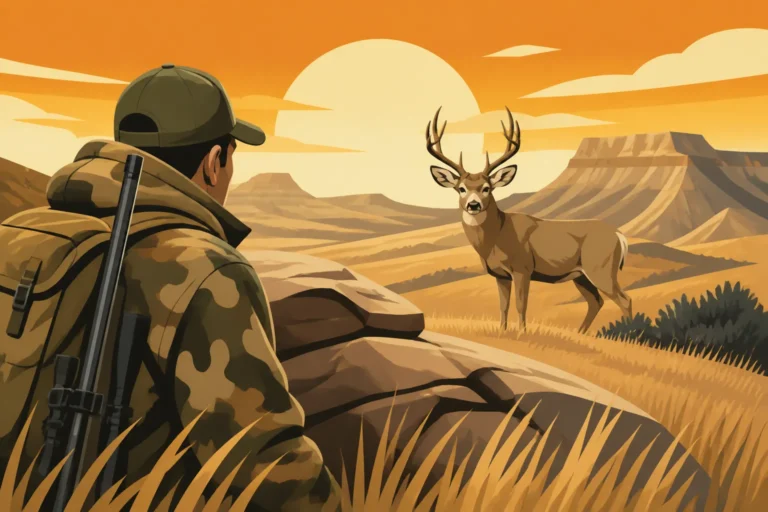
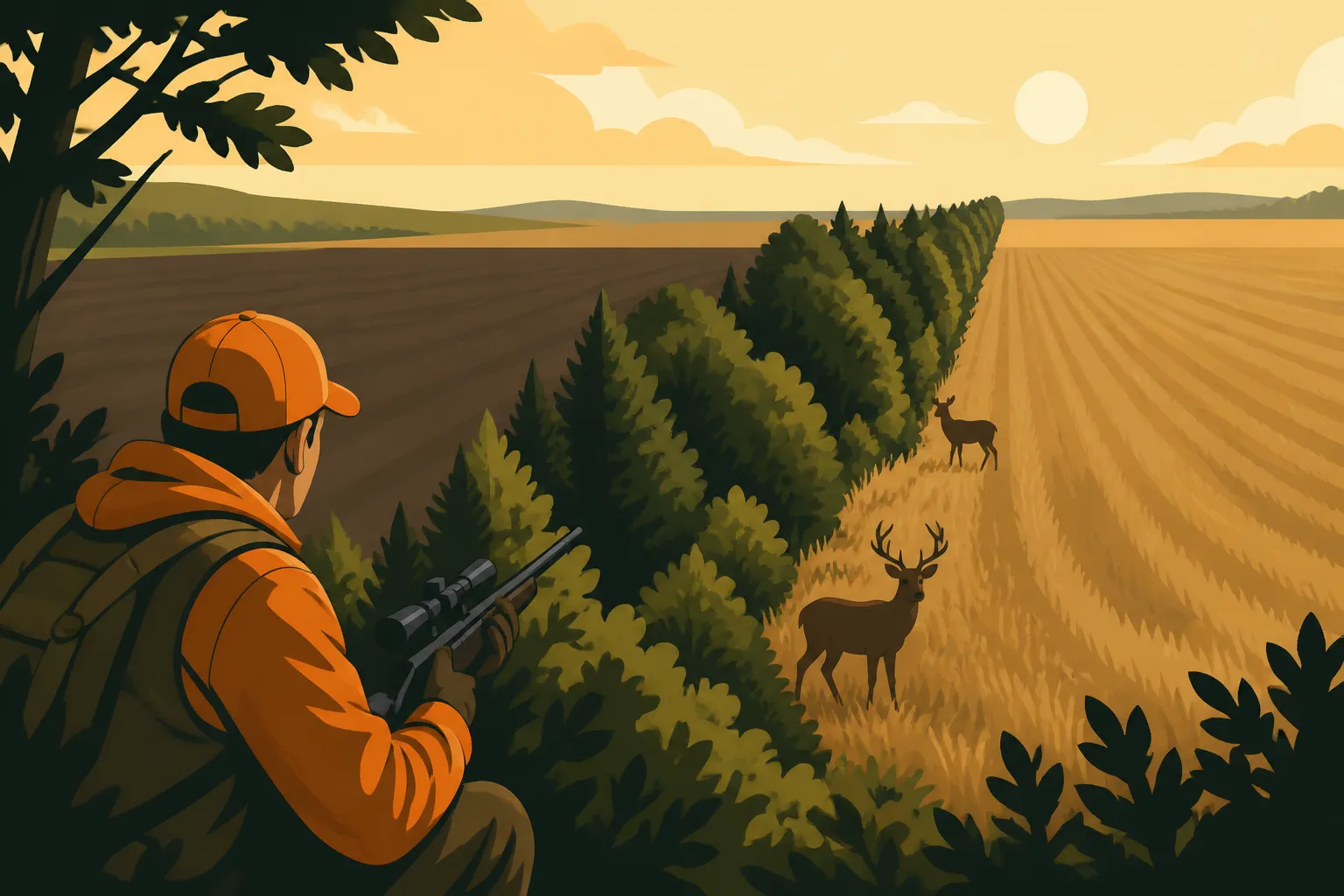
It’s a tale as old as time for many Alberta hunters: you’re glassing seemingly endless fields of stubble or standing canola, and the deer just seem to vanish into thin air. You know they're there, but finding where they actually spend their daylight hours or how they navigate between feeding and bedding areas can feel like searching for a needle in a colossal haystack. That's where the humble shelterbelt comes in, often overlooked but holding the key to consistent success. This guide will help you unlock the potential of these critical habitat features, showing you why deer love them and how to effectively hunt a shelterbelt between two fields.
Why Shelterbelts Are Prime Deer Real Estate
Shelterbelts, those lines of trees or shrubs planted to break the wind, might seem insignificant in the grand scheme of the vast Alberta landscape. But to a whitetail deer, and even mule deer in certain areas, they are nothing short of a lifesaver. These narrow strips of cover provide essential elements that allow deer to thrive, offering security, food, and efficient travel routes that larger, more uniform blocks of bush simply can't match in open agricultural country. Ignoring them means missing out on some of the best hunting opportunities this province offers.
Unparalleled Cover and Security
In the open expanses of Alberta's agricultural zones, constant wind, glaring sun, and persistent human activity make it tough for deer to feel secure. A shelterbelt, even a relatively narrow one, provides instant relief from these pressures. Imagine a deer seeking refuge from a biting November wind – that thick row of poplars, caraganas, or evergreens offers immediate protection, creating a calm microclimate where they can bed down, conserving energy. This thermal cover is crucial, especially when temperatures plummet or during heavy snowfalls. They can escape the elements, hide from predators, and simply relax without being constantly exposed. This sense of security is paramount, making them far more likely to linger and live within these strips of trees.
Furthermore, these linear patches of cover offer excellent concealment from hunters. Unlike a dense forest where a deer might be spotted moving through open timber, a deer slipping through the tangled undergrowth and thick branches of a shelterbelt is often completely invisible. They use the density to their advantage, freezing or subtly shifting their position to avoid detection, making them incredibly difficult to spot until you're right on top of them. This is especially true for mature bucks who are masters of remaining hidden.
Critical Travel Corridors
Think of a shelterbelt as a deer highway, a concealed path connecting various points of interest in an otherwise open world. Deer are masters of efficiency, and they much prefer to travel under the safety of cover than to expose themselves in an open field, particularly during daylight hours. A shelterbelt running between two large crop fields, or connecting a bedding area to a feeding area, becomes an indispensable travel corridor. They'll use it to move from a woodlot to a pea field, from a river bottom to a standing cornfield, or simply to cross a large pasture without being seen by human eyes.
This makes them incredibly predictable, especially during the rut. Bucks will patrol these shelterbelts, scent checking for does that are moving between feeding and bedding areas. Does will use them to safely lead their fawns to new food sources. Understanding these travel patterns is key to intercepting deer. By using tools like the GoHunt mapping platform, you can often identify these linear cover strips and see how they connect different parcels of habitat, helping you predict deer movement. This ability to travel unseen and unfettered is what makes shelterbelts such a magnetic draw for deer in farmed landscapes, providing them a lifeline in a world increasingly dominated by open agriculture.
Accessible Food and Browse
While deer might spend their evenings feeding in wide-open crop fields, shelterbelts themselves often provide a surprising amount of accessible food and browse, acting as a convenient pantry or a quick snack bar. Many shelterbelts consist of a mix of deciduous trees and shrubs like saskatoons, pin cherries, and various willow species. These plants offer a smorgasbord of natural forage, from tender new shoots in spring and summer to persistent berries and woody browse that become crucial during the leaner fall and winter months.
Additionally, the edges of shelterbelts, particularly those bordering unharvested crops like standing corn, peas, or canola, create an easy transition point for feeding. Deer can nip out into the field for a mouthful of high-energy grain or browse on alfalfa, then quickly duck back into the safety of the trees. This "edge effect" is a well-known wildlife principle, and shelterbelts amplify it significantly. They offer a secure staging area where deer can hang out, chew their cud, and wait for darkness to fully commit to the open fields, or use it as a mid-day meal stop between longer movements. These patches of sustenance keep deer engaged with the shelterbelt, making them more likely to be present throughout the day.
Scouting Your Shelterbelt Effectively
You can’t just walk into any random shelterbelt and expect to find deer. While all shelterbelts offer some level of appeal, the truly productive ones show specific signs of heavy use. Effective scouting is paramount to identifying these hotspots and understanding how deer are utilizing them. This involves looking for fresh sign, understanding wind patterns, and paying close attention to where the deer are entering and exiting.
Reading the Sign
Once you’ve identified a promising shelterbelt on a map, perhaps using satellite imagery on GoHunt to see its layout and surrounding fields, it’s time to get boots on the ground. The first thing you're looking for is fresh deer sign. This isn't just about finding a random track; it's about interpreting a story. Look for well-worn deer trails running the length of the shelterbelt. Are there distinct crossings where deer are entering or exiting into the fields? Pay attention to the size and freshness of tracks – bigger tracks often indicate a mature buck, while smaller ones point to does and fawns.
Rub lines and scrapes are particularly exciting finds. Rubs, where bucks have rubbed their antlers on saplings or small trees, tell you a buck is actively using that area and marking his territory. Fresh rubs, especially those on larger trees, are a huge indicator of a dominant buck. Scrapes, patches of ground pawed clear and often urinated on, are communication hubs for deer. If you find a series of active scrapes along a shelterbelt edge, you've hit paydirt. Also, look for droppings. Lots of fresh droppings indicate heavy use, and their location can tell you if deer are bedding, feeding, or just passing through. Concentrated droppings in a thick pocket often mean a bedding area.
Understanding Wind and Bedding Locations
The wind is arguably the most critical factor when hunting whitetails, and shelterbelts are no exception. Deer will almost always bed with the wind at their back, allowing them to smell danger approaching from behind, while their eyes and ears cover their downwind approach. When scouting a shelterbelt, consider the prevailing winds in that area. If the wind typically blows from the west, deer will often bed on the east side of the shelterbelt, facing east, using the trees for cover and the wind to detect scent.
Walk the entire length of the shelterbelt, looking for thick, dense pockets of cover within it. These are prime bedding spots. Look for flattened grass or matted leaves where deer have been lying. Pay close attention to how the deer might approach and leave these bedding areas, always trying to stay downwind. Your access route to and from a stand placement near one of these bedding areas is crucial. You want to approach silently, with the wind in your face, never blowing your scent directly into where the deer are likely to be. Remember, deer are most vulnerable when they are moving, so identifying their travel corridors from these bedding areas to feeding grounds is key. This is also why having a strong understanding of Wind in Open Prairie Country is so vital.
Identifying Entry and Exit Points
Deer don't just appear magically in a field or shelterbelt; they use specific, often subtle, entry and exit points. These pinch points are where you'll want to focus your hunting efforts. Look for heavily used trails that lead directly from the shelterbelt out into an adjacent crop field, or trails that connect one shelterbelt to another, or to a nearby woodlot. These funnels often feature broken fences, gaps in brush, or worn paths through tall grass. Sometimes, a deer will simply walk through a section of fence that has been pushed down repeatedly.
These entry and exit points are where deer feel safe enough to transition from cover to open ground, or vice-versa. During your scouting, you might even find rubs or scrapes directly at these transitions, indicating that bucks are actively using them. Consider the topography as well – a slight dip in the field, a small drainage, or a rise that offers a momentary visual break can also serve as an entry point. By knowing these specific routes, you can set up your stand or plan your still hunt in a way that intercepts deer as they move, rather than hoping to stumble upon them. You can use aerial imagery on mapping apps like GoHunt to mark these features for later reference, making your hunt planning much more efficient.
Hunting Strategies for Alberta Shelterbelts
Hunting a shelterbelt isn’t a one-size-fits-all approach. The best strategy depends on the time of day, the specific layout of the shelterbelt, and the general temperament of the deer in the area. Whether you’re hanging a stand, still hunting, or trying some calling, knowing when and how to deploy these tactics is crucial for success.
Stand Placement and Timing
When it comes to hunting a shelterbelt, setting up a tree stand or ground blind is often the most effective method, especially during the peak rut. The key is to place your stand where it intercepts deer movement along a known travel corridor or near a hot bedding area, taking the prevailing wind into account. Ideal locations include where two shelterbelts converge, at a distinct pinch point where deer funnel through, or overlooking a fresh rub line or scrape. Consider Hanging a Stand on an Alberta Bush Edge as the principles are very similar here.
For morning hunts, focus on stands that intercept deer moving from fields back to bedding cover within the shelterbelt. These stands should be set up on the field side of the shelterbelt, allowing you to catch deer feeding their way back in or directly entering the cover. For evening hunts, reverse the strategy: set up closer to the bedding area within the shelterbelt or on the edge where deer are staging before moving out into the fields to feed. During the rut, however, bucks can be cruising these shelterbelts at any time of day, making an all-day sit in a well-placed stand a viable option. Always ensure your access route to and from the stand minimizes disturbance to the shelterbelt itself and the surrounding area.
Still Hunting and Sneaking
While tree stands offer a stationary advantage, still hunting or sneaking through a shelterbelt can be incredibly effective, especially if the shelterbelt is long and dense, or if you don't have suitable trees for a stand. This tactic requires immense patience, stealth, and a keen understanding of wind direction. The goal is not to crash through, but to move incredibly slowly, pausing frequently, and scrutinizing every bit of cover. Think of it as hunting at a snail's pace.
Move into the wind, or with a crosswind, so your scent isn't blowing ahead of you. Take one or two steps, then stop for a minute or two, scanning ahead for any flicker of movement, a horizontal line that doesn't belong, or an ear twitch. Use binoculars to pick apart the shadows and thickets. Pay special attention to any bends or thicker pockets in the shelterbelt, as deer will often bed down in these areas. This method is particularly effective for finding bedded deer or catching bucks cruising during the mid-day lull. It also ties in well with principles for Hunting a Cutline Intersection for Whitetails, as the linear nature is similar. Be prepared for close-range shots, and make sure your gear is quiet, as silence is paramount.
Calling and Rattling Tactics
Shelterbelts, especially during the rut, are fantastic places to employ calling and rattling techniques. Because they serve as travel corridors and cover, bucks are often on the move or seeking out does within these strips. Light grunt calls can often entice a curious buck that is passing by, making him think another buck or a hot doe is nearby. Start with soft, subtle grunts and increase the volume if there's no response.
Rattling is another powerful tool. The sound of antlers clashing can pique the interest of a dominant buck, challenging him to investigate. For rattling in open parkland or farm country where shelterbelts often exist, remember that sound travels far. You don't always need to crash them together aggressively. Sometimes, subtle tickling of antlers, mimicking two bucks sparring, is all it takes. Set up your calling position strategically – ideally, you want to be hidden within the shelterbelt, with clear shooting lanes, and the wind in your favor. Rake some nearby branches with a stick to simulate a buck making a rub while rattling. A combination of rattling and a few well-timed grunts can be incredibly effective at drawing out a buck from the depths of the shelterbelt. If you're looking for more advanced tips, check out Rattling Volume in Open Parkland.
| Hunting Strategy | Optimal Wind | Best Time of Day | Ideal Deer Movement | Notes |
|---|---|---|---|---|
| Tree Stand | Crosswind or Quartering | Morning (Field to Cover) / Evening (Cover to Field) / All day (Rut) | Consistent travel along corridor or feeding patterns | Minimize scent, quiet entry/exit, clear shooting lanes. |
| Still Hunting | Into the wind | Mid-day | Bedded deer, slow cruising | Requires extreme stealth, patience, and visual scanning. |
| Calling/Rattling | Into the wind (for approaching deer) | Mid-day (Rut peak) | Bucks cruising for does, responding to challenge | Setup for shot, use natural cover, vary intensity. |
Common Mistakes and How to Avoid Them
Even with the best intentions, hunting shelterbelts can be tricky, and certain mistakes can quickly ruin your chances. Recognizing these pitfalls and having a plan to avoid them will significantly increase your success rate.
Ignoring Wind Direction and Scent Control
This is probably the single biggest mistake hunters make, and it’s especially detrimental when hunting tight cover like a shelterbelt. Deer rely heavily on their sense of smell, and if your scent is blowing into their perceived safe zone, they'll bust you every time. Imagine a frosty morning, and your warm breath, carrying residual coffee and deodorant scents, is carried straight down the shelterbelt into a deer's nose. Game over.
Always, and I mean always, hunt with the wind in your favor. This means either having the wind blowing directly in your face or at a crosswind that carries your scent away from where you expect deer to be. Never let your scent blow into a bedding area or a primary travel corridor. Pay meticulous attention to scent control: wash hunting clothes in scent-free detergent, shower with scent-free soap, use scent-eliminating sprays, and store your clothes in airtight bags or containers. Even something as simple as the smell of gas on your boots from filling up your truck can spook a deer. Being scent-conscious isn't foolproof, but it drastically improves your odds.
Over-Pressuring the Area
Shelterbelts are relatively small, confined spaces compared to large tracts of forest. This means they are incredibly susceptible to being over-pressured. If you go stomping through the same shelterbelt day after day, week after week, you'll quickly turn a hotspot into a deer desert. Deer are smart, and they will abandon areas that feel unsafe. This is particularly true for mature bucks.
The best way to avoid over-pressuring an area is to hunt it sparingly and intelligently. Once you've identified a promising shelterbelt and scouted it thoroughly (perhaps with the help of apps like GoHunt to track your movements and avoid repeated disturbance), pick your days. Hunt it only when the wind is perfect, and consider rotating between a few different shelterbelts or hunting spots to spread out your impact. Minimize your entry and exit routes, and don't linger longer than necessary. If you bump a deer, especially a good buck, give that area a few days or even a week to cool down before returning. Patience and restraint are your best friends here.
Neglecting Landowner Relations and Permission
Most shelterbelts in Alberta are found on private agricultural land. This means that Getting Permission for a Goose Field or any hunting on private land is not just good manners, it's the law. Neglecting to secure proper permission is not only illegal and unethical but also damages the reputation of all hunters. Landowners are often very busy and protective of their property, and rightly so. Showing up unannounced or assuming you have permission is a surefire way to get a "no" – or worse, to lose access for other hunters down the line.
Always approach landowners respectfully, well in advance of the season, and ideally, in person. Introduce yourself, explain what you're hoping to hunt, and offer to share some of your harvest. Be clear about your intentions and respect any conditions they might have, such as specific times to hunt, areas to avoid, or gates to close. A simple phone call or text before each hunt can go a long way in building trust. Acknowledge that a shelterbelt is often very close to homes or farm buildings, and that safety is paramount. Building these relationships is not only crucial for hunting success but also fosters a positive image for the entire hunting community. For guidance on how to secure permission, consider reading Knocking on Doors in Alberta Farm Country.
Hunting shelterbelts between fields offers some of the most exciting and consistent deer hunting opportunities in Alberta. By understanding why deer use them, how to scout them effectively, and implementing smart hunting strategies while avoiding common mistakes, you’ll be well on your way to punching your tag on a respectable whitetail or mule deer.
Disclaimer
The information provided in this guide is for general educational and informational purposes only, and does not constitute legal advice. Hunting regulations, seasons, and access rules in Alberta are subject to change. Always consult the most current Alberta hunting regulations and relevant legislation before planning any hunting trip. It is the hunter's responsibility to know and obey all applicable laws and regulations.