Woodland Caribou and Why They Are Protected
The majestic woodland caribou, a true symbol of Alberta's northern wilderness, faces immense challenges. Many hunters and outdoor enthusiasts feel a pang of concern when they hear about declining wildlife populations, especially for a species as iconic and vulnerable as caribou. This guide aims to shed light on why these incredible animals are so critically protected in Alberta, diving deep into the threats they face and the extensive efforts being made to ensure their survival for generations to come.
The Unique World of Alberta's Woodland Caribou
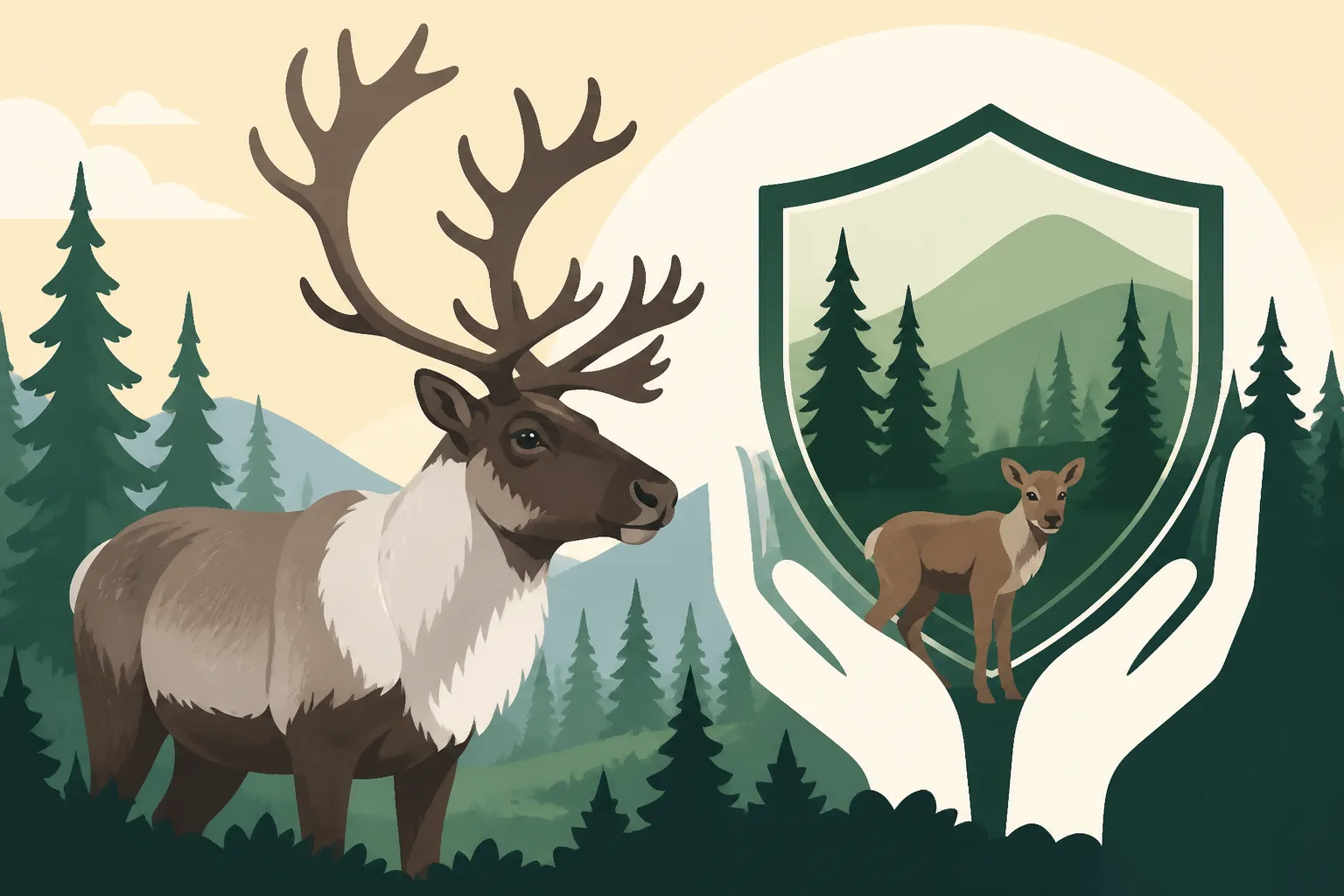
Woodland caribou are not just any deer species; they are a distinct ecotype of caribou, specifically adapted to the deep, unbroken boreal forests and muskegs of Alberta. Unlike their barren-ground cousins or even the mountain caribou found further west, these creatures have a very particular way of life that makes them incredibly sensitive to changes in their environment.
Adapted to Ancient Forests and Deep Solitude
Imagine a vast, sprawling landscape of dense spruce, pine, and tamarack, interspersed with peat bogs and muskegs. This is the heart of woodland caribou country. They are primarily lichen-eaters, relying heavily on terrestrial and arboreal lichens that grow slowly, often taking decades to mature. This specialized diet means they need expansive, undisturbed old-growth forest to find enough food, especially during the harsh Alberta winters. They've evolved to live in small, scattered groups, often solitary, to avoid predators in these vast, quiet spaces. This solitude is key to their survival strategy, as it reduces their encounter rate with predators like wolves.
Their slow reproductive rate is another defining characteristic. Female caribou typically don't have their first calf until they are three years old, and they usually only have one calf per year, if that. This contrasts sharply with other deer species, like whitetails, which can reproduce at a younger age and often have twins. This slow-and-steady approach works well in stable, low-predation environments, but it makes them incredibly slow to recover from population declines. If you've ever felt frustrated by how slowly some wildlife populations rebound after a tough winter or a disease outbreak, imagine that amplified significantly for caribou.
Where Alberta's Woodland Caribou Stand Today
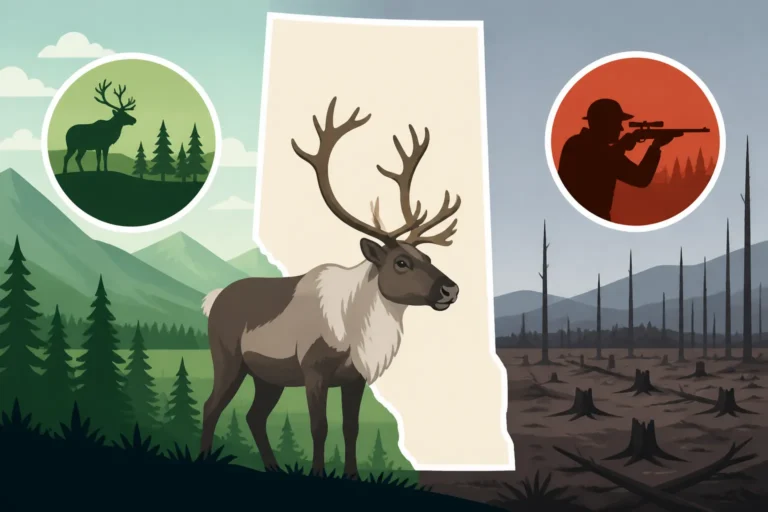
Unfortunately, the picture for woodland caribou in Alberta is not a rosy one. Their populations have been in decline for decades, leading to their listing as "Threatened" under both federal and provincial legislation. This isn't just a number on a spreadsheet; it represents a real loss of an integral part of Alberta's natural heritage. Many hunters, myself included, lament the idea of losing such a majestic creature from our forests. When you're out Hunting Moose Across Alberta's Boreal and Foothills, you might occasionally see signs of caribou, but actual sightings are incredibly rare, which only drives home the severity of their situation.
The populations are not uniform across the province. They are found in discrete herds, often named after the geographical areas they inhabit, stretching across the northern and west-central parts of the province. Each herd faces unique pressures, but the overarching trend is one of vulnerability. Understanding where these herds exist and the specific challenges they encounter is crucial for anyone interested in the future of our wilderness.
The Primary Threats Driving Caribou Decline
It's easy to point a finger at one thing, but the reality for woodland caribou is a complex web of interconnected threats, primarily stemming from human activity. It's a classic case of death by a thousand cuts, making recovery incredibly challenging.
Habitat Loss and Fragmentation
This is arguably the single biggest culprit. The very forests caribou need to survive are being altered at an alarming rate. Forestry operations, oil and gas exploration, mining, and agricultural expansion all contribute to the breakdown of large, intact tracts of old-growth boreal forest. When you're Hunting a Pipeline Right-of-Way or exploring an old logging block, you're seeing areas that were once prime, undisturbed caribou habitat.
These disturbances don't just reduce the amount of available habitat; they also fragment it. Imagine drawing a series of lines through a pristine canvas. Those lines — seismic lines, cutlines, roads, power lines — create corridors. These corridors, originally intended for human access or resource extraction, become pathways for other species, primarily deer and moose, who thrive on the early successional growth that follows disturbance. And where deer and moose go, so do their predators. This leads us directly to the next major threat.
Increased Predation Pressure
Wolves are natural predators of caribou, and in a healthy, undisturbed boreal ecosystem, caribou have evolved strategies to cope, primarily by dispersing and occupying areas of low wolf density. However, habitat fragmentation throws this delicate balance out of whack. The linear features created by industrial activity allow wolves to travel faster and more efficiently into areas they might not have otherwise accessed, increasing their encounter rates with caribou.
Furthermore, the habitat changes that benefit deer and moose lead to an increase in their populations. A higher density of deer and moose provides an abundant food source for wolves, effectively subsidizing wolf populations and keeping their numbers high. This "apparent competition" means that even if caribou numbers are low, wolf numbers remain robust due to the presence of other ungulates, leading to more caribou predation than the caribou population can sustain. It's a vicious cycle where man-made changes cascade through the ecosystem, hitting the most vulnerable species the hardest.
Human Disturbance and Other Factors
Beyond direct habitat loss and increased predation, human disturbance itself can have an impact. Noise from industrial operations, increased human presence on recreational trails, and general activity can cause caribou to expend precious energy avoiding these areas, pushing them into less ideal habitats. While often difficult to quantify, this constant low-level stress contributes to their overall vulnerability.
There are also concerns about disease, though less prevalent than habitat and predation issues. Climate change is another looming threat, potentially altering the range and availability of their critical lichen food sources, or increasing the frequency of severe weather events. While a hunter might be focused on Hunting Alberta Winter Weather Safely, these broader ecological changes impact entire species in profound ways.
Conservation Efforts and Recovery Strategies
Faced with such a daunting challenge, Alberta, alongside federal partners and various stakeholders, has embarked on extensive conservation efforts. These aren't quick fixes; caribou recovery is a long-term, complex undertaking that requires patience, significant investment, and a multi-faceted approach.
Habitat Restoration and Protection
The most fundamental strategy is to restore and protect caribou habitat. This involves identifying critical caribou ranges and implementing measures to limit further industrial disturbance. For existing disturbances, restoration efforts are underway. This can include decommissioning old seismic lines and roads, planting trees to accelerate natural regrowth, and blocking access to prevent further human and predator use. It’s not just about planting trees; it’s about restoring the ecological function of the landscape.
Another key piece is protecting remaining intact habitat. This means working with industry to minimize their footprint, explore alternative technologies, and, in some cases, designate areas where development is restricted. Collaborative approaches involving government, industry, Indigenous communities, and conservation groups are essential here. It's a big ask, requiring a shift in how we approach land use in these sensitive areas, but the alternative is simply unacceptable for many.
Predator Management and Population Augmentation
Given the increased predation pressure, predator management is often a necessary, though controversial, component of recovery strategies. This primarily involves targeted wolf removal in specific caribou ranges where predation is a major limiting factor. The goal is not eradication, but rather to reduce wolf numbers to a level that allows caribou populations to stabilize and begin to recover. This is often done in conjunction with habitat restoration, as predator management alone is rarely a sustainable long-term solution.
In some critically low populations, more intensive measures like population augmentation are explored. This might involve relocating caribou from healthier herds to supplement struggling ones, or even captive breeding programs. These are last-resort interventions, incredibly costly and logistically challenging, but sometimes deemed necessary when a herd is on the brink. Think of the effort involved in trying to give a struggling patient every possible chance – that's the level of commitment these strategies entail. GoHunt provides great tools for understanding specific areas, but nothing beats on-the-ground efforts by dedicated teams.
Research, Monitoring, and Adaptive Management
Underpinning all recovery efforts is robust scientific research and continuous monitoring. Understanding caribou movements, diet, reproductive success, causes of mortality, and predator dynamics is crucial. This involves extensive aerial surveys, collaring caribou with GPS trackers, and analyzing environmental data. The data collected helps to evaluate the effectiveness of conservation actions and allows for adaptive management – adjusting strategies based on new information and results. This scientific approach ensures that resources are allocated effectively and that decisions are based on the best available knowledge. Knowing when and where caribou are most vulnerable, often gleaned from this research, is vital.
Here's a simplified look at key aspects of caribou conservation in Alberta:
| Aspect | Description | Challenges | Benefits |
|---|---|---|---|
| Habitat Restoration | Decommissioning industrial linear features, planting, preventing access. | Slow recovery of lichens, high cost, ongoing disturbance pressure. | Re-establishes critical habitat, reduces predator access. |
| Habitat Protection | Limiting new industrial development in critical caribou ranges. | Economic pressures, competing land-use demands. | Preserves intact areas, provides refugia, maintains ecological processes. |
| Predator Management | Targeted wolf reduction in specific caribou areas. | Ethical concerns, public perception, temporary effectiveness without habitat work. | Immediate relief from predation pressure, allows caribou numbers to stabilize. |
| Population Augmentation | Translocation of caribou, captive breeding. | High cost, stress on animals, success rates can vary. | Boosts critically low populations, maintains genetic diversity. |
| Research & Monitoring | GPS collaring, aerial surveys, data analysis. | Expensive, remote access, long-term commitment. | Informs management decisions, tracks population trends, identifies new threats. |
| Collaboration | Working with industry, Indigenous groups, local communities, and other governments. | Diverse interests, differing priorities, coordination complexities. | Shared responsibility, leveraged resources, community buy-in, holistic solutions. |
The Hunter's Role in Caribou Conservation
As hunters, we are often at the forefront of conservation efforts, and our connection to the land gives us a unique perspective. While direct hunting of woodland caribou is closed in Alberta due to their threatened status, our responsibility extends beyond pulling a trigger.
Understanding Regulations and Respecting Closed Areas
The most fundamental way hunters contribute is by strictly adhering to all regulations. This means understanding that woodland caribou are a protected species and their hunting seasons are closed indefinitely across Alberta. It also means respecting habitat closures or access restrictions that might be implemented in specific WMUs to protect caribou ranges. Ignorance of the law is never an excuse, and serious penalties exist for those who violate wildlife regulations. Resources like the Alberta hunting regulations, often available through platforms like GoHunt, are indispensable.
Furthermore, it's about being vigilant. If you're out Hunting Alberta's Boreal Forest Country for moose or bear, and you happen to encounter caribou, give them a wide berth. Observe from a distance, and certainly do not disturb them. Every bit of undisturbed peace for these animals helps. Hunters often have a deep knowledge of the specific areas they hunt, and this local knowledge can be incredibly valuable in monitoring wildlife.
Reporting Sightings and Suspicious Activity
Our eyes and ears in the wilderness are invaluable. If you are lucky enough to spot woodland caribou in Alberta, reporting your sighting to Alberta Environment and Parks can contribute valuable data to monitoring efforts. Details like location, number of animals, and any observed behavior can help biologists understand caribou distribution and health.
More importantly, if you witness any suspicious activity, such as illegal hunting, poaching, or undue disturbance in known caribou habitat, it's crucial to report it immediately. The Alberta government provides a dedicated line for reporting poachers, a service that all ethical hunters should be aware of and utilize. Think of it as protecting the future of our hunting heritage; if a species disappears, we all lose. Learning about Alberta's Report a Poacher Line is a key part of being a responsible hunter.
Advocating for Habitat and Responsible Land Use
Beyond direct actions in the field, hunters can be powerful advocates for caribou conservation. This means supporting policies that prioritize habitat protection and responsible land use planning in critical caribou ranges. It means engaging in discussions about industrial development, advocating for mitigation measures, and supporting organizations dedicated to wildlife and habitat conservation.
Understanding the broader ecological picture, such as how What Oil and Gas Cutlines Do to Game can impact caribou, helps inform these discussions. Hunters understand the importance of healthy ecosystems for all wildlife, not just the species they pursue. By being informed and vocal, we can help ensure that the unique needs of woodland caribou are considered in land-use decisions that shape the future of Alberta's wild spaces. It's about being a voice for the voiceless.
The Future of Caribou in Alberta: Continued Challenges
Despite the concerted efforts, the road to caribou recovery is long and filled with challenges. There are no easy answers, and successes often come slowly, measured in small victories.
Long-Term Commitment and Persistent Threats
Caribou recovery is not a short-term project; it's a multi-decade commitment. The slow reproductive rate of caribou means that even with successful conservation measures, population growth will be gradual. This requires sustained funding, political will, and public support over a very long timeframe. It's easy for public interest to wane, but the caribou don't have that luxury.
Moreover, many of the underlying threats are persistent. The demand for resources from Alberta's boreal forest continues, and balancing economic development with ecological integrity remains a constant tension. Climate change, with its unpredictable impacts on forest ecosystems, presents another layer of complexity. We might see changes in snow depth, forest fire frequency, or even the growth patterns of lichens, all of which could affect caribou. Hunters often worry about How a Hard Alberta Winter Culls Game for deer and moose, but for caribou, these environmental shifts can be even more profound.
Balancing Competing Interests and Public Engagement
One of the biggest challenges is finding a balance between the needs of caribou and the diverse interests of various stakeholders. Industry needs access to resources, Indigenous communities have traditional land uses, and recreational users want to enjoy the outdoors. Crafting recovery strategies that respect and integrate these different perspectives is incredibly complex. Open dialogue, transparency, and a willingness to compromise are essential.
Public engagement is also crucial. Educating the broader public about the plight of woodland caribou and the importance of their recovery can help build support for conservation initiatives. As hunters, we have a role to play in this education, sharing our understanding and appreciation for these magnificent animals. Organizations like the Alberta Conservation Association (ACA) play a vital role in connecting stakeholders and channeling efforts towards common conservation goals. Knowing about Alberta Hunter Education Course Requirements means understanding your role in the bigger picture of wildlife management.
Ultimately, the future of woodland caribou in Alberta depends on our collective will to prioritize their survival. It means accepting that some sacrifices and changes are necessary, and that the health of our wildest places is a reflection of our values. While the challenges are immense, the spirit of conservation, driven by those who care deeply about Alberta's wildlife, offers hope that these iconic creatures will continue to roam our boreal forests for generations to come.
Disclaimer
This article is for general informational purposes only and does not constitute professional advice. Laws, prices and regulations vary by location and change over time. Consult a qualified professional for guidance on your specific situation.