Alberta’s Pronghorn Herd and Winter Kill
There’s a unique magic to Alberta’s vast southern prairies, a sense of timelessness that draws hunters in, year after year. But for those of us who chase pronghorn, this magic often comes with a dose of harsh reality. The swift prairie ghost, an icon of speed and open spaces, faces immense challenges, especially when the notorious Alberta winter decides to really dig in. It's truly heartbreaking to hear about a brutal winter decimating a herd that you've watched and pursued for years. This guide is all about diving deep into the fascinating, yet sometimes heartbreaking, dynamics of Alberta's pronghorn population, the devastating impact of winter kill events, and what it all means for hunters and conservation.
Understanding Alberta's Pronghorn Population Dynamics
Hunting pronghorn in Alberta isn't just about the chase; it's about understanding the delicate balance of life on the prairie. These incredible animals are perfectly adapted to their environment, but that adaptation comes with vulnerabilities, especially to extreme weather and changing landscapes.
The Unique Challenges of Prairie Life
Imagine living your entire life in wide-open spaces, relying solely on your incredible speed and eyesight to escape danger. That's the daily reality for Alberta's pronghorn. Unlike deer or elk that can duck into dense timber or mountain terrain for cover, pronghorn thrive on vast, unbroken grasslands. Their preferred habitat is characterized by short and mixed-grass prairie, often dotted with sagebrush, which provides both food and minimal cover. This open landscape, while perfect for their evolutionary advantages, leaves them exposed to the elements in a way other big game species aren't.
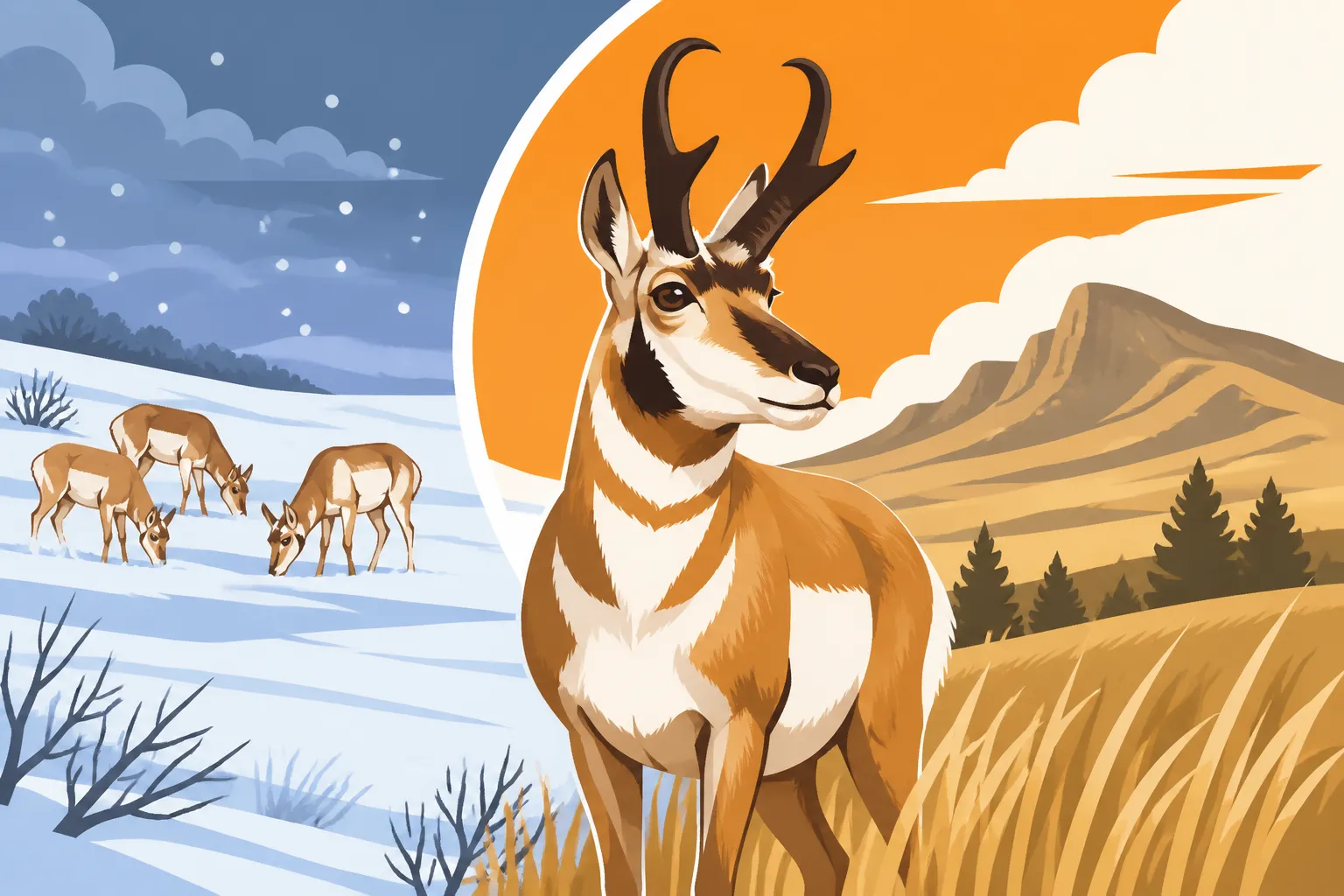
The challenges are multifaceted. Summer brings scorching sun and often drought, impacting the very forage they depend on. Winters, however, are the ultimate test. While their coarse, hollow hair provides excellent insulation, it's not enough to withstand prolonged periods of extreme cold combined with deep snow. Their small hooves are built for speed on firm ground, not for plowing through heavy drifts or breaking through icy crusts. Their diet, primarily forbs and shrubs, becomes scarce under a blanket of snow, forcing them to burn precious energy to find sustenance. The constant exposure to wind, snow, and bone-chilling temperatures makes every day a battle for survival, a reality that every hunter who spends time on the prairie understands all too well.
Historical Trends and Current Numbers
Alberta's pronghorn population has always been a story of peaks and valleys, a natural reflection of the environmental volatility of the prairie ecosystem. In the early 20th century, pronghorn numbers plummeted due to unregulated hunting, habitat loss, and severe winters. Conservation efforts, largely driven by hunters, brought them back from the brink, but their populations continue to fluctuate dramatically. We often see fantastic years with strong fawn recruitment and mild winters, leading to a surge in numbers and more tags available for lucky draw hunters. Then, just as quickly, a brutal winter hits, and the numbers can be slashed by 30%, 50%, or even more in certain areas.
Today, Alberta’s pronghorn populations are primarily found in the southeastern and south-central regions of the province, extending into Saskatchewan and Montana. According to the latest available data, these populations are generally stable, but always susceptible to those severe weather events. The province employs aerial surveys and hunter harvest data to monitor these trends closely. These numbers directly influence the number of special licenses offered each year. If you've ever applied for a pronghorn tag, you know it's a draw-only species, making success often a matter of accumulating priority points and a bit of luck. The information collected from these surveys is vital for understanding when and where to apply, and tools like GoHunt often incorporate historical draw success rates and population data to give hunters a better edge. Understanding these dynamics is crucial for anyone hoping to go "Hunting Alberta's Pronghorn Draw" or just interested in the health of this unique prairie species.
The Brutal Reality of Winter Kill Events
For hunters and wildlife managers alike, the phrase "winter kill" sends a shiver down the spine, especially when it comes to pronghorn. It's a stark reminder of nature's unforgiving side and how quickly a thriving herd can be impacted.
How Severe Winters Impact Pronghorn
When we talk about a "severe winter" in Alberta, particularly for pronghorn, we're picturing more than just a few cold days. We're talking about sustained periods of sub-zero temperatures, often dipping to -30°C or colder, coupled with significant snowfall that persists for weeks or even months. The critical factor for pronghorn isn't necessarily the initial depth of the snow, but rather the formation of a hard, icy crust on top. This crust, often caused by a brief thaw followed by a deep freeze, becomes an impenetrable barrier. Pronghorn, with their delicate hooves, simply can't break through it to access the vital forbs and grasses beneath.
Imagine trying to sprint through a frozen, knee-deep obstacle course every single day, while simultaneously trying to find food hidden under concrete. That's essentially what a pronghorn faces. Their entire survival strategy is built around speed and agility on open ground, but deep, crusted snow renders these advantages useless. They are forced to expend an immense amount of energy just to move, let alone find enough sustenance to fuel their metabolism and stay warm. This constant exertion, coupled with a lack of adequate nutrition, quickly depletes their fat reserves, leading to a downward spiral of weakening and increased vulnerability. Understanding "How Pronghorn Survive a Prairie Winter" truly highlights the fine line these animals walk every year.
Mechanisms of Winter Mortality
The direct causes of winter kill in pronghorn are primarily starvation and hypothermia, often in a devastating combination. When forage is inaccessible due to snow and ice, pronghorn slowly starve. Their bodies begin to consume their own muscle tissue for energy, leading to extreme weakness. This weakened state makes them even more susceptible to the cold. Their insulation, while effective in normal conditions, isn't enough to counteract the profound metabolic stress of starvation. Fawns and older animals are typically the first to succumb, as their energy reserves are less robust or already diminished.
Beyond starvation and hypothermia, severe winters also amplify other threats. Weakened pronghorn become easy targets for predators like coyotes and wolves, who might otherwise struggle to catch such fast-moving prey. The deep snow can also hinder their ability to migrate to traditional wintering grounds or to areas with less snow cover. When their usual travel corridors are blocked, they can become trapped in areas with insufficient food or excessive predatory pressure. It's a cruel domino effect, where one environmental stressor leads to a cascade of vulnerabilities, ultimately resulting in significant mortality across the herd. It truly exemplifies "Alberta's Winter Kill and Game Numbers" in stark terms.
Factors Beyond Just Cold and Snow
While extreme cold and deep snow are undeniably major players in winter kill events, the story of Alberta's pronghorn resilience, or lack thereof, is far more complex. It's often a combination of factors that pushes them to the brink.
Habitat Fragmentation and Fence Lines
One of the most insidious threats to pronghorn, often exacerbated by severe winters, is habitat fragmentation. The vast, open prairies that pronghorn call home are increasingly crisscrossed by roads, pipelines, and, most notably, fences. Fences are a particular problem for pronghorn because of their unique biology. Unlike deer or elk, which readily jump fences, pronghorn prefer to crawl under them. Their stiff, upright posture and inability to jump high make standard barbed-wire fences a significant barrier. While some pronghorn have learned to jump lower fences, it's not their natural escape mechanism.
During a mild winter, these fences might just be an inconvenience. But when deep snow piles up against them, or when snow drifts are crusted over, fences become deadly traps. Pronghorn attempting to escape severe conditions or reach new feeding grounds can be completely blocked. They might stand at a fence line, unable to pass, burning critical energy, and eventually succumbing to exhaustion and starvation with suitable habitat agonizingly close but unreachable. Imagine the frustration and despair of being just yards from safety but unable to move forward. This issue is so prevalent that efforts are underway in some areas to modify existing fences with smoother bottom wires or even create wildlife-friendly underpasses, though progress is slow given the immense amount of fencing on private and lease lands. This aspect of prairie life truly drives home "Why Fences Are Hard on Pronghorn".
Disease and Predation Pressures
Even in years without extreme winter conditions, pronghorn populations face ongoing pressures from disease and predation, which can compound the effects of a harsh winter. While chronic wasting disease (CWD) is a significant concern for deer and elk in Alberta, it's generally less prevalent in pronghorn, though it's always a watchful concern for wildlife managers. Other diseases, however, can sweep through a herd, especially when animals are already stressed. Respiratory infections or parasitic loads can become lethal when an animal's immune system is weakened by nutritional deficiencies.
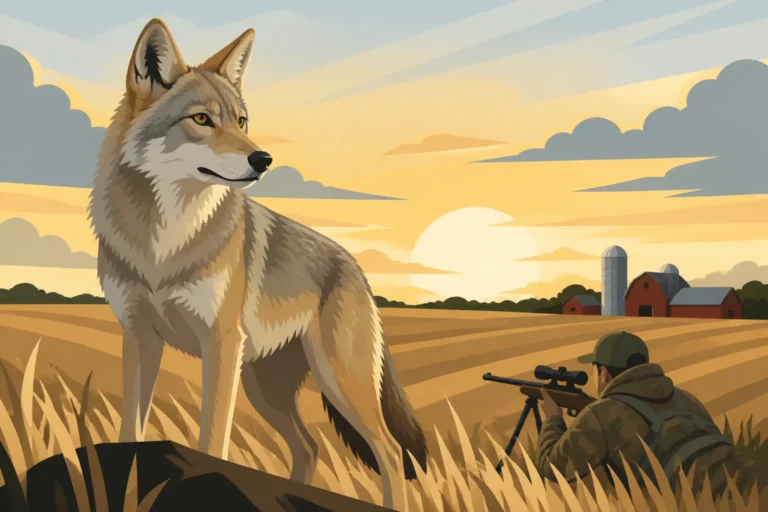
Predation is another constant. Coyotes are the primary predators of pronghorn fawns, and a strong coyote population can significantly impact fawn recruitment, which is crucial for herd growth. During severe winters, when pronghorn are weakened and slow-moving, even healthy adults become vulnerable to coyotes, wolves, and occasionally cougars, especially if they are pushed into atypical habitats closer to foothills where cougars are more common. The energy a pronghorn expends trying to evade a predator in deep snow is monumental, often leading to a fatal outcome even if they initially escape the attack. It's a grim reality that predators are often cleaning up the weakened animals, which is a natural part of the ecosystem, but it certainly doesn't help a herd already struggling from winter conditions. Learning more about "Coyote Hunting Alberta Farm Country" reveals just how common these predators are on the prairie.
Management Strategies and Conservation Efforts
Understanding the complex challenges facing Alberta’s pronghorn is one thing; actively working to mitigate those challenges and ensure the species thrives is another. This is where dedicated management strategies and ongoing conservation efforts come into play, often relying on a collaborative approach.
Monitoring and Data Collection
The first step in effective wildlife management is always robust data collection. For Alberta's pronghorn, this primarily involves comprehensive aerial surveys conducted periodically, especially after severe winters or when population trends show significant shifts. These surveys allow wildlife biologists to estimate herd sizes, assess age and sex ratios, and track distribution patterns across the vast prairie landscape. By observing which areas were hit hardest by winter or which regions show consistent growth, managers can make informed decisions.
Beyond aerial surveys, hunter harvest data plays a crucial role. When hunters successfully fill their tags, reporting that harvest provides valuable information on age, sex, and location of the animals taken. This data, combined with CWD surveillance efforts in specific zones, paints a more complete picture of herd health. This detailed monitoring directly influences the number of special licenses issued each year for species like pronghorn, ensuring that hunting pressure remains sustainable and responsive to population changes. Reputable hunting resources like GoHunt often compile and analyze this public data, making it easier for hunters to research specific WMUs and understand the historical success rates and population trends before applying for a special draw, especially for highly sought-after species.
Habitat Improvement and Mitigation
While we can't control the weather, we can certainly work to improve the habitat and mitigate some of the human-made obstacles that exacerbate winter kill. One of the most significant areas of focus is addressing the issue of fence lines. Conservation groups, often in partnership with landowners and the province, initiate projects to modify or remove problematic fences. This can involve replacing traditional barbed wire with smooth wire at the bottom to allow pronghorn to crawl under more easily, or creating designated "pronghorn-friendly" fence designs that are easier to navigate. In some cases, entire sections of fence are removed in key migratory corridors.
Another crucial aspect of habitat improvement involves enhancing winter range. This might include working with ranchers on grazing management strategies that leave sufficient forage available for wildlife during critical winter months. Protecting existing native grasslands from further fragmentation and development is also paramount. Conservation organizations like the Alberta Conservation Association and Ducks Unlimited Canada play a vital role in securing and managing crucial habitat through land acquisitions, easements, and partnerships. These efforts aim to ensure that pronghorn have the open, accessible, and nutritious habitat they need to withstand the inevitable harsh winters, providing better odds for "Hunting Pronghorn Near a Water Source" or feeding areas even when conditions are tough.
The Hunter's Role and Perspective
As hunters, our connection to Alberta's wildlife runs deep, and that certainly includes the iconic pronghorn. Understanding the challenges these animals face isn't just academic; it informs our approach to the hunt and solidifies our commitment to conservation.
Adapting to Fluctuating Populations
Hunting pronghorn is inherently linked to the health of their populations. When a severe winter causes a significant winter kill, hunters feel the impact directly through reduced special license quotas or increased difficulty in drawing a tag. It can be frustrating to see the odds drop, especially if you've been putting in for the draw for years. But this fluctuation is a critical part of sustainable management. Wildlife managers must respond to these population shifts by adjusting harvest levels to allow herds to recover, ensuring a future for the species.
For the savvy hunter, adapting means more than just accepting lower draw odds. It means intensifying your scouting efforts in available WMUs, perhaps using satellite imagery and historical data, which resources like GoHunt excel at providing. It means understanding that a tough winter might lead to fewer mature bucks, or that animals might be concentrated in specific, more sheltered areas. Your strategy for "Glassing Alberta Prairie for Pronghorn" or "Stalking Pronghorn Across Open Ground" might need to be fine-tuned based on recent population trends. Being adaptable and patient is key; the "boom and bust" cycle is a reality on the prairie, and those who understand and respect it are often the most successful and fulfilled hunters in the long run.
Ethical Considerations and Contribution
Hunters have always been, and continue to be, at the forefront of wildlife conservation. This is particularly true for species like pronghorn, which require careful management. Our license fees directly fund the research, monitoring, and habitat projects that benefit pronghorn and countless other species across the province. Beyond financial contributions, ethical hunting practices are paramount, especially when populations are recovering from a winter kill.
This includes diligent scouting, accurate shot placement, and a commitment to retrieving every animal. It also means respecting private landowners and understanding the regulations designed to protect the resource. When you apply for a special pronghorn license, you're not just buying a tag; you're investing in the future of the species. By participating in CWD surveillance, reporting your harvest accurately, and simply being an educated and responsible ambassador for hunting, you contribute directly to the long-term health and viability of Alberta's unique pronghorn herds. Every time you lace up your boots to chase the prairie ghost, you're part of a larger conservation story, helping ensure that future generations can also experience the thrill of "What a Pronghorn Buck Weighs" after a successful hunt.
Factors Affecting Alberta Pronghorn Health and Hunting
To summarize some of the key factors at play when considering Alberta's pronghorn, here's a brief overview:
| Factor | Impact on Pronghorn Health | Impact on Hunting Opportunities |
|---|---|---|
| Severe Winter Kill | High mortality, especially fawns/old animals. | Reduced tag quotas, lower draw odds. |
| Mild Winters | Strong fawn survival, increased herd growth. | More tags available, better draw odds. |
| Habitat Fragmentation | Restricted movement, especially in winter. | Limits accessible hunting areas, animal movement. |
| Fence Lines | Barrier to migration/forage access, physical injury. | Funnels animals, but can also impede access. |
| Drought | Reduced forage quality/quantity, water stress. | Animals concentrated near water sources. |
| Predation | Mortality, especially fawns and weakened adults. | May reduce overall population numbers. |
| Disease (e.g., CWD) | Localized mortality, population stress. | Mandatory testing in some WMUs, carcass rules. |
| Conservation Efforts | Habitat improvement, fence modifications, monitoring. | Sustainable hunting, future opportunities. |
Alberta's pronghorn are a testament to nature's resilience, but they also highlight the delicate balance of prairie ecosystems. As hunters, understanding these factors deepens our appreciation for these incredible animals and strengthens our role as stewards of the land.
Disclaimer
Please remember that hunting regulations, seasons, and access rules in Alberta can change. Always consult the most current Alberta Hunting Regulations published by Alberta Environment and Protected Areas (AEPA) before planning any hunt. This information is for general guidance and educational purposes only.