What a Pronghorn Buck Weighs
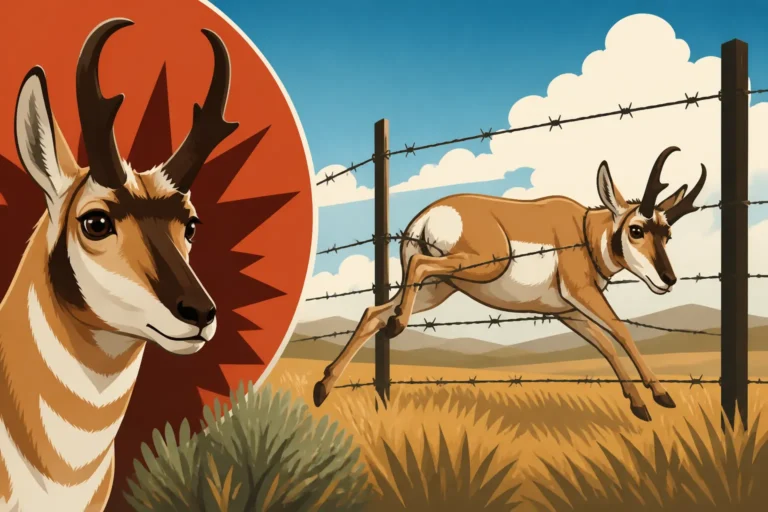
One of the most thrilling pursuits on the open plains of Alberta is hunting pronghorn, often called the "ghosts of the prairie." Their incredible speed and keen eyesight make them a formidable challenge, and for many hunters, especially those new to this unique species, there's a natural curiosity about their actual physical size. It can be hard to judge these animals at a distance, making it tough to truly appreciate their weight until you're up close. This guide aims to demystify the typical weight of an Alberta pronghorn buck, delve into the factors that influence their size, and offer practical tips for field estimation.
Understanding the Average Weight of an Alberta Pronghorn Buck
When you picture a pronghorn, you likely imagine a sleek, fast animal built for speed across vast expanses. While they might appear smaller than a whitetail or mule deer, a mature Alberta pronghorn buck still carries a respectable amount of weight, especially considering their lean, athletic build. These animals are truly unique to North America, and their body structure is perfectly adapted to their environment.
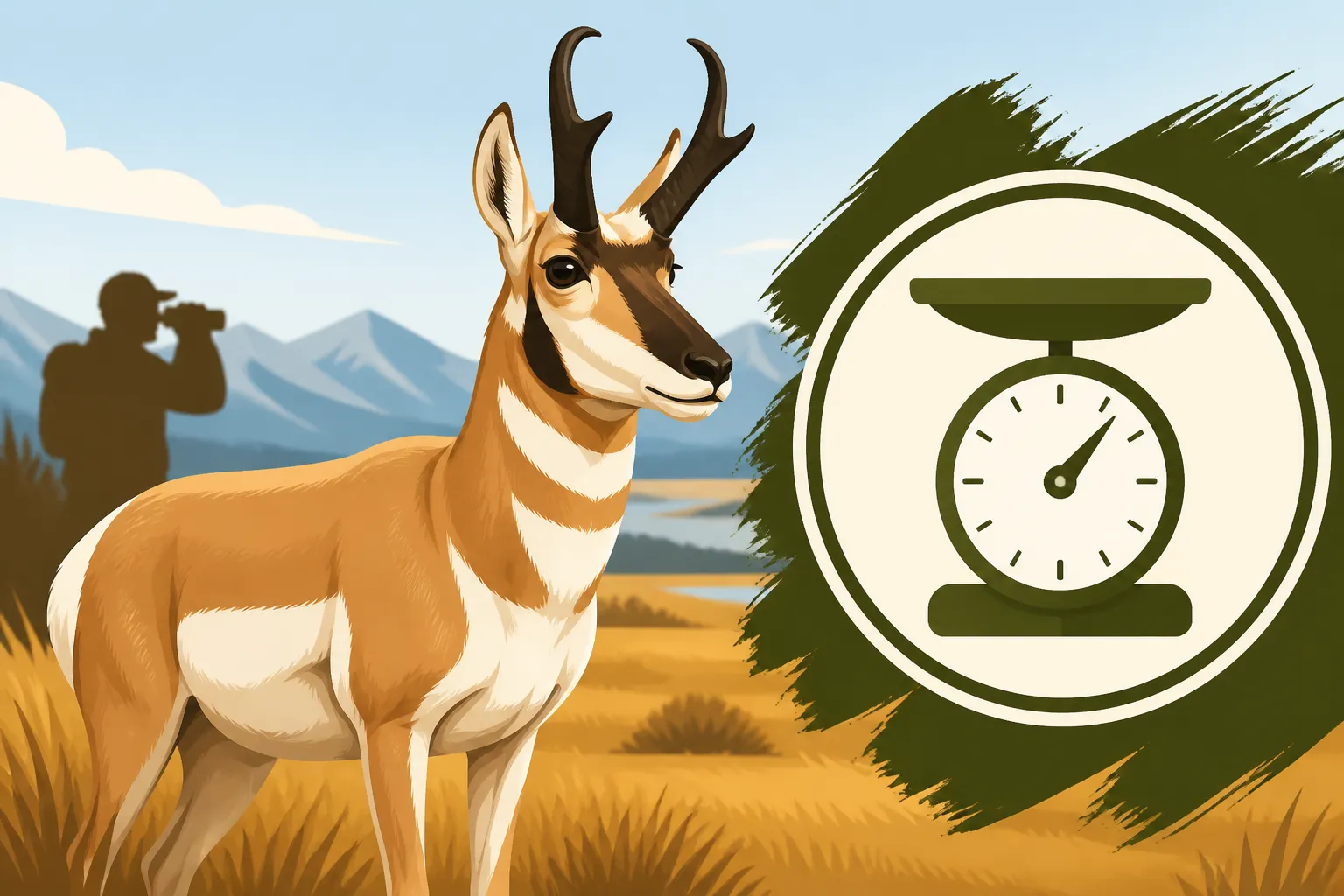
Typically, a mature Alberta pronghorn buck will have a live weight ranging from about 100 to 140 pounds, with some exceptional individuals pushing closer to 150 pounds or even slightly more. These are not massive creatures like moose or elk, but they are sturdy and well-muscled. The dressed weight, which is what most hunters are concerned with for packing out and processing, will naturally be less. You can generally expect a dressed weight to be around 65% to 75% of the live weight. So, a 120-pound buck might yield a dressed weight of 78 to 90 pounds. This percentage can vary slightly depending on how thoroughly the animal is field-dressed and if the head is removed. Understanding this difference is crucial for hunters planning their retrieval strategy and anticipating how much meat they'll be bringing home.
Comparing a pronghorn buck's weight to other common Alberta big game species really puts it into perspective. A mature whitetail buck in Alberta, especially from the productive agricultural regions, can easily tip the scales at 180 to 250 pounds live weight, with some giants exceeding 300 pounds. Mule deer bucks, particularly those in the prairie and badlands, often range from 200 to 300 pounds live weight. You can see from these figures that pronghorn are considerably smaller than both deer species, which is why proper shot placement and quick recovery are even more critical for these delicate animals. Their smaller stature means less body mass to absorb a hit, and their incredible speed allows them to cover significant ground quickly if not anchored immediately. Knowing these weight ranges helps hunters prepare not just for the shot, but for the entire process of recovery and game handling, ensuring the meat is cared for properly, especially when hunting Meat Care in Alberta's Cold and Warm Swings.
The overall lean muscle mass of a pronghorn is a testament to their lifestyle. They are herbivores, primarily grazing on grasses, forbs, and shrubs, converting these resources into explosive energy. This diet, combined with a constant need to evade predators on the open prairie, results in a low body fat percentage compared to, say, a whitetail that might store more fat for winter. Their relatively small size means that every pound of meat is precious, and respecting the animal by minimizing waste and ensuring rapid cooling is paramount. For hunters specifically targeting Pronghorn on Alberta's Southern Prairie, the average weight is a good indicator of the general health and productivity of the herd in that specific region.
Key Factors That Influence Pronghorn Buck Weight
A pronghorn buck's weight isn't static; it's a dynamic figure influenced by a complex interplay of environmental factors, age, and genetics. Understanding these variables can give you a better appreciation for the animal you're pursuing and even help you estimate their potential size in the field. The vast and often challenging landscapes that pronghorn call home play a massive role in their development.
One of the most significant factors is age. Like all big game animals, younger bucks will naturally weigh less than their mature counterparts. A yearling buck might only weigh 80-100 pounds live, still growing into his frame and allocating much of his energy to skeletal and muscle development rather than sheer mass. A prime, fully mature buck, typically between 3.5 and 6.5 years old, will have reached his maximum body weight. These are the bucks that hunters are usually targeting, not just for their horn size but for their robust body condition. After this peak, some very old bucks might start to decline slightly in weight as their bodies begin to wear down, though they can still be impressive animals. When you're Glassing Alberta Prairie for Pronghorn, try to discern body mass beyond just the headgear.
Nutrition and habitat quality are arguably the most critical environmental influences. Pronghorn thrive on vast, open grasslands and semi-arid regions where a diverse array of grasses, forbs, and shrubs are available. Areas with consistent rainfall and healthy vegetation growth mean more abundant and nutritious forage, leading to heavier, healthier animals. Conversely, prolonged droughts or harsh winters can severely impact forage availability and quality, resulting in lighter body weights and lower overall herd health. Alberta's southern prairie, where pronghorn are predominantly found, offers varying conditions year to year. A year with good spring and summer rains can produce exceptional growth, while dry years can really put a strain on the herd. Factors like access to water, especially during hot summer months, are also vital. Hunting Pronghorn Near a Water Source often yields animals that are in excellent condition.
Genetics also play a subtle but undeniable role. While hard to discern in the field, certain bloodlines within a herd might naturally carry genes for larger body size, just as they might for larger horn growth. These genetic predispositions, combined with optimal environmental conditions, are what lead to the occasional "monster" buck that exceeds average weights. It's a combination of the right genes meeting the right environment that allows for maximum expression of potential. Finally, the time of year causes significant fluctuations in a buck's weight. During the summer and early fall, leading up to the rut, bucks are typically at their heaviest. They've had months of abundant forage to build up reserves. However, the energy demands of the rut are immense. Bucks are constantly chasing does, fighting rivals, and often neglecting feeding. Post-rut, especially heading into late fall and early winter, a buck can lose a significant percentage of his body weight – sometimes 20% or more. This is why a buck harvested in October might be noticeably heavier and in better condition than one taken in a late November season. How Pronghorn Survive a Prairie Winter also dictates how much weight they might have to lose to make it through the lean months.
Field Estimation and Practicalities for Hunters
Successfully pursuing pronghorn on the sprawling Alberta prairie involves a keen eye and a solid understanding of these animals, not just their habits, but also their physical characteristics. Estimating a buck's weight in the field is a crucial skill, helping you assess an animal's maturity and plan for its recovery. Beyond the shot, practical considerations like meat care and packing out are paramount for preserving your harvest in the often-challenging prairie environment.
When you're out Stalking Pronghorn Across Open Ground, visual cues are your primary tools for estimating weight. Look for overall body mass and proportions. A mature buck will have a deep chest, well-muscled shoulders, and a thick neck, especially during the pre-rut and rut phases. His legs will appear strong and well-developed. Younger bucks, by contrast, tend to look lanky and less filled out, with thinner necks and a more juvenile appearance. Pay attention to how the body fills out behind the front legs and through the midsection. A buck with a "potbelly" might be older, but one with a solid, blocky build is likely in his prime. Remember that the vastness of the prairie can play tricks on your eyes, making animals appear smaller or further away than they truly are. Using good quality optics, like those you might explore on GoHunt, can make a huge difference in accurately judging body size and condition.
While antler size is often the primary focus for trophy hunters, it doesn't always directly correlate with body weight, though larger-horned bucks are typically mature and thus heavier. A buck with exceptional horn length or mass is almost certainly a mature animal, which means he's likely in his peak body weight range. However, you can sometimes find a buck with modest horns that still carries an impressive amount of body weight, especially if he's older and past his prime for antler growth but still in good health. The inverse is also true: a young buck with surprisingly good horns for his age might still have a relatively lighter body. Always assess the whole animal. Look for that deep body, thick neck, and solid build first, and then consider the antlers.
Once a pronghorn buck is on the ground, the reality of field dressing and packing out sets in. Due to their relatively smaller size, pronghorn are often field-dressed whole, meaning the entrails are removed, but the carcass is not quartered or deboned immediately. This reduces the weight you need to carry significantly, typically by 25-35%. However, the open prairie environment, especially during the warmer early season, demands swift action to cool the carcass. Get the hide off quickly if conditions allow, or at the very least, get the animal open and elevated to allow air circulation. A pronghorn's tender meat can spoil rapidly if not cared for. Packing out often involves long walks back to a vehicle across uneven ground. Even a "light" 80-pound dressed carcass can feel like a ton after a mile or two. Consider bringing a game cart or having a hunting partner to help share the load. Planning ahead for retrieval, whether it's a vehicle approach or a multi-person pack-out, is essential for every pronghorn hunter. Safety is also paramount, and proper preparation for hunting in the open country can be found in resources about Hunting Alberta Winter Weather Safely or even general outdoor preparedness.
| Species | Average Live Weight (Buck/Bull) | Average Dressed Weight (Buck/Bull) | Notes |
|---|---|---|---|
| Pronghorn Buck | 100-140 lbs | 65-100 lbs | Lean, athletic build. Max weight typically in early fall. |
| Whitetail Buck | 180-250 lbs | 115-180 lbs | Highly variable by region and age, can exceed 300 lbs in productive areas. |
| Mule Deer Buck | 200-300 lbs | 130-220 lbs | Generally heavier bodied than whitetails, especially in good habitat. |
| Elk Bull | 600-900 lbs | 390-630 lbs | Significantly larger, requiring extensive field quartering. |
| Moose Bull | 900-1400 lbs | 585-1000 lbs | Alberta's largest big game, often requiring multiple trips or special equipment for extraction. |
Disclaimer
This article is for general informational purposes only and does not constitute professional advice. Laws, prices and regulations vary by location and change over time. Consult a qualified professional for guidance on your specific situation.