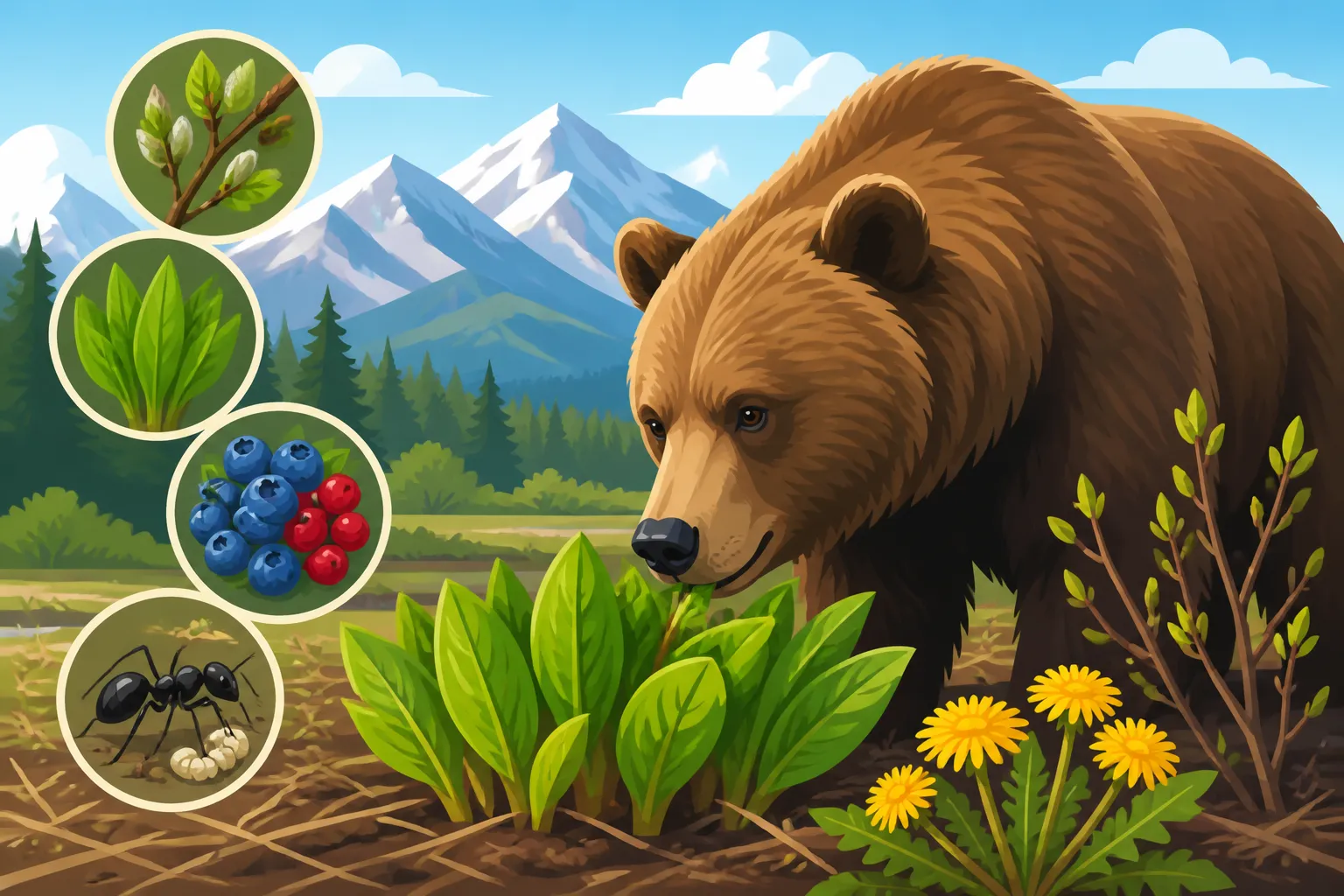
What Bears Eat in Spring
For anyone who’s ever stared out at the still-frozen landscape in March or April, wondering where the first black bears might emerge, the question of "what bears eat in spring" isn't just about curiosity—it's about understanding their very survival. After months of hibernation, bears are literally walking skeletons, needing to replenish their reserves and fuel their bodies, especially sows with hungry cubs. This isn't just a simple foraging expedition; it's a critical, often desperate, quest for the most calorie-rich and readily available food sources to kickstart their metabolism and put on much-needed weight. If you're hoping to cross paths with a bear, knowing their dinner menu is half the battle won.
The Post-Hibernation Feast: Why Spring Foraging Is So Critical
When bears finally stir from their dens in Alberta, they’re not just groggy; they’re starving. Think about it: they've been burning through stored fat for months, their digestive systems have essentially shut down, and they've lost a significant portion of their body weight. For a sow, the stakes are even higher, as she might emerge with brand new cubs that are completely dependent on her ability to find food. This initial period of spring foraging is absolutely vital for their immediate recovery and the long-term health of the entire population. It's not just about filling an empty stomach; it's about repairing their bodies, kickstarting their metabolism, and regaining the strength needed to navigate the challenges of the coming year.
The first few weeks after denning are characterized by a desperate search for anything digestible. Their systems need to slowly re-acclimate to processing food, so they often start with easily digestible, high-moisture vegetation to get things moving. They’re like us trying to eat a full steak dinner after a liquid diet—it’s not going to go well immediately. Instead, they seek out soft, palatable greens that offer hydration and gentle nutrition. This explains why certain areas green up first and become bear magnets. When Bears Come Out of the Den will tell you more about the timing.
Beyond the immediate need for sustenance, spring feeding also dictates where bears will spend their time as the season progresses. An area rich in early spring food sources will become a prime hunting ground for bears, and by extension, a prime scouting ground for hunters. Understanding these dietary shifts is fundamental to patterning bear movements and increasing your chances of success during Spring Bear Hunting Alberta's Cutblocks or other early season hunts.
The Green-Up: Early Spring Vegetation
As the snow melts and the sun begins to warm the ground, the very first signs of green become absolute magnets for hungry bears. These aren't just random plants; bears are incredibly selective, seeking out specific types of vegetation that offer the most nutritional bang for their buck after their long winter fast.
Emerging Grasses and Forbs
One of the first things a black bear will seek out are the tender, newly emerging grasses and forbs (broad-leafed herbaceous plants) that push through the thawing soil. Think about those south-facing slopes, the ones that catch the sun's warmth first and shed snow quickest. These areas are like prime buffet lines for bears. The young shoots are packed with water, which helps rehydrate their systems, and they offer essential vitamins and minerals. While not incredibly high in calories, this initial green material acts like a digestive system restart, gently getting their gut bacteria working again. You’ll often find bears grazing almost like cattle in these spots, patiently consuming large quantities of greens to get their systems back in order. These areas are key spots to target when considering Black Bear Hunting in Alberta.
Bears are particularly fond of the new growth around riparian areas, creek bottoms, and the edges of meadows where moisture is plentiful. The soft, non-fibrous nature of these early plants is much easier on their system than the tough, woody material they might eat later in the season. Using a mapping application like GoHunt, you can often identify prime south-facing slopes or low-lying, moist areas that will be the first to green up in a specific Wildlife Management Unit.
Dandelions, Clover, and Asparagus
Beyond generic grasses, specific plants are absolute superfoods for spring bears. Dandelions, for instance, are high in calcium, potassium, iron, and vitamins, making them a fantastic tonic for a post-hibernation bear. You’ll see them methodically grazing through lawns, clearings, and fields once these bright yellow flowers appear. Clover, another common plant in disturbed areas like clearcuts or old logging roads, also offers valuable protein and nutrients.
Even wild asparagus, if present in an area, can be a target. These plants offer slightly more substance than just grass, contributing to the bear’s ability to rebuild muscle and fat stores. Knowing where these specific plants thrive in your hunting area can give you a significant advantage. It's not just about looking for any green; it's about looking for the right green. Many hunters use tools like GoHunt to scout areas, looking for green-up patterns or identifying potential winter kill zones that might attract bears.
| Food Source | Nutritional Value (Spring) | Bear Behavior | Prime Location (Alberta) |
|---|---|---|---|
| Emerging Grasses | High water content, mild nutrients | Grazing, digestive system reset | South-facing slopes, meadows, clearcuts, creek bottoms |
| Dandelions/Clover | Vitamins, minerals, some protein | Intensive foraging, methodical grazing | Openings, disturbed soil, old logging roads, farm edges |
| Winter Kill/Carrion | High protein, fat (if fresh) | Opportunistic scavenging, strong scenting | Valleys, drainage bottoms, dense timber, burn areas |
| Ants/Grubs | Protein, fat | Tearing apart logs/stumps, digging | Old growth forests, deadfall piles, rotting wood |
| Newborn Ungulates | High protein, fat | Active predation (less common for black bears) | Calving/fawning grounds, dense cover, river valleys |
| Roots/Tubers | Carbohydrates, minerals (less common) | Digging, focused foraging | Moist soil, riparian zones, disturbed ground |
Protein Power-Ups: Animal Matter and Carrion
While fresh greens are crucial for getting a bear's system back online, they don't provide the dense caloric and protein punch needed for rapid recovery and growth. This is where animal matter comes into play, offering a significant boost that can make all the difference, especially for a lean bear.
Winter Kill and Scavenging Opportunities
Alberta's winters can be brutal, and unfortunately, some animals don't make it. Deer, elk, and moose can succumb to deep snow, extreme cold, or predation, leaving behind carcasses that are a goldmine for an opportunistic black bear. As the snow melts, these "winter kill" sites become prime targets. Bears have an incredible sense of smell, and they can detect a carcass from a long distance, often traveling miles to investigate a scent cone. Finding a good winter kill site is like hitting the jackpot; it’s a concentrated source of high-energy fat and protein that a bear needs desperately in the spring.
Bears will spend days, sometimes weeks, on a large carcass, guarding it fiercely from other scavengers. These sites are often in dense timber, at the bottom of steep ravines, or along creek beds where animals might have sought shelter and then perished. Learning to identify these potential winter kill locations on a topo map or by using satellite imagery from platforms like GoHunt can be a crucial scouting technique. Look for dense pockets of timber, north-facing slopes where snow lingers, or areas where large ungulate herds tend to winter. This behavior also makes a strong case for effective Meat Care in Alberta's Cold and Warm Swings when you harvest your own animal, as bears are always on the lookout.
Newborn Calves and Fawns
As spring progresses into late May and early June, a new, highly nutritious food source becomes available: the newborn young of ungulates like moose, elk, and deer. While black bears aren't typically top-tier predators like wolves or cougars, they are incredibly opportunistic. A wobbly, naive newborn calf or fawn represents an easy meal. Sows with cubs, in particular, will actively seek out these vulnerable prey items to provide high-quality protein and fat for their growing offspring.
Areas where ungulates calve or fawn, such as dense willow bottoms, thick re-growth in clearcuts, or secluded river valleys, become high-traffic zones for bears. The fawns and calves are often left hidden by their mothers for extended periods, making them susceptible to a bear that happens to stumble upon them. This shift in diet means bears will expand their search patterns from just green-ups to areas providing security cover for young ungulates. Knowing where Alberta's black bear numbers are will help you identify areas where this interaction is more likely.
Insects and Larvae
While less glamorous than a deer carcass, insects and their larvae are another significant protein source for spring bears. As logs and stumps begin to rot and dry out, they become nurseries for beetles, ants, and other invertebrates. Bears will spend hours tearing apart decaying wood, flipping over rocks, and digging into ant hills to get at these protein-rich snacks. You'll often see evidence of this foraging activity in the form of shredded logs and disturbed ground in forested areas.
This diet component is particularly important in areas where larger carrion or ungulate young are scarce. It shows the incredible adaptability of black bears – they are truly omnivores, capable of extracting sustenance from a wide variety of sources. If you're hunting in thick timber where deer aren't as prevalent, looking for signs of bears tearing apart old stumps could be a key indicator of their presence.
Transitioning to Berries and Beyond: The Shifting Spring Diet
As spring slowly gives way to early summer, the landscape transforms, and with it, the bears' dietary options. This transition is gradual, influenced by local climate, elevation, and the progression of plant life. Understanding this shift is vital because it means bears won't be in the same exact feeding spots throughout the entire spring season. Their movements will change as new food sources become available.
Early Berries and Fleshy Fruits
Towards the tail end of spring, usually in late June in most of Alberta, the first berries begin to ripen. While the main berry crops like saskatoons, raspberries, and blueberries truly hit their peak in summer, some early varieties or even late-persisting dried berries from the previous year can become appealing. These are crucial carbohydrate and sugar sources, offering a different kind of energy boost than the greens or protein sources. As these begin to appear, bears will start to shift their focus from the purely protein-driven diet of early spring to one that incorporates more sugars.
Think about areas with chokecherries, cranberries, or even the remnants of high-bush cranberries from the previous fall. These locations, especially clearings or forest edges with good sun exposure, will start to see increased bear activity. A bear's diet is all about efficiency – getting the most calories for the least amount of effort. If a patch of early berries offers an easy feast, they'll be there. This is a good time to remember the lessons from Colour Phase Black Bears in Alberta, as different colorations can make them harder to spot in varied terrain.
Roots, Bulbs, and Other Underground Delicacies
While not a primary food source for all bears throughout spring, some individuals, or bears in specific regions, will supplement their diet with roots and bulbs. They possess strong claws perfectly adapted for digging. Plants like wild parsnips or various types of lilies and sedges have starchy roots or bulbs that offer carbohydrates. This type of foraging usually occurs in areas with softer soil, such as creek banks, riparian zones, or recently disturbed ground like old clearings or road grades.
Digging for roots requires more effort than grazing on greens or scavenging carrion, so it tends to be a secondary feeding behavior when other, more readily available food sources are scarce. However, finding signs of extensive digging could indicate a bear's presence, especially in areas where traditional spring food sources are limited due to environmental factors or high competition.
The Importance of Variety and Adaptability
The black bear's spring diet is a masterclass in adaptability. They start with easily digestible greens to re-activate their systems, quickly move to high-protein carrion or vulnerable young ungulates for vital energy, and then transition to sugars from early berries and even roots as the season progresses. This varied approach ensures they can thrive in diverse environments and respond to the fluctuating availability of food.
For the hunter, this means being flexible and constantly re-evaluating where bears might be feeding. A spot that was hot in early April for green-up might be dead in late May if the bears have moved to an area with fresh fawns or emerging berries. Utilizing tools like GoHunt and staying updated on local conditions, including green-up progress and any recent winter kill reports, is key to staying ahead of their movements. Remember, understanding their diet is essentially understanding their playbook.
Disclaimer
This article is for general informational purposes only and does not constitute professional advice. Laws, prices and regulations vary by location and change over time. Consult a qualified professional for guidance on your specific situation.