When Sandhill Cranes Move Through
One of the biggest head-scratchers for us Alberta hunters, especially when it comes to migratory birds, is pinpointing exactly when the big pushes happen. It’s not like deer that live here year-round; these birds are just passing through, and if you miss that narrow window, you're out of luck. This guide is all about helping you understand the migration patterns of Sandhill Cranes through Alberta so you can time your hunts perfectly and be where the birds are when they decide to move.
Understanding Sandhill Crane Migration in Alberta
Sandhill Cranes are truly magnificent birds, and their journey through Alberta is a spectacle. For hunters, understanding their migratory calendar is absolutely essential. These aren't resident birds that stick to a particular quarter section; they're driven by instincts tied to breeding grounds far north and wintering grounds far south. This means their presence in Alberta is fleeting, but predictable if you know what to look for. It's a dance between the changing seasons and the ancient rhythms of their species, and we're here to learn the steps.
The Spring Shuffle: Arrival and Staging
While most of us hunters are focused on fall, it's worth noting that Sandhill Cranes do make a significant appearance in Alberta during the spring. This movement often starts as early as late March in the southern parts of the province, pushing into April and even early May further north. They're typically making their way to breeding grounds in the northern boreal forests of Alberta, other parts of Canada, and even Alaska. This isn't usually a hunting opportunity, as spring seasons for cranes are closed, but it's an important part of their annual cycle that influences their fall return.
During this spring migration, you’ll see smaller, more scattered groups compared to the massive fall congregations. They're often fueling up on waste grain in fields, much like geese, but they tend to be a bit more spread out. You might spot them in wetlands, staging for their next leg of the journey, or patiently probing fields after the snow has receded. For keen observers, noting these spring patterns can give you valuable clues about potential fall staging areas. They often use similar corridors and rest stops year after year, so paying attention to where they show up in March and April can be a subtle form of early scouting for the following fall. It’s like getting a sneak peek at the main act.
Summering Grounds: A Brief Respite
Once spring migration wraps up, most Sandhill Cranes have moved on to their northern breeding grounds. They'll spend the summer months nesting and raising their young in remote wetland areas, often far from human disturbance. These aren't the big, agricultural areas where we typically hunt them. During this time, they’re dispersed, focused on their family units, and generally out of sight for most of us who aren't specifically looking for them in their more secluded summer habitats. This period is crucial for replenishing their numbers before the demanding southward journey begins again.
However, some non-breeding cranes, or those that had unsuccessful nesting attempts, might summer in various parts of Alberta. You might see smaller flocks or pairs in more isolated wetlands or even some agricultural areas, particularly in the northern reaches of the province. While their numbers are much lower, these resident birds can sometimes provide early opportunities for local hunters, though the main event is always the large migratory push. It’s important to remember that these birds are not static; even during summer, they might move between different feeding and roosting sites, though on a much smaller scale than during the actual migration. This quiet period is simply the calm before the storm of their grand autumn departure.
The Autumn Grand Departure: Peak Season for Hunters
Now, this is the time every Sandhill Crane hunter in Alberta gets excited about! The fall migration is when these magnificent birds truly gather in force, creating the hunting opportunities we all dream of. The general window for their main push through Alberta typically starts in late August and can run through September, sometimes even into early October in southern areas if the weather holds. However, like all migratory birds, their timing is heavily influenced by factors we'll discuss shortly. You can find the specific legal hunting dates in the Alberta Sandhill Crane Season Dates regulations.
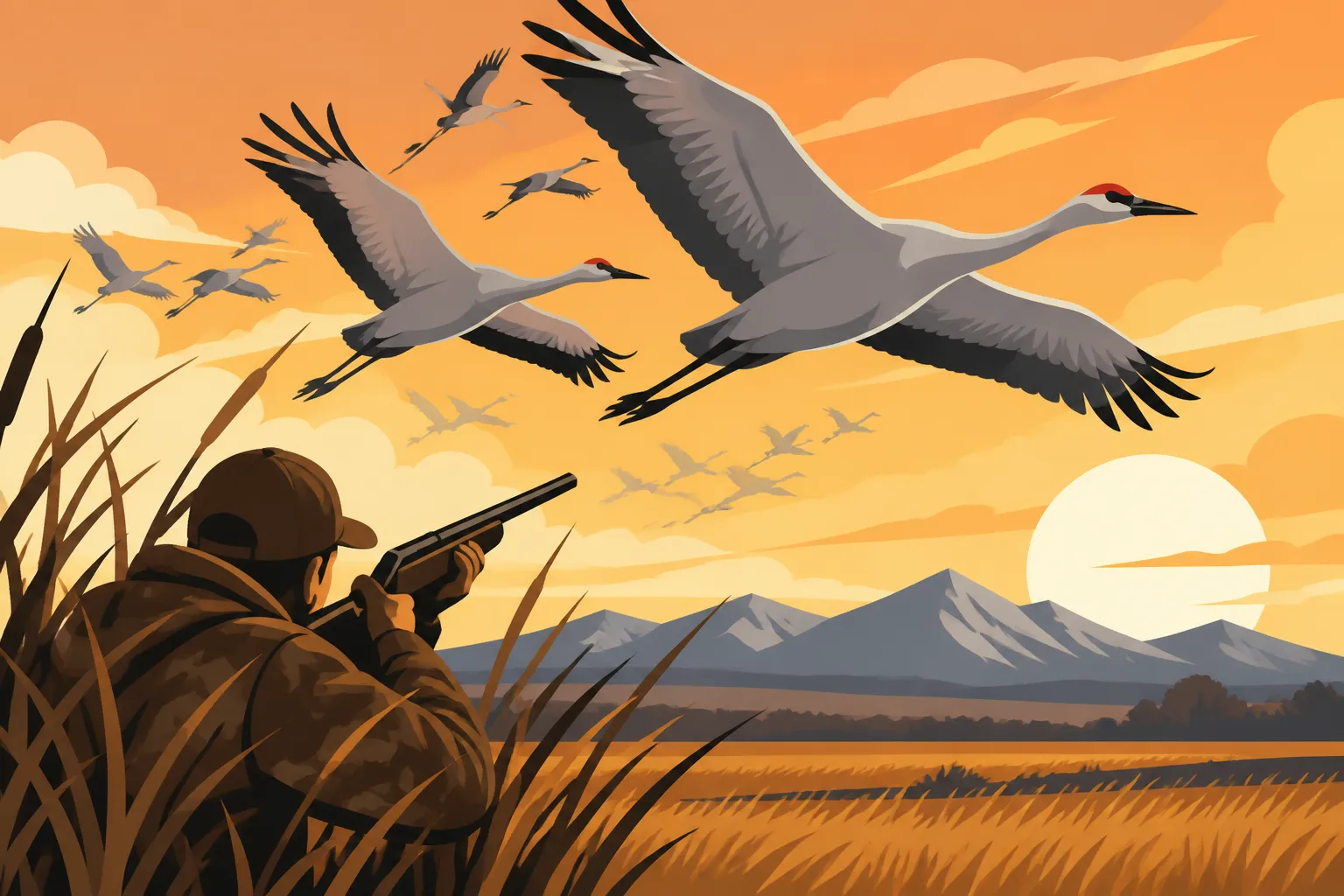
The peak of the migration usually occurs through September. This is when the birds, having finished their breeding cycle up north, begin their southward journey to wintering grounds in the southern United States and Mexico. They'll funnel through Alberta, congregating in massive flocks in staging areas, particularly in the vast grain fields of central and southern Alberta. These fields, often filled with swathed or standing cereal grains like barley, wheat, or peas, provide the crucial energy reserves they need for their long flight. This is the moment to be out scouting, setting up those spreads, and preparing for what can be an incredible hunting experience. It’s an exciting time, a true highlight of the fall hunting calendar for many. We’ll talk more about how to capitalize on this later on in Hunting Alberta's Sandhill Crane Season.
Factors Influencing Sandhill Crane Movement
While we can talk about general timelines, any seasoned hunter knows that "general" often gets thrown out the window by Mother Nature. Sandhill Crane migration is a dynamic event, and several key factors dictate exactly when and where these birds will show up. Understanding these influences can give you a significant edge in predicting their movements and being in the right place at the right time. It's not just about looking at a calendar; it's about reading the signs in the sky and on the ground, and adapting your plans accordingly.
Weather Patterns and Their Impact
Weather is arguably the single biggest driver of Sandhill Crane migration. A strong cold front pushing down from the Arctic is like a starting gun for these birds. They’ll often hold back on their northern staging grounds until those first real blasts of cold air and even snow signal that it's time to go. Once that cold hits, they can move through very quickly. If you’re seeing significant drops in temperature, especially further north in the province, accompanied by north winds, you can bet the cranes are on the move. Conversely, a mild, extended fall can delay their departure, sometimes keeping them in Alberta well into October, offering a longer hunting window.
Heavy rain can also affect their movement, often causing them to hunker down until conditions improve. However, persistent rain combined with dropping temperatures can spur them to move faster. Wind direction is another critical factor. Strong tailwinds from the north can push large numbers of birds south rapidly, while persistent headwinds can slow them down significantly, causing them to concentrate in staging areas for longer periods. Keeping a close eye on long-range forecasts, especially for regions north of you, is an invaluable tool. Using resources like GoHunt's weather overlay on their mapping tools can really help you visualize these fronts and predict when those big flights are likely to occur. It’s all about being proactive, not reactive, when it comes to migratory birds.
Food Sources and Staging Areas
Like all migratory birds, Sandhill Cranes need to refuel constantly during their epic journeys. Alberta, with its vast agricultural lands, provides crucial staging areas rich in caloric energy. They primarily feed on waste grain left in fields after harvest. This means that the timing of local harvests directly impacts where and when cranes will concentrate. Early harvests in northern regions might attract birds sooner, while later harvests in the south could hold birds longer. They prefer open fields where they have good visibility, making them feel safer from predators, and they'll often roost in shallow wetlands or open stubble fields nearby.
Identifying these key feeding areas and potential roost sites is paramount for hunters. Cranes are creatures of habit, often returning to the same general areas year after year if food and safety conditions remain favourable. Scouting with tools like GoHunt satellite imagery can help identify suitable fields and wetlands, but nothing beats boots on the ground observation. Look for fields with visible waste grain – swathed barley, pea fields, or even corn can be huge attractants. Understanding the local agricultural cycle and watching for harvest progress is just as important as watching the weather. It's like a giant buffet; they'll go where the best food is, and they'll stay until it's gone or the weather forces them south. If you’re going to be Hunting Alberta's Sandhill Cranes Over Decoys, knowing these spots is non-negotiable.
Breeding Cycles and Family Units
While not as immediately impactful on migration timing as weather or food, the breeding cycle also plays a role. Sandhill Cranes, like many bird species, stay with their young throughout the summer and even into the early stages of migration. You’ll often see family groups, usually a pair with one or two juveniles, within the larger flocks. The success of their breeding season and the development of the young can subtly influence when they are ready to begin their southward trek. Healthy, well-developed young are better equipped for the long journey, and a successful breeding season might mean larger numbers of birds moving through.
The family unit dynamic also impacts their behaviour during migration. They tend to stick together, and the older birds often guide the younger ones. This means that entire flocks can be quite cohesive in their movements. Hunters might notice distinct family groups within the larger congregations, behaving slightly differently than the big bachelor flocks of geese. While we don't directly influence their breeding success, understanding this aspect of their life cycle gives us a fuller appreciation for these amazing birds and why they move in the patterns they do. It’s a testament to the cycles of life and nature that drive these migrations.
Pinpointing Prime Hunting Opportunities
Knowing when Sandhill Cranes generally move through is one thing, but translating that into a successful hunt requires more granular knowledge and effort. It's about combining seasonal awareness with on-the-ground scouting, timing, and adapting to the nuances of specific regions within Alberta. You don't want to be caught flat-footed when the birds arrive, nor do you want to burn all your vacation days before the main migration even starts.
Scouting for Sandhill Crane Hotspots
Effective scouting is absolutely non-negotiable for Sandhill Crane hunting. These birds cover a lot of ground, and their favourite fields can change daily based on food availability and pressure. Start by researching typical crane staging areas within your chosen Alberta's Wildlife Management Units. Look for large, open agricultural landscapes, particularly those with cereal grains, and proximity to wetlands for roosting. Satellite imagery tools, like those found on GoHunt, are fantastic for identifying potential feeding fields and water sources from your couch, helping you narrow down areas to scout in person.
Once you're in the field, look for visual signs: actual birds flying, feeding, or resting. Drive rural roads in the early mornings or late evenings, keeping an eye on fields. Watch for large grey birds with long legs and necks, often making their distinctive bugling calls. Look for droppings and disturbed stubble in fields, which indicate recent feeding activity. Pay attention to local harvest progress; freshly cut fields are often hotbeds for cranes. And remember, these birds are very wary. They’ll notice unusual vehicle activity or people in fields, so be discreet. Consider scouting well before season, then confirming closer to opening day. It's not just about finding a field with cranes, it's about finding the best field that day. For similar scouting insights, check out Scouting Fields for Alberta Waterfowl.
Timing Your Hunt: The Window of Opportunity
The critical window for Sandhill Crane hunting in Alberta typically falls within the month of September. While they can arrive in late August, and linger into early October, the bulk of the migration and thus the best hunting often happens in that specific four-week period. This means you need to be ready to go when that cold front hits and the birds start pushing through. If you wait too long, you might miss the peak, finding only scattered flocks or birds that have become incredibly wary from hunting pressure.
Here's a general breakdown to help you plan:
| Period | Crane Activity | Hunting Opportunity |
|---|---|---|
| Late August | Early arrivals, smaller, more scattered flocks. | Limited, usually before general season opens. |
| Early September | Increasing numbers, some larger flocks forming. | Good, if local conditions are right and season is open. |
| Mid-September | Peak migration, large flocks, consistent movement. | Excellent, often the prime window for numbers. |
| Late September | Still good numbers, but birds becoming warier. | Good, but more challenging, requires fresh fields. |
| Early October | Lingering birds, fewer numbers, strong push south. | Limited, often driven by severe cold, birds move fast. |
This table is a guide, not a guarantee. Every year is different. The key is flexibility and being able to drop everything when conditions align. If you've been monitoring weather and scouting, you'll know when that "perfect storm" of cold weather and active birds is approaching. Don't be afraid to take a last-minute day off work if it means hitting the peak of the migration. This short window is why hunters often feel a sense of urgency and even frustration if they miss it.
Regional Variations Across Alberta
Alberta is a big province, and Sandhill Crane migration timing isn't uniform from south to north. Generally, the migration will start earlier in the northern regions and progress southward. Cranes moving through the Peace Country in northern Alberta might be a week or two ahead of those pushing through the central Parkland or southern prairie zones. This means if you're hunting near Grande Prairie, you might be seeing peak numbers earlier in September than someone hunting closer to Medicine Hat.
Understanding these regional differences is crucial. If a cold snap hits northern Alberta in early September, those birds might be heading south, but it might take a few days for them to reach central or southern staging areas. Conversely, a prolonged warm spell in the south might hold birds longer, giving southern hunters an extended opportunity. It also means that a hunter with the flexibility to travel could potentially follow the migration as it progresses south, extending their season. Always check the specific WMU and regional conditions, not just a blanket provincial forecast. What's happening in the foothills might be very different from the open prairies, even within the same timeframe. This localized approach is critical for success with migratory birds, and it's why having a good mapping tool and regularly checking the Alberta Big Game Season Dates and Alberta Game Bird Seasons and Limits for your target WMU is so important.
Disclaimer
This article is for general informational purposes only and does not constitute professional advice. Laws, prices and regulations vary by location and change over time. Consult a qualified professional for guidance on your specific situation.