How Wildfire Changes Game Range
The sheer power of a wildfire ripping through the Alberta landscape is something that truly humbles you. For hunters, it creates a lot of uncertainty and even heartbreak, as familiar hunting grounds can be utterly transformed in a matter of days. You look at that burned-over country and wonder, "Is there anything left? Will the game ever come back?" This guide will walk you through how wildfires fundamentally change the game range in Alberta, what that means for different species, and how you can adapt your hunting strategies to these dynamic, fire-affected areas.
The Immediate Impact of Wildfire on Game
When a wildfire tears through a forest or prairie, the immediate devastation is obvious. But beyond the scorched earth, there's a complex chain reaction that affects wildlife, sometimes pushing them out entirely, and other times setting the stage for future abundance.
Direct Threats and Displacement
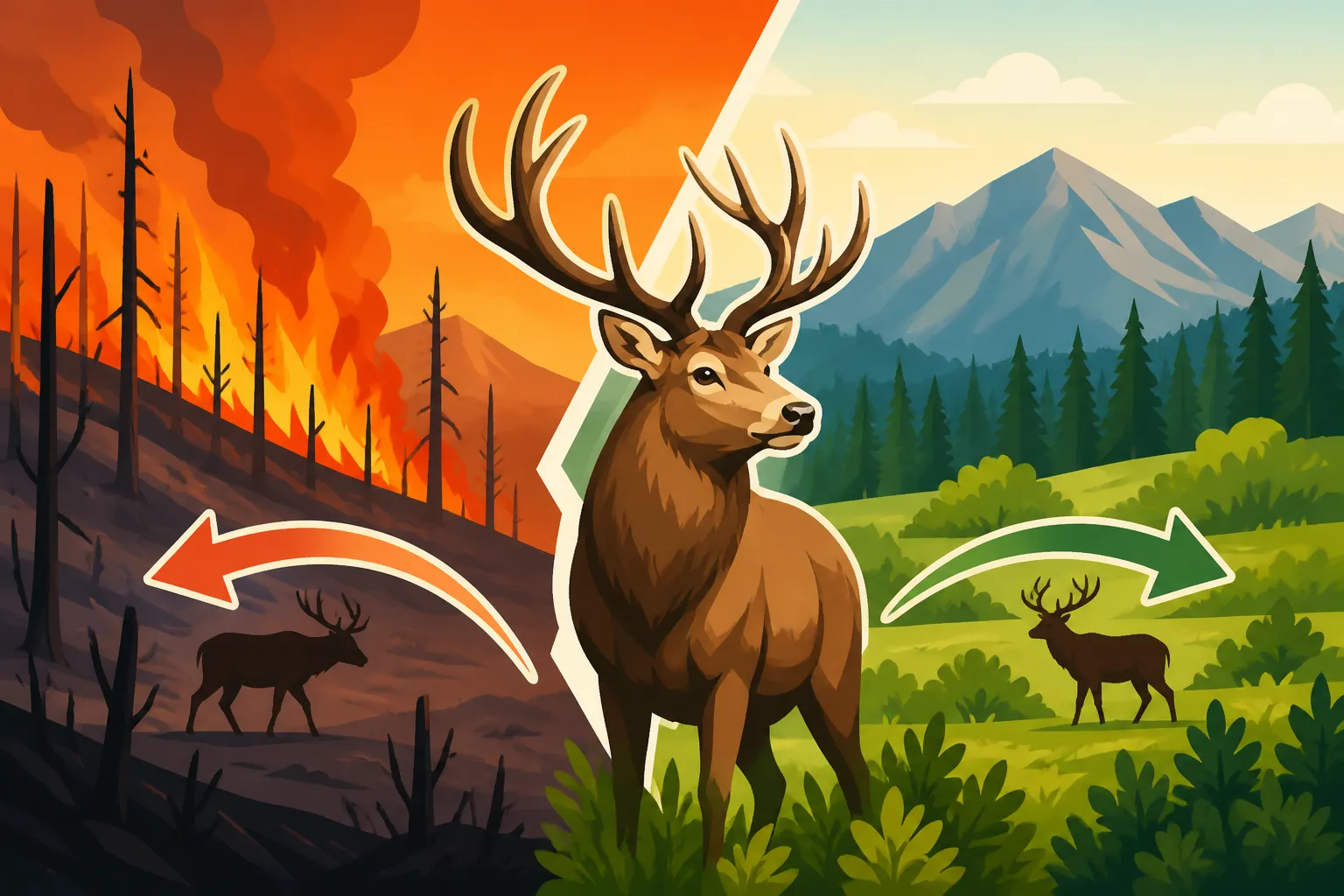
In the short term, a raging wildfire poses an existential threat to wildlife. Animals, especially those that can move quickly, will attempt to flee the immediate danger zone. You’ll often hear stories of deer, elk, and even bears being spotted in unusual areas, pushed out of their home ranges by advancing flames and smoke. Smaller, less mobile creatures, like fawns, young birds, or animals with limited escape routes, can unfortunately perish. It's a brutal reality of nature. The smoke itself can be a major issue, impacting respiratory health and visibility for both animals and hunters. For weeks or even months after a major burn, the air can still carry that acrid scent, and visibility can be reduced, affecting how animals move and feed.
Short-Term Food Scarcity and Altered Movement Patterns
Once the flames have died down, the landscape is often a barren, ash-covered expanse. The immediate food sources – browse, grasses, berries – are gone. This forces surviving animals to seek sustenance elsewhere. They'll often move to unburned pockets within the fire's perimeter, or completely out of the burn zone into adjacent areas that might already be stressed for resources. This can lead to increased competition for food and cover in unburned areas, pushing animals into places they wouldn't normally frequent. It's a time of immense stress for wildlife, and their movement patterns become highly unpredictable as they try to survive. Sometimes, game will even return to the burned edges surprisingly quickly, looking for green shoots trying to emerge, but those initial weeks are tough.
Long-Term Habitat Transformation and Succession
While the immediate aftermath of a wildfire can seem like utter destruction, nature has an incredible way of regenerating. Over the long term, wildfires are a crucial natural process that reshapes habitat, often leading to a richer, more diverse ecosystem that can be highly beneficial for many game species. It's a cycle of destruction and rebirth.
The Rebirth: New Vegetation Growth
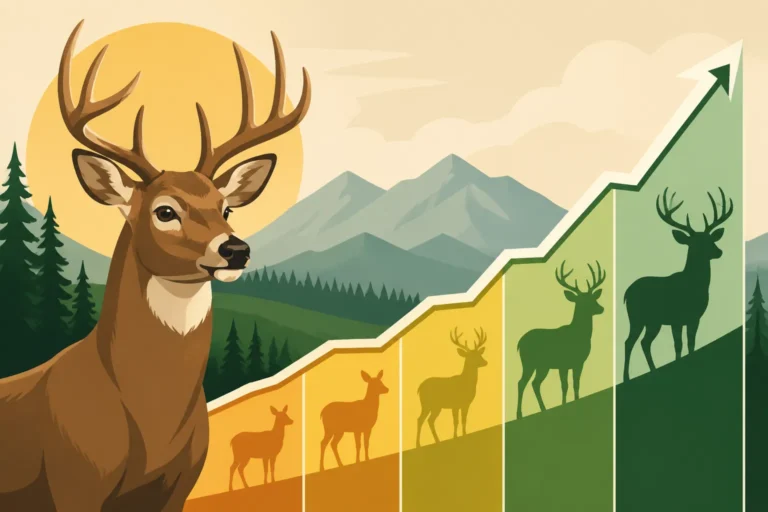
Once the ash settles and the rains come, the ground, now enriched with nutrients from the burned vegetation, springs to life. Sunlight can reach the forest floor like never before, stimulating a flush of new growth. Pioneer species, like fireweed, aspen saplings, willow, and various grasses, are often the first to emerge. This creates an explosion of tender, highly nutritious forage that is irresistible to many herbivores. We're talking about a buffet for deer and elk, far more palatable than the older, tougher growth it replaces. These early successional plants provide critical protein and energy, driving significant gains in animal health and antler growth over time. Think of it as nature's reset button, creating conditions for robust new life.
Creating Edge Habitat and Diversity
One of the most significant long-term benefits of wildfire is the creation of diverse "edge habitat." A burned area doesn't usually burn uniformly; there are often unburned islands of timber, fingers of green, and varying intensities of burn. This mosaic landscape creates a patchwork of different cover types and food sources right next to each other. Animals thrive in these edge environments, where they can quickly move from thick cover to open feeding areas. For example, a deer might bed down in a small, unburned stand of spruce and then step out into a regenerating burn to browse on succulent young aspen. This increased habitat diversity and accessibility to different resources can lead to higher game populations and healthier animals over the years. You'll often find that even years later, the remnants of a burn, with its scattered deadfall and new growth, provide excellent cover and forage. Hunting a Burned-Over Boreal Block can be incredibly productive a few years post-fire.
Species-Specific Responses to Burned Landscapes
Different game animals respond to these post-fire habitats in unique ways, depending on their dietary needs, cover preferences, and survival instincts. Understanding these species-specific adaptations is key for any hunter looking to navigate a burn zone.
Deer and Elk: Capitalizing on New Browse
For species like white-tailed deer and mule deer, and especially elk, a regenerating burn can be a goldmine. As mentioned, the flush of new, nutritious browse from aspen, willow, and various forbs is exactly what they need for growth and energy. Elk, in particular, are known to move into these areas quickly once palatable vegetation returns. They'll often graze the edges of a burn, where new grasses and forbs are abundant, and then retreat into nearby unburned timber for security. Deer will do much the same, often being drawn to the edges of the burn and the islands of unburned cover within it. White-Tailed Deer, Alberta's Most Hunted Big Game often utilize these areas, finding both forage and escape cover. Similarly, Elk in Alberta's Mountains and Farmland will readily exploit the new growth in burned foothills zones.
Moose and Bears: Adapting to Changed Forage
Moose are also beneficiaries of fire, but their response can be a bit slower. While the immediate aftermath might displace them, the growth of young willow and aspen in a recovering burn offers prime moose browse. These animals thrive on the shoots and saplings that emerge, often preferring the younger, more tender vegetation over mature forest. So, after a few years, a burn can become prime Moose Across Alberta's Boreal and Foothills habitat.
Black bears, being omnivores, also adapt well to burned landscapes. Initially, they might be displaced by the fire, but once berries and other food sources start to reappear, they'll move back in. Burned areas often see a significant increase in berry production in subsequent years, providing a rich food source for bears preparing for hibernation. They'll also forage for insects and roots in the loosened soil. If you're Black Bears in Alberta's Forests and Foothills, understanding the succession of plant growth in a burn is crucial for locating them.
Upland Birds and Predators: Shifting Territories
Upland birds like grouse will see their habitat altered significantly. While dense, mature forest might be destroyed, the regenerating areas, with their mix of young deciduous growth, open patches, and scattered cover, can eventually create excellent habitat for ruffled grouse and sharp-tailed grouse. These areas provide both food and protection from aerial predators.
Predators like wolves and coyotes will follow their prey. If deer and elk populations increase in a regenerating burn, you can bet the predators will be close behind. The more open sightlines in a thinned burn can sometimes even aid predators in spotting prey, though the increased cover from new growth also offers hiding spots. It's a dynamic balance.
Hunting Strategies in Post-Wildfire Areas
Hunting in areas impacted by wildfire requires a different approach. You can't just rely on old knowledge of the land; you need to understand the new landscape and adapt. Patience, careful observation, and safety are paramount.
Scouting Burned Areas for Game Sign
Before you even think about setting foot in a recently burned area, thorough scouting is essential. This is where modern mapping tools like GoHunt become incredibly valuable. You can use satellite imagery to identify the extent of the burn, locate unburned islands, and find potential travel corridors. Look for fresh tracks, droppings, and browse lines along the edges of the burn and in any green pockets. Pay close attention to areas where new vegetation is flourishing. Often, animals will stage in unburned cover adjacent to the burn and move into the regenerated areas to feed at dawn and dusk. Using your GoHunt mapping layers to pinpoint these transitions can be a game-changer. Remember, game animals might be more skittish due to the changes, so subtle sign is even more important. Scouting With Satellite Imagery in Alberta is a must for these areas.
Understanding Access and Regulations in Burn Zones
Access to and through burned areas can be severely limited. Roads might be closed due to fallen timber, unstable ground, or ongoing remediation efforts. Always check with Alberta Environment and Parks or local forestry offices for current access restrictions and Reading Alberta Wildfire Closure Maps before planning your trip. Some areas might be completely closed for a period to allow for recovery and mitigate safety risks. Furthermore, if the burn occurred on Crown Land within a Public Land Use Zone (PLUZ), there might be specific rules regarding vehicle use, camping, and even hunting pressure. Understanding Alberta's Public Land Use Zones Explained will save you headaches and potential fines. Your GoHunt app can also often overlay land ownership and access points, which is invaluable.
Safety Considerations When Hunting Burned Timber
Hunting in burned areas presents unique safety challenges that are absolutely critical to consider. The ground can be unstable, with ash pits that can swallow a boot or even a leg. "Snags" – dead, standing trees – can fall without warning, especially on windy days. Visibility might be poor due to lingering smoke or the monochrome landscape, making it harder to spot other hunters or identify game. Always inform someone of your exact hunting location and expected return time. Carry a first-aid kit, a reliable compass or GPS (your GoHunt app is great for this, but a physical backup is wise), and plenty of water. Blaze orange is even more important in these areas. You should also be extra cautious about fire danger, even in areas that appear "out." Never leave a campfire unattended, and always carry a fire extinguisher or plenty of water to douse any sparks. When it's cold, Hunting Alberta Winter Weather Safely presents its own challenges, but the risks of falling timber remain.
Here's a quick overview of how different game species often respond to wildfire-affected habitat over time:
| Species | Immediate Impact (0-1 Year) | Short-Term (1-5 Years) | Long-Term (5+ Years) |
|---|---|---|---|
| Deer | Displacement, seek unburned pockets | Attracted to new, nutritious browse & edge habitat | Excellent habitat with diverse forage and cover |
| Elk | Displacement, seek adjacent areas | Strong attraction to lush new grasses and forbs | Prime feeding and calving grounds, increased population |
| Moose | Displacement, loss of mature browse | Slow return as young willow/aspen grows | Excellent habitat once saplings are established |
| Black Bear | Displacement, loss of immediate food sources | Return for berries, insects, and new growth | Abundant food sources, diverse cover for dens |
| Upland Birds | Loss of cover and food, displacement | Gradual return to areas with regenerating cover | Improved habitat with varied structure and food sources |
| Predators | Follow prey, adapt to altered landscape | Benefit from increased prey populations in rich areas | Stable presence, adapting to prey movements |
Adapting to Alberta's Dynamic Post-Fire Landscapes
The Alberta landscape is constantly changing, and wildfires are a powerful force in that natural cycle. For hunters, these changes aren't just destructive; they offer new opportunities and challenges. Successful hunting in post-fire areas isn't about hoping things go back to "normal"; it's about embracing the new normal, learning to read the altered landscape, and understanding how game animals adapt to their transformed world. With careful scouting, attention to safety, and a willingness to learn, you can find incredible hunting experiences in these resilient, regenerating wild places.
Disclaimer
This article is for general informational purposes only and does not constitute professional advice. Laws, prices and regulations vary by location and change over time. Consult a qualified professional for guidance on your specific situation.