Lynx and Snowshoe Hare Cycles
There's a fascinating, almost mystical rhythm that beats through Alberta's boreal forests and even touches parts of our parkland. If you've ever spent time in these wilder places, especially if you're a trapper or a hunter who observes the smaller game, you've likely noticed it: some years, snowshoe hares seem to be absolutely everywhere, bounding across your path, leaving tracks in every patch of snow. Other years, they're ghosts, almost impossible to find, and the forest feels eerily quiet. This boom-and-bust cycle, particularly involving the snowshoe hare and its primary predator, the elusive lynx, is one of nature's most dramatic shows, and understanding it is key to truly appreciating the interconnectedness of our northern ecosystems. This guide will dive deep into this incredible cycle, exploring what drives it, how it impacts both species, and what it means for those of us who venture into their world.
Understanding the Boreal's Rhythmic Dance: The Lynx-Hare Cycle Explained
It's easy to think of animal populations as relatively stable, maybe fluctuating a little with harsh winters or good breeding seasons. But in the deep woods of Alberta, especially in the vast boreal forest, there’s a much more profound, almost tidal, shift in the numbers of snowshoe hares and lynx. This isn't just a minor blip; we're talking about population changes of ten to twenty times their low numbers, all playing out over roughly a decade. It's a fundamental part of the northern ecosystem, shaping everything from the smallest rodent to the largest moose.
The Fundamental Nature of Predator-Prey Dynamics
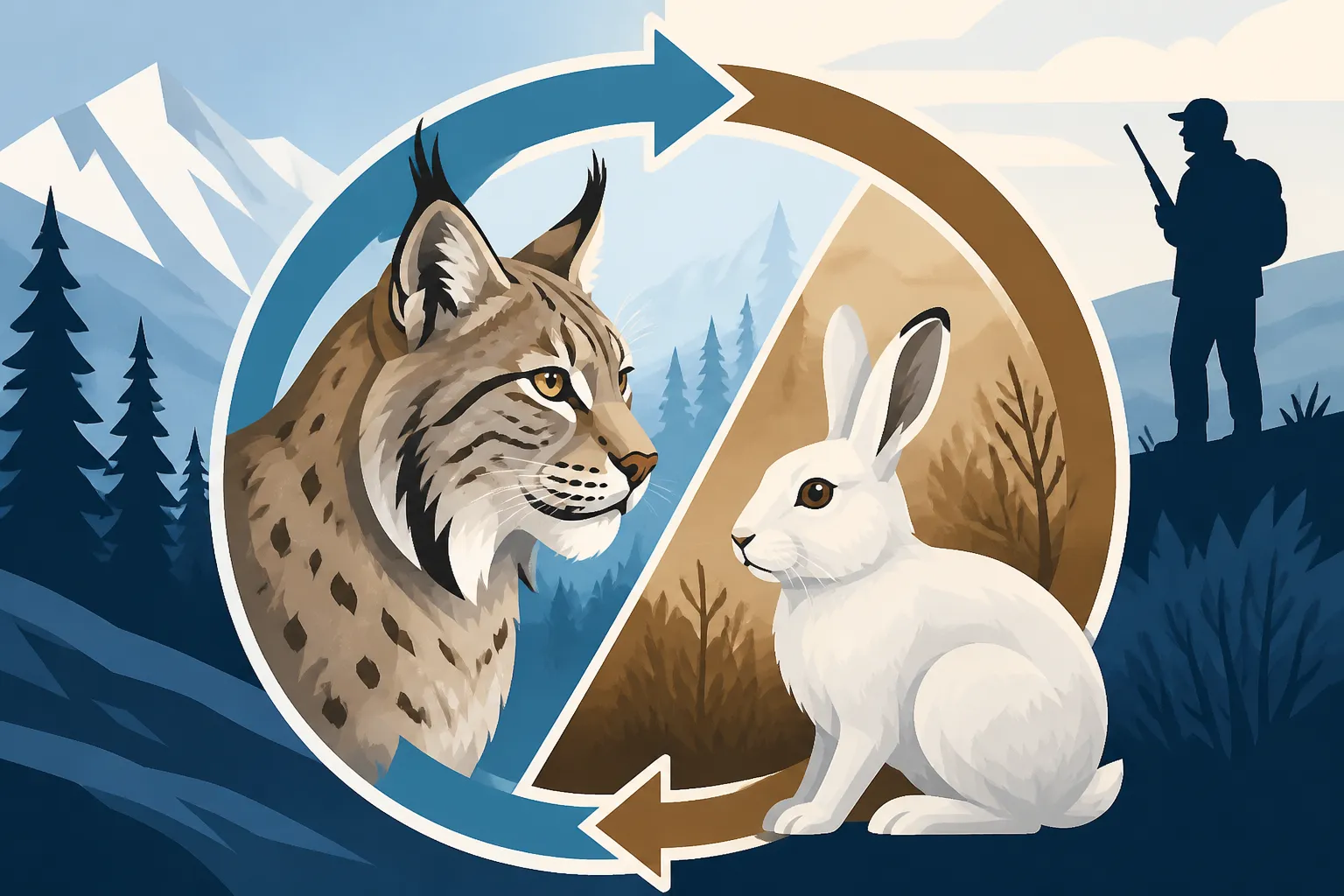
At its heart, the lynx-hare cycle is a classic example of a predator-prey relationship gone wild, in the best possible way. Imagine a world where the primary food source of a dominant predator undergoes massive, predictable population swings. The lynx, with its massive paws perfect for snow and its incredible stealth, is a highly specialized hunter. It relies almost exclusively on the snowshoe hare for sustenance. When hares are abundant, lynx thrive. They have more food, so more lynx kittens survive, and the population grows. This seems straightforward, right?
But here's the kicker: as the lynx population explodes, they exert immense pressure on the hare population. Eventually, the sheer number of hungry lynx, combined with other factors like disease and food quality for the hares themselves, starts to push the hare numbers down. This isn't a gentle decline; it’s often a precipitous crash. And because the lynx are so dependent on the hares, their population, though it lags a bit, is soon to follow. It’s a natural, self-regulating mechanism, brutal in its simplicity, but vital for the long-term health of both species and their habitat. It's a reminder that no species lives in isolation; every creature is tied to the others in an intricate web.
Historical Observations and Scientific Validation
This cycle isn't some new phenomenon; it's been observed by Indigenous peoples, trappers, and naturalists for centuries across the northern latitudes. The fur trade records from companies like the Hudson's Bay Company, stretching back hundreds of years, provide some of the most compelling long-term data on this phenomenon. Their records, meticulously kept, show clear peaks and troughs in the number of lynx pelts traded, mirroring the suspected hare cycles. These historical patterns have been a treasure trove for ecologists studying population dynamics.
Modern science has further validated and expanded on these observations. Researchers have used radio-telemetry, scat analysis, and direct population counts to meticulously track both lynx and hare numbers. What they've found is a consistent pattern: roughly every eight to eleven years, hare numbers peak, then crash, and lynx numbers follow suit, usually about a year or two behind the hare peak. Understanding this rhythm helps wildlife managers, trappers, and hunters anticipate trends and plan accordingly. Tools available today, much like looking at land data for your next hunt, or using a service like GoHunt to research habitat, allow us to see patterns and make informed decisions, even if the primary data comes from historical trapping records for these specific animals.
The Snowshoe Hare's Boom and Bust: A Feast or Famine Existence
For the snowshoe hare, life in the boreal forest is a dramatic roller coaster. These nimble, cryptically coloured creatures are the engine that drives the entire cycle, and their population swings are truly astounding. One year, you might barely spot one; the next, they seem to be practically underfoot.
The Peak: When Hares Are Everywhere
When the snowshoe hare population reaches its peak, the forest absolutely teems with them. You'll see their distinctive, large tracks everywhere, particularly in areas with dense underbrush, young aspen, and willow thickets – their preferred habitat. It's not uncommon to flush several hares within a few dozen yards, and their presence makes the woods feel alive. During these boom years, they breed prolifically, with females producing multiple litters throughout the spring and summer. Food is generally abundant, and while predators are certainly active, their numbers haven't quite caught up to the hare surge yet.
This peak phase is fantastic news for many other species beyond the lynx. Coyotes, foxes, great horned owls, goshawks, and even some species of weasels all benefit from the bounty. For hunters interested in Snowshoe Hare and Small Game, these are the years of plenty, where finding quarry is less of a challenge and the forest floor seems to rustle with life everywhere you turn. These high numbers allow them to spread into new areas, sometimes even expanding their range slightly before the inevitable crash pulls them back. It's a testament to the resilience and reproductive capacity of these animals.
The Crash: Why Hare Populations Plummet
Just as dramatically as they boom, snowshoe hare populations inevitably crash. This decline isn't a single event but a confluence of factors, with predation playing a massive, but not singular, role. When lynx numbers hit their peak, often a year or two after the hare peak, the combined hunting pressure from a multitude of predators becomes overwhelming. A lynx can consume a large number of hares in a short time, and with more lynx in the woods, that pressure multiplies exponentially.
Beyond predation, other factors contribute significantly. As hare numbers soar, their preferred food sources—young conifers, willow, and aspen bark—can become depleted or overgrazed in localized areas. Nutritional stress makes hares more susceptible to disease and parasites, and their overall health declines. Stress from overcrowding can also affect reproduction rates, with females having fewer litters or smaller, less robust offspring. It’s a vicious cycle where a lack of resources, increased disease transmission, and unrelenting predator pressure all combine to drive the population down, often very quickly. What was once a bustling forest quickly becomes quiet again, a stark reminder of nature's relentless balancing act.
The Lynx's Shadow: Following the Hare's Fortunes
The Canadian lynx (Lynx canadensis) is intrinsically linked to the snowshoe hare. Its entire existence, from its physical adaptations to its population dynamics, is a masterclass in specialized predation. When hares are abundant, the lynx thrives; when hares vanish, the lynx faces its toughest challenge. It truly casts a long shadow, always trailing the hare’s numbers.
Lynx Abundance During the Hare Peak
When snowshoe hares are plentiful, the lynx experiences its own population boom. These are stunningly beautiful cats, built for the deep snows of the boreal, with their long legs and enormous, heavily furred paws acting like natural snowshoes. They are perfectly adapted to pursue hares through the dense undergrowth and winter landscape of Hunting Alberta's Boreal Forest Country. During the peak hare years, lynx kittens are born in larger litters, and a higher percentage of them survive to adulthood due to the readily available food supply. Females are healthier, which means they can raise more young successfully.
Trappers in Alberta will see a significant increase in lynx activity during these times, reflecting the abundance. For wildlife enthusiasts, while spotting a lynx is always a rare treat due to their secretive nature, the chances are higher during these prosperous years. Their territories might even shrink slightly as food becomes easier to find, and individual lynx don't need to roam as far. This period of abundance is critical for the lynx, allowing their population to build up to sufficient numbers to then exert significant pressure on the hare population, setting the stage for the next phase of the cycle.
Surviving the Hare Trough: Lynx Adaptations and Challenges
When the hare population crashes, life becomes incredibly tough for the lynx. Suddenly, their primary food source is scarce, and starvation becomes a real threat. During these "trough" years, lynx populations inevitably decline, but they often lag behind the hare crash by about a year or two. This is because lynx can, for a short period, sustain themselves by eating what few hares remain or by turning to alternative food sources. However, these alternatives are rarely enough to support a large population.
Lynx will start to have smaller litters, or sometimes no litters at all. Kitten survival rates plummet. Adult lynx may roam much wider territories in search of food, and some might even emigrate to other areas where hares might be slightly more numerous, though this is rare as the cycle is often synchronous over vast regions. Some individuals will succumb to starvation or increased competition. This period tests the resilience of the species, forcing them to survive on the bare minimum until the hare population begins its slow recovery. For those interested in trapping, understanding this decline is crucial for conservation efforts and ensuring sustainable harvests, and tools like GoHunt can provide valuable insights into historical population trends and habitat conditions that might influence these cycles. It's a stark reminder of the delicate balance that defines the northern wilderness.
Broader Impacts and What It Means for Alberta Hunters and Trappers
The lynx-hare cycle isn't just a fascinating ecological phenomenon; it has real, tangible consequences for the entire boreal ecosystem and, by extension, for anyone who spends time hunting or trapping in these areas. It's a powerful force that shapes the availability of various game species and influences how we approach the land.
Ripple Effects on Other Species
When the snowshoe hare population booms, it’s a feast for almost every predator in the forest. Beyond the lynx, species like coyotes, foxes, wolves, martens, and even owls and hawks, all benefit from the easy meals. This can lead to temporary increases in their populations as well, or at least healthier, more successful breeding seasons. On the flip side, when the hares crash, these other predators are also hit hard. They might turn to alternative prey like grouse, voles, or even deer fawns, putting increased pressure on those species. This interconnectedness means that a hare crash isn't just bad for lynx; it creates a cascade effect throughout the food web.
Consider a species like ruffed grouse. When hare numbers are high, predators are focused on hares, taking some pressure off the grouse. But when hares disappear, those same predators, particularly coyotes and great horned owls, will shift their focus to grouse, potentially impacting their numbers. Similarly, when examining Wolf Pack Size in the Boreal, the availability of snowshoe hares can indirectly influence their diet, especially for younger, less experienced wolves, or during times when larger prey is harder to come by. It’s a dynamic, ever-shifting puzzle where the pieces are constantly rearranging themselves based on the availability of that one crucial piece: the snowshoe hare.
Adapting Trapping and Hunting Strategies
For Alberta's trappers and hunters, understanding the lynx-hare cycle is absolutely essential for both ethical harvesting and successful seasons. Trappers, especially those targeting lynx or other furbearers that might switch prey, rely heavily on knowing where the cycle stands. During peak lynx years, trappers will naturally see higher success rates for lynx. Conversely, during the trough, lynx trapping often becomes uneconomical and much less productive, requiring trappers to shift their focus to other species or wait out the lean years. The fluctuations recorded in Alberta Trapping Season Dates and Fur Management Licence Rules and Fees often take these natural cycles into account to ensure sustainable management.
Hunters, particularly those pursuing Upland Bird Hunting in Alberta or deer in mixed forest-boreal fringe areas, can also feel the ripple effects. During hare troughs, deer fawns or grouse might face higher predation rates from a more desperate predator population. Knowing where the hares are in their cycle can help you anticipate predator behavior and adjust your scouting and hunting tactics. For instance, if you're out Hunting a Boreal Muskeg Edge, and hares are scarce, you might infer that predators in the area are hungrier and more mobile, potentially impacting the local deer or moose populations. Using advanced mapping tools, similar to what you might use with GoHunt, can help you visualize these historical habitat patterns and anticipate where hare numbers might be recovering, even if you’re focusing on larger game.
Ultimately, the lynx-hare cycle is a powerful testament to the wild heart of Alberta's northern ecosystems. It demands respect and understanding, and for those of us who cherish our time in the bush, it offers a fascinating glimpse into the grand design of nature itself.
| Cycle Phase | Snowshoe Hare Population | Lynx Population | Implications for Hunters/Trappers |
|---|---|---|---|
| Peak Hare | Very High | Increasing | Good for small game hunters, increasing lynx trapping potential |
| Hare Decline | Rapidly Decreasing | High (Lagging) | Lynx trapping still strong, but hare numbers falling; other prey targeted |
| Hare Trough | Very Low | Decreasing | Hare hunting difficult, lynx trapping poor; increased pressure on other game |
| Hare Recovery | Slowly Increasing | Low (Lagging) | Hare numbers improving, lynx slowly recovering; less predator pressure on other game |
Disclaimer
This article is for general informational purposes only and does not constitute professional advice. Laws, prices and regulations vary by location and change over time. Consult a qualified professional for guidance on your specific situation.