Alberta’s Furbearers and Where They Are Trapped
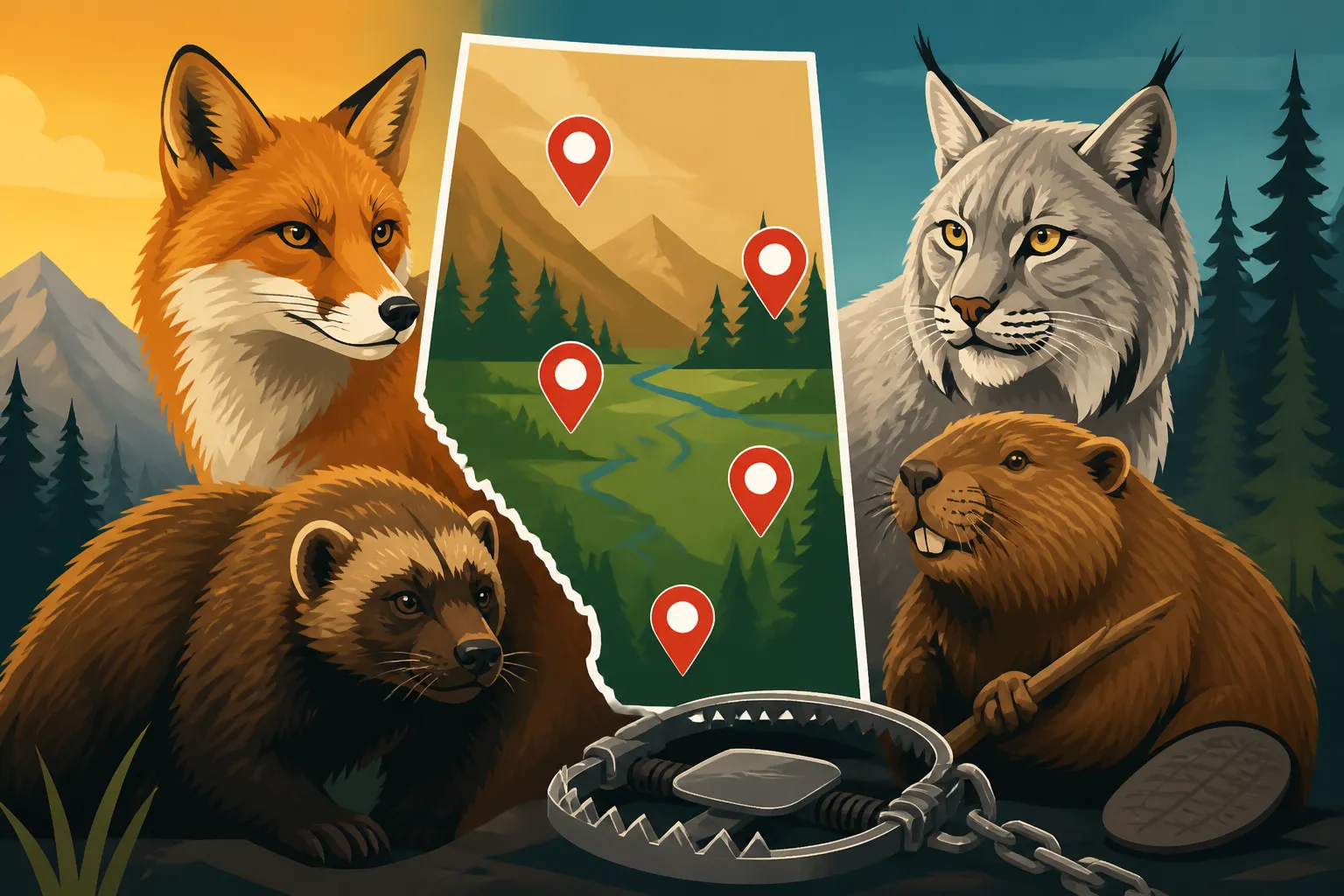
Alberta's vast and wild landscapes hold a certain mystique for many, and for those drawn to the deep woods or wide-open prairies, the pursuit of furbearers offers a unique connection to nature and history. Whether you're a seasoned trapper or simply curious about this ancient practice, understanding the diverse species, the intricate rules, and the regions where they thrive can feel like deciphering a complex wilderness code. This guide aims to demystify Alberta's furbearer populations, delving into where these animals live and the traditions surrounding their harvest.
Understanding Alberta's Furbearer Landscape
Trapping in Alberta isn't just about catching animals; it's a deep-seated tradition, a challenging skill, and a vital component of wildlife management. It requires an intimate knowledge of the land, the animals, and the ever-evolving regulations designed to ensure sustainable practices. For anyone looking to understand this world, it’s crucial to first grasp its historical roots and the modern conservation efforts that shape it today.
The Rich History and Modern Reality of Trapping
For centuries, trapping has been woven into the fabric of Alberta's identity. Indigenous peoples relied on furbearers for sustenance, clothing, and trade long before European contact. When the fur trade arrived, it became the economic engine that drove exploration and settlement, establishing the very first industries in what would become Canada. Names like the Hudson's Bay Company and the North West Company are legendary, their stories intrinsically linked to the quest for beaver pelts and other valuable furs. This history isn't just dusty old books; it informs a deep respect for the animals and the land that many modern trappers still hold. They're not just harvesting; they're participating in a continuum.
Today, trapping has evolved significantly. While the romance of the wilderness remains, the reality is far more regulated and geared towards ethical and humane practices. Modern trappers are often deeply invested in conservation, understanding that a healthy furbearer population is essential for their livelihood and the ecosystem. The demand for fur has shifted, too, with a greater emphasis on quality, ethical sourcing, and specialized markets. It's less about quantity and more about craftsmanship and responsible stewardship. Many trappers supplement their income, or view it as a passion project, rather than a sole means of support, making it a very different landscape than the early fur traders knew.
Furbearer Management and Conservation Efforts
Alberta takes a proactive approach to managing its furbearer populations, recognizing the ecological and economic value of these animals. Wildlife biologists continually monitor population trends, habitat health, and harvest data to set quotas and adjust season lengths. This isn't a free-for-all; it's a science-backed system designed to ensure that furbearers remain abundant for generations to come. Trappers themselves are often the first line of defense in reporting unusual animal health issues or population shifts, acting as unofficial guardians of the land they work.
Conservation efforts extend beyond simple quotas. Habitat preservation, managing human-wildlife conflict, and even reintroduction programs for certain species all play a role. For instance, beaver populations, while often seen as pests by landowners, are crucial ecosystem engineers, creating wetlands that benefit countless other species. Managing their numbers through regulated trapping helps prevent overpopulation in certain areas while ensuring their overall health in others. Understanding the regulations for different species and specific regions is key, and many trappers use modern mapping tools, much like hunters use systems like GoHunt to scope out potential hunting grounds, to understand the intricacies of their trapping areas and the designated Alberta's Wildlife Management Units.
Key Furbearer Species Found in Alberta
Alberta is home to a diverse array of furbearer species, each with its own unique habits, preferred habitats, and specific challenges for trappers. From the common and widespread to the more elusive forest dwellers, understanding these animals is the first step in successful and ethical trapping.
Common Trapping Targets: Beaver, Muskrat, and Coyote
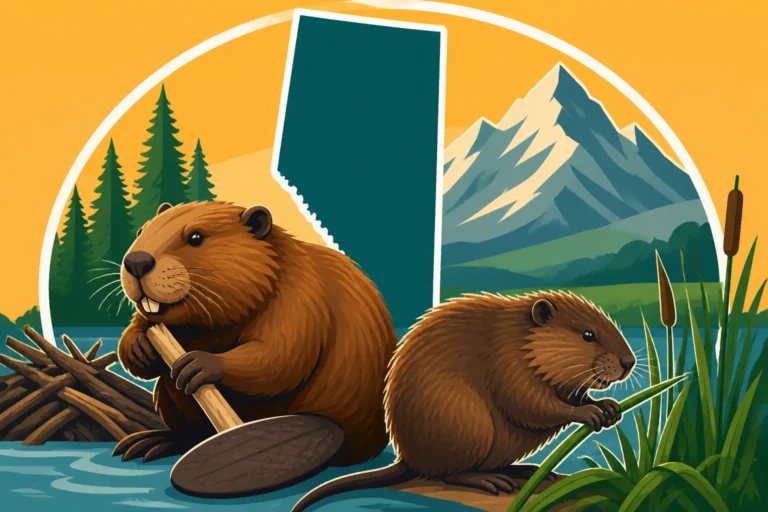
When people think of trapping in Alberta, beaver and muskrat are often among the first species that come to mind. Beavers, with their industrious dam-building and lodge-constructing habits, are truly masters of aquatic engineering. They thrive in ponds, rivers, and streams across much of the province, from the northern boreal forests to the parkland regions. Trapping beaver often involves working around water, using techniques that target their underwater entrances or travel ways. Their fur remains highly valued, and their activity can sometimes cause localized flooding, making regulated trapping a useful management tool.
Muskrats, often found in the same watery habitats as beavers but preferring smaller sloughs, marshes, and slow-moving streams, are prolific breeders. They build smaller dome-shaped lodges or burrow into banks, feeding primarily on aquatic vegetation. Trapping muskrats is often a high-volume activity due to their abundance, making them an excellent entry point for new trappers learning water sets. Both beaver and muskrat populations are generally robust across Alberta, reflecting their adaptability to various aquatic environments. For more insight into these industrious water dwellers, you can look into Alberta's Beaver and Muskrat Populations.
Coyotes are another incredibly common and adaptable furbearer, found virtually everywhere in Alberta, from deep wilderness to the edges of urban centres and, particularly, in agricultural areas. Their intelligence and wariness make them a challenging and rewarding target for trappers. Coyotes are opportunistic predators and scavengers, playing a vital role in controlling rodent and rabbit populations, but they can also pose challenges to livestock producers. Trapping coyotes typically involves land-based sets, often utilizing lures and baits, and requires a deep understanding of their travel patterns and scent marking behaviors. Hunters interested in managing coyote populations often look to resources on Coyotes in Alberta Farm Country.
Forest Dwellers: Marten, Fisher, Lynx, and Wolverine
Venturing into Alberta's vast boreal forests and dense foothill timber brings us to a different class of furbearers: the elusive and highly prized forest dwellers. Marten are agile, arboreal predators, often found in mature coniferous and mixedwood forests where they hunt squirrels, voles, and birds. Their rich, dark fur has historically commanded high prices, making them a primary target for northern trappers. Trapping marten usually involves elevated sets or cubbies to protect from larger animals, placed along their travel corridors through dense woods.
Fishers, larger and more powerful than marten, share similar habitats but are more terrestrial, known for their ability to hunt porcupines. They are also found in the deep forests of the north and foothills, often preferring areas with dense overhead cover. Their fur is also highly valued, and their aggressive nature makes them a formidable furbearer. Trapping fisher often requires more robust sets and strategic placement to intercept these powerful hunters. Understanding the movements and territories of these animals is paramount, a topic often explored in guides like Marten and Fisher in the North.
The Canada Lynx is perhaps the quintessential Canadian forest cat, instantly recognizable by its tufted ears and huge paws, perfectly adapted for moving silently through deep snow. Lynx are highly specialized predators, with their populations closely tied to the cycles of their primary prey, the snowshoe hare. When hare numbers are high, lynx populations boom; when hare numbers crash, so do the lynx. They inhabit the coniferous forests across Alberta, and trapping them requires patience and an understanding of their hunting habits and preferred habitat, often found in thick, regenerating clearcuts or dense swamps. This fascinating predator-prey relationship is detailed in articles such as Lynx and Snowshoe Hare Cycles.
Wolverines are the true wilderness tough guys – solitary, incredibly powerful for their size, and known for their tenacious nature. They inhabit the most remote and rugged areas of Alberta's boreal forest and mountain regions. Their extremely low density and vast home ranges make them one of the most challenging furbearers to trap. Wolverine pelts are highly prized for their durability and frost-resistant qualities, particularly for trim on winter clothing. Trapping wolverine is a serious undertaking, requiring extensive backcountry knowledge and a commitment to venturing far off the beaten path. For those brave enough to pursue them, Wolverine in Alberta's Backcountry offers valuable insights.
Other Valuable Species: Fox, Ermine, and Badger
Beyond the more common and the deep-woods specialists, Alberta's diverse ecosystems also support a range of other valuable furbearers, each presenting its own unique trapping opportunities and challenges. Red Fox are widespread throughout the province, adaptable to everything from deep forests to open farmland and even suburban fringes. They are cunning and opportunistic, much like coyotes, but generally prefer smaller prey like rodents and rabbits. Their beautiful, often vibrant red pelts are highly sought after. Trapping red fox typically involves dirt hole sets or cubbies, often placed along field edges, treelines, or natural travel corridors, and requires a careful approach due to their keen senses.
Swift Fox are a smaller, more delicate species of fox, primarily found in the native grasslands of southern Alberta. Once extirpated from Canada, they have been successfully reintroduced through significant conservation efforts and remain a species of special concern. Trapping swift fox is heavily regulated and typically only permitted under specific conditions, often in conjunction with monitoring or research programs, reflecting their sensitive conservation status. Their presence is a testament to successful wildlife recovery. Learn more about the different fox species in Alberta by reading Red Fox and Swift Fox in Alberta.
Ermine, also known as short-tailed weasels, are small, fierce predators found throughout Alberta's diverse habitats. They undergo a remarkable seasonal molt, turning pure white in winter with a black-tipped tail, making their winter pelts highly valuable for their pristine white fur. Ermine are incredibly agile and hunt voles, mice, and other small prey in dense cover, along riverbanks, or in rocky areas. Trapping ermine often involves small, discreet box traps or cubbies, placed in areas where their tiny tracks are evident, requiring attention to detail and a light touch.
Badgers are powerful burrowing animals, instantly recognizable by their flattened bodies and distinctive facial markings. They are primarily found in the open prairies and parklands of southern and central Alberta, where their main diet consists of ground squirrels and other burrowing rodents. Badgers are not typically a primary target for trappers due to their challenging nature and specific fur qualities, but they are sometimes incidentally caught or targeted in areas where their digging causes issues for livestock or infrastructure. Trapping badgers requires heavy-duty equipment and an understanding of their powerful digging abilities.
Navigating Alberta's Trapping Regulations and Zones
Just like hunting, trapping in Alberta is a highly regulated activity designed to ensure sustainability, animal welfare, and public safety. For new or aspiring trappers, understanding the licensing requirements, designated trapping areas, and ethical guidelines can feel like a maze, but it's absolutely crucial for responsible participation.
Understanding Licences and Season Dates
To legally trap furbearers in Alberta, you must first possess a valid Fur Management Licence. This isn't just a formality; it signifies your commitment to understanding and abiding by the province's comprehensive trapping regulations. There are different types of licences, depending on whether you're trapping on an established registered trapline or in open areas. The application process and fees are designed to ensure that trappers are accountable and that the activity is properly tracked and managed. Knowing the ins and outs of the Fur Management Licence Rules and Fees is your first step.
Beyond the licence itself, perhaps the most critical aspect of furbearer management is the set of season dates. Each furbearer species has specific open and closed seasons, which can vary significantly by species and even by region within Alberta. These dates are meticulously set by wildlife managers based on biological factors like breeding cycles, fur quality, and population health. For instance, the season for beaver might be longer than that for marten, and certain areas might have extended seasons for coyote control. Disregarding these season dates is not only illegal but can have serious negative impacts on furbearer populations. Familiarizing yourself with the Alberta Trapping Season Dates for each species you intend to pursue is absolutely non-negotiable. It's often helpful to keep a detailed calendar or use digital tools to track these critical dates.
Registered Traplines and Open Areas
Alberta's trapping landscape is primarily divided into two main categories: Registered Traplines and open trapping areas. Registered traplines are historical allocations, essentially a designated area of Crown land where an individual or family holds exclusive trapping rights for certain furbearers. These traplines are often passed down through generations, representing a significant investment of time, knowledge, and infrastructure. The trapline holder is responsible for managing the furbearers within their line, ensuring sustainable harvest, and often acting as stewards of that specific piece of wilderness. Gaining access to a registered trapline can be challenging, often involving long apprenticeships or purchasing rights when a line becomes available.
For those not associated with a registered trapline, open areas – primarily Crown land not designated as a registered trapline – offer opportunities to trap certain species. Specific regulations apply to open areas, and the list of furbearers that can be harvested there might differ from registered traplines. For example, coyotes and foxes are commonly trapped in open areas, including agricultural lands with landowner permission. When scouting for potential trapping locations in open areas, understanding land ownership and specific regulations for that Finding Access on Alberta Crown Land is crucial. Mapping tools, such as those that can be found on platforms like GoHunt, can be incredibly useful for identifying Crown land boundaries and differentiating between registered traplines and open areas, helping trappers navigate this complex access landscape responsibly.
Ethical Trapping Practices and Equipment
The modern trapping community places a strong emphasis on ethical and humane practices. This isn't just about compliance with regulations; it's about a deep respect for the animals and a commitment to minimizing stress and suffering. Trappers are required to use specific types of traps and snares that meet humane trapping standards, often certified through programs like the Agreement on International Humane Trapping Standards (AIHTS). This includes types of traps that ensure a quick, clean dispatch, or live-holding traps that allow for release if a non-target species is captured.
Proper trap placement is also critical – setting traps in a way that targets the intended species, avoids non-target animals, and maximizes efficiency. Checking traps regularly, as mandated by law, is essential to ensure humane treatment and prevent loss of fur quality. Additionally, trappers must understand and implement strategies to avoid accidental capture of domestic animals or endangered species, which can involve specific trap types, locations, and alerting others to trap presence. Education and mentorship play a huge role in passing on these ethical practices, ensuring that new trappers learn from experienced individuals who embody the principles of responsible furbearer harvesting. Safety, for both the trapper and the public, is also paramount, involving safe handling of equipment and clear communication in areas where others might recreate.
Where to Find Alberta's Furbearers: Regional Breakdown
Alberta's vast and varied geography means that furbearer distribution is far from uniform. Different regions offer distinct habitats, leading to concentrations of specific species and requiring specialized trapping strategies. Understanding these regional nuances is key to successful trapping.
Boreal Forest: The Heart of Northern Trapping
The immense Boreal Forest, stretching across northern Alberta, is arguably the province's richest furbearer habitat. This vast expanse of coniferous and mixedwood forest, interspersed with countless lakes, rivers, and wetlands, provides ideal conditions for a wide array of species. Here, you'll find strong populations of beaver and muskrat in the waterways, along with marten, fisher, and lynx thriving in the dense timber. Moose are also abundant, and their trails and feeding areas often serve as natural travel corridors for other forest furbearers. This region is also home to robust wolf populations, whose movements often intersect with those of other furbearers. Exploring this vast wilderness for trapping opportunities means understanding Hunting Alberta's Boreal Forest Country and its challenges.
Trapping in the boreal forest is often a remote and physically demanding endeavor. Access can be challenging, relying on bush planes, ATVs, snowmobiles, or even canoes and dog sleds. Registered traplines are particularly prevalent in this region, often spanning vast territories. The sheer size of the area, combined with fluctuating snow depths and extreme winter temperatures, means trappers must be highly self-sufficient and well-prepared. However, for those willing to brave the elements, the boreal offers unparalleled opportunities for a diverse and abundant furbearer harvest, and the solitude of working a remote line is a draw for many.
Parkland and Foothills: Diverse Opportunities
South of the boreal forest, the Parkland region—a transitional zone of aspen bluffs, open grasslands, and agricultural fields—and the western Foothills—characterized by rolling hills, coniferous forests, and river valleys—offer a different mix of furbearer opportunities. These regions are often more accessible and closer to population centers, meaning different considerations for trappers. In the Parkland, coyotes and red fox are abundant, thriving in the mosaic of cultivated fields, treelines, and small woodlots. Beavers and muskrats are also common in the numerous sloughs, creeks, and river systems.
The Foothills, with their mix of timbered slopes and creek bottoms, support many of the species found in the boreal, albeit often in lower densities. Marten, fisher, and lynx can be found in the more contiguous forest blocks, while coyotes and fox are widespread. Elk and deer also inhabit these areas, creating game trails that furbearers utilize. Trapping here often involves navigating a mix of Crown land and private property, requiring careful attention to Asking an Alberta Landowner for Permission and local regulations. The diverse habitat in these areas means trappers often target a wider variety of species, adapting their methods to the specific landscape features, a skill honed by those familiar with Hunting Alberta's Foothills Country.
Prairie and Badlands: Open Country Trapping
The southern and southeastern parts of Alberta are dominated by expansive prairies and the dramatic, eroded landscapes of the Badlands. This open country presents a unique set of challenges and opportunities for furbearer trappers. Coyotes are the undisputed kings of the prairie, thriving in the vast grasslands and cultivated fields. Their populations are generally high, and they are a primary target for many trappers in these regions, often for population control purposes, especially in areas with livestock. Red fox are also common, particularly along river corridors, shelterbelts, and the edges of native prairie.
Badgers are also found in significant numbers across the prairie, where their diet of ground squirrels and other burrowing rodents is plentiful. Trapping in these open environments often requires different strategies than in forested areas, relying on long-range scouting, careful observation of sign, and the strategic placement of land-based sets. Access to land can be a mix of public and private, making landowner relations paramount. The lack of heavy timber means that trappers must pay close attention to visibility and presentation of their sets. For those who understand the nuances of Hunting Alberta's Prairie WMUs, these wide-open spaces offer a rewarding, albeit often windy, trapping experience.
| Furbearer Species | Primary Habitat | Common Trapping Methods | Noteworthy Trapping Challenge |
|---|---|---|---|
| Beaver | Rivers, Ponds, Lakes | Submerged Conibears, Snare sets | Heavy equipment, Ice work |
| Muskrat | Small Sloughs, Marshes | Body Grip traps, Foothold traps | High volume, Thin ice |
| Coyote | Prairie, Parkland, Foothills | Dirt Hole Sets, Snares | Wary, Smart, Human scent |
| Red Fox | All regions, prefers edges | Dirt Hole Sets, Cubbies | Wary, Smaller than coyote |
| Marten | Coniferous Forest | Elevated Cubbies, Small Snares | Remote access, Deep snow |
| Fisher | Dense Mixedwood Forest | Body Grip Traps, Cubbies | Powerful, Avoid non-targets |
| Lynx | Coniferous Forest, Hare Habitat | Snares, Foothold Traps | Population cycles, Specific prey |
| Wolverine | Remote Boreal, Mountain | Heavy Duty Body Grips, Snares | Extremely rare, Remote access |
| Ermine | All regions, dense cover | Small Box Traps, Weasel poles | Tiny, Delicate, Small traps |
| Badger | Open Prairie, Parkland | Foothold Traps, Snares | Powerful digger, Strong traps |
The Business and Community of Trapping
Beyond the wilderness pursuit, trapping in Alberta is also an industry and a close-knit community. From the moment a furbearer is harvested to its eventual sale, there's a specific process, and supporting structures that make it all work. Understanding this ecosystem is key to appreciating the full scope of trapping.
From Fur Shed to Market: Processing and Sales
The journey of a furbearer pelt from the trap line to market is a precise art form, demanding skill, patience, and attention to detail. Once an animal is harvested, the trapper must skin it, flesh it (remove fat and tissue from the hide), and then stretch and dry the pelt. This preparation, often done in a dedicated fur shed, is critical. The quality of the "put up," as it's known, directly impacts the value of the fur. A well-prepared pelt, clean and properly stretched, will fetch a much higher price than a poorly handled one, regardless of the fur's inherent quality. This is where experience truly pays off.
Once the pelts are dried and ready, trappers typically sell their fur through established channels. This often involves fur auctions, where buyers from around the world bid on lots of furs. Companies like the North American Fur Auctions (NAFA) or Fur Harvesters Auction (FHA) have historically been key players, providing a platform for trappers to sell their harvest on a global scale. Alternatively, some trappers sell directly to local fur buyers, craftspeople, or even directly to consumers, though the larger market often offers the best prices for quality pelts. The market for wild fur is influenced by fashion trends, global economies, and ethical certifications, making it a dynamic and sometimes unpredictable business.
The Trapping Community and Its Future
Despite the often solitary nature of working a trapline, trapping in Alberta is very much a community affair. Trappers' associations, both provincial and local, play a vital role in advocating for trappers' rights, promoting ethical practices, and providing education and training. These groups are crucial for sharing knowledge, mentorship, and building camaraderie among individuals who share a passion for the outdoors and furbearers. New trappers often find invaluable guidance from experienced mentors, learning everything from advanced trapping techniques to bush safety and fur preparation. This knowledge transfer is essential for keeping the tradition alive and ensuring best practices are upheld.
The future of trapping in Alberta, like many traditional outdoor pursuits, faces its share of challenges. Changing societal attitudes towards fur, fluctuating market prices, and increasing pressures on wilderness areas are all factors. However, the community remains resilient, adapting to new regulations, embracing humane trapping standards, and continually educating the public about the ecological role of trapping and its contribution to wildlife management. Many younger trappers are also leveraging digital resources and online communities to connect, share information, and learn, much like how platforms like GoHunt support hunters with scouting and regulatory information. As long as there are wild places and a commitment to sustainable wildlife management, the dedicated trappers of Alberta will continue their long-standing tradition.
Disclaimer
This article is for general informational purposes only and does not constitute professional advice. Laws, prices and regulations vary by location and change over time. Consult a qualified professional for guidance on your specific situation.