How CWD Spreads Through a Deer Herd
It's incredibly frustrating and disheartening to watch the news or read reports about chronic wasting disease (CWD) spreading, especially when you love hunting and care deeply about the health of Alberta's deer, elk, and moose populations. This guide is here to break down exactly how CWD moves through a deer herd, what that means for our wildlife, and what we as hunters can do to help minimize its impact on the landscapes we cherish.
Understanding CWD: The Basics of a Prion Disease
When we talk about CWD, it's easy to get lost in the scientific jargon, but at its heart, it's a devastating neurological disease that affects cervids – that's deer, elk, moose, and caribou. Unlike bacterial or viral infections, CWD is caused by something far more insidious: prions. These aren't living organisms that can be killed with antibiotics or vaccines; they're misfolded proteins that cause normal proteins in the brain to misfold as well, slowly destroying the animal's nervous system.
What Exactly is CWD?
Imagine a tiny, rogue architect in the brain, slowly dismantling the very foundations of thought and movement. That's essentially what prions do. They accumulate in the brain and spinal cord, creating spongy holes and causing a progressive degeneration that is, tragically, always fatal. An infected animal will show a range of symptoms as the disease progresses: weight loss (hence "wasting"), stumbling, excessive salivation, behavioral changes, and a general lack of fear of humans. There's no cure, no vaccine, and no treatment once an animal is infected. It's a silent killer that slowly strips an animal of its vitality before it eventually succumbs. It's a truly tough reality for anyone who cares about wildlife health.
The resilience of these prions is another part of the problem. They're incredibly resistant to conventional sterilization methods like cooking, freezing, or even many disinfectants. This means that once they're in the environment, they can persist for a very long time, continuing to pose a threat to new animals that come into contact with them. This environmental persistence is a major reason why managing CWD is such a complex and long-term challenge for wildlife managers in Alberta and beyond. Understanding What CWD Is Doing to Alberta Deer can give you a clearer picture of the scale of this issue.
Where is CWD Found in Alberta?
CWD isn't uniformly distributed across Alberta; it typically has a higher prevalence in certain regions, often starting in the southeast and gradually expanding. It’s been detected in both white-tailed deer and mule deer, and to a lesser extent, elk and moose. Wildlife management units (WMUs) in the eastern and central parts of the province have historically seen higher rates, particularly those bordering Saskatchewan where CWD has been present for a longer time. The disease essentially "walks" westward as deer populations interact.
To help monitor this spread, Alberta's wildlife authorities often designate specific WMUs where mandatory CWD testing is required for harvested cervids. This helps track the disease's progression and prevalence in different areas. Hunters are a crucial part of this surveillance effort, and tools like the GoHunt app or website can be incredibly helpful for checking current CWD zones and submission requirements before you head out. Staying informed about Which WMUs Require a Deer Head Submission is a key responsibility for any ethical hunter. These WMU designations aren't static; they can change based on surveillance results, so always check the latest regulations for your specific hunting area.
The Primary Mechanisms of CWD Transmission
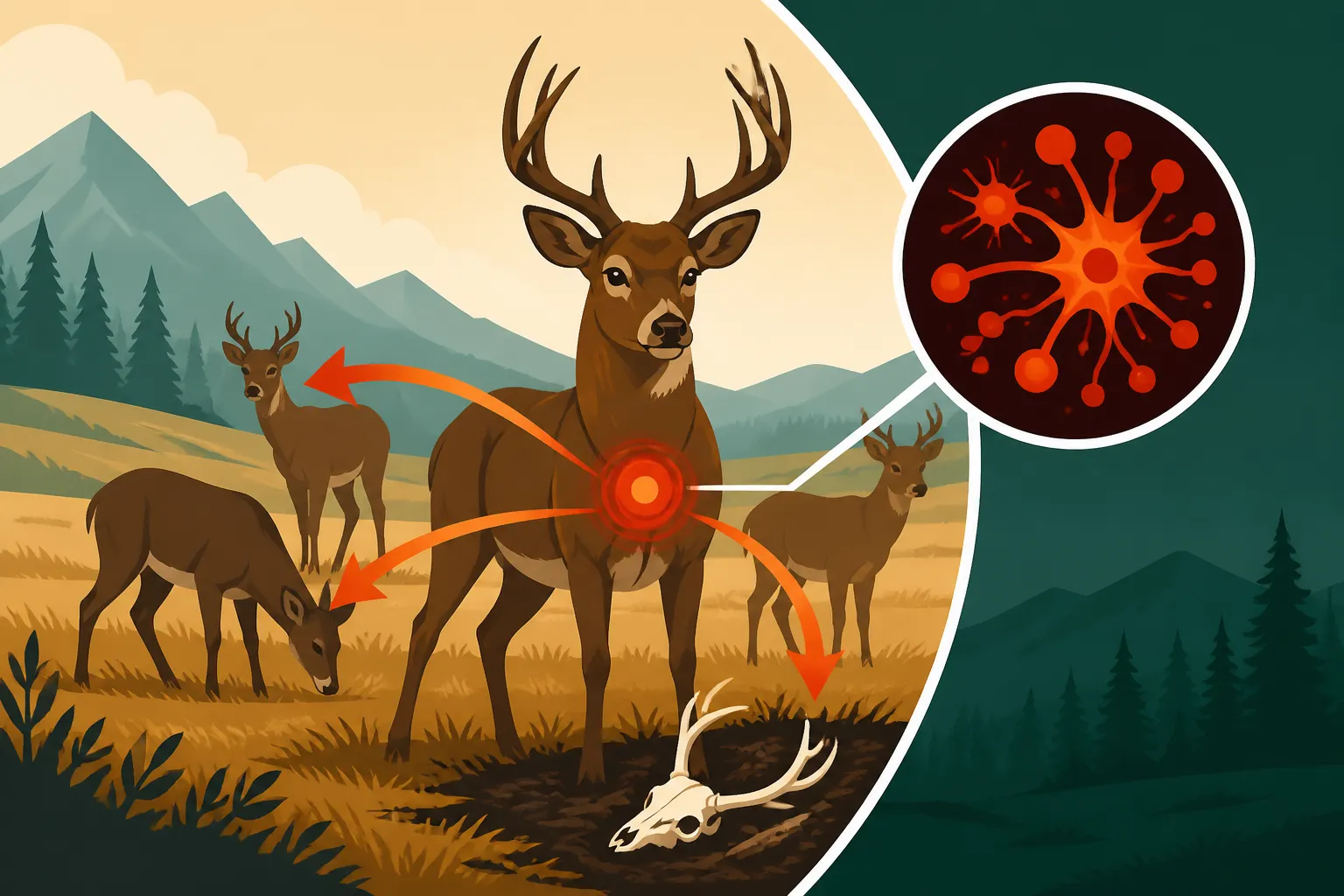
The insidious nature of CWD lies not only in its devastating impact on individual animals but also in its highly effective, multi-pronged approach to spreading through a population. It’s a combination of direct interaction between animals and persistent contamination of their shared environment.
Direct Animal-to-Animal Contact
One of the most straightforward ways CWD spreads is through direct contact between infected and healthy animals. Deer are social creatures, especially during certain times of the year, and this constant interaction creates ample opportunities for transmission. Imagine two bucks sparring during the rut, or a group of does and fawns grooming each other in a wintering yard. Each nose-to-nose greeting, each playful nudge, each aggressive challenge can facilitate the transfer of infectious prions.
Saliva, urine, and feces from an infected animal can all contain prions. When deer interact, these bodily fluids can be exchanged. For example, a healthy deer might lick an area where an infected deer has salivated, or a fawn might pick up prions from its mother. During the rut, bucks are often highly active, moving between groups of does and constantly interacting with other bucks. This intense period of social interaction significantly amplifies the risk of direct transmission, effectively turning these crucial breeding periods into hotbeds for CWD spread.
Indirect Environmental Contamination
Perhaps even more concerning than direct contact is the way CWD prions persist in the environment, acting as long-term reservoirs of infection. Infected animals shed prions into their surroundings through their bodily fluids – urine, feces, and saliva. When a deer, elk, or moose dies from CWD, its decomposing carcass further contaminates the soil and vegetation. These prions are incredibly hardy; they can bind to soil particles and remain infectious for years, even decades.
Consider a natural mineral lick or a well-used game trail. An infected deer might visit that spot, shedding prions. A healthy deer, even months or years later, could then ingest these prions while grazing, licking the soil, or browsing on contaminated plants. This environmental persistence means that even if an infected animal leaves an area, the threat remains. It’s like an invisible minefield, where the "mines" are infectious proteins lying dormant in the landscape, waiting for an unsuspecting host. GoHunt resources often provide insights into historical CWD prevalence, which can indirectly highlight areas where environmental contamination might be a factor, even if you can't see the prions. The long-term presence of prions in the soil is why managing CWD is a battle that extends far beyond just managing individual animals.
Factors Accelerating CWD Spread in Alberta
Understanding the basic transmission routes is one thing, but knowing what makes CWD spread faster is critical for effective management. Certain conditions and even human actions can unfortunately act as accelerators, turning a slow creep into a rapid surge.
High Deer Densities and Congregation Points
When cervid populations are dense, and animals are forced to congregate in smaller areas, the risk of CWD transmission skyrockets. Think about how easily a cold spreads in a crowded classroom compared to a sparsely populated office. It's the same principle. In Alberta, natural congregation points include wintering yards, water sources during dry spells, or even popular feeding grounds. These locations become hubs where deer from different family groups or territories mix, increasing the likelihood of both direct contact and environmental contamination.
Human activities can inadvertently make this worse. While baiting for big game is prohibited in Alberta (and a good rule to deter congregation anyway), supplemental feeding, if it were allowed and practiced, would create artificial congregation points, essentially drawing deer together and concentrating prions in a small area. When animals are forced into close quarters for extended periods, such as during a harsh winter when food is scarce, the amount of prion shedding and subsequent exposure multiplies significantly. This is why maintaining healthy, dispersed herds, rather than artificially concentrating them, is a key component of mitigating CWD spread. Understanding where deer gather and move is crucial, and mapping tools can help you identify these areas, often aligning with insights from Reading an Alberta WMU Map Before You Go.
Carcass Management and Hunter Practices
Hunters play a pivotal role in either slowing or inadvertently accelerating the spread of CWD. If an infected animal is harvested and its carcass is improperly handled or disposed of, it becomes a potent source of environmental contamination. For instance, if a CWD-positive deer is gutted in the field and the internal organs (which can harbor high concentrations of prions) are left where other deer can access them, those prions enter the environment. Scavengers might also move contaminated tissues, spreading the prions further.
This is why proper carcass management is not just a regulatory requirement but an ethical imperative. Submitting heads for testing in designated CWD zones is vital. If an animal tests positive, knowing how to dispose of the carcass responsibly – often meaning double-bagging and taking it to an approved landfill or burying it deep where other cervids won't unearth it – is paramount. Simply leaving a positive carcass in the field or dumping it on Crown land is a recipe for perpetuating the disease. Hunters are true partners in wildlife management, and understanding how to responsibly handle your harvest, particularly in the context of CWD, is a critical part of that partnership. You can learn more about Moving a Carcass Out of a CWD Zone for specific guidelines.
Movement of Infected Animals
Deer, especially young bucks, are known to disperse from their birth territories to establish new home ranges. This natural movement, while essential for genetic diversity and population health, also presents a significant challenge for CWD management. An infected animal moving into a previously CWD-free area can introduce the disease to an entirely new population. This is how CWD expands its geographic footprint over time.
Consider a young White-Tailed Deer, Alberta's Most Hunted Big Game buck, infected with CWD but not yet showing symptoms, traveling dozens of kilometers to find new territory or does during the rut. As it moves, it sheds prions through its bodily fluids, potentially contaminating new water sources, bedding areas, and feeding grounds. Similarly, Mule Deer in Alberta's Open Country might make seasonal migrations, carrying the disease across larger landscapes. These natural migratory patterns make containing the disease incredibly difficult. Wildlife managers can track broad patterns, but individual deer movements are almost impossible to predict, highlighting the need for widespread surveillance and responsible hunter practices across all Alberta's Wildlife Management Units.
What Hunters Can Do to Help Slow the Spread
As hunters, we're on the front lines, deeply connected to the health of the deer herds we pursue. Our actions, both individually and collectively, have a real impact on the fight against CWD. We're not just taking from the land; we're stewards, and that responsibility extends to managing disease.
Mandatory Testing and Carcass Disposal
One of the most direct and impactful actions hunters can take is participating fully in CWD surveillance programs. This means submitting the heads of harvested cervids for testing, especially when hunting in a designated CWD zone. The data collected from these submissions is invaluable to wildlife biologists, helping them map the disease's spread and prevalence, and inform management strategies. Without hunter participation, there would be huge blind spots in our understanding of where CWD is and how it’s moving.
Beyond submission, responsible carcass disposal is paramount. If your animal tests positive (or even if you're just unsure), the goal is to prevent those prions from re-entering the environment or being consumed by other cervids. Approved landfills are typically the safest option, as they isolate the carcass from wildlife. Burying deep enough to prevent scavengers from digging it up can also be an option, but always check local regulations for depth requirements and specific guidelines. Never just leave a carcass where it might contaminate water sources or be accessible to other animals. The GoHunt platform is a fantastic resource for finding CWD freezer locations and understanding Alberta's CWD Testing Requirements and Where Alberta's CWD Freezers Are in your hunting area. If you harvest an animal and receive a positive CWD test result, it’s critical to understand What Alberta Does With a Positive CWD Result and follow all instructions for proper disposal.
Ethical Hunting Practices
Beyond testing and disposal, our everyday hunting practices can also make a difference. While Rules on Baiting Big Game generally prohibit the practice in Alberta, understanding why concentrating deer is problematic from a CWD perspective reinforces the importance of ethical, natural hunting methods. Any practice that unnaturally congregates deer—such as feeding—can inadvertently create CWD hot zones, increasing the likelihood of direct and indirect transmission. Focusing on natural travel corridors, food sources, and bedding areas helps keep deer dispersed, which is healthier for the herd overall.
Furthermore, within the framework of responsible wildlife management, hunters can contribute to managing deer densities in areas where CWD prevalence is high. Reducing populations through hunting can, in some cases, help slow the spread of the disease by lessening direct contact opportunities and easing pressure on the environment. This isn't about eradicating deer, but about maintaining healthy, sustainable populations that are less susceptible to rapid disease transmission. Always be mindful of the animals, the environment, and the broader implications of your actions. Your efforts are a vital part of protecting Alberta’s incredible hunting heritage for future generations.
| CWD Transmission Mode | Description | Hunter Impact & Action | Persistence in Environment |
|---|---|---|---|
| Direct Contact | Nose-to-nose contact, grooming, fighting, sharing saliva, urine, feces directly. | Impact: High density hunting areas increase risk. Action: Avoid baiting; manage herd density. | Minimal (from contact), but shed prions persist. |
| Indirect Contact | Ingestion of prions from contaminated soil, plants, water, or carcasses. | Impact: Improper carcass disposal contaminates environment. Action: Mandatory testing, proper carcass disposal (landfill/deep burial). | Very High (years to decades) |
| Animal Movement | Infected animals naturally disperse, carrying prions to new, uninfected areas. | Impact: Uncontrolled spread to new WMUs. Action: Participate in CWD surveillance, adhere to carcass transport rules. | Varies based on shedding in new areas. |
Disclaimer
This article is for general informational purposes only and does not constitute professional advice. Laws, prices and regulations vary by location and change over time. Consult a qualified professional for guidance on your specific situation.