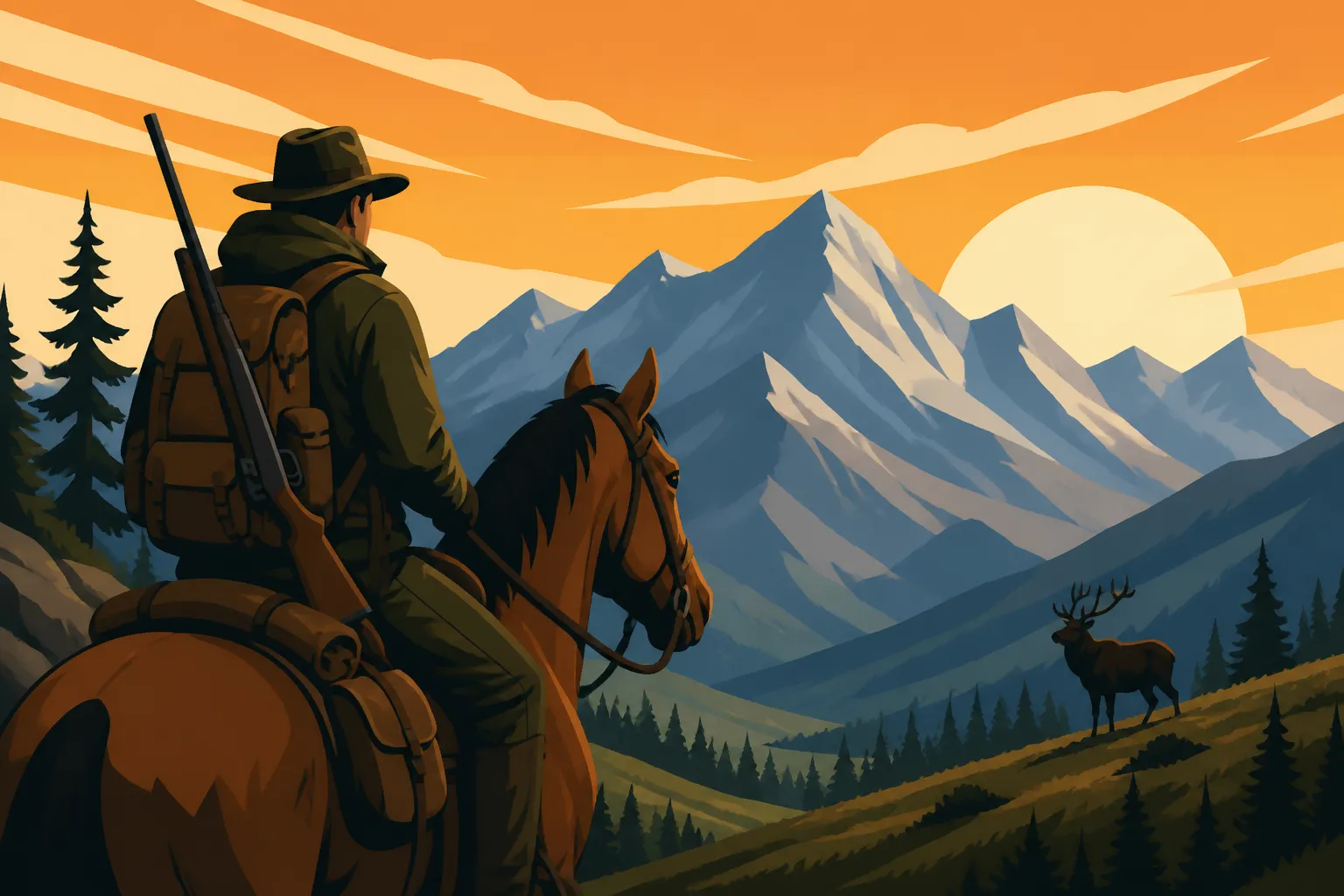
Hunting Willmore Wilderness on Horseback
Willmore Wilderness Park in Alberta calls to a special kind of hunter—those looking for true solitude, incredible scenery, and a challenging hunt far from any road. But if you’ve ever looked at a map of Willmore, or simply heard tales of its vast, trackless expanse, you’ve probably wondered: how on earth do people actually hunt in there? This guide is going to walk you through the realities of hunting Alberta's Willmore Wilderness, specifically focusing on why and how horseback is not just an option, but often the only practical way to experience this truly wild hunting ground.
The Unique Challenge of Willmore Wilderness Park
Willmore Wilderness Park isn't just a big piece of land; it's an experience. It’s an area intentionally preserved to remain wild and untamed, offering a stark contrast to many other hunting grounds in Alberta. For many hunters, just the thought of its remoteness can be intimidating, but that's precisely what makes it so special.
What Makes Willmore Different?
Imagine a landscape where no motorized vehicles are allowed, where there are no maintained roads, and where even well-worn trails can disappear after a heavy rain or winter’s snow. That’s Willmore. It's a true wilderness area, designed with minimal human impact in mind. Unlike provincial parks, Willmore allows hunting, but it maintains a stringent wild standard. This isn't a place where you can drive your truck to your stand or even access most areas with an ATV. It truly demands self-sufficiency, a deep understanding of backcountry travel, and a healthy respect for nature's raw power.
The sheer scale and ruggedness of the terrain itself are formidable. You're looking at deep river valleys carved by glaciers, towering peaks that pierce the sky, dense timber in the lower elevations, and expansive alpine meadows. River crossings are common, often unbridged and requiring careful assessment. Getting even a few miles in often feels like a full day's journey, and prime hunting grounds can be 15, 20, or even 30 miles from the nearest trailhead. It's not a "walk-in" area for a day trip; it’s an expedition, requiring multiple days just to reach your desired hunting zone. This is why it’s imperative to understand the regulations and ethos of such a unique area.
Permitting and Regulations Specific to Willmore
While Willmore Wilderness Park has its own unique character, the good news is that there aren't additional specific access permits beyond your standard Alberta hunting licenses and tags for the Wildlife Management Units (WMUs) it encompasses. The most prominent WMU within Willmore is 444, but adjacent WMUs like 442 and 440 also share its rugged backcountry characteristics. You’ll need your Alberta WIN card, a Wildlife Certificate, and the appropriate tags for the species you plan to pursue, just as you would anywhere else in the province. Alberta Hunting Licences and What They Cost will cover the basics there.
However, applying standard Alberta hunting regulations in a true wilderness setting takes on a different flavour. For example, while random camping is generally permitted on Crown Land, in Willmore, the "leave no trace" principles are absolutely critical. This means packing out everything you pack in, burying human waste properly, and minimizing your impact on fragile ecosystems. Fire restrictions, especially during dry periods, are often strictly enforced and vital for preventing catastrophic wildfires. Understanding Alberta's Public Land Use Zones Explained (PLUZs) can give you a general framework, but Willmore stands alone in its commitment to preserving its pristine state. You must be prepared for extended periods without cell service and self-rescue in the event of an emergency.
Why Horses Are Non-Negotiable for Willmore Hunting
When you look at a map of Willmore, or even just consider the description of its terrain, a few things become clear: it’s massive, it’s remote, and it's tough country. This isn't a place you casually stroll into with a daypack. This is where horses become less of a luxury and more of an absolute necessity for a successful, and even safe, hunting adventure.
Covering Vast Distances and Rugged Terrain
Trying to hike into Willmore Wilderness with enough gear for a multi-day or multi-week hunt is simply not feasible for most hunters. While I admire the grit of those who undertake extreme backpacking trips, the sheer volume and weight of the supplies needed for an extended stay—food, water purification, camp equipment, emergency gear, and personal effects—quickly push the limits of what a human can comfortably or safely carry. A string of well-conditioned pack horses, however, can carry hundreds of pounds of gear, enabling you to establish a comfortable base camp deep in the backcountry.
The terrain itself is designed to exhaust you. You'll encounter steep, lung-busting climbs to reach high alpine basins, navigate rocky passes where every step demands attention, and ford rivers that can be chest-deep and swift, especially during spring melt or after heavy rains. Then there are the boggy lowlands, dense sections of timber where progress is slow, and the constant ups and downs of mountain travel. A horse, with its four legs and natural instinct for navigating uneven ground, handles this much more efficiently and safely than a person burdened with a heavy pack. While you might struggle to cover five miles a day with a substantial load, a horse can comfortably carry its weight for 15-20 miles in the same timeframe, putting you in prime hunting country much faster and with less physical toll. This conserved energy is crucial for the actual hunt, allowing you to be sharper and more focused when the moment of truth arrives.
Logistics of Hauling Gear and Game
Picture this: you've successfully harvested a bull elk or a large moose 15 miles into Willmore. Now what? Attempting to pack out an entire animal on your back from such a remote location is a logistical nightmare, if not an outright impossibility for most individuals. Even if you bone out the meat and make multiple trips, the time and effort involved can compromise meat quality, especially if temperatures are warm. This is where the true value of a pack string shines.
Horses are absolutely essential for game retrieval in Willmore. Once you've field dressed and quartered your animal, the quarters, head, and hide can be carefully loaded onto pack saddles. Experienced pack horses are accustomed to carrying heavy, awkward loads, making the long journey back to your trailhead manageable. Without horses, you would be forced to make countless trips, or worse, abandon valuable meat, which goes against every principle of ethical hunting and Meat Care in Alberta's Cold and Warm Swings. Think of all the equipment a remote camp needs: a wall tent for shelter from unpredictable mountain weather, a portable stove for heat and cooking, weeks' worth of non-perishable food, fuel, sleeping systems, and emergency supplies. All this translates to hundreds of pounds, requiring not just one riding horse but a dedicated string of pack animals to get it all in and out efficiently.
Planning Your Willmore Horseback Expedition
A successful horseback hunt in Willmore isn't something you decide to do on a whim. It requires meticulous planning, a significant investment in time and resources, and often, specialized knowledge. This isn't just a trip; it's an expedition.
Sourcing and Preparing Your Mounts
One of the first and most critical decisions is how you’ll source your horses. Are you fortunate enough to own a string of experienced mountain horses yourself? Or, like most people, will you be hiring an outfitter or partnering with someone who has the necessary stock and expertise? It’s crucial to understand that not just any horse will do. The animals need to be mountain-savvy: sure-footed, accustomed to steep climbs and descents, comfortable crossing swift rivers, and tolerant of carrying heavy, sometimes shifting, loads. They must be calm under pressure, unafraid of gunshots or unexpected wildlife encounters. A green horse or one unaccustomed to the rigors of true backcountry packing can quickly become a liability, endangering both the animal and the entire hunting party.
Before the trip, horses require thorough preparation. This includes a complete veterinary check-up, ensuring they are healthy and fit for the strenuous journey. Hoof care is paramount; they need to be properly shod for mountain terrain, as a lost shoe deep in the backcountry can sideline a trip or create a dangerous situation. Training should include desensitization to various sights and sounds, comfortable saddling and packing, and experience with high-lining or hobbling for secure overnight stays. Don't forget their feed! While horses can graze in some areas, the quality and availability of forage can be unpredictable, especially in high-traffic zones or late in the season. You'll need to pack in enough concentrated feed (grain or pellets) to supplement their diet for the duration of your trip, ensuring they maintain their strength and stamina.
Essential Gear and Camp Setup
Beyond your standard hunting gear—rifle or bow, optics, hunting clothing—a Willmore horseback hunt demands a substantial list of specialized equipment. For the horses themselves, you'll need sturdy riding saddles, well-fitting pack saddles, quality panniers for organizing gear, cinches, breast collars, breeching, hobbles, lead ropes, and a high line system for securing them at camp.
For your backcountry camp, think durability and comfort. A robust wall tent is often preferred over lightweight backpacking tents, as it provides crucial shelter from cold winds, rain, and snow, and can accommodate a small wood stove for warmth and drying wet clothes. A portable stove isn't just for comfort; it can be a lifesaver in freezing temperatures or when drying out gear after a relentless mountain rain. Your sleeping system needs to be rated for extreme cold, and all gear must be packed into waterproof bags or containers to protect against river crossings and rain.
Navigation is paramount. While a handheld GPS is essential, a powerful tool like onX Hunt can be invaluable for pre-scouting, allowing you to study satellite imagery, plot potential routes, identify natural water sources, and mark prospective camp spots. Similarly, GoHunt offers excellent resources for understanding draw odds, season dates, and general terrain analysis, helping you make informed decisions before you even leave home. Always carry a traditional map and compass as a backup, and consider a satellite messenger (like an InReach) for emergency communication, as cell service will be non-existent. A comprehensive first-aid kit for humans and a separate, well-stocked kit for your horses are non-negotiable. Don't forget emergency shelter, fire starters, and bear spray, as Willmore is prime grizzly country.
Route Planning and Access Points
Accessing Willmore Wilderness Park typically involves trailheads found along the scenic Forestry Trunk Road (Highway 40) west of communities like Grande Cache and Hinton. However, "trailhead" can often mean little more than a pull-out with a small sign, not a paved parking lot. You'll need to research specific access points, paying close attention to current trail conditions. Washouts from heavy rains or fallen timber can make trails impassable, requiring significant rerouting or even turning back.
Before you go, meticulously map out your intended route using detailed topographical maps and tools like onX Hunt. Identify suitable staging areas where you can safely park your horse trailer and vehicle for the duration of your trip. Consider where you plan to establish your base camp and how many days it will take to reach it with a loaded pack string. It’s also wise to scout out potential emergency bail-out routes, just in case weather or other unforeseen circumstances force a change of plans. When planning, remember to factor in natural feed and water sources for your horses along the route and at your camp. Water purification for human consumption is also key, as even mountain streams can carry giardia. For more general insights into getting into difficult areas, you might find Hunting Alberta's Mountain WMUs and Their Access a helpful read. Also, studying how others approach challenging terrain in Hunting Willmore Wilderness Park Requires can give you additional perspective.
Hunting Strategies in the Willmore Backcountry
Hunting in Willmore Wilderness is an immersive experience that pushes you to adapt your strategies to the wild, unpressured nature of the animals and the demands of the terrain. It’s a game of patience, stealth, and knowing your quarry inside and out.
Target Species and Their Habits
Willmore is a diverse ecosystem, home to some of Alberta's most iconic big game species. It's primarily known for strong populations of elk, moose, mule deer, and the highly coveted bighorn sheep. Each species has its preferred habitats and habits, which you'll need to understand deeply to be successful.
- Elk: Often found in burn areas that offer regenerating forage, open meadows, or along the timber fringes where they can feed and seek cover. During the rut, their bugles echo through the valleys, making them a prime target for calling. Elk in Alberta's Mountains and Farmland can give you a broader understanding, but in Willmore, expect them to be less accustomed to human scent and sound.
- Moose: Gravitate towards willow bottoms, marshy areas, and dense timber near water sources. Their sheer size makes them a challenging pack-out, but their preference for specific types of habitat can make them predictable. Learn more about their range in Moose Across Alberta's Boreal and Foothills.
- Mule Deer: Will utilize various elevations, from valley bottoms in dense timber to higher, more open ridges and transition zones, especially where they can catch thermals. They are masters of using broken country to their advantage. For more on these amazing animals, check out Mule Deer in Alberta's Open Country.
- Bighorn Sheep: These majestic animals are strictly alpine dwellers, found on steep, rocky faces, open slopes above treeline, and rugged mountain terrain. Spotting them requires powerful optics and a lot of patience. Hunting them is physically demanding, even with horses for access. For more insight into these magnificent animals, see Bighorn Sheep in Alberta's Mountains.
Animals in Willmore generally experience less hunting pressure than those in more accessible areas, but they are still wild and wary. They won’t be as habituated to human presence, meaning your stealth and woodsmanship need to be top-notch.
Stalking and Calling in Rugged Terrain
Your hunting approach in Willmore will likely involve a combination of strategies. Glassing from high vantage points is incredibly effective, allowing you to spot animals moving through distant valleys or across open slopes. Investing in good quality binoculars and a spotting scope is crucial here. Once an animal is spotted, the real work begins: planning a careful, silent stalk through broken terrain. This often means long, slow approaches, using the contours of the land and available cover to stay out of sight and downwind.
Calling can be highly effective, especially for elk during the rut. The remote setting and less disrupted herds mean that a well-executed bugle sequence can draw a bull in, sometimes from surprisingly far distances. Bugling Elk in Alberta's Foothills offers great insights into calling tactics, which are even more potent in Willmore's wild environment. For moose, cow calls and raking can also be productive. Patience and persistence are key here; animals might be spread out, and you may cover many miles without seeing your target species. Even though horses get you into the country, much of the actual hunting will be done on foot, meaning you need to be physically prepared for long days away from camp.
Weather and Safety Considerations
Mountain weather is famously unpredictable, and Willmore is no exception. A sunny, warm morning can quickly turn into a freezing rainstorm or a heavy snowfall, even in early fall. Being prepared for rapid, drastic changes in temperature and precipitation is not just about comfort; it's about survival. Layered clothing is a must, allowing you to adapt to changing conditions. A robust, waterproof outer shell is non-negotiable. Hunting Alberta Winter Weather Safely emphasizes the importance of preparing for cold, which can strike in Willmore any time after August.
Safety is paramount in such a remote environment. Willmore is prime grizzly bear country, so bear safety protocols are non-negotiable. Carry bear spray, know how to use it, and practice proper food storage in camp to avoid attracting bears. Stream and river crossings, while manageable on horseback, can become treacherous with heavy rains that swell the waterways. Always assess the conditions carefully and, if in doubt, wait it out.
Before embarking on your trip, always inform someone reliable of your exact route, planned dates, and expected return. Even with a satellite messenger, having someone aware of your plans adds a critical layer of safety. Familiarize yourself with emergency procedures and what to do in case of injury or a lost horse. Having a thorough understanding of general backcountry safety, as covered in What Happens If You Get Stuck in the Bush, is vital for any Willmore adventure.
| Category | Standard Backcountry Hunter (Hiking) | Horseback Hunter (Willmore Specific) |
|---|---|---|
| Primary Access | Foot, Backpack, Lightweight Gear | Horses (Riding & Pack String) |
| Shelter | Ultralight backpacking tent | Wall tent with stove (more comfort & drying space) |
| Food Capacity | Limited by weight, dehydrated meals | Extended fresh/canned food possible, bulk supplies |
| Gear Weight | Every ounce counts, minimalist approach | Can carry heavier, more robust & comfortable gear |
| Game Retrieval | Boned out meat, multiple arduous trips | Quartered game packed out on horses (efficient) |
| Navigation | GPS, physical map, compass | GPS, physical map, compass, onX Hunt, GoHunt (pre-scout) |
| Emergency Prep | Sat messenger, compact first aid, fire kit | Same, plus horse first aid, farrier tools, repair kit |
| Water Source | Filter/purifier for all water | Same, plus horse water needs, potential feed |
| Camp Setup | Minimalist, quick setup | More elaborate, comfortable base camp for longer stays |
| Physical Demand | Extreme cardiovascular & muscular endurance | Riding endurance, animal husbandry, navigating difficult terrain |
Disclaimer
This article is for general informational purposes only and does not constitute professional advice. Laws, prices and regulations vary by location and change over time. Consult a qualified professional for guidance on your specific situation.