Hunting the Crowsnest Pass Country
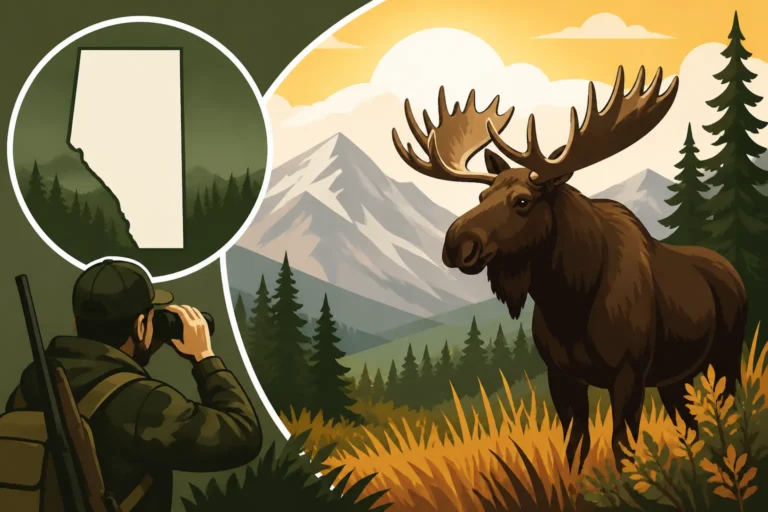
Hunting the Crowsnest Pass country can feel like stepping into a postcard, but beneath that stunning beauty lies a rugged challenge that tests even the most seasoned hunters. The steep mountains, dense timber, and unpredictable weather can make finding and pursuing game incredibly tough, leaving many feeling overwhelmed by the sheer scale of the landscape. This guide will help you understand the unique terrain, the game species that call it home, and practical strategies to increase your odds of success in this iconic Alberta hunting region.
The Unique Landscape and Hunting Challenges of the Crowsnest Pass
The Crowsnest Pass isn't just a scenic drive; it's a dynamic ecosystem where the Rocky Mountains meet the foothills, creating a mosaic of habitats and a demanding hunting environment. It's a place of extremes, where weather can change in an instant and elevation gains can wear you down quickly.
Geography and Terrain Diversity
Imagine a landscape carved by glaciers, winds, and powerful rivers. That's the Crowsnest Pass. You'll encounter everything from craggy, exposed peaks and steep, timbered slopes to rolling foothills, deep river valleys, and pockets of open grassland. This incredible diversity means game animals can find refuge in countless places, often making them incredibly difficult to pinpoint. The elevation can vary dramatically within a single Wildlife Management Unit (WMU), forcing you to be prepared for everything from high-altitude trekking to navigating thick, low-lying bush.
The vegetation changes with elevation, from dark timber stands of spruce and fir on north-facing slopes to aspen and willow pockets in the valleys and sunnier, south-facing hillsides. These transitions are key. For instance, elk often utilize the thermal cover of thick timber during the day and move to more open areas or clearcuts to feed in the evenings and mornings. Mule deer might prefer the broken country of rocky slopes and coulees for bedding and escape. Understanding these micro-habitats within the larger Crowsnest Pass context is crucial for effective scouting and hunting.
One of the biggest challenges here is simply covering ground effectively. The terrain is often too steep or thick for ATVs in many areas, pushing you to rely on your boots or, for dedicated mountain hunters, horses. This means your physical conditioning plays a huge role in how much country you can realistically hunt and how far you can get from the roads. Don't underestimate the energy required to hunt here; a simple 3-mile hike can feel like 10 when you're gaining 2,000 feet of elevation.
Weather Volatility and Its Impact on Hunting
If there's one thing hunters in the Crowsnest Pass learn quickly, it's to respect the weather. It's notoriously unpredictable. You can start your day with bluebird skies and by noon be hunkering down against a driving snowstorm or chilling rain. These rapid changes profoundly impact game movement and hunter comfort. A sudden drop in temperature or a fresh blanket of snow can push game into lower elevations or thicker cover, altering their patterns almost instantly.
Winter conditions can arrive early and stay late in the Crowsnest Pass. Deep snow can make travel impossible and force animals into critical winter ranges, which are often closed to hunting. Even during early archery seasons, crisp mornings can give way to warm afternoons, making meat care a priority. In late season, bone-chilling cold and high winds are common, demanding top-tier cold-weather gear and a solid understanding of Hunting Alberta Winter Weather Safely. Always pack layers, waterproof outer shells, and emergency supplies, even for what you think might be a short day hunt.
Wind, especially, is a constant factor in the Pass. It funnels through valleys and whips over ridges, making scent control a monumental challenge. Swirling winds can bust you even when you think you have the perfect approach. Learning to read the wind currents in mountainous terrain, and often adapting your stalk mid-approach, becomes a critical skill. Sometimes, waiting for a calmer period or shifting your strategy entirely is the only option when the wind is just too erratic.
Prime Game Species and Their Habits in the Crowsnest Pass
The Crowsnest Pass is renowned for its diverse big game opportunities, particularly for elk and mule deer, but it also holds populations of black bear and various predators, along with some upland bird species. Each species demands a unique approach, dictated by their natural habits in this challenging environment.
Elk and Mule Deer Hotspots
Elk are a significant draw for hunters in the Crowsnest Pass. These majestic animals thrive in the mix of timbered slopes, open clearcuts, and riparian areas found throughout the region. During the archery season, particularly in September, bull elk can be highly vocal, offering exciting bugling opportunities. Areas with fresh logging activity often create excellent feed and cover, drawing elk in. Focusing on higher elevation meadows early in the season, then transitioning to south-facing slopes and valley bottoms as the weather turns colder, can be an effective strategy. Remember, elk are intelligent and will quickly learn to avoid pressure, often retreating to the nastiest, thickest timber when disturbed. For more general information on locating these animals, refer to Elk Hunting Alberta's Foothills.
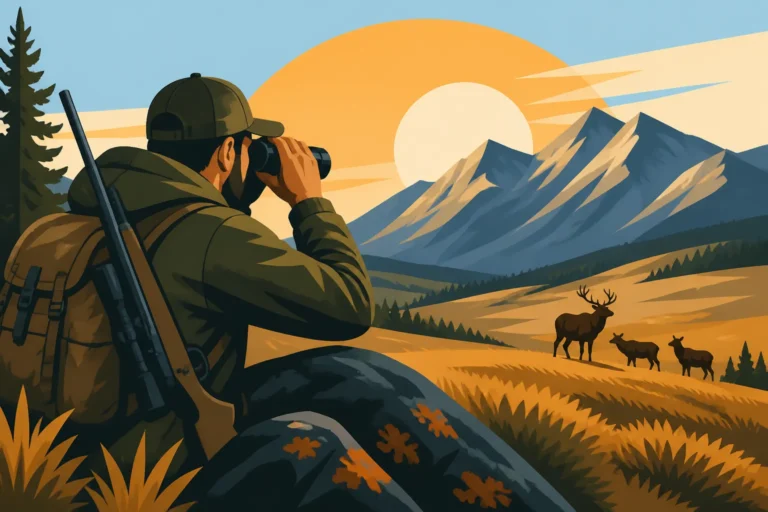
Mule deer are another popular species in the Crowsnest Pass, often found in the more broken, rocky terrain. They prefer areas with good visibility for spotting predators, so look for them on steep, rocky hillsides, coulee edges, and even open areas that transition into thicker cover. Early season mule deer might be found higher up, while late season often sees them pushed into lower, more sheltered areas, especially after significant snowfall. Glassing is your best friend here; spend long hours perched on a vantage point, systematically picking apart distant slopes and timber edges. Patience and good optics are non-negotiable when hunting mule deer in this country. Check out Hunting a Prairie Coulee Bottom for related strategies that can apply to similar terrain features in the Pass.
Bear and Predator Opportunities
Black bears are common throughout the timbered areas of the Crowsnest Pass, particularly in spring and fall. In spring, they emerge from dens and often head to green-up areas like south-facing slopes, avalanche chutes, and fresh clearcuts where they can find early grasses and forage. Fall hunting can be excellent as bears bulk up for winter, often frequenting berry patches or areas with abundant mast crops. When pursuing bears here, focus on areas with good natural food sources and consider stalking quietly through cutblocks or along old logging roads. Remember to always be bear aware, especially when moving through dense cover. For more specific tactics, see Black Bear Hunting in Alberta.
The Crowsnest Pass also offers opportunities for hunting predators such as wolves and coyotes. Wolves can be found throughout the wilderness areas, often following elk and deer herds. Hunting wolves typically requires a combination of tracking, calling, and sheer persistence. Coyotes are more prevalent in the more open, agricultural fringe areas closer to the communities, but can also be found in the foothills. Calling them in can be very effective, especially during winter months when they are actively seeking food. Hunting predators here can be a rewarding challenge, often adding an exciting dimension to your big game hunt.
Upland Birds and Small Game
While not always the primary focus, the Crowsnest Pass does hold populations of upland birds and small game for those looking to round out their hunting experience or simply enjoy some varied action. Ruffed grouse and spruce grouse can be found in the timbered areas, particularly along old logging roads, cutlines, and creek bottoms. Hungarian partridge might be encountered in the more open, grassy areas and farm fringes. Walking quietly and patiently through these habitats with a shotgun can often yield success. For a broader overview of opportunities, you can refer to Upland Bird Hunting in Alberta.
Additionally, snowshoe hare are plentiful in many of the thicker timber stands, providing a fun challenge with a small-caliber rifle or shotgun, especially during the winter months when their white coats make them a unique target. While these smaller species often take a backseat to the big game pursuits, they can offer a rewarding break and a chance to explore different facets of the Crowsnest Pass ecosystem. Always check the specific regulations for upland birds and small game, as seasons and limits can vary.
Accessing and Navigating the Crowsnest Pass for Hunters
One of the most critical aspects of hunting the Crowsnest Pass is understanding where you can go and how to get there. Alberta has specific regulations governing land access, and the varied topography of the Pass means access points and permissible travel methods are not always straightforward.
Understanding Public Land Use Zones (PLUZ)
A significant portion of the Crowsnest Pass falls within designated Public Land Use Zones (PLUZs), which are managed areas of Crown land with specific rules regarding recreation, including hunting. These zones aim to balance various user groups and resource extraction, so it's vital to know the regulations for the specific PLUZ you intend to hunt. For example, some PLUZs might restrict motorized vehicle use to designated trails, while others might have restrictions on camping or campfires during certain times of the year. Understanding these rules is crucial to avoid fines and ensure sustainable access for everyone. You can learn more about these areas in Alberta's Public Land Use Zones.
Before you head out, extensively use mapping tools like onX Hunt or GoHunt. These applications provide detailed layers showing Crown land boundaries, PLUZ designations, and often even trails and access roads. They are invaluable for planning your approach, identifying potential bottlenecks, and knowing exactly where you are in relation to specific regulations. For instance, knowing if a trail is open to quads or if a particular section is walk-in only can save you a lot of time and potential trouble. Even a simple Reading Alberta's Crown Land Layers on onX can dramatically improve your preparation.
Remember that while PLUZs offer excellent public access, they can also experience heavy pressure, especially during opening weekends and peak rut periods. Don't be afraid to put in the extra miles on foot to get away from road hunters and find undisturbed game. Often, the best hunting begins where the road ends, and the trails thin out. Being willing to hike into more remote areas, or utilizing a horseback outfitter, can be the key to a more successful and solitary hunting experience in the Crowsnest Pass.
Private Land and Permission Protocols
While there is ample Crown land in the Crowsnest Pass, you'll also encounter private land, especially in the valley bottoms and agricultural pockets. Hunting on private land without explicit permission from the landowner is illegal and strictly enforced under Alberta's Trespass Act. It's incredibly important to identify private property boundaries, which is another area where mapping applications like onX Hunt become indispensable. These tools can show you property lines and sometimes even landowner names, making it easier to seek permission.
Approaching landowners respectfully and well in advance of the season is your best bet. A face-to-face conversation, where you explain your intentions and offer to share some of your harvest, can go a long way in building trust. Many farmers and ranchers are willing to grant access to ethical hunters who respect their land and livestock. Be prepared for rejection, however, and always accept a "no" gracefully. A single negative encounter can ruin access for many other hunters down the line. Remember, securing Getting Permission for a Goose Field often applies to big game opportunities as well.
| Land Type | Key Access Rule | Typical Hunting Pressure | Best Tool for Identification |
|---|---|---|---|
| Public Land Use Zone | Specific regulations (e.g., vehicle, camping) | Moderate to High | onX Hunt, GoHunt, Government Maps |
| Crown Land (General) | Generally open, but check local rules | Variable | onX Hunt, GoHunt, Government Maps |
| Private Land | Permission REQUIRED from landowner | Low to Moderate | onX Hunt (with landowner layer) |
| Forestry Roads | Access can be restricted by gates, seasonal closures | Variable | onX Hunt, Local Forestry Office |
Always be mindful of livestock, fences, and farm infrastructure when on private land. Close gates, don't damage property, and leave no trace. Building good relationships with landowners not only expands your hunting opportunities but also fosters a positive image for the hunting community as a whole. Sometimes, the best spots for deer or elk might be on the edges of private pastures where they feel secure but are still accessible from adjacent public land.
Strategies for a Successful Hunt in the Crowsnest Pass Terrain
Hunting in the Crowsnest Pass demands more than just a good shot; it requires meticulous planning, the right gear, and a flexible mindset. The mountains here will test your resolve and your preparation.
Scouting and E-Scouting Essentials
Effective scouting is paramount in the Crowsnest Pass. Given the vastness and ruggedness of the terrain, you simply can't "learn" it all in a weekend. Start your scouting long before the season opens, and embrace e-scouting tools like onX Hunt and GoHunt. Use satellite imagery to identify potential game funnels, bedding areas, water sources, and natural clearings. Look for variations in timber density, changes in elevation, and south-facing slopes that might hold early green-up or late-season snow-free forage. Scouting With Satellite Imagery in Alberta is a powerful technique here.
When you hit the ground, focus on finding fresh sign. Look for tracks, rubs, scrapes, and droppings, paying attention to their age. Follow game trails to understand how animals move between feeding and bedding areas. Don't just look for game; look for patterns of game movement. Where are they crossing creeks? What ridges are they using to travel? What kind of cover are they ducking into when disturbed? Knowing these details will allow you to anticipate their movements during your hunt. Consider early season scouting trips to hike areas you plan to hunt, checking for sign and getting a feel for the lay of the land without the pressure of an open season.
Trail cameras, used ethically and legally, can also be a game-changer. Place them on well-used game trails, near water sources, or in feeding areas to get a better understanding of what animals are in the area and when they are active. This intelligence can help you pinpoint prime hunting spots and determine the best times to be there. Remember, successful scouting is about gathering information to build a comprehensive picture of animal behavior in your chosen area.
Gear and Preparedness for Mountain Hunting
Hunting in the Crowsnest Pass is inherently a mountain hunt, even in the foothills. This means your gear choices and personal preparedness are critical. Layering is not a suggestion; it's a necessity. Temperatures can swing wildly from morning to afternoon, and wet, cold weather can quickly lead to hypothermia. Invest in good quality base layers, insulating mid-layers, and waterproof, breathable outer shells. Your boots need to be waterproof, offer excellent ankle support, and be well broken-in to prevent blisters on long, steep hikes.
Beyond clothing, a reliable backpack capable of hauling meat is essential. You might be several miles from the nearest road when you make a kill, and getting that animal out is where the real work begins. Always carry a first-aid kit, fire-starting materials, a headlamp, extra batteries, a knife, flagging tape, and plenty of water or a water filter. A satellite communication device is highly recommended, as cell service is spotty at best in many parts of the Pass. Having an emergency plan and letting someone know your itinerary is non-negotiable. For general safety, consider reading Winter Truck Kit for an Alberta Hunt.
Physical fitness cannot be overstated. Start training well before your hunt. Hiking with a weighted pack, doing exercises that build leg strength and endurance, and practicing drawing your bow or holding your rifle steady after exertion will pay dividends. The ability to climb a steep ridge without being completely winded, or to maintain focus after hours of hiking, can directly impact your success. Don't let your body be the weakest link in your hunting preparation.
Tactical Approaches for Different Species
When hunting elk in the Crowsnest Pass, especially during the rut, calling can be highly effective. Learn to use cow calls, bugles, and even calf calls to locate and draw in bulls. Be mindful of terrain and wind when calling, as elk have excellent hearing and sense of smell. Still-hunting through timbered areas, especially in the early mornings or late evenings, can also be productive. Look for fresh tracks and move slowly, stopping often to scan and listen. On more open slopes, utilize glassing from afar, then plan a careful stalk using terrain features for cover. Refer to Bugling Elk in Alberta's Foothills for more insights.
For mule deer, spot-and-stalk is often the most successful method. Climb to a high vantage point before dawn and use high-quality binoculars or a spotting scope to systematically glass every open patch, every coulee, and every timber edge. Take your time; deer often blend in incredibly well. Once you spot a buck, plan your stalk meticulously, paying close attention to wind direction, terrain features that offer cover, and the deer's behavior. Mule deer in this broken country are masters of disappearing, so be patient and persistent. Stalking Mule Deer in Badlands Breaks shares relevant tactical advice.
Black bears can be hunted by stalking through known feeding areas like berry patches or old clearcuts, or by sitting and glassing over bait (where legal and permitted, always check local regulations). For predators like coyotes, various calling techniques can be used, ranging from distress calls to challenge howls. Positioning yourself effectively with the wind in your favor is crucial for calling success. Ultimately, adapting your strategy to the specific species, the time of year, and the ever-changing conditions of the Crowsnest Pass will be your greatest asset.
Disclaimer
This article is for general informational purposes only and does not constitute professional advice. Laws, prices and regulations vary by location and change over time. Consult a qualified professional for guidance on your specific situation.