Best Alberta Public Ground for Moose
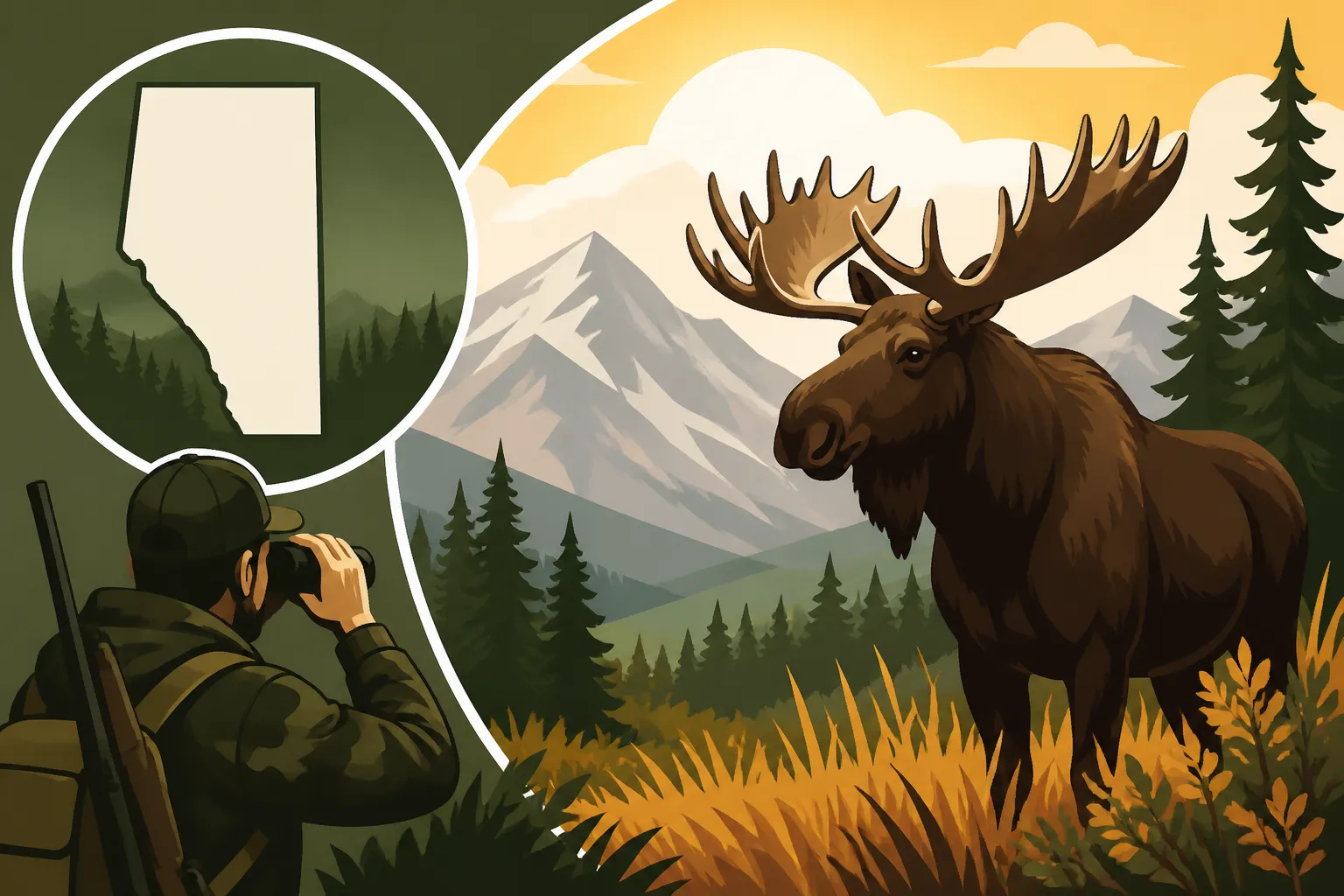
Hunting moose on Alberta's vast public lands can feel like searching for a needle in a haystack, especially when you're trying to figure out where the best opportunities lie without the benefit of private land access. Many hunters struggle to pinpoint those prime areas where moose are consistently found and accessible, often spending valuable time in low-density zones or dealing with unexpected access issues. This guide is here to break down exactly where you can find the best public ground for moose in Alberta, offering insights into their preferred habitats, specific regions to target, and practical strategies to make your public land hunt a success.
Understanding Alberta's Moose Habitat on Public Lands
Moose are creatures of habit, heavily relying on specific habitat types for food, cover, and water. Knowing what these habitats look like and where to find them on public land is the first step to a successful hunt. Alberta's diverse landscape offers various environments where moose thrive, from dense forests to marshy lowlands.
The Boreal Forest: A Moose Stronghold
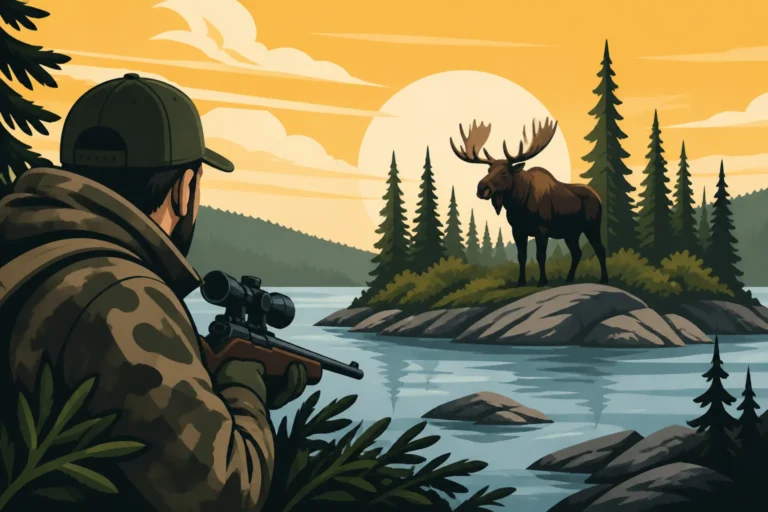
When most folks think about moose in Alberta, their minds often go straight to the vast northern boreal forest. And for good reason! This sprawling wilderness, stretching across the northern half of the province, is truly a moose stronghold. It offers everything a moose needs: abundant browse, plentiful water, and thick cover. You'll find a mosaic of trembling aspen, balsam poplar, white spruce, and black spruce, interspersed with willow-choked creek bottoms, boggy muskegs, and numerous lakes and rivers. This isn't just a place where moose exist; it's where they flourish.
Within the boreal forest, moose especially favour areas that have seen some disturbance, like recent cutblocks from logging operations or areas recovering from wildfires. These areas often explode with new growth – willow, aspen, and other deciduous shrubs – which are prime moose forage. Think about hunting a cutblock in its second or third year, when the new growth is coming up strong but hasn't yet turned into an impenetrable wall. They also love to hang out along the edges of these cutblocks, where they can feed in the open and quickly dart back into the dense timber for cover. Same goes for those long, straight seismic lines and pipeline rights-of-way; they offer easy travel routes and excellent feeding opportunities on the regenerating vegetation. These linear features are like highways and grocery stores for moose, and understanding how moose use them is key to success. You'll often find yourself Hunting Moose Along Cutlines and Seismic Lines if you spend time in the boreal.
Foothills and Parkland Moose Hotspots
While the boreal forest gets a lot of attention, don't overlook Alberta's foothills and even some of the more northern parkland regions. These areas might not have the sheer density of moose found further north, but they can offer excellent, often less pressured, opportunities, especially for resident hunters. The foothills, running along the eastern slopes of the Rocky Mountains, provide a mix of coniferous and deciduous forests, river valleys, and higher elevation plateaus. Moose here thrive in the riparian areas along creeks and rivers, where lush willows and other browse plants are plentiful. They'll also move into the denser timber for security, particularly during hunting season.
In the northern reaches of the parkland, where agriculture begins to blend with aspen bluffs and wetlands, you can also find pockets of moose. These areas typically have a lower overall population, but the moose that are present can be surprisingly large due to rich forage. They often inhabit river corridors like the Athabasca, Peace, or North Saskatchewan, or seek refuge in larger aspen stands and wetland complexes that offer both food and escape cover. Access in these areas can be a bit more complicated, as public land often exists as scattered parcels or along major waterways, intertwined with private agricultural operations. However, with good scouting and permission where needed, these can be rewarding spots.
How Habitat Features Influence Moose Presence
Moose are highly dependent on certain habitat features that meet their daily and seasonal needs. Understanding these preferences helps hunters predict where moose are likely to be found. First and foremost, moose need a lot of food. They are browsers, meaning they prefer to eat twigs, leaves, and shrubs rather than grass. Willows, aspen, dogwood, and balsam fir are some of their favourites. Therefore, areas with abundant young, regenerating woody vegetation are always prime spots. Look for areas impacted by logging, fire, or even heavy beaver activity, which creates new growth.
Water is another critical component of moose habitat. Not only do they need to drink, but aquatic vegetation is a significant part of their diet, especially in summer. Lakes, ponds, slow-moving rivers, and boggy areas are all magnets for moose. In the warmer months, they'll spend hours cooling off and feeding in these watery environments. Even in fall and winter, these water sources provide essential moisture and can be travel corridors. Finally, dense cover is crucial for security, especially for bedding down during the day or escaping predators and hunters. Areas with thick spruce stands, impenetrable willow thickets, or even just heavy stands of mature aspen provide this necessary sanctuary. These elements – food, water, and cover – are rarely found in isolation; moose prefer areas where all three are readily available within a relatively small home range.
Key Public Land Areas for Moose Hunting
Now that we understand what moose need, let's talk about where to find those habitats on Alberta's public lands. While you can certainly find moose in many corners of the province, some areas are simply better bets due to their extensive public access and suitable habitat.
Exploring Specific Wildlife Management Units (WMUs)
Alberta is divided into numerous Wildlife Management Units (WMUs), and understanding their characteristics is crucial for any hunter. For moose, generally speaking, you'll want to focus on WMUs within the "Green Area" of the province, which is largely comprised of Crown land. This includes the vast stretches of boreal forest in the northern WMUs and the foothills WMUs along the mountains. WMUs in the 300-series (Foothills), 500-series (Boreal Forest), and even some of the northern 400-series (Peace River Country) are often your best bets.
Some examples of consistently productive moose WMUs are found in the northern reaches, like those around Grande Prairie, Swan Hills, or Lac La Biche. These units often feature large tracts of undisturbed forest, abundant wetlands, and active logging operations that create ideal moose browse. Further south, in the foothills, WMUs near Hinton, Edson, or Rocky Mountain House can also be excellent, particularly along major river systems and in areas with good coniferous forest cover. Before you commit to a specific area, it's wise to do some pre-season research. Look at the historical harvest data, check the current regulations for that WMU, and use online mapping tools to assess the terrain and public land boundaries. You can find detailed information on Alberta's Wildlife Management Units on the government website.
Accessing Public Land Use Zones (PLUZs)
Public Land Use Zones (PLUZs) are designated areas of Crown land, primarily in the eastern slopes of the Rocky Mountains and some parts of the boreal forest, that have specific rules for recreational use, including hunting. These are fantastic resources for public land moose hunters, as they encompass vast areas of wilderness with relatively good access, although vehicle restrictions often apply further into the backcountry. PLUZs like the Ghost, McLean Creek, and Willmore Wilderness Park offer tremendous opportunities for a backcountry moose hunt, especially if you're willing to go in on foot, horseback, or with an OHV where permitted.
The key to hunting PLUZs is understanding their specific rules and boundaries. Each PLUZ has its own management plan, which dictates everything from camping regulations to OHV use. For example, some PLUZs might restrict motorized access to designated trails only, meaning you'll need to hike or ride further to get away from pressure. Others might allow more extensive off-trail use during certain periods. Using a detailed map, such as those provided by onX Hunt or GoHunt, is absolutely essential when planning a hunt in a PLUZ. These tools clearly mark PLUZ boundaries, trails, and land ownership, helping you stay legal and find prime habitat. They can also help you identify areas where Quad and Side-by-Side Rules on Crown Land might allow you deeper into the country.
Provincial Grazing Reserves and Crown Land Parcels
Beyond the large tracts of boreal forest and designated PLUZs, Alberta also has numerous Provincial Grazing Reserves and scattered quarter-sections of Crown land, particularly in the white area (agricultural zone). While many of these areas are primarily managed for cattle grazing, they can hold surprisingly good numbers of moose, especially if they contain significant willow flats, aspen bluffs, or riparian zones. These areas often see less hunting pressure for moose than the deep bush, simply because many hunters overlook them or don't want to deal with potential livestock.
Accessing these areas often requires more diligence. Provincial Grazing Reserves usually allow public access for hunting, but it's always best practice to contact the local range manager or leaseholder to inform them of your intentions, especially if livestock are present. For isolated Crown land parcels nestled within private farmland, you might need to gain permission from adjacent landowners to access them, as often there is no direct public road. This is where tools like onX Hunt are invaluable, showing property boundaries and landowner information to help you identify and contact the right people. Don't dismiss these smaller, often overlooked pieces of public ground; they can be incredibly productive, particularly if you're willing to knock on a few doors and secure proper access. For more on this, check out Finding Access on Alberta Crown Land.
Effective Strategies for Public Land Moose Hunts
Hunting moose on public land requires a blend of preparation, persistence, and strategic thinking. Unlike private land, you're often competing with other hunters, and moose can be more skittish.
Scouting and E-Scouting for Moose Sign
Effective scouting is paramount for public land moose hunting. You can't just drive around and expect to find them; you need to put in the legwork. Begin with "e-scouting" from home using satellite imagery tools like onX Hunt. Look for the key habitat features we discussed: dense cover, water sources (lakes, rivers, bogs), recent cutblocks, old burns, and riparian corridors. Pay close attention to linear features like old logging roads, seismic lines, and pipeline corridors that moose use for travel. Scouting With Satellite Imagery in Alberta can give you a massive head start, allowing you to identify potential bedding areas, feeding zones, and travel routes before you ever set foot in the bush.
Once you've identified promising areas on your map, it's time for boots-on-the-ground scouting. This could be weeks or months before the season opens. Look for fresh moose sign: large tracks, heavily browsed willows or aspen (often with frayed ends from their strong pull), rub lines on trees (especially during the rut), and droppings. During the rut, you might also find old wallows where bulls have challenged each other. Focus on areas away from easy access points, as these tend to hold less pressured animals. Remember, moose are big animals, and they need a lot of space and a lot of food, so look for large tracts of continuous, good habitat. Even after a hard winter, moose will still congregate in areas with available browse, which you can identify through diligent scouting.
Tactics for Calling and Still-Hunting Public Moose
Moose hunting often boils down to two primary tactics: calling and still-hunting. Both can be highly effective on public land, especially when used strategically. Calling is particularly potent during the rut, typically in late September and early October, when bulls are actively seeking cows. Imitating cow calls, grunts, and even rake calls (mimicking a bull rubbing antlers on trees) can draw in curious or aggressive bulls. The boreal forest, with its dense timber and numerous clearings, is perfect for calling. Set up in an area with good visibility and clear shooting lanes, but also with dense cover behind you to conceal your position. Give your calls time to work, as moose can be slow to respond, and their excellent hearing means they might circle downwind before presenting themselves. For an in-depth look, see Calling Moose in Alberta's Boreal Forest.
Still-hunting, or slowly moving through the forest, is effective throughout the season, especially in areas with fresh sign or during periods when moose aren't as responsive to calls. This tactic requires patience, keen observation, and an understanding of moose behaviour. Move slowly, pausing often to scan your surroundings, listening for the sounds of a moose feeding, walking, or breaking branches. Pay attention to the wind direction to avoid having your scent carry to your quarry. Focus on areas with good cover and fresh tracks, moving into the wind or crosswind. Often, the biggest challenge on public land is dealing with other hunters; try to find areas that are harder to access, forcing you to walk further, and you'll often be rewarded with less pressured animals.
Dealing with Hunting Pressure and Access Challenges
Public land hunting in Alberta, especially for popular species like moose, inevitably means dealing with hunting pressure. Weekends, particularly the opening weekend of general season, can see many hunters in easily accessible areas. To increase your odds, you need to be willing to work harder and go further than most. This often means embracing remote areas, or those requiring significant foot travel, an ATV, or even horseback.
A common strategy is to hunt mid-week when pressure is lower, or to push deep into areas that most hunters won't bother with. Use your onX Hunt maps to find those isolated pockets of Crown land that are difficult to reach, perhaps surrounded by private land where access requires permission, or simply a long hike from the nearest road. Sometimes, hunting closer to active logging operations can pay off, as the heavy machinery noise might deter some hunters, while the new growth attracts moose. Be prepared to adapt your strategy based on the amount of pressure you encounter. If a spot is crowded, don't be afraid to move to your backup plan, even if it means relocating several kilometres away.
Navigating Regulations and Ethical Considerations
Successfully hunting moose on Alberta public land isn't just about finding the animals; it's also about understanding and respecting the rules and the land itself.
Essential Licensing and Tag Requirements
Before you even think about heading out, ensure all your licensing and tag requirements are in order. As a resident of Alberta, you'll need a valid Alberta Hunting Licences and What They Cost, a Wildlife Certificate, and the appropriate moose tag. Moose in Alberta are often hunted via a draw system, particularly for antlered animals in specific WMUs, but there are also general season opportunities in many boreal and foothills WMUs that don't require a draw. Make sure you understand whether the WMU you intend to hunt has a general season, or if it requires a special licence obtained through the Alberta's Special Licence Draws.
Always double-check the regulations for the specific WMU you are hunting, as season dates, bag limits, and antler restrictions can vary. Some WMUs might have "antlered moose" seasons, while others might offer "antlerless" or "calf" tags. Ignorance of the law is never an excuse, so carry your current regulations manual and consult it regularly. When you successfully harvest a moose, be sure to properly attach your tag as required by law and report your harvest. This information is crucial for wildlife management and ensures the sustainability of Alberta's moose populations.
Respecting Land Use and Minimizing Impact
Hunting on public land is a privilege, not a right, and it comes with the responsibility to be a good steward of the land. This means practicing "Leave No Trace" principles. Pack out everything you pack in, including all your garbage, spent casings, and any other debris. Avoid creating new trails or damaging vegetation unnecessarily. If you use an ATV or side-by-side, stick to designated trails and roads to minimize environmental impact and prevent conflicts with other land users. Remember that many public lands are multi-use areas, shared with hikers, campers, birdwatchers, and other recreationalists.
Beyond environmental impact, respecting other land users and landowners is paramount. If you're hunting near private property, know your boundaries and ensure you have permission if you need to retrieve game from private land. Maintain a respectful distance from residences and livestock. Being courteous to other hunters you encounter can go a long way in fostering a positive hunting culture. Ultimately, our collective behaviour on public lands dictates future access and public perception of hunting. Be an ambassador for hunting, and help preserve these incredible opportunities for generations to come.
| Public Land Type | Typical Moose Habitat | Access Considerations | Pros | Cons |
|---|---|---|---|---|
| Boreal Forest (Crown Land) | Dense spruce/aspen, cutblocks, burns, bogs, rivers | Extensive, but often remote; may require quads/hiking | High moose density, vast wilderness, less pressure deep in | Very remote, challenging terrain, can be hard to retrieve game |
| Foothills PLUZs | Mixed forest, river valleys, higher elevations | Designated trails for OHVs/hiking; specific rules apply | Good opportunities for backcountry hunts, scenic | Can be heavily pressured near access points, strict OHV rules |
| Provincial Grazing Reserves | Aspen bluffs, willow bottoms, riparian areas, wetlands | Often require contacting leaseholder; some open access | Moose can be found in unexpected places, less overall pressure | Interspersed with livestock, potentially fragmented habitat |
| Scattered Crown Parcels | Aspen bluffs, creek bottoms, shelterbelts, wetlands | Often surrounded by private land; may need permission | Can hold big moose due to rich forage, very low pressure | Access can be a major challenge, parcels may be small |
| River Corridors (Crown) | Heavy riparian growth, islands, dense bush on banks | Boat or foot access along river; may be challenging | Consistent water and browse, moose use as travel corridors | Can be hard to hunt without a boat, thick vegetation, public access points limited |
Finding the best public ground for moose in Alberta is an adventure that combines diligent scouting, an understanding of moose ecology, and a commitment to ethical hunting. By focusing on the vast boreal forest, navigating the specific rules of PLUZs, and even exploring overlooked grazing reserves and Crown land parcels, you can significantly increase your chances of a successful hunt. Remember, persistence pays off, and the satisfaction of harvesting a moose on Alberta's public lands is a truly rewarding experience.
Disclaimer
This article is for general informational purposes only and does not constitute professional advice. Laws, prices and regulations vary by location and change over time. Consult a qualified professional for guidance on your specific situation.