Hunting North of Fort McMurray
Hunting north of Fort McMurray isn't your average Sunday drive to a hunting spot. This is big, raw, and sometimes unforgiving country, challenging even the most experienced hunter with its vastness and remote access. Many hunters dream of pulling a big boreal moose out of this wilderness, but getting there and executing a successful hunt comes with its own set of unique frustrations. This guide is here to help you navigate the unique landscape, prime species, access challenges, and successful strategies for a memorable, and safe, hunting adventure north of Fort McMurray.
The Unique Landscape of Northern Fort McMurray
When you look at a map of Alberta, the area north of Fort McMurray just screams "wild." It's one of the last true wilderness frontiers in the province, a place where the human footprint is still relatively small compared to the immense tracts of forest. Understanding this landscape isn't just about knowing where to go; it's about respecting the sheer scale and adapting your entire hunting approach to its demands.
Boreal Forest Dominance
Imagine endless miles of dense spruce and pine, interrupted by vast bogs and muskegs that can swallow a quad whole if you're not careful. This is the heart of Alberta's boreal forest, and north of Fort McMurray, it's particularly overwhelming. The tree cover is incredibly thick, making long-range glassing a pipe dream for most big game species. Your visibility might be limited to fifty yards, sometimes even less, pushing you to become a stealthier, more patient hunter.
This dense canopy also affects animal movement. While game certainly travels through the thick stuff, they often opt for paths of least resistance. These could be old game trails worn through generations, the edges of drier ground bordering a muskeg, or even the sparse openings created by past wildfires or industrial activity. Understanding these natural corridors is crucial, as simply busting through the bush will likely send any wary animal running before you even know it's there. The sheer scale means you need to think big, but hunt small, focusing on micro-terrain within the vastness.
The ground itself can be a challenge, too. Beyond the thick timber, you'll encounter areas of uneven ground, tangled underbrush, and swampy depressions that make walking a serious workout. This isn't flat, open prairie hunting; every step is an effort, and dragging out an animal will feel like an expedition in itself. Being physically prepared for this kind of terrain is paramount, as is having footwear that can handle constant moisture and varying ground conditions.
Rivers, Lakes, and Water Systems
The boreal forest north of Fort McMurray is crisscrossed by an intricate web of rivers, lakes, and smaller water systems. The mighty Athabasca River is the main artery, but countless tributaries, creeks, and secluded lakes dot the landscape. These water bodies are incredibly important for both the wildlife and the hunters pursuing them. For animals like moose, these watery expanses provide essential habitat, feeding grounds, and natural travel routes. They'll often browse along willow-choked shorelines or use islands for security.
For hunters, these water systems can be your best friend or your biggest obstacle. Rivers often provide the only practical access deep into otherwise impassable areas, allowing you to boat further than you could ever drive or walk. Hunting along these river corridors can be productive, as animals use them just like humans use roads. You might find fresh tracks along a muddy bank or spot a moose feeding in a remote bay.
However, these same waterways can also create significant barriers, forcing long detours or requiring specialized equipment like canoes or small boats. Understanding the flow of the rivers, especially the Athabasca, and knowing which lakes are accessible is key to planning your hunt. Water levels can fluctuate seasonally, so what's passable in early fall might be completely different later in the year. Using good mapping tools to identify potential boat launches and navigable stretches is essential for success here.
Industrial Footprint and Its Impact
It's impossible to talk about hunting north of Fort McMurray without addressing the significant industrial footprint from oil and gas exploration and forestry. While this might initially sound contradictory to "wilderness," these activities have actually reshaped the landscape in ways that both challenge and create opportunities for hunters. You'll encounter networks of old seismic lines, cutlines, pipeline corridors, and logging clearcuts throughout the region.
These linear features can be a blessing by providing much-needed access and clearings within the dense boreal forest. An old seismic line might allow you to get further on a quad than you could ever walk, opening up new areas that see less pressure. Old clearcuts, especially those a few years post-logging, often grow back with thick willow and aspen, creating incredible browse for moose and cover for bears. These regenerated areas can be absolute hotspots if you can find them.
On the flip side, the industrial presence means you might encounter active worksites, which are off-limits for hunting and can disrupt wildlife. More importantly, these access routes can concentrate other hunters, especially closer to main roads. The challenge lies in using these features to your advantage to get beyond the immediate pressure, finding those less-trodden paths that lead to undisturbed pockets of game. Satellite imagery, which tools like onX Hunt and GoHunt provide, becomes indispensable for identifying these features and planning your route, allowing you to scout from your couch before ever stepping foot in the bush.
Prime Species and Their Habits in the Far North
The boreal forest north of Fort McMurray is home to some incredible big game animals, but none capture the imagination quite like the moose. While other species certainly roam these woods, it's often the quest for a magnificent bull moose that draws hunters to this remote corner of Alberta. Understanding what these animals eat, where they live, and how they behave is crucial for a successful hunt.
Moose: The Kings of the Boreal
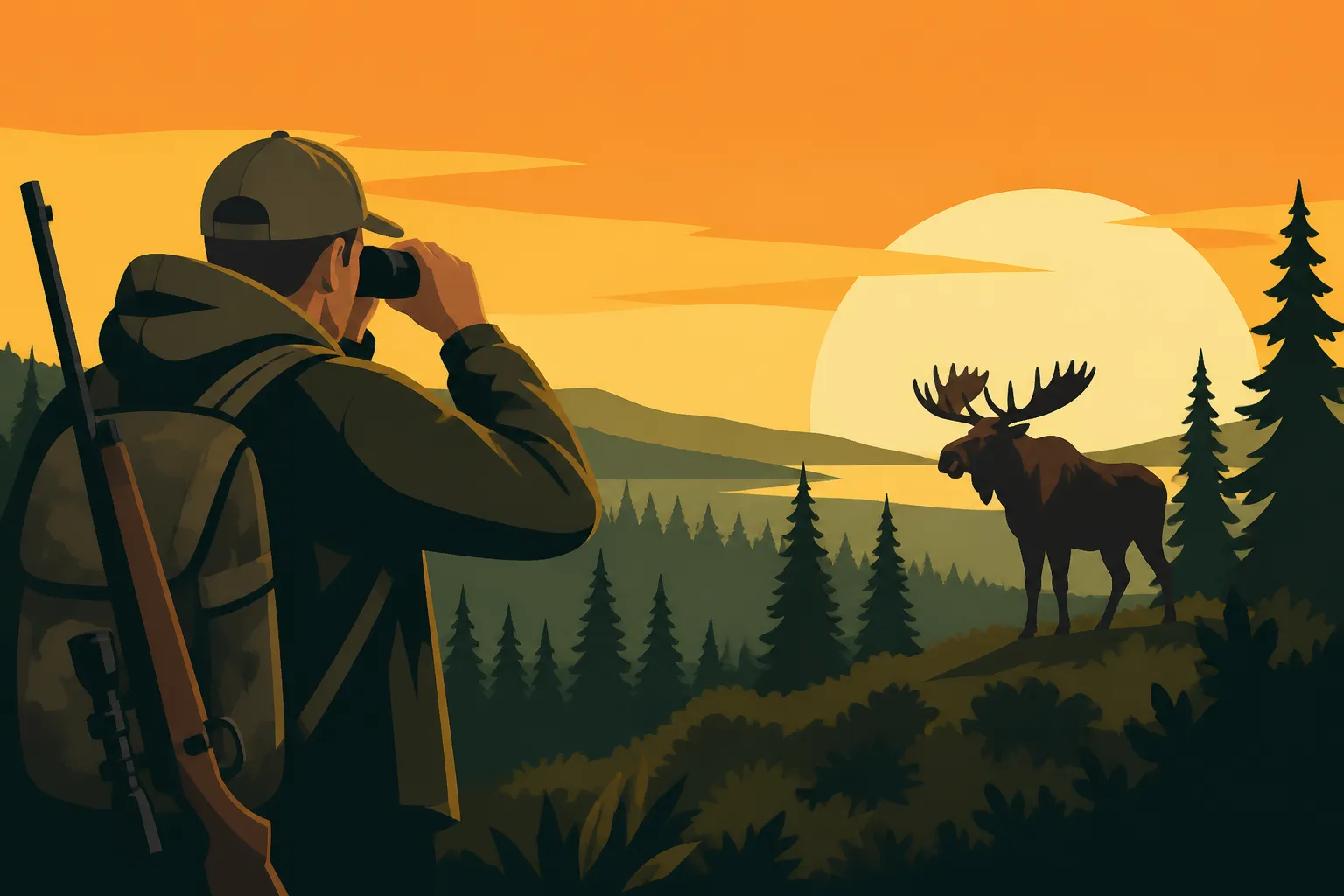
If there's one animal that defines hunting north of Fort McMurray, it's the moose. These majestic creatures thrive in the dense, wet, and food-rich environment of the boreal forest. They are absolutely the kings here, and the area is renowned for its potential to produce truly impressive bulls. Moose prefer a mosaic of habitat: thick timber for cover, bog edges and willow flats for browsing, and new growth in old burns or cutblocks. They're often found near water, whether it's a small pond, a slow-moving creek, or the edge of a large lake, as aquatic vegetation is a key part of their diet.
During the rut, typically in late September and October, moose become more vocal and active, making them vulnerable to calling strategies. Hunters will often try to mimic cow calls or bull grunts to entice a curious or territorial bull into range. This kind of hunting requires immense patience and an understanding of moose vocalizations. Finding a good calling setup, often along a muskeg edge or in a dense willow patch, is critical. Remember, moose are big, powerful animals, and once you've put one down, getting it out of this country is a monumental task. Planning for meat care and extraction is just as important as the hunt itself. For more on this, check out Calling a Bull Moose in the Rut.
Moose movement patterns in this dense cover are often dictated by food availability and security. They'll frequent areas where young willow, aspen, and other browse species are regenerating, often in old logging cutblocks that are a few years old. They'll also use dense stands of spruce and pine for bedding and escape cover. Their sheer size means they can move through incredibly thick brush, but they'll often utilize any opening or natural trail they can find. Look for heavily used trails, fresh tracks, and rubbed trees indicating a bull's presence.
Black Bear Abundance and Seasonal Patterns
The black bear population north of Fort McMurray is robust, offering excellent opportunities for both spring and fall hunts. These omnivores thrive on the abundant natural food sources found in the boreal forest. In the spring, bears emerge from their dens hungry and are often found frequenting green-up areas like grassy cutlines, pipeline clearings, or south-facing slopes where new vegetation appears first. They'll also seek out winter-killed animals or carrion.
Fall hunting for bears often revolves around the availability of berries, particularly blueberries and saskatoons, which grow in profusion in many areas. Bears will gorge themselves on these high-calorie foods, building up fat reserves for winter. Hunting over natural food sources, or setting up a bait site if regulations permit, can be highly effective. The dense cover also means many of these bears are less pressured than those in more accessible regions, and you stand a good chance of encountering different color phases, from the common black to cinnamon or even blonde.
Recognizing bear sign is key. Look for flipped rocks and logs where they've searched for grubs, scat filled with berries or vegetation, claw marks on trees, and well-worn trails leading to feeding areas. Bears are intelligent and wary, so quiet movement and an understanding of wind direction are crucial. Whether you're hunting in the spring or fall, always be bear aware; you're in their home, and respecting their presence is paramount. For detailed strategies, consider Baiting Black Bear in Alberta or Spring Bear Hunting Alberta's Cutblocks.
Wolves and Coyotes: Opportunistic Predators
While moose and bear are the primary draws, the northern boreal forest is also home to a healthy population of predators, notably wolves and coyotes. These animals play a vital role in the ecosystem, keeping prey populations healthy and vigilant. Hunting wolves, in particular, in such vast and challenging country, offers a unique and demanding experience for those up to the task. They are incredibly elusive and require a deep understanding of their habits and territory.
Wolves often travel in packs, utilizing the same travel corridors as their prey, such as old seismic lines, river valleys, and major game trails. Their presence means local game can be more spread out and wary, but it also means there's an opportunity for a truly wild hunt. Coyotes are also present, especially on the fringes of more open areas or near industrial clearings, where they might prey on smaller game or scavenge.
For the dedicated predator hunter, calling can be an effective strategy, especially during the colder months when food sources are scarcer. Mimicking distress calls can sometimes draw in curious or hungry predators. However, success rates are typically lower than for other big game, making a wolf or coyote harvest a significant trophy earned through persistence and skill. Understanding their behaviour and calls can be a true art form. You can learn more about specific techniques in Calling Wolves in Winter Bush.
Navigating Access and Hunter Considerations
The biggest challenge, and often the greatest reward, of hunting north of Fort McMurray is access. This isn't a place where you can typically drive your truck right to your stand. The sheer scale of the boreal forest and the limited road network mean that getting into prime hunting areas requires planning, specialized equipment, and a healthy dose of self-reliance.
Remote Access and Logistical Challenges
Forget paved roads and easy turn-offs once you leave the main arteries around Fort McMurray. Access to the truly wild areas is typically via forestry roads, old industrial access roads, cutlines, seismic lines, and river systems. Many of these routes are seasonal, becoming impassable in wet conditions or during spring thaw. This means you'll likely rely on quads, side-by-sides, or even boats to penetrate deeper into the bush. Some of the most remote, unpressured areas might even require bush planes or extended river travel.
The logistical challenges are immense. You need to plan for fuel, repairs, and navigation with precision. A breakdown far from any cell service can quickly turn into a serious situation. Carrying spare parts, tools, and knowing basic mechanics for your ATV or boat is not optional; it's essential. This is where robust planning and reliable navigation tools truly shine. onX Hunt and GoHunt, for example, can be invaluable for pinpointing obscure access points, mapping out quad trails, and identifying potential river hazards, all from satellite imagery before you even leave home.
Consider the time investment, too. Getting to your chosen hunting block might take hours, if not a full day, of travel from Fort McMurray itself. This often means establishing a spike camp or a base camp deep in the bush, necessitating extra gear, food, and water. Embrace the journey as part of the adventure, but don't underestimate the demands it will place on your resources and time. For guidance on ATV use, refer to Quad and Side-by-Side Rules on Crown Land.
Crown Land and Public Land Use Zones (PLUZ)
The vast majority of the land north of Fort McMurray is Alberta Crown Land, meaning it's public land open to responsible hunting. This is a huge advantage, as you don't need to worry about private land permission for the most part. However, "Crown Land" isn't a blanket term; specific regulations can apply depending on the area. Some regions might be designated as Public Land Use Zones (PLUZ), which have their own rules regarding camping, motorized access, and fire restrictions. It's crucial to check the current Alberta hunting regulations and any specific PLUZ guidelines for your intended hunting area.
While much of the Crown Land is open, remember that industrial operations may hold leases or permits for certain areas, and you must respect active worksites or posted exclusion zones. The general rule of thumb is to be aware of your surroundings and always check for signage. Even on Crown Land, showing respect for the environment and leaving no trace is paramount to preserving these wild spaces for future generations. For a broader understanding of accessing public land, see Hunting Alberta's Crown Land.
The sheer availability of public land can be overwhelming, which loops back to the need for advanced scouting. Don't just pick a spot on the map; use your digital tools to identify features that concentrate game, areas with minimal human impact, and reliable access routes. This pre-hunt preparation is key to turning vast wilderness into a manageable, productive hunting block.
Essential Gear and Safety in Remote Territory
Hunting north of Fort McMurray is a serious undertaking that demands a comprehensive approach to gear and safety. You are often hours, if not days, from any immediate help, and conditions can change rapidly. A reliable GPS unit with pre-loaded maps (and a backup!), a compass, and paper maps are absolute must-haves. Cell service is virtually non-existent in many areas, so a satellite messenger (like a Garmin inReach or Zoleo) or a satellite phone is critical for emergency communication. Don't go without it.
Beyond navigation, consider your survival kit. This should include fire-starting materials, a first-aid kit, emergency shelter, extra food and water, a headlamp, and appropriate tools for field dressing your animal. Weather can be unpredictable, even during typical hunting seasons. Dress in layers, prioritizing moisture-wicking base layers, insulating mid-layers, and a waterproof/windproof outer shell. Having extra dry clothes in your pack or at camp is always a good idea. Your boots need to be waterproof, durable, and comfortable for long days of walking through uneven, often wet, terrain.
Finally, animal extraction is a major consideration. If you're successful with a moose, you'll need a plan to quarter and pack out the meat, often over considerable distances and challenging terrain. This could involve game bags, a good packing frame, block and tackle systems, or even bringing a small trailer for your quad. Meat care in varying temperatures is also crucial, as early season hunts can see warm days. Being prepared for potential challenges and having the right gear ensures a safer, more enjoyable, and ultimately more successful hunt in this incredible wilderness. For more on preparing for cold weather, refer to Winter Truck Kit for an Alberta Hunt, and for meat handling, Meat Care in Alberta's Cold and Warm Swings.
Strategies for Success in Northern Boreal Hunts
Hunting in the vast boreal forest north of Fort McMurray isn't about luck; it's about preparation, patience, and a deep understanding of the environment and the animals that call it home. These strategies will help you tip the odds in your favour.
Aggressive Scouting and Reconnaissance
Given the sheer scale and remoteness of the area, traditional in-person scouting is often impractical for many hunters, especially if you're not local. This is where aggressive digital reconnaissance becomes your most powerful tool. Before you ever leave home, spend hours poring over satellite imagery from tools like onX Hunt and GoHunt. Look for specific features that concentrate game: old logging clearcuts that are regenerating with thick browse, the edges of large muskegs or swamps, natural pinch points between water bodies, and the patterns of old seismic lines or pipeline corridors.
Identify areas of varied terrain that provide both feeding opportunities and thick cover for bedding. Look for "islands" of timber in a sea of muskeg, as these often serve as bedding areas. Trace old trails and cutlines to identify potential access routes and travel corridors for animals. The goal is to narrow down the vast wilderness into smaller, more manageable hunting blocks that show high potential. Pay attention to water sources and potential crossings, too. Scouting With Satellite Imagery in Alberta can provide additional insights into this critical phase of planning.
When you do arrive in the area, combine your digital maps with on-the-ground confirmation. Use your GPS to navigate directly to the points of interest you marked on your maps. Confirm access routes, check for fresh sign, and assess the suitability of the terrain. This blend of remote and boots-on-the-ground scouting will save you countless hours of wandering aimlessly and significantly increase your chances of finding game.
Still-Hunting and Calling in Thick Cover
Due to the dense nature of the boreal forest, still-hunting and calling are often the most effective strategies for big game like moose and bear. Still-hunting involves moving extremely slowly and deliberately through the woods, stopping frequently to scan, listen, and glass every opening and shadow. Your pace should be agonizingly slow, perhaps only a few hundred yards an hour. Focus on areas where visibility is slightly better, such as the edges of clearings, natural breaks in the timber, or along old seismic lines.
For moose, calling is often the game-changer. During the rut, a well-executed cow call or bull grunt can bring a moose in from surprising distances. Find a good setup with decent visibility downwind, and call sparingly. Listen intently for a response – a grunt, a broken branch, or the splash of water. Be patient; a bull might circle downwind to scent-check you before committing. Understanding moose behaviour, especially their territorial and inquisitive nature during the rut, is key. Calling a Bull Moose in the Rut is an excellent resource for refining these skills.
When moving, pay close attention to the wind. In dense timber, swirling winds are common, making it challenging to keep your scent from animals. Always try to move into the wind or with a crosswind. Use natural terrain features to break up your silhouette, and be prepared to take a shot quickly if an animal suddenly appears in close quarters. This isn't long-range shooting country; anticipate close encounters.
Understanding Animal Behaviour in Heavy Timber
To successfully hunt in the boreal forest, you need to think like the animals that live there. Moose, for example, rely heavily on the dense cover for security and will often bed down in the thickest timber or on small islands within muskegs. They'll also use these areas to escape hunting pressure. When moving, they'll instinctively choose paths of least resistance, such as old game trails, riverbanks, or even the relatively open pathways of old cutlines and seismic grids.
Bears, too, utilize the timber for security, but they'll venture into clearings, old burns, and berry patches for feeding. They often travel along the edges where two habitat types meet, such as the line between dense forest and a bog, or a treeline bordering a cutblock. Knowing these patterns allows you to focus your efforts on these high-probability areas. For instance, Hunting a Boreal Muskeg Edge details how to approach these specific habitats.
The key is to connect these habitat dots. What might look like an impenetrable wall of trees to you is a complex network of feeding, bedding, and travel corridors for wildlife. By identifying these connections on your maps and then observing fresh sign on the ground – tracks, droppings, rubs, and beds – you can start to piece together the puzzle of animal movement. Patience, quiet observation, and a willingness to explore the "ugly" country that other hunters avoid will often lead to success in this challenging but rewarding environment.
Access Methods Comparison for Hunting North of Fort McMurray
| Access Method | Pros | Cons | Ideal for |
|---|---|---|---|
| Truck (Main Roads) | Easy, comfortable, good for base camp | Limited access to prime areas, high hunter pressure | Reaching starting points, less remote areas |
| Quad/Side-by-Side | Excellent for penetrating cutlines/seismic | Can be slow, noisy, limited by muskeg/terrain | Deeper penetration, hauling gear/game from trails |
| Boat (River/Lake) | Unparalleled access into remote areas | Requires navigable water, weather dependent, specialized gear | River corridors, lake edges, island hunting |
| Hiking (Backpack) | Silent, ultimate penetration, low impact | Extremely physically demanding, limits gear/game capacity | Wilderness exploration, deep timber, spike camps |
| Bush Plane | Fastest to truly remote, unpressured areas | Expensive, weather dependent, requires airstrip/lake | Trophy hunts, very remote areas, short trips |
Disclaimer
This article is for general informational purposes only and does not constitute professional advice. Laws, prices and regulations vary by location and change over time. Consult a qualified professional for guidance on your specific situation.