Hunting the Lac La Biche Country
Hunting the Lac La Biche country in Alberta can feel like stepping into a different world – one of vast boreal forests, countless lakes, and intricate wetlands that can be both incredibly rewarding and utterly frustrating for hunters. Many of us dream of wide-open spaces and untouched wilderness, only to arrive and find ourselves swallowed by dense bush, confused by access, or overwhelmed by the sheer scale of the landscape. This guide is here to help you navigate the unique challenges and discover the incredible opportunities for hunting in the Lac La Biche region, from understanding its distinct environment to finding your way to success.
Understanding the Lac La Biche Hunting Landscape
The Lac La Biche region is a quintessential piece of Alberta's central boreal forest, characterized by an abundance of water, thick timber, and vast stretches of muskeg. This isn't your open prairie or even the rolling foothills; it's a land dominated by spruce, pine, aspen, and balsam poplar, interspersed with an incredible network of lakes, rivers, and wetlands. This unique environment shapes everything about hunting here, from the species you'll find to the strategies you'll employ.
Geography and Ecosystems
Imagine endless stretches of forest broken by the shimmering surface of a lake, or the winding path of a slow-moving river. That's the Lac La Biche country. The elevation changes are subtle compared to the mountains, but the terrain can be challenging due to the density of the forest and the prevalence of wet, boggy areas. These low-lying, often waterlogged areas, known as muskeg, are a defining feature. They can swallow boots, mire quads, and make travel on foot incredibly slow and arduous. Understanding this landscape is crucial, as game animals use these varied habitats for food, cover, and travel, often sticking to the dryer ridges, old cutlines, or the edges of the numerous water bodies. The sheer number of lakes and ponds also means abundant waterfowl habitat, making it a diverse hunting ground.
The ecosystems here range from mixedwood forests, which are prime habitat for moose and whitetail, to more coniferous stands that might hold black bear. The mosaic of different timber types, along with natural openings, old burns, and human-made clearcuts, provides a rich tapestry of food sources and bedding areas for various species. Hunters often focus on these transitional areas, like the edge of a new clearcut meeting an older forest, or where a dense stand of timber gives way to an open meadow or a beaver pond. These edges are where animals feel safe moving between feeding and bedding, offering great ambush opportunities.
Key Game Species in the Region
The Lac La Biche area is particularly renowned for its moose and black bear hunting, but it also offers good opportunities for white-tailed deer, some mule deer on the fringes, and excellent waterfowl and upland bird hunting. Moose thrive in the boreal forest, especially near water sources and areas with young, regenerating growth. Their presence is a major draw for many hunters to this region. Black bears are also very numerous, utilizing the dense cover and varied food sources available throughout the seasons.
White-tailed deer are widespread, though they might be found in slightly lower densities compared to the agricultural parkland further south. They often stick to the more mixedwood sections and areas closer to human activity or agricultural pockets if they exist. Mule deer are less common, typically found on the dryer, more open edges of the region, or sometimes migrating into it during certain times of the year. For smaller game, the extensive wetlands make for fantastic duck and goose hunting, and the mixed forests hold good populations of ruffed grouse, spruce grouse, and even some sharp-tailed grouse in more open areas. Understanding which species inhabit which specific micro-habitats within this vast region is key to successful scouting and hunting.
Hunting Strategies for Lac La Biche's Big Game
When you're out in the Lac La Biche country, your strategies need to adapt to the dense cover and often wet terrain. Forget long-range glassing from a ridge; this is an up-close-and-personal kind of hunt, where patience, stealth, and a good understanding of animal movement through thick cover are paramount.
Moose Hunting in the Boreal
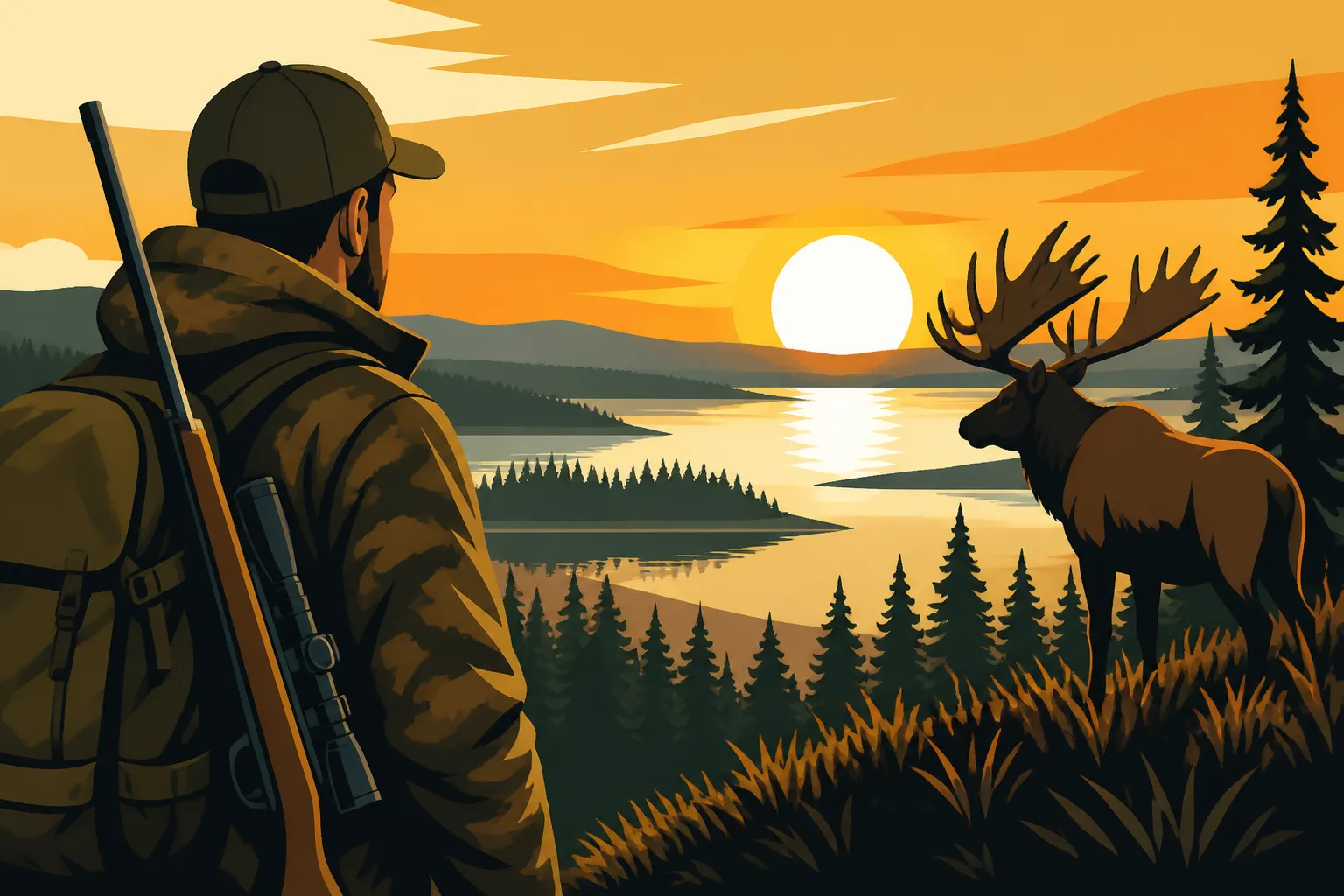
Moose are the kings of the Lac La Biche boreal, and hunting them effectively often means embracing the bush. They are creatures of habit, often frequenting the same areas year after year, especially places with water and fresh browse. Look for areas with dense willow growth, especially along creek bottoms, beaver ponds, and the edges of larger lakes. In the early archery and rifle seasons, finding fresh tracks near water or on old logging roads can be a major clue. Calling can be incredibly effective during the rut, usually peaking in late September and early October. A well-placed cow call or a raking sound can bring a curious bull right into your lap. Remember, moose are big, so getting one out of the bush is a serious consideration. Planning for retrieval is almost as important as the hunt itself. Calling a Bull Moose in the Rut is a skill worth practicing before you head out.
One common strategy involves still-hunting slowly along old cutlines, seismic lines, or logging roads at first light or last light. Moose will often use these corridors for travel, especially if they offer easier walking or access to new browse. Setting up a stand or ground blind overlooking a well-used trail leading into a feeding area or near a water source can also be productive. However, the thick cover means you need to be constantly aware of the wind and scent control, as moose have an excellent sense of smell. Using a mapping tool like onX Hunt can be invaluable for identifying these old lines and potential travel corridors, even when they're overgrown on the ground.
Black Bear Hunting Tactics
Black bears are plentiful in the Lac La Biche region, and hunters have a few options for pursuing them. Spring bear season is popular, with bears emerging from dens and heading for green-up areas like south-facing slopes, cutblocks, and pipeline clearings. They'll also be drawn to winter-killed animals or carrion. Baiting is a common and highly effective method in Alberta, and it allows hunters to manage bait sites to specifically target larger bears and ensure ethical shot placement. If you choose to bait, it requires significant commitment to maintaining the site and understanding bear behavior. Setting a Bear Bait Site in Alberta is a comprehensive guide to getting started.
For those not interested in baiting, spot-and-stalk can work, particularly in larger clearcuts or along open pipeline corridors where visibility is better. However, the dense bush often makes this challenging. Still-hunting through prime bear habitat, especially around berry patches in late summer or fall, can also be productive. Look for overturned logs, scat, and claw marks on trees. Often, bears are found not too far from water sources. Keep in mind that Alberta also has fall bear seasons, which can coincide with other big game hunts, offering a great combination opportunity.
Hunting Deer and Upland Birds
While moose and bear often steal the spotlight, the Lac La Biche area can provide good deer hunting, especially for whitetails. They'll be found in the mixedwood forests, often near the edges of agricultural clearings or where the boreal forest meets pockets of aspen parkland. Still-hunting through aspen bluffs and along the edges of small fields or clearings can be effective. Look for rubs, scrapes, and well-used trails. During the rut, rattling and calling can sometimes draw in a curious buck, especially in areas with a mix of cover and more open pockets. Reading Whitetail Sign in Alberta Aspen Bluffs can give you an edge in understanding deer behavior here.
Upland birds are another fantastic opportunity. Ruffed grouse thrive in the aspen and mixedwood forests, often found along old logging roads, seismic lines, and bush trails. Spruce grouse prefer denser coniferous stands. Walking these trails slowly, particularly in the morning or late afternoon, often results in birds flushing. A good bird dog can dramatically increase your success. The numerous sloughs and potholes make for exceptional waterfowl hunting. Setting up decoys in a likely field or jump-shooting small potholes can yield excellent results for ducks and geese. Always remember to check regulations for specific species limits and non-toxic shot requirements when pursuing migratory birds. Pothole Hunting Ducks on Small Water offers some great tips.
Access and Navigation in Lac La Biche Country
The vastness of the Lac La Biche region presents both opportunity and challenge, particularly when it comes to access. Understanding where you can hunt and how to get there is half the battle. This isn't a place where every quarter section is easily accessible from a paved road. You'll need to be prepared for varied terrain and potentially limited infrastructure.
Navigating Crown Land and Public Access
Much of the Lac La Biche country is Crown Land, falling within Alberta's Green Area, meaning it's generally open to public hunting. However, "open" doesn't always mean "easy to get to." The road network often consists of forestry roads, seismic lines, and old oil and gas access routes, many of which can become deeply rutted, muddy, or even completely impassable during wet conditions or late in the season. A reliable 4×4 truck or a quad is often essential for accessing deeper areas. Using tools like onX Hunt or GoHunt on your phone or GPS device is absolutely critical here. These apps allow you to view detailed topographic maps, satellite imagery, and overlay layers that show Crown Land boundaries, Public Land Use Zones, and even old trails and cutlines that might not be visible on standard road maps. This is how you find access points that others might miss and ensure you're always on legal hunting ground. Using Alberta's Recreational Access Mapping Tool can complement these apps by providing official access information.
Water access is also a huge factor in the Lac La Biche area. With so many lakes and rivers, a boat, canoe, or even a smaller Jon boat can open up vast tracts of land that are otherwise inaccessible. Many hunters use boats to reach remote shoreline areas or to access the mouths of creeks and rivers that feed into larger bodies of water, often finding undisturbed game. It's not uncommon to pull a boat up on shore and then venture into the bush on foot, far from any road. Always carry a reliable GPS and backup navigation, as it's easy to get disoriented in the dense bush.
Private Land Considerations
While much of the area is Crown Land, there are also private land holdings, particularly closer to the town of Lac La Biche and along some of the more developed lake shores. As always, hunting on private land requires explicit permission from the landowner. It's a good practice to identify these areas beforehand using your mapping tools and then respectfully seek permission. Sometimes, these private parcels, especially those with a mix of agricultural fields and bush, can be excellent for deer and even moose. Don't overlook them, but always respect the landowner's wishes.
| Access Type | Typical Usage | Best For | Considerations |
|---|---|---|---|
| Forestry Roads | General access, sometimes maintained | Whitetail, Bear, Moose | Can be rough, muddy, active logging |
| Seismic Lines / Cutlines | ATV/foot access into dense bush | Moose, Bear, Grouse | Often overgrown, can be very wet (muskeg) |
| Waterways (Lakes/Rivers) | Boat access to remote shorelines | Moose, Waterfowl, Bear | Requires boat/canoe, navigation skills |
| Private Land | Often near agriculture/settlements | Whitetail, sometimes Moose | Requires landowner permission (crucial) |
Permitted Vehicles and Navigation Tools
Alberta has rules about vehicle use on Crown Land, particularly in Public Land Use Zones (PLUZs). Always be aware of these regulations. Generally, quads and side-by-sides are popular for getting into the backcountry, but they must stick to designated trails or established routes in many areas. Knowing these rules ahead of time prevents unwanted surprises. Your navigation tools are your best friend here. Beyond the apps mentioned, a handheld GPS is a must-have, especially if your phone battery dies or signal drops. Always carry a compass and a physical map as a backup, and know how to use them. Marking your route as you go, especially when venturing deep into unfamiliar territory, is a smart move that could literally save your life. Quad and Side-by-Side Rules on Crown Land provides more detail on vehicle use.
Challenges and Considerations for the Lac La Biche Hunter
Hunting in the Lac La Biche country, while incredibly rewarding, isn't without its unique set of challenges. Being prepared for these realities can make the difference between a successful, enjoyable hunt and a frustrating, even dangerous, experience.
Dealing with Muskeg and Wet Terrain
Muskeg is perhaps the biggest challenge you'll face here. It's essentially a type of bog or wetland, often covered with moss, low shrubs, and stunted trees, but with very little solid ground underneath. Stepping into muskeg can mean sinking up to your knees, or worse. Vehicles can get hopelessly stuck. Your best defense is a good mapping app that shows topographical features and potentially wet areas, combined with personal reconnaissance. Look for high ground, ridges, and older, established trails that might have a firmer base. Waterproof boots are an absolute non-negotiable requirement, and chest waders might even be advisable for certain areas if you're trying to cross small water bodies or exceptionally wet ground. Always test the ground ahead with a sturdy stick or hiking pole before committing your weight. Getting stuck miles from your vehicle is a serious safety concern.
The sheer amount of water also means mosquitoes and black flies can be a major nuisance, especially in early season. Pack plenty of insect repellent and consider a head net. Beyond the discomfort, prolonged exposure to biting insects can affect your focus and overall hunt enjoyment.
Weather Variability and Safety
Alberta weather, even in the boreal forest, can be unpredictable. Early fall hunts can feature warm, sunny days, while late season can bring deep cold and significant snowfall. Hunting Alberta Winter Weather Safely emphasizes the importance of proper layering and emergency gear. Be prepared for rain, snow, and rapidly dropping temperatures. Packing appropriate clothing layers, including a good waterproof outer shell, is critical. Always let someone know your hunting plan, including your intended route, expected return time, and who to call if you don't check in. Cell service can be spotty or non-existent in many remote parts of the Lac La Biche region, so a satellite messenger or an InReach device is a wise investment for communication and emergency calls. Carrying a comprehensive first-aid kit, fire-starting materials, extra food and water, and a survival blanket are basic requirements for any backcountry hunt here.
Managing Game Retrieval and CWD
Harvesting a large animal like a moose in the dense Lac La Biche bush can be an incredible feat, but the real work often begins after the shot. Getting that animal out of thick cover and potentially wet terrain is a massive undertaking. Many hunters use quads and game carts, but even with those, quartering the animal in the field is often necessary. Quartering a Moose Alone in the Bush provides essential tips for this arduous task. Planning your retrieval strategy before you hunt is crucial. Consider how far you're willing to drag, if you have a partner, and what equipment you'll bring.
Another important consideration is Chronic Wasting Disease (CWD). While historically more prevalent in southern Alberta, CWD can be found in deer, moose, and elk in various regions, and testing is mandatory or highly recommended in certain Wildlife Management Units (WMUs). If you harvest a deer, moose, or elk, know the CWD requirements for your specific WMU. Local drop-off freezers are usually available, and submitting the head for testing is a responsible practice that helps wildlife managers monitor and control the spread of this disease. Alberta's CWD Testing Requirements provides detailed information on where and how to submit samples. Always keep yourself informed of the latest regulations and recommendations from Alberta Fish and Wildlife.
Disclaimer
This article is for general informational purposes only and does not constitute professional advice. Laws, prices and regulations vary by location and change over time. Consult a qualified professional for guidance on your specific situation.