Hunting the Peace River Breaks
Hunting the Peace River Breaks isn't for the faint of heart or the casually prepared. This is a region that demands respect, grit, and a solid understanding of its unique challenges and rewards. Many hunters come to the Breaks expecting an easy experience, only to be swallowed by the vast, rugged terrain and dense riverine cover, leaving them frustrated and empty-handed. This guide is going to walk you through exactly what makes the Peace River Breaks such a formidable, yet incredibly rewarding, hunting destination, helping you prepare for its steep slopes, thick bush, and the opportunities it holds for big game.
Understanding the Peace River Breaks Environment
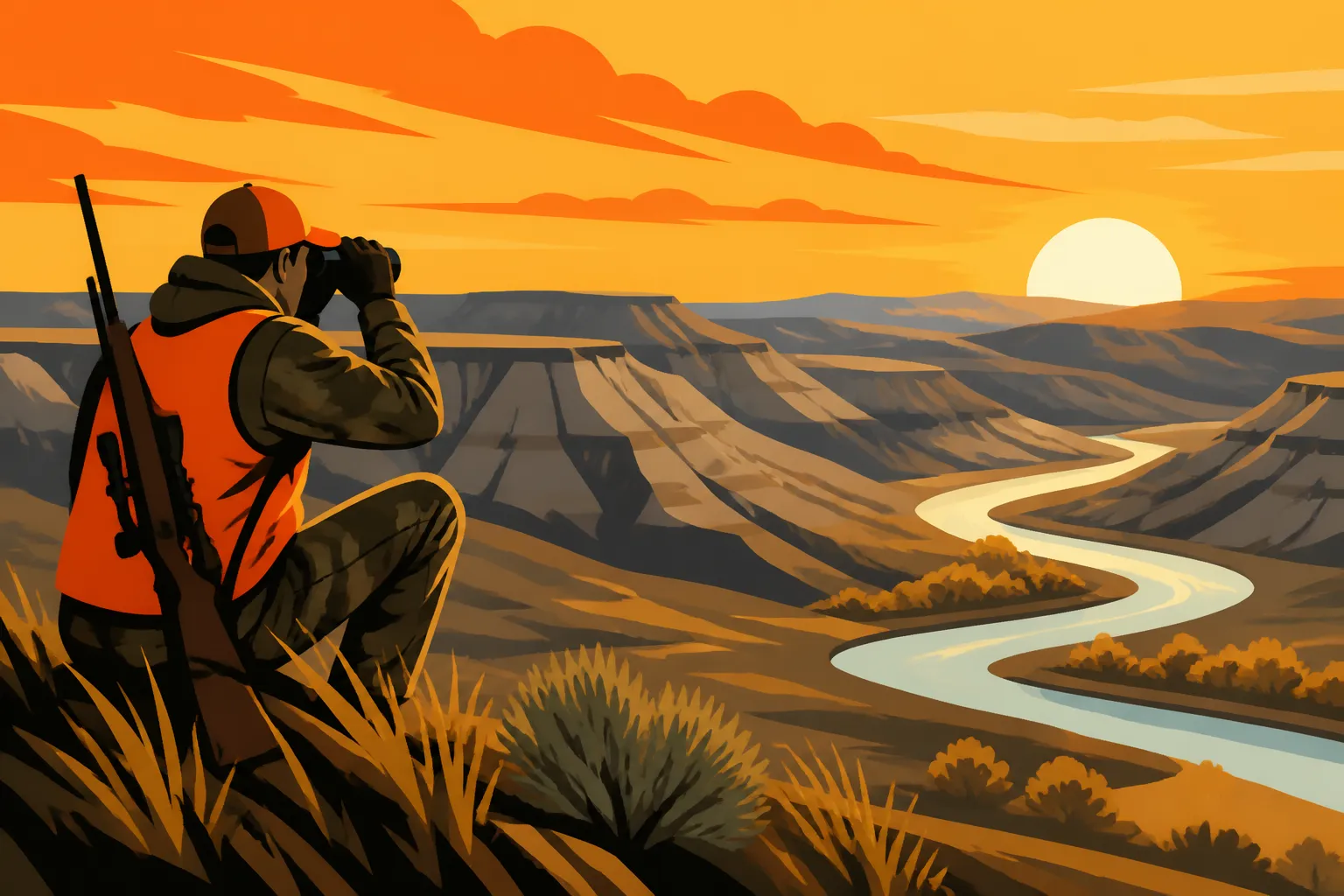
The Peace River Breaks are truly a world unto themselves within Alberta's diverse landscapes. Imagine the Peace River, a mighty artery carving its way through the northern boreal forest, creating a dramatic, deeply incised valley. These "breaks" are the incredibly steep, often heavily forested slopes that drop down from the surrounding plateau to the river itself. It’s a place where the elevation changes can be staggering, where ancient landslides have carved out benches and pockets, and where thick stands of spruce, aspen, and willow cling to every available surface.
The Rugged Topography and Its Challenges
When we talk about the topography of the Peace River Breaks, we're not just talking about rolling hills; we're talking about legitimate mountains-in-miniature, complete with cliffs, incredibly steep sidehills, and deep, dark draws. This isn't country you can glass from a truck or even from many high points. The terrain itself acts as a massive natural funnel and barrier, dictating how animals move and where they seek refuge. Hunters often underestimate the physical toll this terrain takes. A kilometre on flat ground can become five kilometres of exhausting vertical climb and descent in the Breaks, especially when you're packing gear or, even better, quartered game.
The ground underfoot can be just as challenging. Expect slippery clay, loose rock, thick moss, and tangled deadfall. In wet weather, those steep slopes become absolute mudslides, turning even a short hike into an arduous, precarious ordeal. Snowfall, which can come early and deep in the north, only compounds these issues, covering treacherous footing and making navigation even harder. It's a landscape that tests your stamina, your balance, and your mental fortitude. It’s not just a physical challenge; it’s a navigational one, where draws and ridges can look identical, and getting disoriented is a real risk. This is where a robust mapping tool like onX Hunt really shines, letting you visualize the contour lines and identify potential travel corridors or hidden benches before you even step foot in the bush.
Unique Ecosystem and Habitat Features
Despite its challenges, the Breaks are an ecological hotspot, creating a unique microclimate and habitat that supports a wide array of game. The river itself, and the countless small creeks and springs that feed into it, provide a constant water source. The sheer variety of elevation and aspect means you find everything from dense, dark timber on north-facing slopes to more open, south-facing benches that catch the sun. This mosaic of habitat is crucial. You’ll find old-growth spruce stands, perfect for a wary bull moose, alongside aspen bluffs preferred by whitetail deer, and willow thickets that black bears adore.
Many areas within the Breaks also feature natural mineral licks and seepages, attracting animals from a wide radius. Old burns and recent logging cutblocks on the plateau above the river, or even within the breaks themselves, can also be productive. These areas offer new browse and denser cover, drawing in herbivores. The transition zones, where the deep river valley meets the flatter surrounding boreal forest or agricultural lands, are often key travel corridors and feeding areas, especially during seasonal migrations or the rut. Understanding how these distinct habitat features interconnect is key to deciphering animal movement patterns here.
Key Game Species in the Peace River Breaks
The Peace River Breaks are renowned for their big game opportunities, attracting hunters seeking some of Alberta's most iconic species. While the terrain is tough, the rewards can be substantial, often yielding larger, older animals that have thrived in this challenging environment.
Moose: Kings of the River Valley
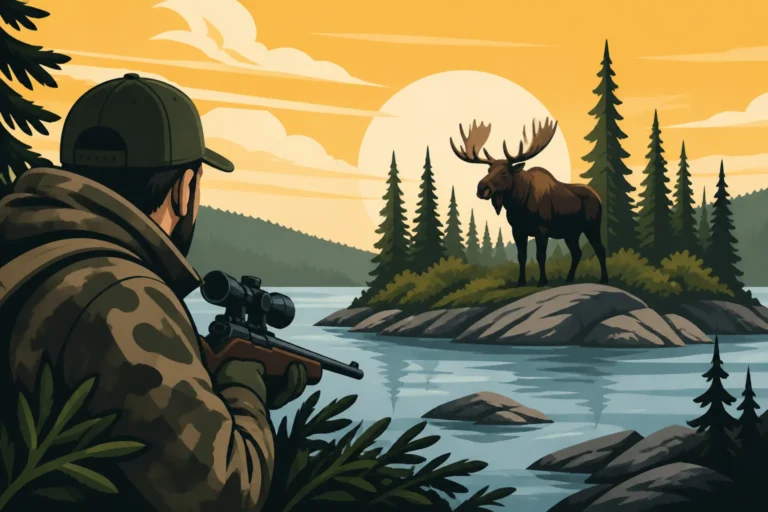
Without a doubt, moose are one of the primary draws for hunters in the Peace River Breaks. The dense cover, abundant water, and mixed forest provide ideal habitat for these giants. During the fall, especially into the rut, the calls of a bull moose can echo through the valleys, making for an exhilarating hunt. Hunters frequently find moose along the main river corridor, where they feed on willows and aquatic vegetation, or tucked away in the thick timber of the side draws. They'll also use old logging trails and seismic lines as travel routes, especially when moving between feeding and bedding areas.
Hunting moose in the Breaks demands stealth and patience. Calling can be very effective, but the acoustics of the valley can make it tricky to pinpoint the location of a responding bull. Many experienced hunters focus on still-hunting through prime bedding areas at first light or last light, moving slowly and deliberately. Look for fresh tracks in muddy areas, rubbed trees, and distinct moose droppings. Recovering a moose in this steep, broken country is a monumental task, often requiring multiple trips or specialized equipment, so plan your extraction strategy carefully before you even pull the trigger. Consider reading Getting a Moose Out With a Quad for some valuable insights if you plan on hunting this region.
Black Bears: Abundant and Diverse
The Peace River Breaks hold a healthy and robust population of black bears, often including a good percentage of colour-phase bears. The mix of dense bush, berry patches, and riverine habitat provides excellent food sources and cover. Bears emerge from their dens in spring, ravenous, and can be found foraging on new green growth, especially along south-facing slopes and creek bottoms. As summer progresses, they shift to berry patches, and in the fall, they'll seek out saskatoons, cranberries, and other mast crops to put on fat for winter.
Hunters often target bears in the spring, either by baiting (where permitted) or by spot-and-stalk tactics on cutlines and natural clearings. In the fall, hunting success often relies on finding natural food sources where bears are concentrating. The challenge in the Breaks is the sheer density of cover, which makes spotting bears difficult. Stealthy still-hunting, glassing open areas early and late, and paying attention to fresh sign like scat, tracks, and rubbed trees are crucial. Always be bear aware in this country; encountering a bear at close quarters in thick bush can be a tense experience.
White-tailed Deer: Wary Valley Dwellers
While not as numerous as in the more agricultural parkland, the Peace River Breaks support a solid population of whitetail deer. These aren't your typical farm-country whitetails; they tend to be much more reclusive and adaptable, making full use of the dense cover and broken terrain to evade predators and hunters alike. They prefer the mixed wood patches, aspen stands, and willow thickets found throughout the breaks and along the edges of the plateau. During the rut, the bucks can become more active, but they rarely abandon the security of the heavy timber entirely.
Successful whitetail hunting in the Breaks often involves careful scouting and understanding how deer use the terrain. Look for well-used trails leading from bedding areas in thick timber down to feeding areas along the river or in more open clearings. Rubs and scrapes can indicate prime rutting activity. Still-hunting slowly through known travel corridors, or setting up on pinch points where the terrain funnels deer movement, can be effective. This is not typically a "glass-and-shoot" whitetail hunt; it's a grind that often rewards hunters who are willing to penetrate deep into the cover. Understanding Reading Whitetail Sign in Alberta Aspen Bluffs can be particularly useful here, as those bluffs are common in the Breaks.
Other Opportunities: Wolves and Predators
The Peace River Breaks, with its abundant big game and rugged wilderness, is also prime territory for predators like wolves and coyotes. While wolves are notoriously challenging to hunt, the Breaks offer some of the best opportunities in Alberta for those seeking a true wilderness experience. Coyote populations are also healthy, particularly along the fringes where the breaks meet more open agricultural lands. Hunters often combine predator hunting with their main big game pursuits. Calling can be effective for both species, particularly in winter when visibility improves and animals are focused on finding food. Calling Wolves in Winter Bush is a great resource if you're looking to add a wolf to your Peace River hunt.
Strategies for Hunting the Peace River Breaks
Hunting the Peace River Breaks requires a different mindset and approach than hunting in flatter, more open country. It's about adapting to the terrain, understanding animal behaviour in a unique environment, and being prepared for anything.
Leveraging Topography for Advantage
The extreme topography is both your biggest challenge and your greatest asset. Animals use the draws, benches, and steep slopes to their advantage, and you should too. Deer and moose will often bed on benches or sidehills that offer good visibility downwind, allowing them to detect threats. They'll use the bottom of draws as travel corridors, especially when moving between different elevation points. Learning to read these movements is paramount.
When still-hunting, work slowly along contours rather than directly up and down the steepest parts. This conserves energy and allows you to move more quietly. Use the ridges and draws to break up your silhouette and mask your approach. Pay close attention to wind direction; the wind can swirl unpredictably in these valleys, so a handheld wind checker is an absolute must. Glassing isn't always effective due to the dense cover, but when you find a vantage point, take the time to thoroughly scan for any movement or out-of-place shapes. Look for game sign on natural benches and terraces, which can act like highways for animals moving through the otherwise impenetrable slopes.
The Art of Scouting and Access
Effective scouting in the Peace River Breaks is crucial, and it starts long before hunting season opens. Satellite imagery is your best friend here. Tools like onX Hunt or GoHunt allow you to pore over detailed topo maps and satellite views, identifying potential access points, travel corridors, bedding areas, and feeding zones. Look for benches, saddle points, and areas of varied vegetation that might hold game. The terrain here means even a small, seemingly insignificant bench can be a hotspot.
Table: Digital Scouting Features for the Peace River Breaks
| Feature/Tool | Benefit for Peace River Breaks Hunting |
|---|---|
| Topographical Maps | Essential for understanding elevation changes, steepness, and identifying benches/draws. Allows route planning to avoid impossible climbs. |
| Satellite Imagery | Reveals vegetation types, old clearings, cutlines, and potential openings in dense canopy. Helps identify true cover for game. |
| Public Land Layers | Crucial for confirming legal access to Crown Land and avoiding trespass, especially where the Breaks meet private agricultural parcels. |
| Waypoint/Track Recording | Helps navigate the complex, often disorienting terrain. Mark promising sign, potential bedding areas, and your return route. |
| Offline Map Access | Absolute necessity, as cell service is often non-existent in the remote valleys. Download maps for your entire hunting area. |
| Wind & Weather Overlays | While less precise in micro-climates, still valuable for general planning and understanding prevailing winds on the plateau. |
Physical scouting, even in the off-season, can be invaluable. Hiking into a new area to identify trails, assess the terrain firsthand, and look for sheds or old sign gives you a massive advantage. Pay attention to how the sun hits different slopes throughout the day, which can influence where animals feed and bed. Access points can be limited, often involving long drives on forestry roads, or require walking in. Some areas might even necessitate a boat to navigate the river itself for access. Remember, sometimes the best access is the least obvious, forcing other hunters to overlook certain pockets of excellent habitat. For more on this, check out Scouting With Satellite Imagery in Alberta.
Dealing with Dense Cover and Visibility
The dense boreal forest and riparian growth in the Breaks significantly reduce visibility, making shot opportunities often close and fleeting. This means you need to be proficient with your chosen weapon in tight quarters and at varying angles. Practice shooting from unconventional positions and be ready for quick, ethical shots.
Still-hunting is often the most productive method. Move slowly, taking one or two steps, then pausing to scan and listen. Use your binoculars constantly, even in thick cover, to pick apart the shadows and look for tell-tale horizontal lines of a back or the flicker of an ear. Sound becomes incredibly important here; listen for snapping twigs, rustling leaves, or the distant call of a raven. The quiet hunter who pays attention to every detail is the one who finds success. When moving through exceptionally thick patches, consider using a game trail or animal path if you can find one – they're often the easiest way through, though they also mean you're on the animal's highway.
Access and Logistics for Peace River Breaks Hunting
Venturing into the Peace River Breaks isn't a casual day trip. It requires careful planning, robust gear, and an understanding of the unique challenges associated with remote northern Alberta hunting.
Navigating Remote Roads and River Access
Access to the prime hunting areas within the Peace River Breaks often involves navigating extensive networks of forestry roads, seismic lines, and old oil and gas access routes. Many of these roads can be rough, unmaintained, and become impassable in wet conditions or after heavy snow. A reliable 4×4 vehicle is often a necessity, and having a winch, chains, and recovery gear is a smart precaution. Be prepared for long drives on gravel roads, and always check local road conditions and potential closures before you head out. What to Do If You Get Stuck in the Bush isn't a theoretical question here; it's a very real possibility.
For some areas, the Peace River itself provides the best, or even only, access. Using a jet boat or a sturdy canoe can open up entirely new hunting grounds, allowing you to reach pockets of wilderness that are inaccessible by vehicle. However, river travel comes with its own set of risks, including currents, submerged obstacles, and rapidly changing weather conditions. Always prioritize safety, wear life jackets, and inform someone of your float plan. Understand that the river banks can be incredibly steep and muddy, making landing and hiking up into the breaks a serious workout.
Essential Gear for Rugged Terrain
Your gear list for the Peace River Breaks will look a bit different from a typical prairie or parkland hunt. The unforgiving terrain and changeable weather demand durable, high-performance equipment.
- Footwear: Invest in high-quality, waterproof, ankle-supporting boots. They need to be comfortable for long, steep hikes and able to handle mud, snow, and wet conditions. Gaiters are also highly recommended to keep debris and moisture out.
- Clothing: Layering is key. Expect significant temperature swings. Waterproof and windproof outer layers are non-negotiable. Bring extra socks, gloves, and a warm hat. Hunting Alberta Winter Weather Safely holds some critical advice for late-season hunts here.
- Navigation: A reliable GPS unit (with extra batteries) and downloaded offline maps on your phone (like with onX Hunt or GoHunt) are absolutely critical. A compass and paper map serve as essential backups. This is not the place to rely solely on cell service.
- Safety Gear: Bear spray, a reliable first-aid kit, a headlamp, fire-starting supplies, a knife, and sufficient food and water are non-negotiables. Consider a satellite messenger or inReach device for emergency communication, as cell service is often non-existent.
- Game Recovery: A good quality pack frame, game bags, and a sharp knife are essential. If you tag a large animal like a moose, expect a significant packing job out of potentially difficult terrain.
- Weapon: Given the dense cover, a rifle or bow you can comfortably maneuver in tight spaces is advantageous. Practice shooting at shorter ranges and from various positions.
Preparedness and Safety in the Remote North
Hunting in the Peace River Breaks means being truly self-sufficient. You're often a long way from any services or immediate help. File a trip plan with someone responsible, detailing your route, expected return time, and who to contact if you don't check in. Be aware of wildlife, especially bears, and carry bear spray on your hip. Travel with a hunting partner if possible, as two sets of hands and eyes are always better than one, especially for navigating or recovering game.
Understanding local regulations is vital. Check the specific Wildlife Management Units (WMUs) you plan to hunt for season dates, bag limits, and any special restrictions. Remember that baiting regulations can vary by species and WMU, so always confirm before setting up a bear bait. Be mindful of property boundaries if you're hunting areas that transition from Crown Land to private agricultural parcels. Alberta Hunter Education Requirements emphasizes the importance of knowing these rules for everyone.
The Peace River Breaks offer a hunting experience unlike almost any other in Alberta. It's demanding, physically challenging, and sometimes frustrating, but for those willing to put in the effort, it can yield unforgettable hunts and truly magnificent animals.
Disclaimer
This article is for general informational purposes only and does not constitute professional advice. Laws, prices and regulations vary by location and change over time. Consult a qualified professional for guidance on your specific situation.