Whether an Outfitter Holds Your Tag
One of the most common questions non-resident hunters have when planning an adventure in Alberta is about the intricacies of licensing and tags. It’s a completely understandable concern: you’re investing significant time and money, and the last thing you want is a legal hiccup that jeopardizes your hunt. Many wonder if their outfitter actually "holds" their hunting tags, handling everything from purchase to physical possession. The truth is more nuanced, and understanding the distinct roles of the outfitter and the hunter is crucial for a smooth and successful trip. This guide will walk you through the specifics of Alberta's tag system for non-residents, clarifying the outfitter's role, your responsibilities, and how to ensure you're fully compliant before you even set foot in the field.
The Administrative Reality of Tags for Non-Residents
Navigating the regulations of a different jurisdiction can feel like deciphering ancient texts, especially when it comes to something as vital as your hunting license and tags. For non-resident hunters coming to Alberta, the system has specific requirements designed to ensure responsible wildlife management and hunter accountability. The idea that an outfitter simply "holds your tag" often stems from a misconception about how these regulations are structured.
Non-Resident Requirements and the Role of the Outfitter or Hunter Host
Let's get straight to the foundational rule: if you're not an Alberta resident, you generally can't just show up and hunt big game on your own. Alberta requires non-residents to hunt big game and certain game birds (like turkeys) with either a licensed outfitter or a resident "hunter host." This isn't just a suggestion; it's a legal requirement. The outfitter or hunter host acts as your sponsor and guide, ensuring you operate within the bounds of the law and understand the local hunting conditions. This system is designed to provide a layer of oversight and local knowledge, particularly for those unfamiliar with Alberta's specific Wildlife Management Units (WMUs), species, and regulations. It's a system that helps maintain the quality of hunting experiences and protects the resource. Rules for Non-Residents Hunting Alberta provides a deeper dive into these requirements.
When you engage an outfitter, they are essentially providing a service that includes access to hunting areas, guiding services, camp logistics, and, crucially, the framework for you to legally obtain your tags. They are allocated a certain number of tags (known as "allocations") for specific species in specific WMUs. Without an allocation from a licensed outfitter, you, as a non-resident, would not be eligible to purchase those big game tags. This is a critical distinction: the outfitter doesn't give you their tag; rather, their allocation enables you to purchase your own tag. It’s a partnership where both parties have distinct responsibilities under the law. What an Alberta Outfitter Allocation Is further explains how this allocation system functions.
Who Legally Possesses Your Tag?
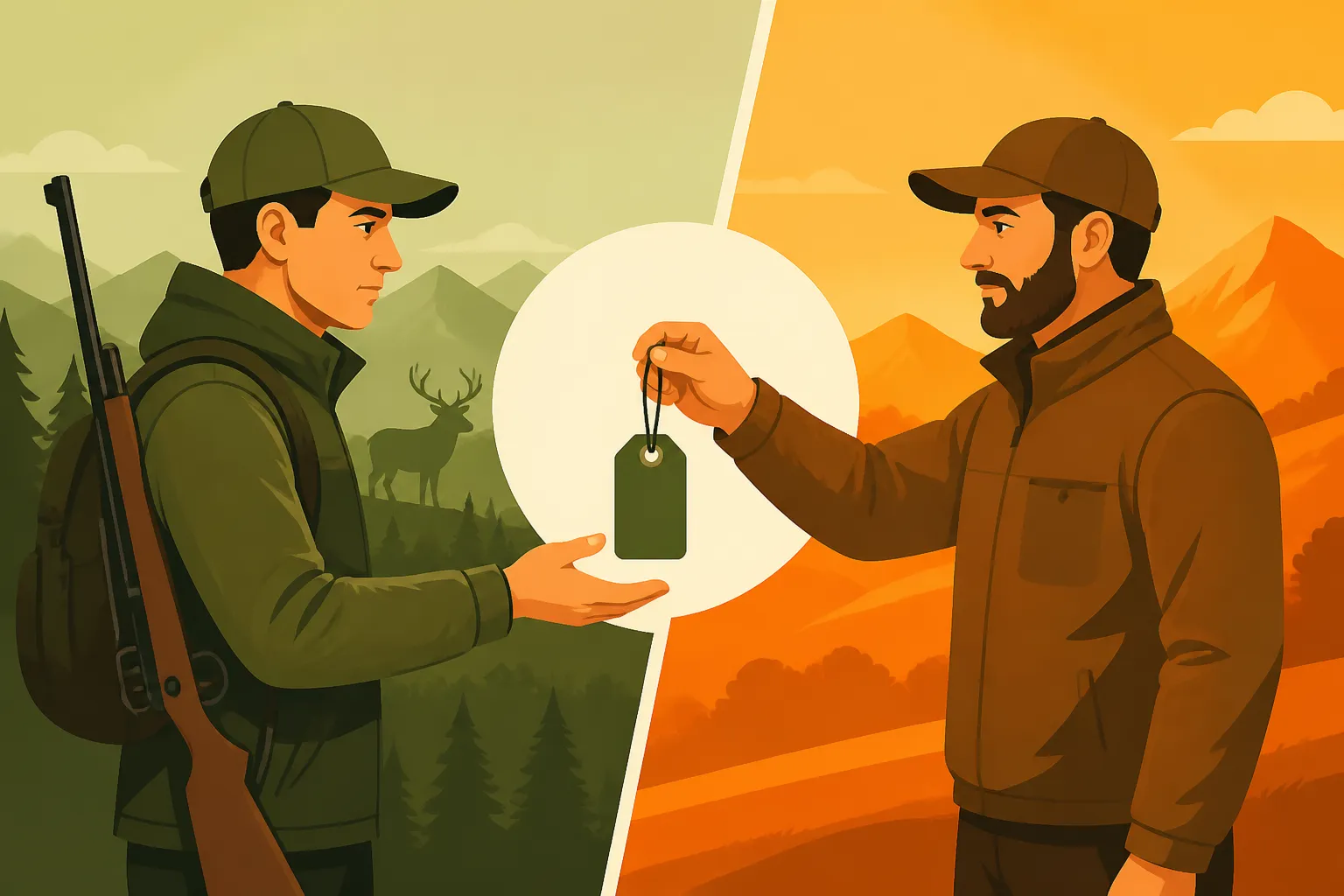
This is where the common misunderstanding often lies. While your outfitter is absolutely integral to your ability to hunt in Alberta as a non-resident, they do not, in fact, "hold your tag" in the sense of physically possessing it or being the legal owner of it. When you purchase your hunting licences and tags through Alberta's online system (RELM), you are the legal licensee. The tags, once purchased, belong to you. Think of it like a driver's license: your driving instructor helps you learn and prepare, but the license itself is issued to and held by you.
Upon purchasing your licences and tags, you will receive either a physical copy (if printed) or a digital copy (which you can print yourself or keep on your mobile device). It is your responsibility to have these documents on your person while hunting. Wildlife officers can and do check for valid licences and tags in the field. Not having them with you, even if you believe your outfitter "has them," can lead to significant fines or even forfeiture of your hunt. The outfitter's role is to ensure that their allocation makes you eligible to acquire your own legal tag, and they will guide you through that purchase process. They might even help you print them out if you're in camp, but the legal possession and responsibility ultimately rests with you, the hunter. Alberta Hunting Licences and What They Cost covers the financial aspect, but the possession is paramount.
The Outfitter's Role in Your Licence Purchase Process
So, if the outfitter doesn't hold your tag, what exactly do they do when it comes to getting you properly licensed? Their role is critical in guiding you through the system and ensuring you meet all the prerequisites. It's less about direct control and more about informed facilitation.
Navigating the Alberta RELM System
Alberta's hunting licences and tags are purchased through the online Regulatory Enforcement and Licence Management (RELM) system. This is an integrated platform where hunters manage their Wildlife Identification Number (WIN) Card, purchase licences, apply for draws, and report harvests. For a non-resident, getting set up on RELM is step one. Your outfitter will typically guide you through this process, or at the very least, provide you with clear instructions. First, you'll need to acquire an Alberta WIN Card, which is your unique identification number as a hunter in the province. This card is required before you can purchase any hunting or fishing licences. Getting an Alberta WIN Card details this initial step.
Once you have your WIN Card, your outfitter will provide you with the specific information you need to purchase the correct licences and tags. This includes the WMU number where you'll be hunting, the species you're targeting (e.g., antlered whitetail, antlered moose), and the season dates relevant to their allocation. They might give you a direct link or walk you through the steps on the RELM portal. While you'll be logging in with your own WIN number and creating your own account, the outfitter's allocation is linked to your potential purchase. When you go to buy a specific tag, the system recognizes that you are associated with a particular outfitter's allocation, allowing the transaction to proceed. It’s important to understand that you, the hunter, are the one entering your information, confirming the purchase, and making the payment. The outfitter acts as the essential bridge, linking you to the legal means to purchase your tag. Buying Licences on albertarelm.com offers a comprehensive walkthrough of the online purchasing system.
Allocations and Deadlines: A Team Effort
Outfitters operate under a system of "allocations," meaning they are granted a certain number of tags for specific species in defined areas for their non-resident clients. These allocations are finite and are often a key factor in how many clients an outfitter can take for a particular hunt. Because these allocations are limited, outfitters need your information well in advance to plan their season and ensure they have the necessary permits to cover all their booked clients. This often involves you providing your WIN number, personal details, and possibly even proof of hunter education certifications (like your Alberta Hunter Education and Conservation Course completion, if required).
The timing of when these tags become available for purchase can vary, and your outfitter will be the best source of up-to-date information on this. Some big game tags are general season tags that can be purchased over the counter (once you’re linked to an outfitter’s allocation), while others might be part of a special licence draw system which has strict application deadlines. For instance, species like mountain goat are draw-only, while bighorn sheep licences are only partly draw-based (some sheep licences are purchased directly and others are drawn), and for non-resident aliens, these often require a pre-booked outfitter and an understanding of the draw process. The outfitter will instruct you on when to log into RELM and which specific licence to select. This isn't them physically holding your tag, but rather coordinating the administrative dance to make sure you get the right tag at the right time. For planning, many hunters utilize platforms like BookYourHunt or GoHunt to research outfitters and their available allocations, helping them understand what kind of hunt packages are out there before they even get to the tag purchasing stage.
Your Responsibilities as a Non-Resident Hunter
While the outfitter plays a crucial facilitating role, the ultimate legal and ethical responsibility for your hunting activities, including your licences and tags, rests squarely on your shoulders. It's your hunt, and you are accountable for every detail of compliance.
Final Purchase and Physical Possession
Once your outfitter has provided you with all the necessary details and you’ve logged into the Alberta RELM system, it is your responsibility to complete the purchase of your hunting licence and any applicable tags. This involves verifying all the information – the correct WMU, the correct species, the correct season dates – and then submitting your payment. After the purchase is complete, you will receive a digital copy of your licences and tags. You must then either print these out and carry the physical copies, or have them readily accessible on a mobile device (like your phone) during your hunt.
Imagine this scenario: you're deep in the Alberta bush, and a Fish and Wildlife Officer stops you for a routine check. You say, "Oh, my outfitter has my tag back at camp." That simply won't cut it. The law requires the hunter to be in immediate possession of their valid licence and tag while hunting. Failing to produce these documents can lead to charges, fines, and potentially the seizure of your game and equipment. It’s not just about avoiding legal trouble; it’s about demonstrating responsibility and respect for the regulations that govern hunting in Alberta. Make it a habit to double-check your wallet or hunting pack before heading out each day.
Verifying Details and Understanding Regulations
Beyond simply possessing the physical or digital document, you also have a responsibility to verify that the information on your licence and tag is correct for your specific hunt and to understand the regulations that apply to it. Did you get the right WMU? Are the season dates accurate? Do you understand the bag limits and any special restrictions (e.g., antler point restrictions, CWD testing requirements)? While your outfitter will undoubtedly brief you on these details, a diligent hunter takes the initiative to review the official Alberta Hunting Regulations (available online) themselves.
This is especially true if any aspect of your hunt changes, such as moving to a different WMU or deciding to pursue a different species (within legal limits and outfitter allocation). Always cross-reference what you’ve purchased with what your hunt plan entails. The regulations can be complex, and ignorance of the law is not a valid defense. Consider the example of a non-resident hunter, excited for their whitetail hunt, who mistakenly purchases a mule deer tag or a tag for an antlerless animal when their hunt is for an antlered buck. Catching this error before the hunt begins, or even before leaving the house, is far better than discovering it in the field after you’ve harvested an animal. Take the time to sit down with your outfitter’s information and the official regulations to ensure everything aligns perfectly. Where to Read Alberta's Hunting Regulations is an excellent resource for this.
Here’s a quick overview of the roles:
| Aspect of Tag Acquisition | Outfitter's Role | Hunter's Responsibility |
|---|---|---|
| Legal Requirement for Hunt | Must be licensed to guide non-residents. | Non-resident must use a licensed outfitter or hunter host. |
| Information Provision | Provides necessary codes (e.g., WMU) for tag purchase. | Provides personal details (WIN number) to outfitter. |
| Tag Purchase Process | Guides hunter on how to buy; may provide links/instructions. | Personally logs into Alberta RELM to purchase licences/tags. |
| Physical Possession of Tag | Does not physically hold your tag. | Must carry physical or digital copy of all valid licences. |
| Understanding Regulations | Advises on season dates, limits, specific WMU rules. | Ultimately responsible for knowing and adhering to all regulations. |
| CWD Submission (if applicable) | May facilitate submission points or process. | Responsible for submitting required samples (if applicable). |
Choosing an Outfitter and Ensuring a Smooth Process
Selecting the right outfitter for your Alberta hunt is about more than just finding someone with an open booking. It's about choosing a partner who prioritizes clear communication, adherence to regulations, and a positive hunting experience. A good outfitter will make the licence and tag process seamless, but you still have an active role to play.
Researching and Communicating Clearly with Outfitters
Before you even commit to a hunt, thorough research is key. Platforms like BookYourHunt are excellent resources for exploring various outfitters, reading reviews, and understanding the types of hunts they offer. When you first reach out to an outfitter, make sure to ask direct questions about their process for licence and tag acquisition for non-residents. Don't be shy! A reputable outfitter will appreciate your diligence and provide clear, concise answers. Inquire about how far in advance they need your WIN number, when they expect you to purchase your licences, and what specific information you'll need to input into the RELM system. Ask them about their allocation for your desired species and WMU, and confirm that it matches your expectations.
Transparent communication from the outset will prevent misunderstandings later on. For instance, if you're interested in Elk Hunting Alberta's Foothills, confirm the specific WMU and season dates with the outfitter before purchasing any tags, as different WMUs have different seasons and tag requirements. Discuss what happens if there are unforeseen circumstances, such as a change in regulations or an issue with the RELM system. Clarifying these points upfront will give you confidence in your booking and ensure you’re both on the same page regarding the bureaucratic elements of your hunt. Questions to Ask Before Booking can help you formulate your inquiries.
Essential Documents and Information Sharing
Once you've booked your hunt, your outfitter will require certain information from you. Primarily, this will be your Alberta WIN Card number. If you don't have one, they will guide you on how to obtain it. They may also ask for copies of your hunter education certificates (if you haven't supplied them during WIN card registration or if they need specific proof) and personal identification. Providing this information promptly and accurately is part of your responsibility to ensure a smooth process. The outfitter needs this to verify your eligibility and to link you to their allocations in the RELM system.
Beyond the initial booking, stay in regular communication with your outfitter leading up to your hunt. Confirm receipt of all documents and instructions. Before you travel, make a checklist of all your essential documents: your Alberta WIN Card, your Wildlife Certificate, all purchased hunting licences and tags (printed and/or digital), proof of hunter education, and any other relevant identification. Alberta's WIN Card and Wildlife Certificate outlines these core documents. Keep these items secure, yet easily accessible. Doing your due diligence on this front will alleviate a lot of potential stress once you're in Alberta and ready to hunt. It allows you to focus on the thrill of the chase, knowing all your paperwork is in order and that you and your outfitter are working in perfect sync. This is also a good time to consider what happens if What Happens If Weather Ruins the Hunt or other unforeseen circumstances arise, ensuring you know the outfitter's policies regarding refunds or rebooking.
Disclaimer
This article is for general informational purposes only and does not constitute professional advice. Laws, prices and regulations vary by location and change over time. Consult a qualified professional for guidance on your specific situation.