What to Wear on a Late Season Hunt
There are few things more miserable than being cold, wet, and uncomfortable when you're out in the Alberta bush, especially during those late-season hunts when the temperatures plummet and the winds howl. You've spent months preparing, scouting, and dreaming of that perfect shot, only to have your focus shattered by shivering hands and numb toes. This guide is all about helping you conquer the elements, offering practical advice and a breakdown of what to wear on a late-season hunt in Alberta, ensuring you stay warm, dry, and focused on the hunt.
Understanding Alberta's Late Season Weather
Alberta's late hunting season, typically from late October through December, can be a wild card when it comes to weather. It's not just "cold"; it's a dynamic, ever-changing environment that can throw everything from crisp, sunny days to blizzards and freezing rain at you within hours. Misunderstanding these conditions is often the first step to a truly uncomfortable day in the field.
Unpredictable Temperature Swings
One of the most frustrating aspects of hunting in Alberta during the late season is the sheer unpredictability of the temperature. You might start your morning hike with a thermometer reading a brisk -5°C, feeling pretty comfortable, only for it to drop to -20°C by midday, or even swing the other way into positive territory. These drastic shifts mean you can't just pick one outfit and stick with it. Imagine sitting in a ground blind when the sun pops out, radiating heat, only for it to duck behind clouds an hour later, bringing an immediate, sharp chill. This isn't just an inconvenience; it can lead to dangerous situations if you're not prepared to adjust your clothing on the fly. You need a system that adapts as quickly as the weather does.
Wind Chill Factor
Even if the thermometer isn't screaming "arctic," the wind in Alberta can make it feel like you've stepped into a freezer. This is where the wind chill factor becomes a real game-changer, especially if you're hunting in open prairie country, on a high ridge in the foothills, or perched in an exposed treestand. A calm -10°C might be manageable, but add a 30 km/h wind, and that "feels like" temperature can easily drop to -20°C or even colder. This bone-chilling wind can penetrate inadequate clothing, stripping away your body heat at an alarming rate. It's a common mistake to dress solely for the ambient temperature without accounting for how much colder the wind will make you feel, turning what could be a great day into a test of endurance against the cold.
Snow, Sleet, and Freezing Rain
Late season in Alberta almost guarantees some form of precipitation, and it’s rarely just a gentle drizzle. Expect everything from light flurries that turn the landscape into a winter wonderland, to heavy snowfalls that can accumulate quickly, making travel and tracking challenging. Even more insidious is freezing rain or sleet, which can create a slick, icy coating on everything, chilling you to the bone and making waterproof gear an absolute necessity. Getting soaked, whether by melting snow, sleet, or freezing rain, is a surefire way to lose body heat rapidly and become miserable. Your clothing needs to be a fortress against moisture, keeping the wet out while still allowing your body to breathe. This is especially true if you're trying to stay comfortable while Hunting Alberta Winter Weather Safely.
The Layering System: Your Best Friend
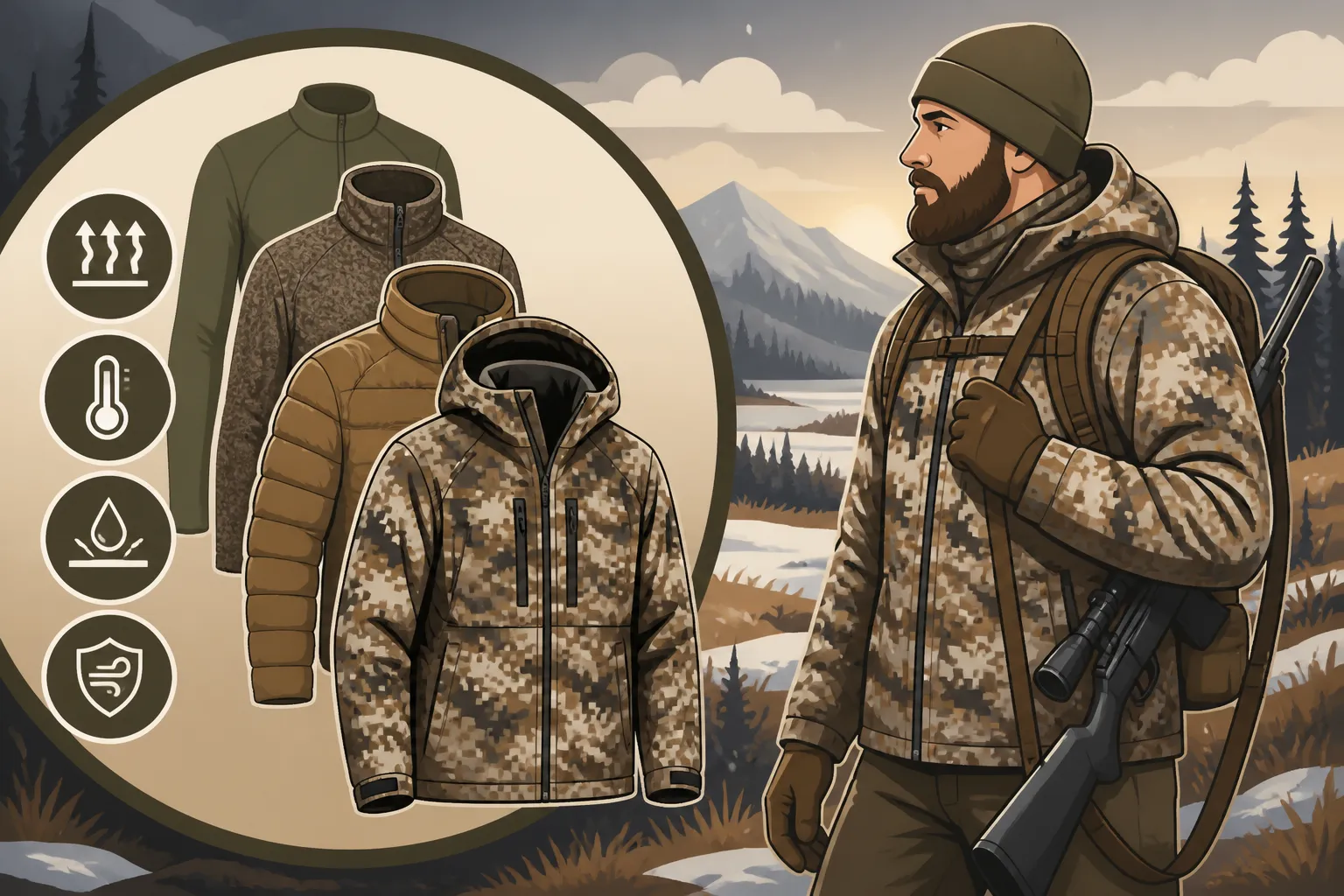
When it comes to staying warm and dry in Alberta's late season, layering isn't just a suggestion; it's a fundamental principle of survival and comfort. Think of your clothing as a dynamic system designed to trap warmth, wick away moisture, and protect you from the elements, all while allowing you to adjust to changing conditions and activity levels. A well-executed layering strategy means you can add or shed clothing as needed, maintaining optimal body temperature without overheating or getting too cold.
Base Layers: Wicking Away Moisture
Your base layer is the foundation of your entire system, and its primary job is to manage moisture. When you're hiking into your stand or still-hunting through a willow run, you're going to sweat, even in freezing temperatures. If that sweat stays next to your skin, it will quickly cool and chill you once you stop moving, leading to that dreaded clammy, bone-chilling feeling. This is why cotton is the enemy; it absorbs moisture and holds onto it, becoming cold and heavy.
Instead, opt for synthetic materials like polyester or polypropylene, or natural fibers like merino wool. Merino wool is a fantastic choice because it wicks moisture away, regulates temperature, and retains warmth even when damp. Synthetics are often more durable and dry faster. These materials pull sweat away from your skin, moving it to outer layers where it can evaporate. You'll want a snug fit for your base layer – not constricting, but close enough to the skin to be effective at wicking. Investing in good quality base layers is truly non-negotiable for comfort and safety in cold weather.
Mid-Layers: Insulating for Warmth
Once your base layer is doing its job, your mid-layers step in to provide the critical insulation that traps your body heat. This is where you'll have the most flexibility to add or remove clothing based on how cold it is and how active you plan to be. Common mid-layer materials include fleece, down, and synthetic puff jackets.
Fleece, whether a lighter 100-weight or a thicker 300-weight, is an excellent all-around choice. It's relatively inexpensive, breathes well, and provides warmth even if it gets a little damp. Down is incredibly warm for its weight and highly compressible, making it great for packing, but it loses much of its insulating properties when wet. Synthetic insulation, on the other hand, performs better when damp and is often more affordable than down, though usually a bit bulkier. For very cold days, you might layer multiple mid-layers – perhaps a lighter fleece over your base, and then a heavier synthetic or down vest or jacket on top. This allows you to fine-tune your warmth, ensuring you're comfortable whether you're climbing a ridge or sitting motionless in a blind. When hunting deep cold late in the season, having adaptable mid-layers can make all the difference.
Outer Layers: Protection from Elements
Your outer layer is your shield against Alberta's harshest elements – wind, rain, and snow. This is typically a jacket and pants (or bibs) that are both windproof and waterproof, but ideally also breathable. The breathability factor is crucial; without it, moisture from your body (sweat) will condense on the inside of your waterproof shell, essentially making you wet from the inside out, defeating the purpose of staying dry.
Many hunters gravitate towards garments featuring waterproof/breathable membranes, which effectively block external moisture while allowing internal vapor to escape. Look for features like sealed seams, adjustable cuffs, and good zippers to prevent moisture and wind intrusion. For static hunting, such as sitting in a treestand, you might opt for an insulated outer layer in addition to your mid-layers, as you won't be generating much body heat. For active hunting, a non-insulated shell over warm mid-layers gives you more versatility. The key is to find a balance between protection, mobility, and the ability to vent heat when you need to.
Essential Gear for Head, Hands, and Feet
These extremities are often the first to get cold and are critical for comfort and safety. Losing feeling in your fingers or toes can be debilitating, and a significant amount of body heat escapes through your head. Neglecting these areas is a rookie mistake that can quickly end a hunt.
Headwear: The Heat Escape Route
They say you lose a significant amount of heat through your head, and while the exact percentage is debatable, covering your head in cold weather is undeniably effective for staying warm overall. A good, insulated beanie made of wool or fleece is a must-have. For really frigid days or when the wind is relentless, consider adding a balaclava or a neck gaiter that can be pulled up over your face. These provide crucial protection for your ears, neck, and face, preventing frostbite and keeping that biting wind off your skin.
Think about versatility here too. A thinner beanie for active periods and a heavy, windproof one for static moments is a great combo. Don't forget that if you're wearing a baseball cap or a brimmed hat for visibility (such as blaze orange), it might not offer much insulation. So, wear your warmer headwear underneath or choose a thicker, insulated orange beanie. Keeping your head warm can improve circulation to the rest of your body, making you feel warmer all over.
Gloves and Mitts: Dexterity vs. Warmth
This is a classic dilemma for cold weather hunters: how do you keep your hands warm while still maintaining the dexterity needed to operate your firearm or bow? The answer often lies in a multi-pronged approach.
Many hunters use a thin, wicking glove liner as their first layer. These provide a bit of warmth and can be worn while performing delicate tasks. Over these, you might wear a thicker, insulated glove or a pair of convertible mittens (that fold back to expose your fingers). For truly cold and static situations, nothing beats a heavy pair of mittens. Some even have a pocket for hand warmers. When you're sitting in a stand, you can keep your hands in big, warm mittens, pulling them out only when absolutely necessary. For a rifle hunter, a thin shooting glove and a larger, insulated mitten that can be quickly slipped off is a common strategy. Bowhunters need to pay particular attention to finding gloves that don't interfere with their release aid. When you're preparing for a late season trip, especially if you're booking through services like GoHunt to find a great area, remember to research typical temperatures and pack accordingly for your hands.
Footwear and Socks: Preventing Frozen Toes
Numb, aching feet can turn even the most exciting hunt into a painful ordeal. Your footwear system starts with your socks. Ditch the cotton socks; they're as bad for your feet as they are for your base layer. Invest in good quality merino wool socks, which offer warmth, wicking, and cushioning. Many hunters layer two pairs of wool socks: a thin liner sock and a thicker outer sock.
For boots, you need serious insulation and waterproofing. Look for boots rated for cold temperatures (often expressed in grams of Thinsulate or a temperature rating). The more static you'll be, the more insulation you'll need. Ensure your boots are completely waterproof; walking through snow or slush with wet feet is a recipe for disaster. The fit is also crucial – you want enough room for your socks without being so tight that they restrict circulation, which will make your feet colder. Many seasoned Alberta hunters will opt for heavily insulated pac boots, especially if they plan on long periods of sitting or if they're Hunting Whitetails at Thirty Below. Proper footwear, combined with a good Winter Truck Kit for an Alberta Hunt, will make your time in the elements much more bearable.
Outerwear: The Final Defense
When the wind bites and the snow flies, your outerwear is the last line of defense. It's not just about staying warm; it's about staying protected and blending in with your environment.
The Shell Layer: Wind and Water Barrier
Your shell layer, whether it's an uninsulated outer jacket and pants or a complete insulated suit, is tasked with keeping the elements out. This means it needs to be effectively windproof and waterproof. Many high-quality hunting garments incorporate specialized membranes that achieve this balance, such as those with Durable Water Repellent (DWR) finishes to shed water and wind-blocking fabrics to prevent cold air penetration.
Even a slight breeze can cut through ordinary clothing, making you feel much colder than the thermometer indicates. A good shell acts as an impenetrable barrier, preserving the warmth generated by your inner layers. Features like taped seams, waterproof zippers, and adjustable cuffs and hoods are critical details that keep moisture and drafts from sneaking in. Remember, a good shell not only protects you but also prevents your insulating layers from getting wet and losing their effectiveness.
Insulated Outerwear: When Static Hunting Demands More
For hunts that involve long periods of inactivity, like sitting in a treestand overlooking a cutline intersection or waiting in a blind for waterfowl, insulated outerwear is a game-changer. These garments have built-in insulation, typically synthetic or down, designed to provide substantial warmth without requiring excessive layering underneath. Think of big, puffy jackets and bibs that wrap you in a cocoon of warmth.
The key here is understanding your activity level. If you're constantly on the move, chasing deer across the badlands or Stalking Mule Deer in Badlands Breaks, too much insulation can lead to overheating and sweating. But if you're sitting still for hours, the extra bulk and warmth of an insulated outer layer or a "system" jacket that combines an insulated inner jacket with a waterproof shell can be the difference between a productive hunt and retreating to the truck because you're too cold. Many successful guides, whether through outfitters found on BookYourHunt or independent operations, emphasize the importance of serious insulation for static late-season hunting.
Camo Patterns: Blending with the Winter Landscape
While warmth and protection are paramount, blending into your environment is also essential for a successful hunt. During the late season in Alberta, the landscape undergoes a dramatic transformation. Brown fields turn to white, aspen bluffs lose their leaves, and the boreal forest often gets a consistent blanket of snow. This means your camouflage pattern needs to adapt.
Traditional green and brown patterns might work in early fall, but against a snowy backdrop, you'll stick out like a sore thumb. Consider patterns with significant white or grey elements, or even dedicated snow camouflage. If you hunt areas with mixed evergreen and deciduous trees, a pattern that mimics leafless branches or a transition pattern could be effective. The goal is to break up your outline and melt into the monochromatic or muted tones of the late-season environment, making you less visible to the sharp eyes of deer, moose, or elk.
Managing Moisture: Sweat is Your Enemy
It might seem counterintuitive, but one of the biggest threats to staying warm in cold weather isn't the cold itself – it's sweat. Moisture, whether from perspiration or external precipitation, dramatically reduces the insulating properties of your clothing. Effectively managing this moisture is paramount to your comfort and safety.
Avoiding Overheating: The Silent Killer
Overheating might not feel like a threat when it's -20°C, but it's a silent killer of comfort in the cold. If you start your hike bundled up and exert yourself, you'll quickly work up a sweat. When you stop moving, that sweat will rapidly cool, drawing heat away from your body and making you feel much colder than if you hadn't sweated at all. This is often more insidious than simply not having enough layers, because it happens from the inside out.
The trick is to start a little bit cool when you know you'll be active. It might feel chilly for the first 10-15 minutes, but your body will quickly generate warmth. If you feel yourself starting to sweat, shed a layer before you get clammy. This proactive approach to layering is crucial. It's better to add a layer back on when you stop moving than to deal with saturated clothing.
Wicking Fabrics: Your First Line of Defense
As mentioned with base layers, wicking fabrics are your absolute best friend in preventing moisture build-up. These specialized materials are designed to draw moisture away from your skin and spread it across a larger surface area on the fabric, allowing it to evaporate more efficiently. This keeps your skin dry and prevents that damp, chilling sensation that cotton or other non-wicking materials cause.
From your underwear to your base layers and even some mid-layers, prioritizing wicking fabrics will make a monumental difference in your comfort. Even when you're Field Dressing in Alberta's Deep Cold, you'll appreciate having dry clothes against your skin. This isn't just about comfort; it's about maintaining core body temperature, which is essential for warding off hypothermia in extreme conditions.
Ventilation: Zippers and Pit Zips
A good layering system also incorporates ways to quickly ventilate and dump excess heat without fully removing layers. This is where features like full-length zippers on jackets and pants, and especially "pit zips" (zippers under the arms), become incredibly useful.
When you're climbing a steep ridge or pushing through deep snow, you might find yourself warming up quickly. Instead of stripping off a jacket and exposing yourself entirely to the cold, you can simply open a main zipper or activate those pit zips. This allows warm, moist air to escape, preventing sweat build-up, without compromising your overall protection. It's a quick, efficient way to regulate your temperature, keeping you in that ideal comfort zone for longer periods. Thoughtful design in your hunting apparel, often highlighted in gear reviews on platforms like GoHunt, includes these practical features for active hunters.
A Practical Gear Checklist for Alberta's Late Season
To help you visualize your arsenal against the cold, here’s a breakdown of what you might need. Remember, this is a starting point, and you'll adjust based on your specific hunt, activity level, and the forecast.
| Layer Type | Item Description | Key Materials/Features | Purpose |
|---|---|---|---|
| Base Layer | Top (long-sleeve) | Merino wool (150-250g weight) or synthetic | Wicks moisture, light warmth |
| Bottoms (long johns) | Merino wool or synthetic, snug fit | Wicks moisture, leg warmth | |
| Mid-Layers | Light Fleece Jacket/Vest | 100-200 weight fleece | Added insulation, breathable |
| Heavy Fleece Jacket/Pants | 300 weight fleece or insulated synthetic | Significant warmth, adjustable | |
| Down/Synthetic Puffy Jacket/Vest | Packable, retains warmth when wet (synthetic preferred) | Max warmth for static periods | |
| Outerwear | Windproof/Waterproof Jacket | Gore-Tex, proprietary waterproof/breathable membrane | Blocks wind, keeps precipitation out |
| Windproof/Waterproof Pants/Bibs | Gore-Tex, proprietary waterproof/breathable membrane | Leg protection, snow gaiters | |
| Headwear | Insulated Beanie | Wool or fleece, wind-blocking | Prevents heat loss from head |
| Balaclava/Neck Gaiter | Merino wool or fleece | Face, ear, neck protection | |
| Handwear | Thin Liner Gloves | Merino wool or synthetic, touch-screen compatible | Dexterity, base warmth |
| Insulated Gloves/Mittens | Waterproof shell, thick insulation, trigger finger option | Warmth, protection, quick-release | |
| Footwear | Merino Wool Socks (thin liner) | Light to medium weight | Wicking, prevents blisters |
| Merino Wool Socks (heavy outer) | Heavyweight, cushioned | Insulation, comfort | |
| Insulated Waterproof Boots | Rated for -20°C to -40°C, ample room for socks | Keeps feet warm and dry | |
| Accessories | Hand/Foot Warmers | Chemical packets | Emergency warmth, especially for static hunting |
| Blaze Orange Vest/Hat | Required for visibility in general seasons | Safety requirement | |
| Extra set of dry clothes | Crucial for emergencies or back at camp | Emergency change |
This comprehensive list should give you a solid foundation for packing your hunting clothing. Always check the forecast for your specific WMU and adjust accordingly. Remember, being prepared means being comfortable, and being comfortable means you can stay out longer and focus on the hunt, rather than the chill. Whether you're planning for Rifle Hunting Alberta's General Seasons or waiting for the prime time of Hunting Alberta's November Whitetail Rut, dressing for success in the cold is non-negotiable.
Disclaimer
This article is for general informational purposes only and does not constitute professional advice. Laws, prices and regulations vary by location and change over time. Consult a qualified professional for guidance on your specific situation.