Alberta Hunting Lodges and Camps
Trying to figure out where you'll lay your head after a long day of hunting Alberta's vast wilderness can feel like trying to track a ghost in a blizzard. With so many options, from roughing it in a tent to enjoying gourmet meals, it's easy to get overwhelmed. This guide is going to walk you through the various types of hunting lodges and camps available across Alberta, helping you understand what each offers so you can make an informed decision for your next hunting adventure.
The Essential Role of Lodges and Camps in Alberta Hunting
When you envision a hunting trip, your mind probably goes straight to the thrill of the stalk, the crisp morning air, or the satisfying weight of your pack after a successful harvest. But behind every great hunt, there's a base of operations – a place to rest, refuel, and regroup. In Alberta, these lodges and camps aren't just mere accommodations; they're an integral part of the hunting experience, shaping everything from your comfort level to your daily strategy. Ignoring this crucial aspect is like forgetting to pack your boots.
More Than Just a Place to Sleep: The Experience Factor
Think about it: after a long day of Hunting Alberta's Foothills or traversing the vast Mule Deer Hunting Alberta's Prairie and Badlands, do you want to worry about setting up a tent in the dark, chopping firewood, and cooking over an open flame? For some, that's part of the adventure, and we'll certainly touch on those options. But for many, a comfortable lodge or a well-established camp transforms a grueling trip into a truly memorable one. These spaces provide shelter from Alberta's often unpredictable weather, a warm meal, and a cozy spot to recount the day's events. They foster camaraderie among hunters and offer a chance to recharge, both physically and mentally, for the next day's pursuit. It’s where stories are born, friendships are forged, and the lessons of the day are absorbed.
Catering to Different Hunter Needs and Budgets
Just as Alberta offers a diverse range of hunting opportunities, from Whitetail Hunting in Alberta to Elk Hunting Alberta's Foothills, it also provides a spectrum of lodging and camp experiences to match every hunter's preference and pocketbook. Some hunters crave the full wilderness immersion, happy with a rustic wall tent and the sounds of the boreal forest, while others prefer the amenities of a five-star lodge with private rooms and chef-prepared meals. Your choice will undoubtedly influence the overall cost of your trip, the level of creature comforts you'll enjoy, and even the types of hunting methods you might employ. Understanding these different offerings is the first step in tailoring your Alberta hunting adventure to be exactly what you dream of. Whether you're a seasoned veteran or planning your first big game trip, there's a lodge or camp setup that's perfect for you.
Types of Alberta Hunting Lodges and Camps
Alberta's hunting scene is incredibly diverse, and so are the places hunters call home for a week or two. From the lap of luxury to the most basic backcountry setup, there’s a wide array of options designed to fit different hunting styles, preferences, and budgets. It's not a one-size-fits-all situation, and what works perfectly for one hunter might be entirely unsuitable for another.
Full-Service Lodges: Comfort and Convenience
For hunters who appreciate comfort after a hard day in the field, full-service lodges are often the top choice. These aren't just simple bunkhouses; many are designed to offer a truly premium experience. You can expect private rooms, comfortable beds, hot showers (a true luxury after a cold, muddy day!), and sometimes even amenities like Wi-Fi, lounges, and designated gear drying rooms. The biggest draw for many is the food. These lodges typically employ cooks or even chefs who prepare hearty, home-cooked meals, often with a focus on local ingredients and wild game. Imagine coming back to camp to the smell of a roast dinner, knowing all you have to do is sit down and enjoy.
Beyond the physical comforts, full-service lodges also streamline the logistics of your hunt. They often serve as the base for guided trips, meaning your outfitter will handle transportation to and from hunting areas, provide experienced guides, and manage all the details of the day. This setup allows you to focus solely on the hunt, removing the stresses of planning, cooking, and camp chores. It’s particularly popular for non-resident hunters or those who want to maximize their hunting time without the added responsibilities of camp management. You’ll find these lodges peppered throughout key hunting regions, from the forested foothills to the edge of the sprawling boreal.
Remote Outfitter Camps: Deep Wilderness Immersion
If your idea of a perfect hunt involves getting deep into the backcountry, far from paved roads and cell service, then a remote outfitter camp is likely what you're looking for. These camps are often much more rustic than lodges, frequently consisting of sturdy wall tents, small cabins, or even primitive spike camps set up for a few nights. The amenities are typically basic but functional: cots for sleeping, wood stoves for heat, and perhaps an outdoor privy. Showers might be a bucket bath or a quick dip in a cold creek – embrace the ruggedness! The focus here is on proximity to prime hunting grounds, allowing hunters to access areas that are simply unreachable from a roadside lodge.
Access to these camps often involves unique transportation methods. You might be flown in by bush plane to a remote lake, packed in on horseback through winding mountain trails, or ferried across rivers by jet boat. This travel itself becomes part of the adventure, offering stunning views and a true sense of journey into the wild. Horseback Outfitters in Alberta's Mountains frequently utilize these kinds of remote camps. Food might be hearty but simpler, often prepared over a fire or on a portable stove by guides who double as camp cooks. This kind of camp experience is for the hunter who thrives on challenge, who wants to feel truly immersed in the wilderness, and for whom a little discomfort is a small price to pay for solitude and exceptional hunting opportunities.
Drop Camps and DIY Opportunities: For the Self-Reliant Hunter
For the truly independent and experienced hunter, drop camps and entirely do-it-yourself (DIY) camping offer the ultimate freedom and the lowest cost. A "drop camp" usually involves an outfitter or air service dropping you off with your gear at a predetermined remote location and picking you up on a specified date. You're responsible for everything in between: setting up your own camp, cooking your own meals, navigating, hunting, and processing your game. This option combines the access of a remote location with the autonomy of a DIY hunt. It’s perfect if you have the skills, equipment, and experience to be fully self-sufficient in the wilderness.
Completely DIY camping means you're hauling all your gear in yourself, whether backpacking into a Bighorn Sheep in Alberta's Mountains area or driving a truck and trailer to a less accessible spot on Crown land. This is the most budget-friendly option and offers unparalleled flexibility in choosing your hunting grounds. However, it requires extensive planning, a solid understanding of backcountry survival, navigation skills, and the physical stamina to carry all your essentials – and potentially game meat – out. You’ll need to understand Camping Rules on Alberta Crown Land and any specific regulations for the Public Land Use Zone (PLUZ) you're in. This approach isn't for the faint of heart or the unprepared, but for those who master it, it’s an incredibly rewarding way to hunt Alberta.
What to Expect from an Alberta Hunting Lodge
Choosing an Alberta hunting lodge isn't just about picking a bed; it's about opting for a specific kind of hunting experience where comfort and convenience play a significant role. When you book a full-service lodge, you're not just buying a place to stay, you're investing in an ecosystem of services designed to enhance your hunt and ease your burden.
Accommodation and Amenities
Upon arrival at a typical Alberta hunting lodge, you can generally expect clean, comfortable accommodations. This usually means private or semi-private rooms, often with two beds per room, though some higher-end lodges might offer single occupancy options. The beds are usually cozy, a welcome relief for tired muscles after a day of tracking or sitting on stand. You'll typically find clean linens, towels, and basic toiletries provided. Ensuite bathrooms with hot showers are a common feature, but sometimes you might share facilities with a few other hunters. Be sure to clarify this when booking.
Beyond the sleeping quarters, lodges often boast common areas designed for relaxation and camaraderie. Picture a spacious living room with a fireplace, comfortable couches, and perhaps a television for catching up on news or sports. Some might have dedicated gear rooms where you can hang your wet clothes and let your boots dry by a heater – a small amenity that makes a huge difference in cold weather. Many lodges offer Wi-Fi, though service in remote areas can be spotty, allowing you to stay connected (or disconnect, if that's your goal!). The goal is to provide a warm, inviting atmosphere that feels like a home away from home, allowing you to fully decompress and prepare for the next day's adventure.
Meals and Hospitality
One of the standout features of a full-service lodge hunt is the food. Forget dehydrated meals or cold sandwiches; most lodges pride themselves on providing delicious, hearty, and ample meals to fuel your hunt. This often includes a substantial breakfast to get you going in the morning – think eggs, bacon, pancakes, and coffee – followed by a packed lunch or field lunch eaten on the go. Dinner is typically the highlight, a full, multi-course meal often featuring local fare, fresh vegetables, and sometimes even wild game harvested by previous hunters. Dietary restrictions can usually be accommodated if communicated in advance.
The hospitality extends beyond the kitchen. Lodge staff are generally friendly, knowledgeable, and eager to make your stay as enjoyable as possible. They can often provide insights into the local area, offer tips, or simply be there for a friendly chat. This level of service allows you to truly relax and focus on your hunting objectives, knowing that all your basic needs are being met and that you're well-fed for the physical demands of the hunt. It creates a welcoming environment where you feel cared for, which can significantly impact the overall enjoyment of your trip.
Daily Logistics and Guide Services
A major advantage of booking with an Alberta hunting lodge, especially for those utilizing an outfitter, is the seamless handling of daily logistics. Your outfitter will coordinate your pick-up and drop-off each day, transporting you to and from hunting locations that have been scouted and prepared. This might involve driving to different blinds, glassing points, or access trails, or even using ATVs or Argos for more challenging terrain. Your guide will be with you every step of the way, offering their expertise in tracking, calling, glassing, and ethical shot placement. They're there to maximize your chances of success and ensure your safety.
Many lodges operate in conjunction with specific Alberta outfitters and guides. These guides are experts in their designated Alberta's Wildlife Management Units, knowing the local game movements, habitat, and seasonal patterns. They’ll interpret fresh sign, predict animal behaviour, and help you make decisions in the field. After a successful harvest, the lodge and outfitter will typically assist with field dressing, transportation of the animal back to camp, and initial meat care, especially important given Meat Care in Alberta's Cold and Warm Swings. They can also help arrange for professional meat processing and taxidermy services, easing the burden of getting your trophy home. This integrated approach ensures that from the moment you arrive until you depart, every aspect of your hunt is managed with professionalism and care.
Delving into Outfitter Camps in Alberta's Wilds
While lodges offer a certain level of comfort, outfitter camps plunge you directly into the heart of Alberta's wilderness, providing a raw, authentic hunting experience that many hunters actively seek. These camps are strategically located to access prime, often remote, hunting grounds, emphasizing immersion over luxury.
Wall Tents, Cabins, and Spike Camps
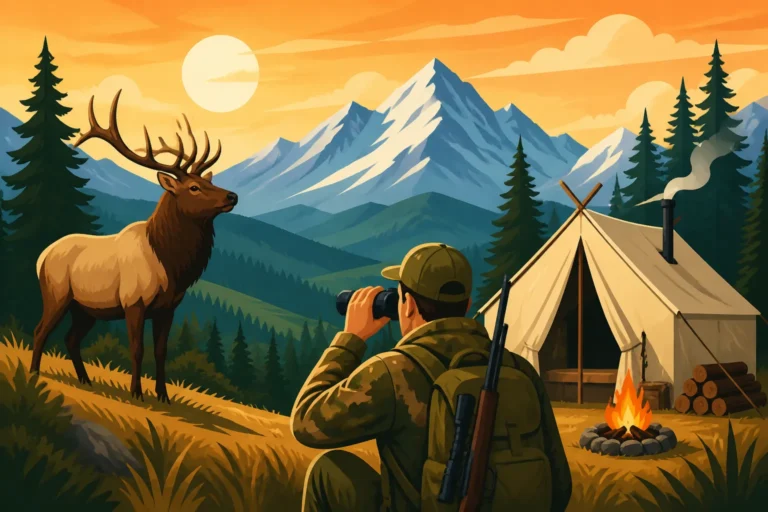
The accommodation at an outfitter camp is typically more utilitarian and robust, built to withstand the elements of Alberta's varied seasons. The iconic wall tent, often a large canvas structure heated by a wood stove, is a common sight. Inside, you'll find cots, perhaps a table, and plenty of space to store gear. The crackle of a wood fire in the stove and the scent of pine needles are part of the charm. These tents are surprisingly warm and comfortable, offering a true sense of adventure and a connection to traditional hunting camps. Some camps might feature rustic log cabins, providing a slightly more permanent and insulated structure, especially in areas where they are frequently used year after year.
Then there are spike camps. These are even more minimalistic, temporary setups designed for short stays deep in the hunting territory. Guides might set up lightweight backpacking tents or a simple tarp shelter for a night or two, allowing hunters to push further into remote areas without having to return to the main camp. These are essential for pursuing elusive game like bighorn sheep in steep terrain or for extended stalks that require an overnight stay closer to the action. Regardless of the setup, the emphasis is on functionality, warmth, and resilience, ensuring you have a safe and dry place to rest before another day of intense hunting.
Horseback Access and Remote Locations
One of the defining features of many Alberta outfitter camps, especially those targeting mountain species or deep boreal forest game, is the reliance on non-motorized access. Horses are often the workhorses of these operations, carrying hunters and gear into otherwise inaccessible areas. Imagine the experience of riding through pristine wilderness, the rhythm of the horse's hooves on the trail, and the silence broken only by birdsong or the rustle of leaves. This provides access to areas where game pressure is significantly lower, increasing your chances of encountering mature animals that haven't been pushed by vehicle traffic.
These remote locations are chosen for their strategic position within a WMU's prime habitat. They might be nestled beside a pristine alpine lake, hidden deep within a river valley, or tucked away in a dense boreal forest block. The remoteness means longer travel times to reach the camp itself, which contributes to the feeling of truly "getting away from it all." This isolation is a major draw for hunters seeking an authentic wilderness experience, a chance to disconnect from the modern world and fully reconnect with nature and the primal act of hunting. For hunts like Backpack Hunting Alberta's Bighorn Country, this kind of access is not just preferred, it's often essential.
The Ruggedness and Rewards of Camp Life
Life in an outfitter camp is generally more rugged than in a lodge, requiring a certain level of adaptability from hunters. While guides will handle most of the camp chores, such as cooking and keeping the fire stoked, hunters are expected to be good campmates. This might mean helping with water, fetching firewood, or simply keeping your gear tidy to maintain a functional living space. The meals, while hearty and delicious, might be simpler, focusing on satisfying hunger after a strenuous day. You might enjoy stews cooked over an open fire, grilled steaks, or robust pasta dishes, all designed to replenish your energy.
The rewards, however, are immense. The camaraderie forged in a remote camp, sharing stories around a crackling fire under a canopy of stars, is unlike any other. You'll develop a deeper appreciation for the effort involved in a wilderness hunt, and the sense of accomplishment when you succeed is amplified. The raw beauty of your surroundings becomes your daily backdrop, and the sounds of the wilderness are your lullaby. For many, the experience of living and hunting from a traditional outfitter camp is the pinnacle of their hunting career, offering challenges and memories that simply can't be found in more conventional settings.
Choosing the Right Lodge or Camp for Your Hunt
Deciding between a full-service lodge, a remote outfitter camp, or a DIY approach for your Alberta hunt is a pivotal decision that will shape your entire experience. It’s not just about cost; it’s about aligning the accommodation with your hunting style, the species you're after, and your personal comfort level.
Matching Your Hunting Style to the Lodging
Your preferred hunting style should be a major factor in your choice of lodging. If you envision leisurely mornings, hot breakfasts, comfortable evenings recounting tales by a fire, and minimal personal logistics, a full-service lodge is likely your best bet. These are ideal for hunters who want to focus purely on the hunt itself, allowing their outfitter and guides to manage the day-to-day operations. It’s also often preferred for specialty hunts where precise timing and strategic access are paramount, like Hunting the Rut in Early November.
On the other hand, if you crave a more rugged, immersive experience – one where you're closer to nature, willing to forgo some creature comforts, and possibly engage more directly in camp chores – then a remote outfitter camp is probably a better fit. This style appeals to hunters who enjoy the challenge of a true wilderness expedition, where the journey to camp is as much a part of the adventure as the hunt itself. For the ultimate self-reliant hunter, a drop camp or a full DIY approach offers maximum freedom and flexibility, but demands extensive experience, equipment, and a willingness to handle every aspect of the trip. These hunters thrive on the self-sufficiency required when Hunting Whitetails on Alberta Crown Land independently.
Considering Location: Foothills, Boreal, or Prairie?
Alberta’s diverse landscapes directly influence the type of lodges and camps available and the species you'll be pursuing. In the wide-open prairie and badlands of southern Alberta, you might find lodges catering to Pronghorn on Alberta's Southern Prairie hunts or Mule Deer in Alberta's Open Country. These might be converted ranch houses or purpose-built facilities that offer easy access to expansive private lands and coulees. Here, vehicle access is often key, and comfort after a day of glassing vast distances is highly valued.
As you move north into the foothills and boreal forest, the landscape shifts to dense timber, rolling hills, and river systems. This is prime territory for Moose Across Alberta's Boreal and Foothills, Elk in Alberta's Mountains and Farmland, and Black Bears in Alberta's Forests and Foothills. Here, you'll find a mix of lodges and more remote outfitter camps. Camps that rely on quads, boats, or horseback are common, placing you deeper into game country. For Hunting Alberta's Boreal Forest Country, a remote camp offers the best chance to be truly immersed in the vastness. Your target species and the specific WMU you're hunting will largely dictate the most effective and available lodging options.
Budgeting for Your Lodge or Camp Experience
Cost is, of course, a significant consideration for any hunting trip. Full-service lodges with guided hunts typically represent the highest investment due to the extensive amenities, experienced guides, and all-inclusive services. For example, What an Alberta Guided Whitetail Hunt Costs can vary widely based on the lodge's offerings, the duration of the hunt, and the hunter-to-guide ratio. When looking at prices, be sure to clarify what is and isn't included, such as licenses, tags, trophy fees, and transportation to and from the nearest airport. Websites like BookYourHunt are excellent resources for comparing different packages and understanding what's typically included.
Remote outfitter camps, while still a considerable expense if guided, often come in at a slightly lower price point than luxury lodges, reflecting their more rustic nature and sometimes fewer amenities. Drop camps are generally more affordable, as you’re primarily paying for transportation and perhaps a pre-set camp, not daily guide services. The most budget-friendly option is always the full DIY camp, where your costs are limited to licenses, gear, food, and fuel. However, remember that "cheaper" often means more work and personal responsibility on your part. It's crucial to understand What an Alberta Guided Hunt Costs versus a DIY trip to align with your financial plans.
Making the Most of Your Stay
Regardless of whether you choose a plush lodge or a rugged backcountry camp, certain principles will help ensure your Alberta hunting trip is successful and enjoyable. Much of it comes down to preparation, communication, and a respectful attitude.
Communication is Key: Before, During, and After
Good communication starts long before your boots hit Alberta soil. When booking, be crystal clear about your expectations, physical capabilities, dietary restrictions, and any specific goals for your hunt. Don't be shy about asking questions about what’s included, what kind of weather to expect, and what specific gear you should bring. Confirm who you’ll be hunting with, especially if you're booking as a solo hunter and might be paired with others. This early transparency helps your outfitter or lodge prepare for your arrival and minimizes surprises. Websites like GoHunt often have reviews and forums where you can gather insights and questions to ask.
During the hunt, maintain open lines of communication with your guide and camp staff. If you’re tired, cold, or need a break, speak up. If you have questions about tactics or animal behavior, ask them. Good guides appreciate engaged hunters. After the hunt, provide constructive feedback to your outfitter. This helps them improve their services for future clients. Remember, a successful hunt isn't just about bagging an animal; it's about the entire experience, and clear communication contributes significantly to that success.
Respecting Camp Etiquette and Staff
Whether you're in a lodge or a remote tent camp, you're sharing a communal space, and a certain level of etiquette is expected. Be mindful of noise levels, especially early in the morning or late at night when others might be sleeping or trying to relax. Keep your personal gear organized and contained to your designated space, avoiding clutter in common areas. Help maintain cleanliness, especially in shared washroom facilities or dining areas. A little effort goes a long way in ensuring a pleasant experience for everyone.
Show respect and appreciation for the lodge or camp staff. These individuals, from cooks to cleaners to guides, work incredibly hard to ensure your comfort and safety. A genuine "thank you" goes a long way. And remember, tipping is customary in the guiding industry and is a significant part of their income. Understanding Tipping an Alberta Guide expectations beforehand helps you budget appropriately and show your gratitude for their hard work. A positive attitude and willingness to be a team player will always enhance your experience and the experience of those around you.
Preparing for the Unique Environment
Alberta’s hunting environments are diverse and can be demanding. From the intense cold of Hunting Alberta Winter Weather Safely to the rugged, steep terrain of the mountains, you need to be physically and mentally prepared. Ensure you bring appropriate clothing layers, footwear, and personal gear as recommended by your outfitter. Discuss the specific terrain and physical demands of your hunt beforehand; for example, a Moose Hunting Alberta's Boreal Forest trip might involve long hours on foot through muskeg, while a Bighorn Sheep Hunting in Alberta's Mountains hunt requires serious elevation gains.
Your guide will likely provide invaluable insights into the local conditions, so listen carefully to their advice regarding everything from river crossings to animal behavior. Be prepared for early mornings and long days, and understand that hunting success isn't guaranteed. Embrace the journey, the challenges, and the incredible beauty of Alberta's wild places. Having a general understanding of Alberta Blaze Orange and Safety Rules and ensuring your firearm or bow meets Legal Firearms and Bows for Big Game standards are also crucial aspects of preparation that will be checked by your outfitter.
Important Considerations When Booking
Booking your Alberta hunting lodge or camp involves more than just picking a date; it requires a thorough understanding of the agreement, financial obligations, and due diligence to ensure you choose a reputable operation. Don't rush this process; a well-planned trip is often a successful trip.
Understanding Inclusions and Exclusions
Before you put down a deposit, get a clear, detailed list of everything that is included in your package price and, just as importantly, what is not. This can vary wildly between outfitters and lodges. Typically, an all-inclusive package covers guiding services, accommodation, meals, and field transportation. However, things like your hunting licenses, species tags, the Federal Migratory Game Bird Permit Cost (if applicable), government taxes, airfare to Alberta, ground transportation from the airport to the lodge, meat processing, taxidermy, and tips are often not included.
Some packages might include a certain number of trophy fees, while others charge them separately once an animal is harvested. For example, some outfitters might have different rates for antlered versus antlerless animals. Understanding these distinctions upfront will prevent sticker shock later. Ask about what happens if you harvest your animal early; is there a provision for additional hunting activities, or will you simply depart? Similarly, inquire about what happens if you don't fill your tag. A transparent outfitter will be happy to walk you through every line item.
Deposit Policies, Cancellations, and Insurance
Booking an Alberta hunt, especially with a reputable lodge or outfitter, often requires a significant deposit, sometimes 50% or more of the total trip cost. Understand the payment schedule for the remainder and the accepted payment methods. Crucially, scrutinize the cancellation policy. Life happens – illness, family emergencies, or unexpected work commitments can force you to cancel. What is the lodge’s policy regarding refunds or rescheduling? Many deposits are non-refundable, especially if cancelled within a certain timeframe.
This is where travel insurance, specifically hunting trip cancellation insurance, becomes invaluable. It can protect your investment against unforeseen circumstances that might prevent you from going. Investigate providers that offer coverage for hunting trips, ensuring it covers things like medical emergencies, lost luggage, and trip interruptions or cancellations. This small upfront cost can save you thousands of dollars and immense stress if things go sideways. Learn about Alberta Hunt Cancellation Insurance options and secure a policy that gives you peace of mind.
Vetting Outfitters and Reading Reviews
Before committing to any lodge or outfitter, do your homework. Start by checking if the outfitter is properly licensed in Alberta. You can often verify this through the provincial wildlife or tourism authorities. Don't rely solely on their website; look for independent reviews and testimonials. Platforms like BookYourHunt and GoHunt, while also booking sites, often host reviews from previous clients that can offer valuable insights into the outfitter’s professionalism, the quality of their services, and their success rates.
When reading reviews, look for consistent themes, both positive and negative. Pay attention to comments about guide knowledge, camp quality, food, and communication. Ask the outfitter for a list of references – ideally, recent clients you can call to discuss their experience. Ask specific questions: "What was the toughest part of your hunt?" "Were there any hidden costs?" "Would you hunt with them again?" This due diligence is crucial for Choosing the Right Alberta Outfitter and can significantly influence the outcome of your trip.
Getting Your Gear There and Your Trophy Home
Logistics beyond the hunt itself need careful planning. If you're flying into Alberta, understand the rules for Flying to Alberta With a Rifle or any other firearms. You'll need to declare your firearms at the border and complete a Non-Resident Firearm Declaration Form. Ammunition rules also apply, so be sure to check those regulations. Many hunters choose to rent a rifle from their outfitter to simplify travel.
After a successful hunt, you'll need a plan for getting your meat and trophy home. Most lodges and outfitters will assist with field dressing and transporting your animal. They can often recommend local butchers for processing and freezer storage. For trophies, whether it’s a cape for a shoulder mount or antlers for a Euro mount, discuss options for Shipping Meat Home From Alberta and shipping antlers home from Alberta with your outfitter. They can often arrange for a local taxidermist to handle the initial preparation and shipping, ensuring your hard-earned trophy makes it back safely, adhering to all customs and import regulations in your home country.
Disclaimer
This article is for general informational purposes only and does not constitute professional advice. Laws, prices and regulations vary by location and change over time. Consult a qualified professional for guidance on your specific situation.