Hunting Alberta in November Cold
Hunting in Alberta during November can be an incredibly rewarding experience, offering some of the best opportunities for big game, especially during the whitetail rut. However, the rapidly falling temperatures and unpredictable snowfalls can turn a dream hunt into a miserable, even dangerous, ordeal if you're not prepared. Many hunters get caught off guard by the sheer intensity of the cold, finding their gear inadequate or their strategies ill-suited to the harsh realities of a Canadian winter. This guide is here to walk you through what to expect when the mercury drops, how to properly equip yourself, and how to adapt your hunting approach to thrive in Alberta's November cold, ensuring both your success and your safety.
Understanding November Weather and Its Impact
November in Alberta is a month of dramatic transition. It's when the last hints of fall give way to the deep freeze of winter, often with little warning. The conditions you face can profoundly impact animal behavior, your comfort, and ultimately, your success.
The Reality of Alberta's November Temperatures
When we talk about "cold" in November, we're not talking about a crisp morning with a light frost. We're talking about temperatures that can plunge well below freezing, often dipping into the -20°C range, sometimes even colder with wind chill factored in. It's a bone-chilling cold that can sneak up on you, especially if you're used to milder conditions. A bright, sunny morning might feel pleasant, but once the sun dips or a cloud rolls in, that temperature can drop like a stone.
This extreme cold isn't just uncomfortable; it's a constant drain on your body's energy. Staying warm becomes a full-time job for your metabolism, and if your clothing isn't up to snuff, you'll feel it in your fingers, toes, and core within minutes. Many hunters underestimate how quickly the cold can sap their focus and dexterity, leading to missed opportunities or, worse, safety issues. It's not uncommon for hunters from more temperate climates to be utterly shocked by how bitter the cold can get, making basic tasks feel like monumental efforts.
How Snow and Ice Change the Landscape
November brings with it the first significant snowfalls, and sometimes, a whole lot of it. A light dusting can transform tracking conditions, making fresh deer or moose tracks pop like neon signs. But heavier snow can make travel difficult, burying trails, turning forestry roads into impassable drifts, and making quiet movement a challenge. Imagine trying to still-hunt through knee-deep powder – it's exhausting, noisy, and can leave you drenched in sweat and then freezing when you stop.
Ice is another beast entirely. Freezing rain or a quick thaw-and-freeze cycle can coat everything in a treacherous layer. Sloughs and ponds that were open water in October can be covered in a thin, dangerous sheet of ice. Crossing creeks or navigating steep terrain can become incredibly hazardous. Understanding these changes, even before you step out of the truck, is crucial. Checking local forecasts, including snowfall predictions and ice warnings, is a daily ritual for serious November hunters. You might also want to consult resources on Hunting Alberta Winter Weather Safely to prepare for these conditions.
Animal Behavior in the Cold and Rut
The deer rut often hits its peak in early to mid-November, making it a prime time for chasing whitetails and mule deer. However, as the month progresses and the cold intensifies, animal behavior shifts dramatically. While bucks might still be cruising for does, their movement becomes more calculated. They'll seek out thermal cover – thick stands of conifers, deep coulees, or south-facing slopes that catch the sun – to escape the biting wind and conserve energy.
Food sources also change. Crops might be buried under snow, forcing animals to switch to browse, bark, or whatever they can dig up. Understanding these shifts is key to successful cold-weather hunting. Animals, especially deer and moose, will be less likely to move extensively in the open during the coldest parts of the day, preferring to feed during twilight hours or on milder, overcast days. They become incredibly efficient at conserving energy, which means they're often bedded down in dense cover. Knowing Where Alberta Whitetails Bed in Deep Snow can give you a significant advantage.
Essential Gear and Clothing for Deep Cold
Your gear, especially your clothing system, is your first line of defense against Alberta's November cold. Skimping here isn't just uncomfortable; it's dangerous. A well-thought-out kit can be the difference between a successful, enjoyable hunt and a miserable, abbreviated one.
Layering Systems for Static and Active Hunting
Forget the idea of one big, bulky coat. The secret to staying warm in extreme cold is layering, and critically, understanding how to adjust those layers for different activity levels. You need a system that breathes when you're exerting yourself, wicks moisture away from your body, and insulates effectively when you're sitting still.
Start with a good quality base layer – merino wool or synthetic are your friends here, never cotton. This layer is all about wicking moisture. Next, a mid-layer for insulation, perhaps a fleece jacket or a puffy synthetic vest. Then comes your outer shell, which needs to be windproof, waterproof, and durable. For static hunting, like sitting in a treestand, you'll want additional heavy insulation layers, such as a thick down parka or heavily insulated bibs that you can throw on once you're settled. When you're actively hiking in, you'll wear fewer layers to avoid sweating, then add them back on when you reach your stand. Many hunters carry a "puffy" jacket in their pack to put on immediately when they stop moving.
| Layer Type | Purpose | Material Example (Good) | Material Example (Bad) | Activity |
|---|---|---|---|---|
| Base Layer | Moisture Wicking | Merino Wool, Synthetic | Cotton | Active/Static |
| Mid Layer | Insulation, Warmth | Fleece, Lightweight Down | Cotton Sweatshirt | Active/Static |
| Outer Layer | Wind/Water Protection | Gore-Tex, Windstopper | Uncoated Nylon | Active/Static |
| Insulation | Heavy Static Warmth | Heavy Down, Synthetic | Heavy Wool (non-wicking) | Static |
Remember, the goal is to prevent sweating when you're moving, as that moisture will chill you to the bone when you stop. This dynamic layering is something you'll be adjusting constantly throughout the day, so make sure your layers are easy to take on and off. Checking What to Wear on a Late Season Hunt can provide even more specific advice.
Footwear and Hand Protection: The Cold's Weak Points
Your feet and hands are often the first to suffer in the cold, and if they get too cold, the rest of your body quickly follows. For footwear, forget your lighter hunting boots from early season. You need insulated, waterproof boots specifically rated for extreme cold. Look for boots with at least 800-1200 grams of Thinsulate or equivalent insulation. Sizing up half a size can also help, allowing for thicker wool socks and better circulation. Pack spare socks, even if you don't think your feet will get wet. Just having a dry pair to change into can make a world of difference.
Hand protection is equally critical, and often more challenging, as you need dexterity for shooting. A multi-layer approach works best here too. Start with thin, synthetic or merino wool liner gloves that allow for fine motor skills. Over these, wear insulated gloves or mittens. For static hunting, often a large, insulated hand muff (sometimes with a hand warmer inside) is the best option, allowing you to quickly slip your hands out to shoot while keeping them toasty warm the rest of the time. Don't be afraid to double up on gloves or even use chemical hand warmers regularly – they are absolute lifesavers in these conditions.
Keeping Your Equipment Functional
The cold doesn't just affect you; it affects your gear too. Batteries drain rapidly in freezing temperatures, so carry spares for rangefinders, GPS devices, headlamps, and any electronic calls you might be using. Keep these spares in an inside pocket, close to your body heat. Rifles can become sluggish, and lubricants can thicken, so ensure your firearm is properly cleaned and lubricated with cold-weather-rated products before you head out.
Archery equipment also needs attention. Bowstrings can become brittle, and sights can fog up. Broadheads can collect snow and ice, affecting flight. Even your calls and rattles can sound different in the cold. Keep your grunt tube or rattling antlers inside your jacket to prevent them from freezing solid or becoming too cold to hold comfortably. This is where attention to detail really pays off; a frozen rangefinder or a stiff rifle bolt can ruin a shot that you’ve worked all day for. Many hunters use platforms like GoHunt for scouting and weather, and it's essential to remember that even your phone, if used for such tools, will have its battery life severely impacted by the cold.
Adapting Hunting Strategies for Cold Conditions
November's cold demands a strategic shift. What worked in September won't cut it now. You need to think like the animals do, anticipating their movements and using the environment to your advantage.
Hunting Bedding Areas and Thermal Cover
In deep cold, animals become incredibly efficient at conserving energy. This means they will spend more time bedded, and they will seek out the absolute best thermal cover available. For whitetails, this often means dense stands of young conifers, thick willow runs, or the deepest parts of aspen bluffs where they are sheltered from the wind. Mule deer will gravitate towards steep, south-facing coulee walls that catch the sun, or thick pockets of brush that offer a windbreak. Moose might be found in black spruce thickets or along the edges of muskegs.
Your strategy should involve carefully approaching these areas, especially during the middle of the day when animals are most likely to be bedded. Instead of blindly still-hunting through open timber, focus your efforts on the edges of these dense covers or trails leading into and out of them. A good pair of binoculars is invaluable for glassing these areas from a distance, looking for a patch of hide or the flick of an ear. Remember, animals will typically bed with the wind at their back, watching their downwind approach. Plan your stalk accordingly, always being mindful of the wind direction. For more on this, check out Reading Whitetail Sign in Alberta Aspen Bluffs.
Leveraging Food Sources and Water in Winter
While animals might be seeking cover, they still need to eat and drink. As snow covers traditional food sources, animals will adapt. This often means pawing through snow to reach buried stubble in agricultural fields, browsing on aspen or willow shoots in the bush, or feeding on standing corn or canola. Water sources can become limited as shallow ponds freeze solid, forcing animals to rely on snow or flowing water sources like creeks and rivers that might still be open.
Focus your hunting efforts around these critical resources. A sheltered grain field on a still, cold evening can be a goldmine, especially if there's a nearby treeline offering cover. Deer will often stage in these treelines before entering the field to feed. Look for areas where animals are concentrated due to limited food or water access. This might mean scouting a specific Hunting a Standing Canola Field Edge or a creek bottom that remains unfrozen. The combination of food, water, and thermal cover creates irresistible hubs for game in cold weather.
Still-Hunting and Tracking in the Snow
The presence of snow, while making travel more challenging, can also be a huge advantage for the observant hunter. Fresh snow reveals animal movements, allowing you to read the story of the woods. You can identify travel corridors, feeding areas, and bedding sites by following tracks. Still-hunting becomes an art form: slow, deliberate steps, pausing frequently to scan and listen. The crunch of snow underfoot can be loud, so timing your steps with gusts of wind or other natural sounds can help mask your approach.
If you find fresh tracks, especially a mature buck track, the conditions are ripe for a tracking hunt. This is a highly demanding but incredibly rewarding form of hunting. It requires patience, keen observation, and the ability to interpret subtle signs. The animal might be bedded just ahead, watching its backtrail, so always be ready for a quick shot. While platforms like BookYourHunt are great for finding guided experiences, understanding these specific, nuanced hunting techniques like still-hunting in the snow will greatly enhance any self-guided hunt. If you're new to tracking, consider practicing these skills in less critical scenarios first. Tracking a Cougar in Fresh Snow offers insight into the principles of tracking that apply to all species.
Safety and Survival in Freezing Temperatures
Hunting in Alberta in November isn't just about strategy and gear; it's also about personal safety. The cold can turn a minor mishap into a life-threatening situation quickly. Being prepared for emergencies is paramount.
Recognizing and Preventing Cold Weather Injuries
Hypothermia and frostbite are real and present dangers in Alberta's November cold. Hypothermia occurs when your body loses heat faster than it can produce it, causing your core temperature to drop. Symptoms range from shivering and confusion to slurred speech and loss of coordination. Frostbite is the freezing of body tissue, most commonly affecting fingers, toes, ears, and nose. It can lead to permanent damage.
Preventing these injuries starts with proper layering, staying dry, and maintaining adequate nutrition and hydration. Even in cold weather, you're losing fluids, so drink plenty of water. Carry high-energy snacks like nuts, chocolate, or energy bars to keep your internal furnace burning. If you start shivering uncontrollably, get to shelter, change into dry clothes, and consume warm liquids. For frostbite, gently warm the affected area, but do not rub it or expose it to extreme heat. Always err on the side of caution; if you suspect serious cold-related injury, seek medical attention immediately.
Emergency Preparedness and Communication
Venturing into remote areas in cold weather without a solid emergency plan is reckless. Always tell someone exactly where you're going, your planned route, and when you expect to return. Stick to that plan. Carry a fully charged cell phone, but don't rely on it for all communication; battery life is short in the cold, and service can be spotty in many hunting areas. A satellite messenger or a satellite phone is a wise investment for remote hunts, providing a reliable way to call for help even without cell service.
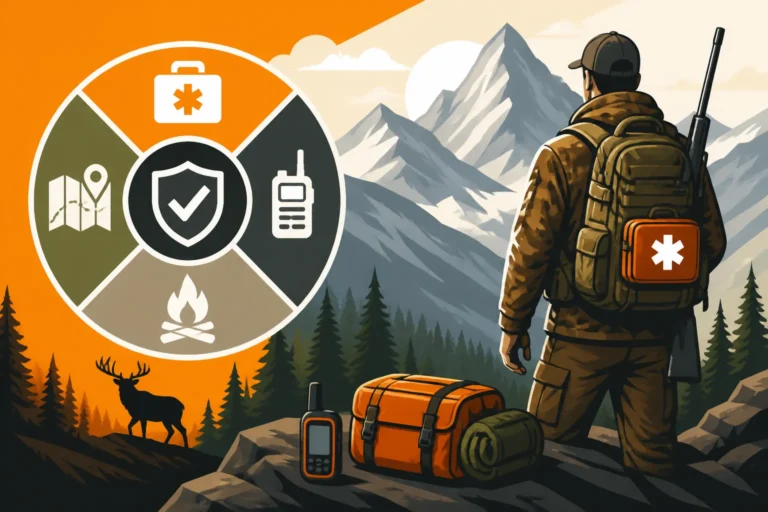
Your emergency kit should include more than just a first-aid kit. Pack fire-starting materials, a bivy sack or emergency blanket, extra high-energy food, a whistle, and a bright signaling device. Even a small shovel can be invaluable for digging out a stuck vehicle or preparing an emergency shelter. Knowing basic survival skills, like building a fire in snow or constructing a simple debris shelter, could save your life. For those venturing deep, consider what a Winter Truck Kit for an Alberta Hunt should contain to ensure you're never caught off guard.
Meat Care in Alberta's Cold and Warm Swings
One of the benefits of hunting in November cold is that it generally simplifies meat care. The low temperatures act as a natural refrigerator, slowing bacterial growth. However, Alberta's weather can be notoriously unpredictable, and a warm Chinook can roll in, rapidly raising temperatures. This means you can't assume constant cold.
Field dressing your animal quickly and efficiently is always the first step. Remove the guts immediately to allow the carcass to cool. If temperatures are consistently below freezing, you can hang the animal whole to properly chill and age. However, if there's any chance of a warm spell, or if you're taking a large animal like a moose or elk, it's prudent to quarter the animal and get it to a cooler as soon as possible. Transporting game meat requires diligence to ensure it stays clean and cool. Don't forget that if you're in a CWD mandatory submission zone, you'll also need to manage your carcass for sampling. Understanding proper Meat Care in Alberta's Cold and Warm Swings is vital for ensuring your hard-earned harvest doesn't go to waste.
Disclaimer
This article is for general informational purposes only and does not constitute professional advice. Laws, prices and regulations vary by location and change over time. Consult a qualified professional for guidance on your specific situation.