How Much to Tip an Alberta Guide
You've just finished a fantastic, challenging hunt in Alberta, maybe you tagged out on a monster whitetail or a beautiful bull moose, or perhaps the weather got the best of you. Either way, as the experience winds down, that familiar, slightly awkward question pops into your head: how much should you tip your guide? It's a common frustration, trying to gauge appropriate gratitude for someone who just spent days putting their heart and soul into your adventure. This guide is here to demystify the tipping etiquette in the Alberta hunting scene, ensuring you can show your appreciation confidently and respectfully.
The Unspoken Expectation: Why Tipping Your Alberta Guide Matters
Let's be real, shelling out money for a guided hunt is a significant investment. You've paid for the experience, the expertise, the camp, the food, and a whole lot more. So why the expectation of a tip on top of that? It’s a question many hunters ponder, and it boils down to understanding the realities of the guiding profession and the immense effort that often goes unnoticed.
It's More Than Just a Courtesy, It's Part of Their Livelihood
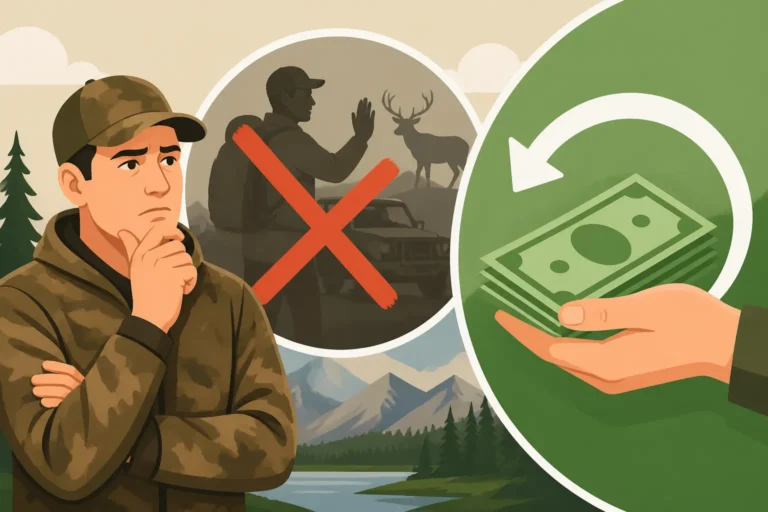
For most guides, especially the seasoned ones who live and breathe the outdoors, guiding isn't just a job; it's a passion. But it's also how they make their living. In many service industries, tips are a crucial part of a worker's income, and guiding is no different. Your guide is essentially self-employed or paid a base salary by the outfitter, and tips often represent a substantial portion of what they take home at the end of a long, grueling season. Think of it like a restaurant server or a fishing charter captain – their base pay might cover some essentials, but their dedication and hard work are acknowledged and rewarded through gratuities. It's the industry standard across North America, and Alberta is no exception. It’s a way of saying, "Your exceptional effort and specialized knowledge were deeply appreciated, and I recognize the value you brought to my experience." Without these tips, many guides simply wouldn't be able to continue pursuing a career they love, providing the amazing experiences we all seek.
Beyond the Hunt: All the Work Your Guide Puts In
When you think of a guide, you probably picture them tracking an animal, calling in a bull, or spotting a distant buck. And yes, those are crucial parts of the job. But what you don't always see is the sheer volume of work that happens before, during, and after your hunt. Long before you even arrive in camp, your guide is often out scouting, checking trail cameras, maintaining equipment, setting up blinds, and even physically building or improving access trails. They might be working weekends and evenings for weeks leading up to your arrival.
During the hunt, they're typically the first one up, preparing coffee and breakfast, getting gear ready, and meticulously planning the day's strategy. They're carrying heavy packs, breaking trail, cooking lunches in the field, making sure you're safe, comfortable, and motivated, even when the weather turns nasty or the hunting is slow. If you're successful, their work ramps up even more: gutting, caping, quartering, packing out heavy meat, and ensuring proper Meat Care in Alberta's Cold and Warm Swings. This isn't just physically demanding; it requires immense mental fortitude, patience, and a deep knowledge of the land and the animals. When you consider the full scope of their responsibilities, from pre-season prep to post-harvest logistics, it quickly becomes clear why a tip is well-deserved recognition for their comprehensive dedication.
The Human Element: Building Rapport and Respect
Beyond the financial aspect, tipping is also a powerful way to foster a positive relationship and show genuine respect for the individual who has shared this intense, personal experience with you. Hunting is often a deeply personal endeavor, and when you share that with a guide, you're forging a unique bond. They are often your confidante, your motivator, and your educator for several days. A thoughtful tip communicates that you value their companionship, their patience, and their ability to keep spirits high even when things aren't going according to plan.
Think about it: your guide has seen you at your best and perhaps your most frustrated. They've celebrated your successes and helped you process disappointments. A generous tip, given with a sincere "thank you," reinforces that mutual respect. It leaves them feeling appreciated for who they are and not just for the outcome of the hunt. This can be especially important for guides who might feel undervalued if hunters only tip based on whether an animal was harvested. It shows you understand that their effort and presence, regardless of the kill, made your trip memorable and meaningful. Many hunters often develop long-term friendships with their guides, and a solid tip can be the foundation of a lasting positive connection, potentially leading to future bookings or referrals.
Navigating the Numbers: What Influences Your Tipping Decision
Deciding on the exact amount to tip can feel like a guessing game. There isn't a hard and fast rule set in stone, and various factors come into play. It's about weighing your satisfaction, the guide's effort, and what feels right within the context of your overall investment and the industry norms.
Assessing Your Guide's Performance and Dedication
This is probably the most significant factor for most hunters. Was your guide genuinely dedicated to your success and enjoyment? Did they work tirelessly, even when the conditions were tough? This goes beyond simply putting you on an animal. Did they demonstrate deep knowledge of the area and the game? Were they patient and encouraging? Did they handle unexpected challenges with calm professionalism?
For example, imagine your guide spends hours tracking a wounded animal through thick timber in pouring rain, ultimately recovering it even though it meant sacrificing personal comfort. Or perhaps they helped you improve your shooting skills, teaching you ethical shot placement or how to judge an animal in the field. Even if you didn't harvest, if your guide put in maximum effort, tried every trick in the book, and made you feel safe and engaged, that dedication deserves to be recognized. On the flip side, if a guide seemed disengaged, spent more time on their phone, or showed a lack of effort, your tip should reflect that, but always ensure you're fair in your assessment – sometimes the animals just aren't cooperating, which is out of a guide's control.
Considering the Overall Outfitter Experience
While your tip is primarily for your direct guide, the broader outfitter experience can sometimes subtly influence your decision. Was the camp well-run? Was the equipment in good working order? Was the food excellent? Did the outfitter deliver on the promises made when you booked the hunt? For example, if you booked a hunt after researching on platforms like BookYourHunt or GoHunt, and the outfitter's reputation was sterling, and they lived up to every expectation, that positive overarching experience might incline you to be more generous with all the staff, including your guide.
Conversely, if the outfitter was disorganized, the camp was subpar, or there were significant issues that detracted from your experience, you might feel less inclined to be overly generous, even if your specific guide was fantastic. In such cases, it's important to try and separate your feelings about the outfitter from your appreciation for your guide's individual efforts. Your guide likely had no control over the quality of the food or the age of the camp vehicles. However, a truly terrible outfitter experience might lead some hunters to adjust their overall tipping budget downwards, which is an unfortunate reality. Before booking, consider asking prospective outfitters about What Outfitters Provide in Camp and What Camp Food Is Usually Like to set your expectations.
Factoring in Your Hunt's Cost and Your Personal Budget
Guided hunts, especially for big game in Alberta, represent a substantial financial commitment. What an Alberta Guided Hunt Costs can vary wildly depending on the species, duration, and level of luxury. It's completely understandable that after paying for the hunt, licenses, travel, and gear, you're looking at your remaining budget. However, it's crucial to consider tipping as an integral part of the overall cost of a guided hunt, not an afterthought. When you're budgeting for your trip, build in a line item for gratuities, just as you would for your flights or new hunting boots.
If you're on a tighter budget, you might aim for the lower end of the recommended tipping percentage, but always ensure it's still a respectable amount that acknowledges the guide's hard work. It's better to give a slightly smaller but sincere tip than to skip it entirely or give a token amount that feels disrespectful. Communication with your outfitter before the hunt can also sometimes provide clarity on expectations, though many prefer to keep it unspoken. Remember, a good guide isn't judging your bank account; they're appreciating your recognition of their value.
Understanding Industry Standards for Guided Hunts
While there's no official rulebook, the North American hunting industry has developed generally accepted norms for tipping. These standards often provide a good starting point for your calculations. Most commonly, tips for guides fall into a percentage range of the hunt's base cost, or sometimes a flat daily rate. This average range is often discussed among hunters, and you can sometimes find insights on forums or through word-of-mouth when researching outfitters.
It's also useful to consider What a Guide Fee Actually Covers when thinking about industry standards. The fee covers the outfitter's operating costs, insurance, permits, and often a base salary for the guide. The tip is for the personalized, above-and-beyond service. Understanding these distinctions helps frame why a tip is expected in addition to the hunt cost. These industry standards exist to ensure guides are fairly compensated for their specialized skills, dedication, and the physically demanding nature of their work.
Practical Tipping Scenarios and How to Handle Them
Now that we've covered the "why" and "what influences," let's dive into the "how much" and "how to" of tipping your Alberta guide. These practical guidelines will help you navigate different situations confidently.
The Standard: Percentage or Flat Rate Approaches
Most often, hunters opt for a percentage of the hunt's total cost as a tip. The common range you'll hear discussed is 10-20% of the base hunt price.
- 10-15%: This is generally considered a good, solid tip for a guide who performed well, was professional, and delivered a good experience, even if you didn't tag out. It acknowledges their hard work and expertise.
- 15-20%: This range is reserved for truly exceptional guides who went above and beyond, making your hunt unforgettable. Maybe they worked tirelessly in terrible weather, demonstrated extraordinary skill in calling or tracking, or their personality and companionship truly elevated the entire trip.
Some hunters prefer to calculate a flat daily rate. This can vary significantly based on the hunt type and cost, but for a typical big game hunt, it might be in the range of a few hundred dollars per day. For example, $150-$300 per day for your guide might be a suitable way to calculate it, depending on the intensity and success of the hunt.
Here’s a quick table to give you a general idea, using a hypothetical $5,000 big game hunt:
| Performance Level | Percentage Range | Example Tip for $5,000 Hunt | Daily Rate Equivalent (5-Day Hunt) | Notes |
|---|---|---|---|---|
| Good/Standard | 10-15% | $500 – $750 | $100 – $150/day | Professional, hard-working, good experience. |
| Excellent/Above | 15-20% | $750 – $1,000 | $150 – $200/day | Went above and beyond, exceptional effort, memorable experience, high skill shown. |
| Exceptional | 20%+ | $1,000+ | $200+/day | Truly outstanding, perhaps retrieved an animal against odds, became a lifelong friend. |
This table provides a framework, but always adjust based on your personal experience and budget. When researching outfitters, platforms like BookYourHunt or GoHunt often include reviews where previous clients might mention tipping practices or their satisfaction levels, which can offer anecdotal insights.
Tipping When the Animal Doesn't Hit the Ground
This is perhaps the most sensitive tipping scenario. It’s a common misconception that tips are solely for successful harvests. This couldn't be further from the truth. A guide’s job is to maximize your opportunity and provide an exceptional experience, not to guarantee an animal. The variables in hunting—weather, animal movement, hunter's shooting ability, plain old luck—are vast and often beyond a guide's control.
If your guide worked their tail off, put you in prime positions, demonstrated incredible knowledge, maintained a positive attitude despite setbacks, and you simply didn't connect, or the animals just weren't cooperating, they still deserve a tip within the standard range. Their effort and dedication were there. Think of it this way: you hired them for their expertise and hard work, not just for a trophy. A good guide will feel your disappointment, but they'll be even more disheartened if their hard work goes unrecognized because of an outcome beyond their control. This is a critical distinction, and it speaks volumes about your understanding and respect for the profession. Don't let your personal disappointment overshadow their commitment.
Don't Forget the Backbone: Support Staff Tips
While your primary focus might be on your direct guide, remember that a successful hunt often relies on a team. Cooks, wranglers (especially on a horseback hunt in the mountains), camp hands, and skinners all play vital roles in ensuring your comfort and the smooth operation of the camp. These individuals often work incredibly long hours, often starting before your guide and finishing long after.
It's customary to tip these support staff as well. How you do this can vary:
- Pooled Tip: Sometimes, outfitters will have a "tip jar" or suggest giving a lump sum to the head guide or outfitter to distribute amongst the staff. This can be convenient, but you lose control over who gets what.
- Individual Tips: Many hunters prefer to give individual tips directly to the cook, wrangler, or main camp hand. This allows you to personalize your gratitude based on your interactions. A reasonable amount for support staff might be $50-$100 per person for a typical 5-7 day hunt, or more if they were exceptional.
- Outfitter Guidance: Don't hesitate to politely ask the outfitter or head guide (privately, if possible) if there are specific protocols for tipping support staff. They can often provide the clearest guidance on how to ensure everyone is recognized. For longer hunts or those in remote areas, knowing What Outfitters Provide in Camp and what kind of support staff they employ can help you budget for these additional tips.
The Best Way to Present Your Gratitude
Cash is king when it comes to tipping. It's immediate, universally accepted, and often preferred by guides who might be living remotely or need cash for immediate expenses.
- When to Tip: The best time to present your tip is at the very end of the hunt, typically as you are saying your goodbyes, or on the last night in camp. This allows you to reflect on the entire experience.
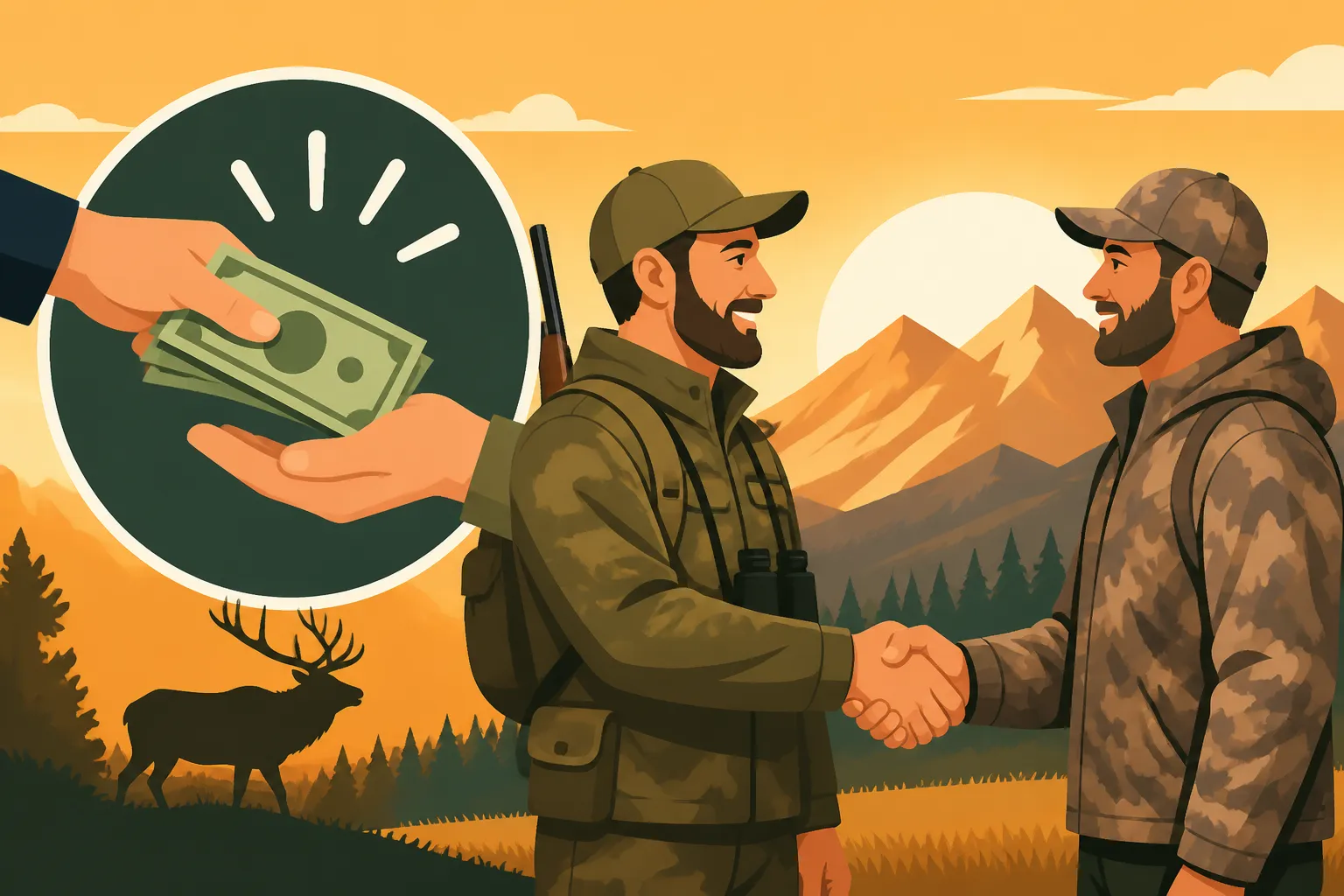
- How to Present It: Present the cash directly to your guide, ideally in an envelope, with a sincere handshake and a personal thank you. A heartfelt compliment about their hard work or a specific memory from the hunt will make the gesture even more meaningful.
- Other Methods: While cash is preferred, some hunters use e-transfers or checks if they don't have enough cash on hand. However, these can be less convenient for guides, especially if they are far from banking facilities or if cross-border transfers involve fees. Always ask beforehand if an e-transfer is acceptable.
Remember, the presentation matters almost as much as the amount. A sincere "thank you" goes a long way.
Going Above and Beyond: Non-Monetary Ways to Show Appreciation
While a monetary tip is the standard way to show appreciation, there are other powerful, non-monetary ways to thank your Alberta guide and outfitter that can have a lasting impact on their business and morale.
Reviews, Referrals, and Rekindling Relationships
In today's digital age, positive reviews and word-of-mouth referrals are incredibly valuable for outfitters and guides. After your hunt, take the time to:
- Write a detailed, positive review: If you booked through a platform like BookYourHunt or GoHunt, make sure to leave a glowing review for your outfitter and, if possible, mention your guide by name. Highlight specific examples of their dedication, knowledge, and professionalism. A detailed review helps other hunters make informed decisions and directly benefits the outfitter's reputation.
- Share your story: Tell your friends, family, and fellow hunters about your incredible experience. Personal referrals are gold in the hunting industry. When someone asks about your trip, enthusiastically recommend your guide and outfitter.
- Send photos: Guides love seeing photos of their clients with their animals, or even just candid shots from the hunt. Share your best photos, especially if you captured some great ones of the guide in action. They often use these for their own memories or even promotional materials.
- Stay in touch: A quick email or text a few weeks later, thanking them again, can go a long way. Many hunters develop lasting friendships with their guides, booking with them year after year. This kind of loyalty is priceless.
Remember, Asking an Alberta Outfitter for References is a common practice before booking a hunt, and your positive feedback can be that vital reference for a future client.
Thoughtful Gestures and Being a Great Client
Sometimes, little things can make a big difference. These gestures aren't meant to replace a cash tip but to supplement it and demonstrate an extra layer of thoughtfulness.
- A small, practical gift: If you know your guide enjoys a particular brand of coffee, a good quality knife, or a piece of hunting gear that would be useful in the field, a small gift can be a nice touch. Just make sure it's something practical and not an attempt to replace a monetary tip.
- Help out around camp: Be a willing participant. Offer to help with chores, load gear, or clean up. Being a proactive and helpful client makes the guide's job easier and shows respect for their time and effort. As outlined in Etiquette in a Hunting Camp, this kind of consideration is always appreciated.
- Be a good sport: Hunting can be unpredictable. There will be bad weather, tough hunting conditions, and maybe even missed shots. Maintain a positive attitude, be patient, and understand that some things are beyond anyone's control. A positive and enthusiastic client makes the guide's job much more enjoyable.
- Respect the rules and the land: Adhering to all hunting regulations, respecting private land boundaries, and leaving the land better than you found it are fundamental ways to show respect for your guide, the outfitter, and the hunting heritage of Alberta.
Ultimately, the goal is to leave your Alberta hunt knowing you've expressed your gratitude fully and appropriately, making both you and your guide feel good about the experience. It's about recognizing the hard work, skill, and dedication that goes into making your outdoor dreams a reality.
Disclaimer
This article is for general informational purposes only and does not constitute professional advice. Laws, prices and regulations vary by location and change over time. Consult a qualified professional for guidance on your specific situation.