What Outfitters Provide in Camp
Heading into an Alberta hunting adventure with an outfitter can be incredibly exciting, but also a little nerve-wracking if you’re unsure about the living situation. Many hunters arrive wondering if they'll be roughing it truly wild or enjoying a few creature comforts. This guide is here to pull back the curtain on exactly what you can realistically expect your outfitter to provide once you step foot in camp, helping you prepare for a seamless and enjoyable experience in the Alberta bush or prairie.
The Core of Your Stay: Shelter and Sleeping Arrangements
One of the biggest questions on any hunter’s mind is, "Where will I be sleeping?" The answer isn't always a simple one, as Alberta outfitters offer a range of accommodations designed to suit different hunting styles, target species, and the ruggedness of the terrain. Understanding these options is key to picking the right hunt for you and knowing what to pack.
Types of Camp Accommodations
Outfitters in Alberta typically provide several types of camp setups, each with its own advantages and feel. You might find yourself in a comfortable lodge, a rustic wall tent camp, or a bare-bones spike camp. Lodge hunts are common in areas where access is easier, and they often provide amenities like running water, electricity, and private or semi-private rooms. Imagine coming back after a long day of Hunting Alberta's Foothills Country to a hot shower and a warm meal in a main dining area – that’s the lodge experience.
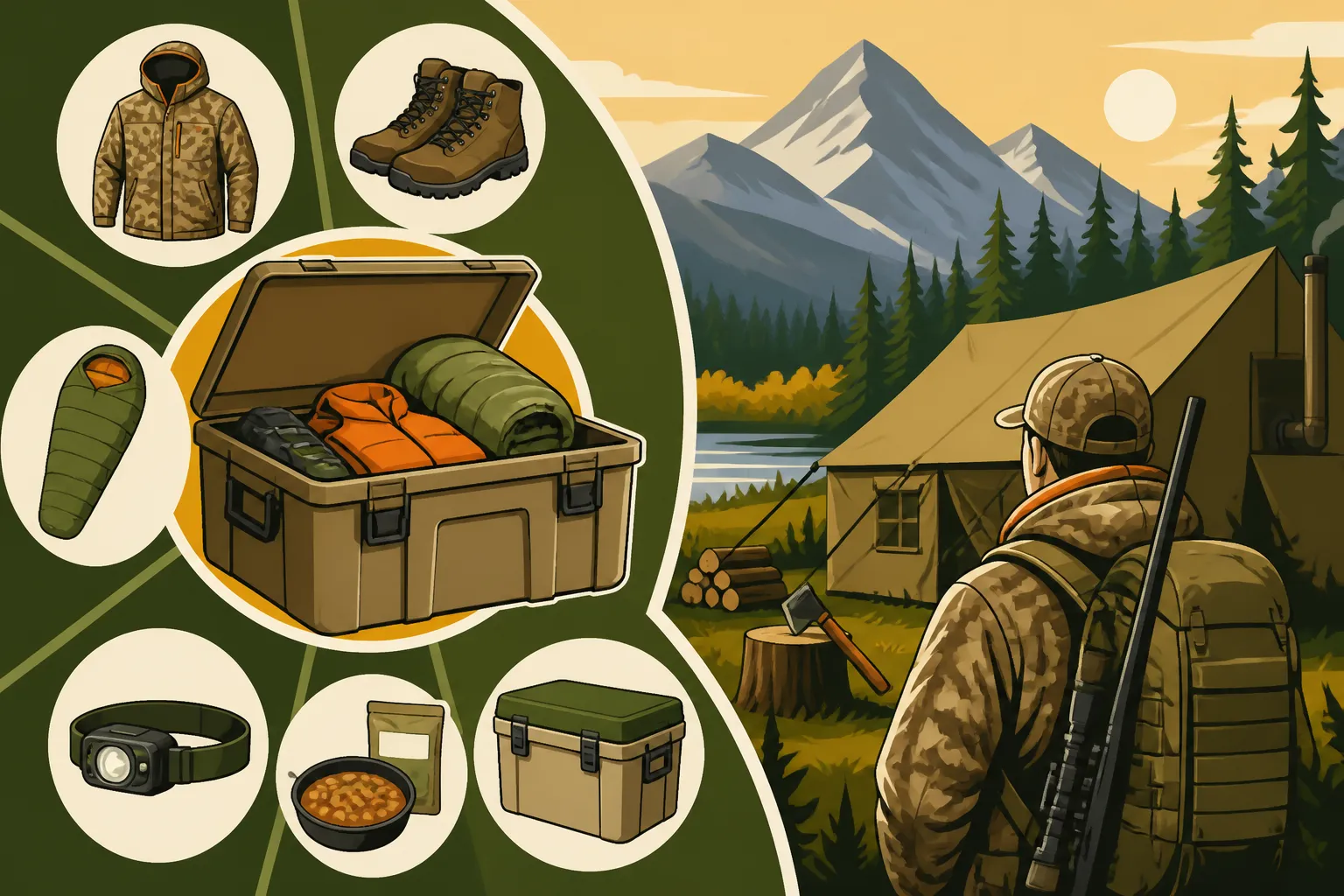
Then there are wall tent camps, which are a classic hunting experience, especially popular for hunts deeper in the bush or mountains. These are large canvas tents, often heated with wood stoves, providing a communal space for dining and relaxation, and separate sleeping tents. They offer a great balance of comfort and immersion in the wilderness. For those really chasing the ultimate backcountry challenge, a spike camp is a minimalist setup, perhaps a small tent or even just a bivvy, moved frequently to stay close to the game, essential for Backpacking Into Alberta Sheep Country or chasing elk far from roads. These truly strip down to the necessities, focusing solely on the hunt. When you’re looking at different packages, often on sites like BookYourHunt, they will clearly define the type of camp you’ll be staying in.
Sleeping Gear and Personal Space
Regardless of the camp type, outfitters understand that a good night's sleep is crucial for a successful hunt. In a lodge, you’ll typically have a standard bed, complete with linens, pillows, and blankets, much like a hotel room, sometimes with an ensuite or shared bathroom. It’s a real luxury after tough days in the field.
For wall tent camps, the setup is usually cots with thick foam pads. You’ll generally need to bring your own sleeping bag rated for the expected temperatures, as well as a pillow. The wall tents are typically large enough to provide a decent amount of personal space, even if you’re sharing a tent with a hunting partner. Heating is almost always provided via a wood stove, which keeps the tent surprisingly toasty, especially in those late-season hunts when you're Hunting Whitetails at Thirty Below. Spike camps, by contrast, will expect you to bring everything for your personal sleep system – often a sleeping bag, pad, and lightweight tent, as the outfitter’s provision here is limited to essential camp gear and guidance. Always confirm what bedding is provided versus what you need to bring yourself to avoid any uncomfortable surprises.
Keeping You Fueled: Food, Water, and Camp Chores
Hunting is physically demanding, and proper nutrition is non-negotiable. An outfitter's camp isn't just a place to sleep; it's also where you'll be nourished, hydrated, and often expected to contribute to the smooth running of things, especially in more rustic setups.
Meals and Dining Experience
The dining experience on a guided hunt can vary widely depending on the type of camp. In a lodge setting, you can often expect hearty, home-cooked meals prepared by a dedicated camp cook. This might include a full breakfast before heading out, a packed lunch or hot lunch brought to you in the field, and a delicious dinner waiting for you upon your return. Think roast beef, potatoes, fresh vegetables, and maybe even a dessert. Dietary restrictions are usually accommodated if you let the outfitter know well in advance. These meals are designed to fuel you for long days, whether you're chasing Mule Deer Hunting Alberta's Prairie and Badlands or Elk Hunting Alberta's Foothills.
Wall tent camps also typically feature a camp cook who prepares wholesome, filling meals. While the menu might be a bit simpler than a lodge, it’s always designed to be substantial and satisfying. Breakfasts often include eggs, bacon, pancakes, and coffee. Lunches are usually sandwiches, snacks, and drinks packed for the field. Dinners are communal affairs, sharing stories around a large table, with dishes like chili, stew, or grilled meat. Even in remote locations, outfitters pride themselves on feeding their hunters well. Spike camps, on the other hand, often involve more basic, self-prepared meals, typically freeze-dried or simple cook-in-bag options that the guide might supplement with some fresh items. You’ll be doing a lot more of your own cooking or eating simple rations here.
Hydration and Amenities
Access to clean, potable water is a given on any reputable guided hunt. In lodge camps, this means tap water, showers, and flush toilets are usually available. It’s just like being at home, often a much-appreciated luxury after a physically taxing day.
For wall tent camps, fresh drinking water is always supplied, usually from large water jugs or a filtered source. Washing facilities might be more basic, perhaps a wash basin and hot water for a sponge bath, and outhouses for toilet facilities. While it’s not a full bathroom, it’s certainly manageable and part of the authentic camp experience. In spike camps, water purification might be part of the daily routine, with guides carrying filters or purification tablets, or sourcing water from natural springs. Amenities beyond drinking water are often non-existent in these truly remote setups. It's a good idea to confirm the specifics of water and washing facilities when you're researching potential outfits, perhaps by reading detailed descriptions on platforms like GoHunt.
Hunter Involvement in Camp
While the outfitter and their staff are there to ensure a smooth hunt, there are often expectations for hunter involvement, particularly in more rustic camps. In lodge settings, your involvement is usually minimal beyond keeping your personal space tidy. The staff handles all the cooking, cleaning, and general camp maintenance.
In a wall tent camp, however, a little teamwork goes a long way. You might be asked to help keep the fire stoked in the wood stove, fetch firewood, or even assist with dishwashing after meals. It's all part of the shared experience and camaraderie that makes these camps special. These aren't demanding chores, but rather a way to contribute to the collective comfort and efficiency of the camp. In spike camps, hunter involvement increases significantly; you’ll likely be responsible for setting up and taking down your own sleeping area, helping with camp organization, and contributing to basic camp tasks, as the emphasis is on mobility and minimalism. Knowing these expectations upfront helps set the right tone for the hunt and ensures a respectful and cooperative atmosphere.
Getting Around and Staying Equipped: Transportation and Essential Gear
Beyond just providing a place to sleep and eat, outfitters are responsible for getting you into the hunting grounds and ensuring you have the necessary tools for a successful and safe hunt.
In-Field Transportation
How you get to and from your hunting spots each day is a critical component of any guided hunt. The type of transportation provided is heavily dictated by the terrain, the species you're pursuing, and the outfitter's strategy. In many prairie or parkland WMUs, especially for Whitetail Hunting in Alberta or Mule Deer Hunting Alberta's Prairie and Badlands, you’ll likely find trucks or side-by-sides are the primary mode of transport. These vehicles allow for covering significant ground, accessing different hunting areas, and transporting harvested game relatively easily.
For hunts in more rugged or forested areas, like Moose Hunting Alberta's Boreal Forest or Black Bear Hunting in Alberta, ATVs (quads) are incredibly common. They can navigate rough trails, cutlines, and muskeg with greater agility than a truck, allowing access to areas that would otherwise be foot-access only. For true backcountry hunts, especially for mountain species, horses are indispensable. Outfitters specializing in Bighorn Sheep in Alberta's Mountains or Elk in Alberta's Mountains and Farmland will often rely on horses to pack in gear, establish spike camps, and bring out game from remote regions. Always discuss the expected modes of transport with your outfitter so you can be mentally and physically prepared. If you're concerned about Quad and Side-by-Side Rules on Crown Land, your outfitter will have the necessary knowledge and permits.
Camp Gear and Shared Equipment
Outfitters typically supply a range of essential camp gear and shared equipment to ensure a functional and safe environment. This often includes things like cooking equipment, dining tables, chairs, and lanterns for communal areas. For safety and communication, many outfitters provide satellite phones or inReach devices for guides, especially in areas with no cell service. Basic first-aid kits are also standard.
When it comes to hunting, while you’re expected to bring your personal rifle or bow and related accessories, the outfitter often provides certain shared tools that enhance the hunt. This might include high-quality spotting scopes, binoculars, two-way radios for communication between guide and hunter, and field dressing tools. For specific types of hunting, like Rattling and Calling Whitetails in Farm Country or Bugling Elk in Alberta's Foothills, the guide will, of course, provide and expertly use calls. You should confirm with your outfitter exactly what personal gear you’re expected to bring versus what will be supplied, ensuring you don't double up on bulky items or forget something crucial.
| Feature | Lodge-Based Camp | Wall Tent Camp | Spike Camp |
|---|---|---|---|
| Accommodation | Private/semi-private rooms, actual beds | Large canvas tents, cots, wood stoves | Lightweight tents, bivvies |
| Sleeping | Linens, pillows, blankets provided | Bring own sleeping bag & pillow | Bring entire sleep system (bag, pad, tent) |
| Food | Home-cooked meals, cook, varied menu | Hearty camp meals, cook, simple but filling | Mostly self-prepared, freeze-dried, minimal fresh |
| Water & Amenities | Running water, flush toilets, showers | Drinking water provided, basic wash basins, outhouses | Purified water from natural sources, very basic |
| Transportation | Trucks, side-by-sides, sometimes ATVs | ATVs, trucks, horses | Foot travel, horses, very minimal vehicle access |
| Hunter Involvement | Minimal, focus on personal space | Help with fire, dishes, general camp tidiness | Significant, setting up camp, daily tasks |
| Communication | Cell service often available, satellite devices | Satellite devices for emergencies | Satellite devices for emergencies, no cell service |
| Game Care | Dedicated facility/area, cold storage | Field dressing tools, cooler space | Field dressing in situ, basic preservation |
The Little Extras: What Differentiates a Great Outfitter
While the essentials cover shelter, food, and getting around, the mark of an excellent outfitter often lies in the additional services and considerations they provide to make your hunt not just successful, but truly memorable and stress-free.
Game Care and Processing Facilities
Successfully harvesting an animal is just the beginning of the post-hunt process, and how an outfitter handles game care is a crucial aspect of their service. A good outfitter will have a clear plan and the necessary facilities for field dressing, caping, and preserving your animal's meat and trophy. In a lodge or main camp, this often means a designated processing area, complete with skinning poles, clean surfaces, and even walk-in coolers or freezers for proper meat storage. This is particularly important when you’re dealing with a large animal like a moose or elk, or if you're hunting in warmer early-season conditions. You’ll want to ensure your trophy is handled with care for your taxidermist, and your Meat Care in Alberta's Cold and Warm Swings is a top priority.
Even in more rustic wall tent camps, guides are expert at field dressing and caping. They'll have the knives, saws, and knowledge to efficiently break down the animal. They might use game bags and coolers with ice, or rely on the natural cold if hunting late in the season, to keep the meat cool until it can be transported to a more permanent facility. Some outfitters will even arrange for local meat processing or taxidermy services after your hunt, though these are typically an additional cost. Always clarify what game care services are included and what costs might be extra. This is a topic often covered in the detailed descriptions you find when researching outfitters, for example on Booking an Alberta Whitetail Hunt.
Communication and Safety
Safety should always be paramount on any hunting trip, and a reputable outfitter will have robust plans and communication tools in place. In Alberta's vast wilderness, cell service can be spotty or non-existent, especially in areas where outfitters operate. Therefore, guides typically carry satellite phones, two-way radios, or satellite messaging devices like Garmin InReach or Zoleo. These devices ensure that communication is possible in an emergency, whether it's for medical reasons or simply to coordinate logistics within the hunting party. Emergency Plans in Alberta's Backcountry are a standard part of any professional operation.
Before your hunt begins, your outfitter should brief you on their safety protocols, including what to do in case of separation from the group, how to signal for help, and any wildlife safety precautions, particularly in bear country. They'll also ensure that guides are certified in first aid and have well-stocked kits. Knowing that these measures are in place can provide immense peace of mind, allowing you to focus on the hunt itself rather than worrying about unforeseen circumstances. When you're talking with an outfitter, don’t hesitate to ask about their emergency procedures; it’s a sign of a professional operation.
What You Still Need to Bring
Even with an outfitter providing so much, there are always personal items and specialized gear that you, as the hunter, are responsible for bringing. This includes your personal hunting weapon (rifle, bow, or crossbow) and ammunition, along with your hunting licence and any tags. While some camps provide a cot, you'll almost always need a quality sleeping bag and pillow, especially for non-lodge hunts. Your personal clothing system – including layers, rain gear, and appropriate footwear – is entirely your responsibility and critical for comfort and safety in Alberta’s often unpredictable weather. Referencing articles like What to Bring to a Hunting Camp can be extremely helpful.
Other essential personal items include toiletries, medications, a headlamp with extra batteries, a small daypack, binoculars (even if the guide has a spotting scope, your own binoculars are invaluable), and any personal snacks or drinks you might prefer. Don't forget a camera to capture memories! Always request a detailed packing list from your outfitter well in advance of your trip. They know their specific area and conditions best, and their list will be tailored to ensure you're prepared for whatever Alberta throws your way. Remember, while outfitters provide the framework for an incredible hunt, your personal preparation is key to making it a truly successful and comfortable adventure.
Disclaimer
This article is for general informational purposes only and does not constitute professional advice. Laws, prices and regulations vary by location and change over time. Consult a qualified professional for guidance on your specific situation.