What an Alberta Guided Whitetail Hunt Includes
Embarking on an Alberta guided whitetail hunt is a significant investment, and it's completely understandable to feel overwhelmed by the sheer number of options and wonder what exactly your hard-earned money will cover. Many hunters grapple with deciphering package details, unsure if a "fully guided" experience truly means everything is handled. This guide is here to shed light on the typical inclusions and common exclusions, giving you a clear picture of what to expect when booking your dream whitetail hunt in Alberta.
The Core Hunting Experience: What's Always There
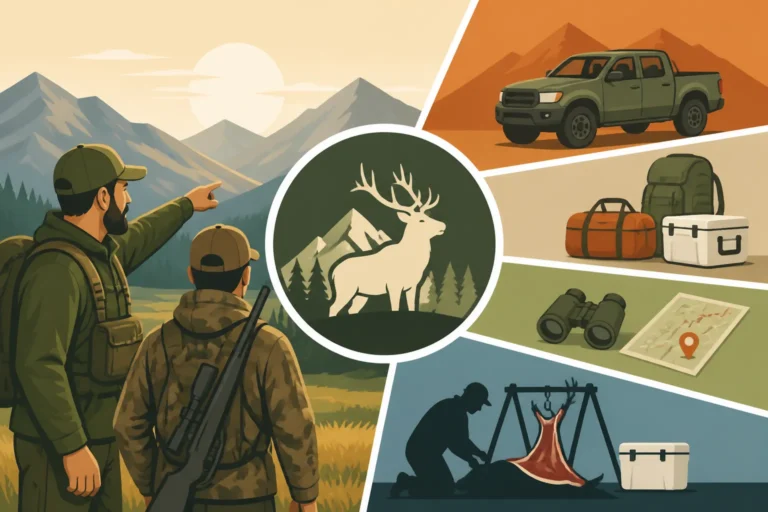
When you sign up for a guided whitetail hunt in Alberta, the fundamental promise is that you'll have a dedicated professional to put you on game and ensure a legitimate hunting experience. This isn't just about showing up with a rifle; it's about leveraging expertise, access, and logistical support that would be nearly impossible to replicate on your own, especially as an out-of-province or non-resident hunter.
Professional Guide Service
At the heart of any guided hunt is the guide themselves. These individuals are often lifelong hunters with an intimate knowledge of the local terrain, whitetail habits, and the specific Wildlife Management Unit (WMU) you'll be hunting. Their role extends far beyond just pointing you in the right direction. A good guide will have spent countless hours Scouting an Alberta WMU Before Season, monitoring trail cameras, and tracking patterns to understand where the deer are moving and bedding.
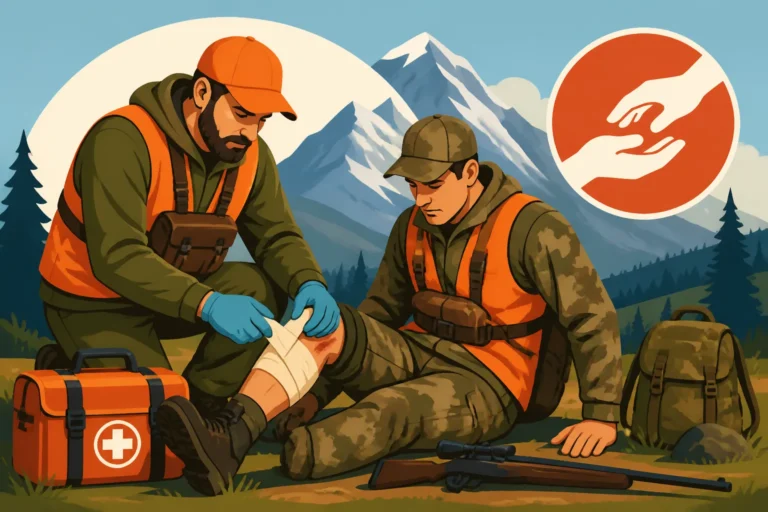
They're your eyes and ears, interpreting fresh tracks, rub lines, and scrapes, and making critical decisions about stand placement or stalking routes based on real-time conditions. This level of dedication can be the difference between a successful hunt and a frustrating week. They're also there for safety, ensuring proper firearm handling, field first aid, and navigating potentially challenging terrain. For many, the chance to learn from such an experienced individual is as valuable as the hunt itself.
Land Access and Scouting
One of the biggest hurdles for any hunter, particularly those new to an area, is securing quality hunting ground. A guided hunt effectively removes this barrier. Outfitters typically have established relationships with landowners, securing exclusive access to prime private land where big whitetails are known to thrive. This might include vast agricultural fields with aspen bluffs, river bottom thickets, or expansive ranch lands. Without this pre-arranged access, hunters could spend days knocking on doors or navigating complex public land regulations.
Beyond private land, outfitters may also utilize public Crown Land, often in more remote areas. They know the ins and outs of these areas, including where vehicle restrictions apply and where the best Hunting a Cutline Intersection for Whitetails or Hunting a Willow Run in Farm Country are located. Their scouting efforts mean you're not walking into unknown territory; instead, you're placed in areas that have been identified as high-probability zones, maximizing your chances of encountering a mature buck.
Transportation in the Field
Getting around the hunting area is a crucial element, especially in Alberta where WMUs can cover thousands of square miles. Most guided whitetail hunts include transportation from the lodge or camp to the various hunting sites. This can range from comfortable trucks or SUVs on well-maintained roads to ATVs, UTVs, or even snowmobiles if you're Hunting Whitetails at Thirty Below in late season. The type of transportation will depend heavily on the terrain and the time of year.
For example, hunting the agricultural fringe might involve short drives to strategically placed ground blinds or tree stands, while a hunt deeper in the boreal forest could mean longer journeys down old logging roads or cutlines. The outfitter is responsible for maintaining these vehicles and navigating the specific access rules for each area, saving you the headache and expense of bringing your own specialized transport.
Camp Life and Logistics: Beyond the Kill
A guided hunt isn't just about the moments spent with a weapon in hand; it's a complete experience that includes where you sleep, what you eat, and how your harvest is handled in the immediate aftermath. These logistical elements contribute significantly to your comfort and the overall enjoyment of the trip.
Accommodation Options
The type of lodging included in your package can vary widely, ranging from rustic to luxurious, and will often be a major factor in the hunt's price. Many Alberta outfitters offer comfortable lodges, which might be a renovated farmhouse or a purpose-built facility with private or semi-private rooms, hot showers, and communal areas for dining and relaxing. These provide a welcome respite after a long day in the field, allowing you to recharge fully.
On the other end of the spectrum, some hunts, particularly those aiming for a more immersive or remote experience, might include wall tents or spike camps. These are typically set up closer to the hunting grounds, reducing travel time, but offer fewer amenities. Wall Tent Camps in Alberta's Backcountry can be incredibly cozy with wood stoves, but they're definitely a more rugged option. When researching outfitters, platforms like BookYourHunt often detail the specific accommodation types offered, which can help align expectations with your personal comfort level.
Meals and Refreshments
Fueling your body for those long hours in the stand or tracking through the snow is paramount, and a good guided hunt will include hearty, wholesome meals. Expect breakfast before dawn, often a packed lunch to take into the field, and a full dinner back at camp. The quality and style of food can vary – from home-cooked, country-style fare to more elaborate meals prepared by a camp cook.
Many outfitters pride themselves on the culinary experience they provide, understanding that good food is a key part of the overall adventure. Beverages, typically non-alcoholic, are also usually included, though specific preferences or alcoholic drinks might be an extra cost or something you bring yourself. It's always a good idea to inform the outfitter of any dietary restrictions or allergies well in advance.
Field Care of Game
Once you've successfully harvested an Alberta whitetail, the guide's job is far from over. Proper field care is critical to preserving the meat and the trophy. Your guide will assist with field dressing the animal, which involves quickly removing the internal organs to cool the carcass. This is especially important in Alberta's variable fall temperatures where swings can happen. They'll also help with packing the animal out of the field, whether it's through dragging, using a game cart, or loading it onto a vehicle.
Additionally, the guide will ensure the proper tagging and cancellation of your licence, as per Alberta regulations. They often have dedicated facilities back at camp for hanging and skinning the animal, preparing it for transport to a butcher or taxidermist. This crucial step ensures that your hard-earned harvest is handled correctly, preventing spoilage and damage to the hide or antlers. Proper Meat Care in Alberta's Cold and Warm Swings is a major part of the post-harvest process.
Essential Exclusions: What You'll Often Pay Extra For
While guided hunts aim to be comprehensive, there are always costs that typically fall outside the package price. Understanding these common exclusions beforehand will prevent any surprises and allow you to budget accurately for your entire trip.
Licences, Tags, and Fees
This is perhaps the most significant additional cost that every hunter must factor in. The hunt package itself covers the outfitter's services, but it does not include the provincial hunting licences and species-specific tags. As a non-resident of Alberta, you'll need an Alberta Hunting Licences and What They Cost, a Wildlife Certificate, and specific tags for whitetail deer. These must be purchased separately through the AlbertaRELM system or an authorized vendor.
Additionally, there's the federal Migratory Game Bird Permit if you plan on combining your whitetail hunt with some waterfowl opportunities, and often a Canadian Wildlife Habitat Conservation Stamp. While your outfitter can certainly guide you through the process, the responsibility and cost of acquiring these permits rests solely with you. It's a fundamental part of lawful hunting in Alberta, and these fees are paid directly to the government, not the outfitter.
Travel to Camp
Getting yourself to the outfitter's designated meeting point or lodge is almost universally your responsibility. This includes flights, personal vehicle expenses, or any other mode of transportation. If you're flying into one of Alberta's major airports, like Calgary or Edmonton, you'll need to arrange for a rental car or shuttle service to get to the camp, which could be several hours' drive away. Some outfitters might offer airport pickup services for an additional fee, but this is rare and not a standard inclusion.
It's also crucial to consider the logistics of Bringing a Rifle Across the Border if you're coming from the United States, which involves specific paperwork and declaration processes at customs. Factor in these travel days and associated costs, including overnight lodging before and after your hunt, into your overall budget.
Gratuities for Staff
Tipping is a customary practice in the guiding industry and is a significant part of a guide and camp staff's income. It's a way to show appreciation for their hard work, dedication, and the service they provide. While not mandatory, it's highly expected, and most outfitters will openly discuss recommended gratuity percentages or amounts. Typically, this can range from 10-20% of the hunt's cost for the guide, often split with the camp cook and other support staff.
It's important to budget for this and bring cash, as it's the most common and appreciated form of tipping. Your guide works incredibly hard, often putting in longer hours than you'll ever see, making sure everything runs smoothly, from scouting to tracking to keeping you comfortable. Thinking about Tipping an Alberta Guide ahead of time is just good etiquette.
Trophy and Meat Handling: Getting Your Harvest Home
The moments after a successful harvest are exciting, but they also usher in a new set of responsibilities related to processing your game and preparing any trophies. While your guide handles the initial field care, getting everything ready for transport home involves additional steps and potential costs.
Initial Game Processing
After your whitetail is field dressed and brought back to camp, your guide or camp staff will typically handle the initial skinning and quartering. This prepares the meat for either transport to a butcher or for temporary storage. Some outfitters have their own walk-in coolers or facilities to hang the meat, especially during warmer early seasons. However, the cost of professional butchering and packaging is almost always separate.
Many hunters prefer to take their deer to a local butcher shop, which the outfitter can recommend, to have the meat cut, wrapped, and frozen to their specifications. This service usually comes with its own fees, determined by the size of the animal and the specific cuts requested. Discussing these arrangements with your outfitter early on will help you plan for this important step and understand the options for Getting Meat Processed After the Hunt.
Taxidermy and Shipping Logistics
If you're fortunate enough to harvest a trophy whitetail, preparing it for taxidermy and shipping it home is another distinct service. Your guide will properly cape the animal, ensuring the hide is prepared correctly for a taxidermist, and will often assist with cleaning and rough preparation of the skull for a European mount or full shoulder mount. The actual cost of taxidermy, however, is not included in the hunt package.
Outfitters often have relationships with local taxidermists and can arrange for your trophy to be dropped off directly from camp. From there, you'll coordinate with the taxidermist regarding the work, timelines, and payment. Shipping antlers, capes, or finished mounts across borders also involves specific regulations and additional freight costs. This can be complex, and securing the right permits for Taking Meat and Antlers Home Across the Border is crucial to avoid delays.
CWD Testing and Regulations
Chronic Wasting Disease (CWD) is a serious concern in Alberta's deer population, and regulations often require hunters to submit heads for testing, especially in certain WMUs. While your outfitter will be well-versed in the current CWD regulations and mandatory submission zones, the actual cost of any required testing is usually an additional expense. They will guide you on how and where to submit the head, often having drop-off points or freezers available at camp or nearby.
Understanding Alberta's Mandatory CWD Submission WMUs and the process for getting your animal tested is a crucial part of hunting responsibly in Alberta. If you plan to consume the meat, getting test results back before processing is highly recommended. Information from resources like GoHunt can often provide current CWD zone maps, helping you understand the specific requirements for your hunting area.
Factors Influencing Your Hunt Package
Not all guided whitetail hunts are created equal, and several key factors can significantly influence what's included and the overall cost. These variables allow outfitters to tailor experiences to different budgets and hunter expectations.
Hunt Duration and Intensity
The length of your hunt is a primary driver of cost and inclusion. Most standard guided whitetail packages range from 5 to 7 days of actual hunting, not including travel days. Shorter hunts might be less expensive but offer fewer opportunities, while longer hunts provide more time to adapt to conditions, move locations, and wait for that perfect buck.
The intensity of the hunt also plays a role. A hunt primarily focused on comfortable stand hunting near food sources will differ logistically from a physically demanding spot-and-stalk hunt in broken coulee country. The latter might require more specialized equipment, more strenuous guiding efforts, and potentially different camp arrangements, all of which can affect the package's offerings and price. Consider your own physical capabilities and preferences when looking at what's offered.
Trophy Expectations vs. Opportunity
Some outfitters specialize in truly massive, record-book whitetails, operating in specific regions known for producing giants. These hunts often come with a premium price tag due to the extensive scouting, limited tags, and the sheer challenge of consistently finding and harvesting such animals. The package might include higher-end accommodations and more intensive guiding. Conversely, other outfitters focus on providing a high-opportunity hunt for a good, mature deer, without necessarily chasing world-class antlers.
It's vital to have an honest conversation with your potential outfitter about their realistic success rates and what "trophy" means to them and to you. Understand the Success Rates on Alberta Whitetail Hunts and what those numbers actually represent. Some packages might be "trophy fees" based, meaning you pay an additional sum if you harvest an animal above a certain size, encouraging selective harvesting.
Regional Differences in Alberta WMUs
Alberta is a vast province with diverse landscapes, and where you choose to hunt will profoundly impact the type of experience and what's included.
The "Parkland" WMUs, characterized by a mix of agricultural fields and aspen bluffs, often feature comfortable lodge accommodations and tree stand or ground blind hunting. Access is generally easier, and logistics more straightforward. You might find outfitters focused on Hunting the Rut in Early November in these areas.
In contrast, hunting the more rugged "Foothills" or "Boreal Forest" WMUs for whitetails might involve more remote spike camps, extensive use of ATVs, or even horseback travel to access deeper timber. The terrain is more challenging, and the hunt might be more physically demanding, with different transportation and accommodation needs reflected in the package. Each region has its unique advantages and challenges, and outfitters specialize in adapting their services to these local conditions.
| Feature | Typically Included in a Guided Whitetail Hunt | Typically Not Included (Extra Cost) |
|---|---|---|
| Guide Service | Professional 1:1 or 2:1 guiding | Personal gear, specialized optics rental |
| Land Access | Pre-arranged private and/or Crown land access | Scouting trips before the booked hunt |
| In-Field Transport | Vehicle transport from camp to hunting areas | Travel to and from Alberta, airport transfers |
| Accommodation | Lodge, cabin, or wall tent lodging | Hotels/lodging before/after the hunt |
| Meals | Breakfast, lunch, dinner during hunt days | Alcoholic beverages, snacks beyond meals |
| Initial Game Care | Field dressing, skinning, quartering | Professional butchering, meat processing |
| Trophy Prep | Caping, basic skull cleaning | Taxidermy services, mounting |
| Licences & Tags | All provincial hunting licences, tags | |
| Fees | Wildlife Certificate, Federal permits, CWD testing | |
| Gratuities | Tips for guide(s), cook, camp staff | |
| Personal Gear | Hunting clothing, firearms, ammunition | |
| Shipping Costs | Shipping of meat, trophies, personal items | |
| Hunt Insurance | Travel insurance, hunt cancellation insurance |
This table provides a general overview, and it's always best practice to get a detailed written agreement from your chosen outfitter to confirm all inclusions and exclusions. When you're looking for an outfitter, make sure they clearly lay out their terms, perhaps using resources like Choosing the Right Alberta Outfitter to ask all the pertinent questions.
Disclaimer
This article is for general informational purposes only and does not constitute professional advice. Laws, prices and regulations vary by location and change over time. Consult a qualified professional for guidance on your specific situation.