Success Rates on Alberta Whitetail Hunts
One of the most common questions I hear from hunters looking to book an Alberta whitetail hunt, especially if they're coming from out of province or even out of country, is "What's the success rate?" It’s a natural thing to ask, you're investing time and hard-earned money, and you want to know what your chances are. But here's the kicker: that number, on its own, often doesn't tell the whole story, and sometimes, it can be downright misleading. This guide will help you understand what "success rate" truly means in the context of an Alberta whitetail hunt, what factors truly influence it, and how to set realistic expectations for your own adventure.
Understanding "Success Rate" in Hunting
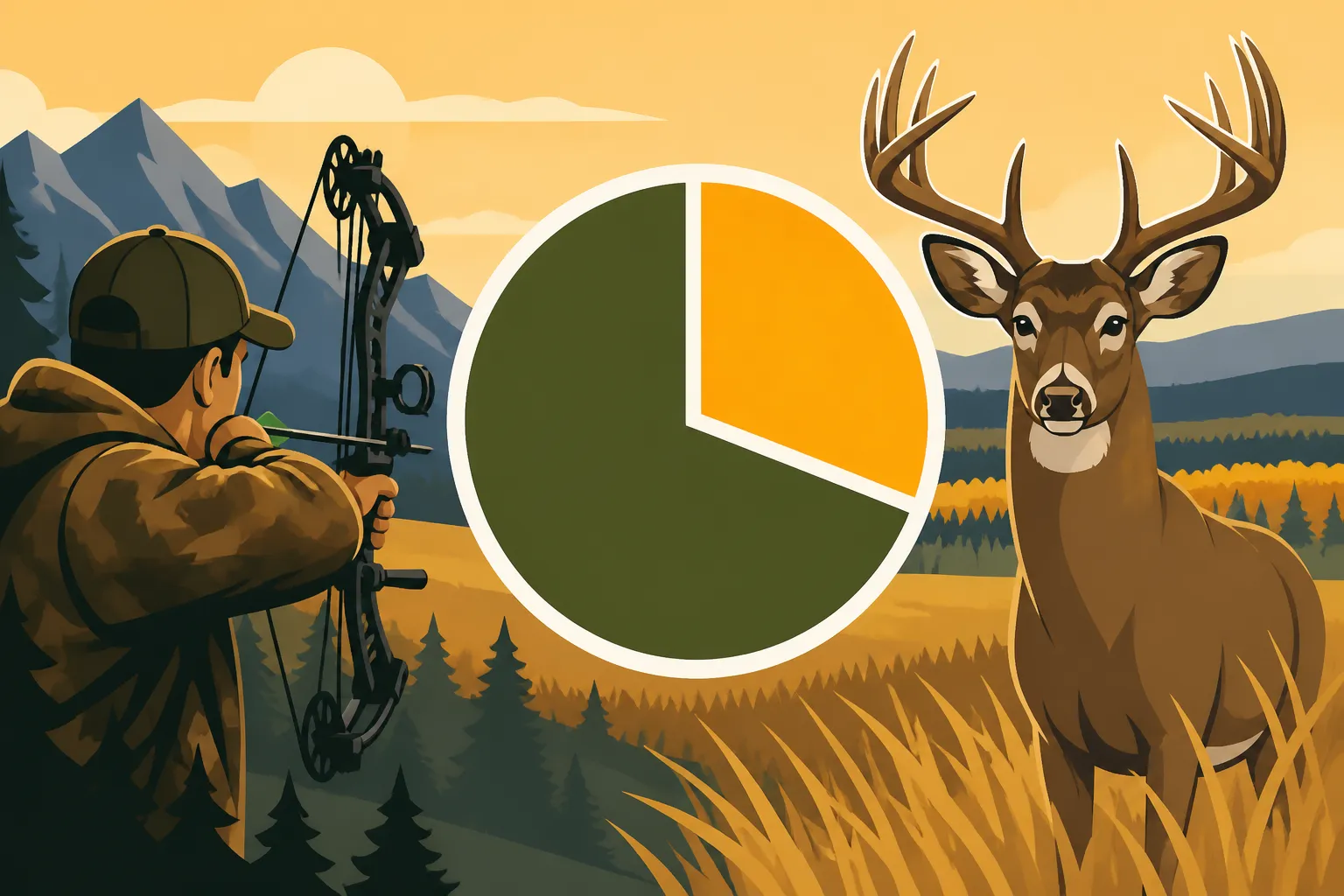
When an outfitter proudly advertises a 90% success rate, what exactly are they counting? Is it 90% of hunters harvested an animal? Or 90% had a shot opportunity? Or 90% saw deer? These distinctions are incredibly important, and unfortunately, there's no universal standard for how these numbers are reported, which can lead to a lot of confusion and even disappointment if you're not careful.
It's easy to get caught up in the numbers, imagining everyone in camp loading a big buck into the truck. But hunting, especially for an animal as elusive and intelligent as an Alberta whitetail, is never a sure thing. The definition of "success" varies wildly from one outfitter to another, and even from one hunter to another. You might be aiming for a specific class of deer, while another hunter is perfectly happy with any legal animal for the freezer. These differing goals will naturally impact how any "success rate" is perceived.
The Different Faces of "Success"
Let's break down what various outfitters might mean when they talk about "success rates" because it's rarely as simple as a yes/no on harvesting an animal. If you're looking into booking a hunt through platforms like BookYourHunt or directly with an outfitter, this is one of the first things you need to clarify.
First, and most commonly, is the Harvest Success Rate. This is what most hunters initially think of: the percentage of clients who actually harvested a legal whitetail. This is the gold standard for many, as it directly reflects filling a tag. However, even within this, there can be nuances. Does it count spike bucks? Does it count does in antlerless seasons? Is there a minimum antler size? An outfitter might boast a high harvest rate, but if their definition includes any deer, it might not align with your goal of a mature buck.
Then there's the Opportunity Success Rate. This refers to the percentage of hunters who had a legitimate shot opportunity at a legal animal, regardless of whether they harvested it. This is a very common metric, and for good reason. A skilled outfitter can put you on deer, but they can't make you hit the target. If you had a 20-yard broadside shot at a decent buck and missed, the outfitter still delivered an opportunity. Many hunters, myself included, value the opportunity just as much as, or sometimes even more than, the harvest itself, especially if it was a challenging stalk or a hard-earned encounter. This metric speaks more to the quality of the guiding and the deer numbers in the area.
Finally, we have the broader concept of Hunter Satisfaction or Experience Success Rate. This is less about numbers and more about the overall quality of the trip: good food, comfortable camp, knowledgeable guides, beautiful scenery, and memorable experiences, even if no animal was taken. Some hunters consider a successful hunt to be one where they learned a lot, saw plenty of wildlife, and enjoyed the camaraderie, regardless of whether they filled their tag. This is a more subjective measure, but it highlights that hunting is about far more than just pulling the trigger. When you ask an outfitter about their success rate, always clarify which of these metrics they are using.
Why Reported Numbers Can Be Misleading
It's easy for an outfitter to present numbers in a way that looks good on paper, and it's up to you, the hunter, to dig deeper. Think about it: if an outfitter only takes five clients a year, and four of them shoot deer, that's an 80% success rate. If one of those four deer was a spike and the other three were yearlings, is that truly a "successful" hunt for someone looking for a Boone and Crockett contender? Probably not.
One common way numbers can be massaged is by focusing on opportunity rather than harvest. While opportunity is important, if you flew across the country for a trophy hunt and the "opportunity" was at a deer you weren't interested in, or worse, at a deer you missed, that number feels a lot different than if you'd connected. Sometimes, an outfitter might inflate numbers by including management hunts where clients are specifically targeting smaller deer, or by lumping in archery and rifle hunts together, even though archery hunts often have lower harvest rates due to their inherent difficulty.
Another factor is the outfitter's policy on trophy quality. Some operations might encourage hunters to shoot the first legal deer they see to maintain high harvest rates, even if it's not the quality of animal the hunter was hoping for. On the flip side, a high-quality outfitter specializing in true trophy animals might have a slightly lower harvest rate because they encourage patience and passing on younger bucks, leading to fewer but bigger deer taken. Always ask for references and speak to past clients to get an unbiased perspective on what their "success rate" truly translated to in terms of actual hunt experience and animals harvested. This due diligence is crucial before you commit.
Key Factors Influencing Alberta Whitetail Success
Several elements play a massive role in whether your Alberta whitetail hunt is "successful," far beyond just what the outfitter tells you their general numbers are. These factors range from your personal readiness to the specific conditions of the hunt itself. Understanding them will help you better evaluate an outfitter's claims and prepare yourself for the field.
Alberta is known for its incredible whitetail hunting opportunities, from the deep timber of the boreal forest to the aspen parkland bluffs, and even the river bottoms of the prairie. Each area presents unique challenges and rewards. Whether you're hunting during Alberta's General Seasons or waiting for Alberta's November Whitetail Rut, your approach and expectations will need to adapt.
Hunter Skill and Preparation
Let's be honest with ourselves: a huge part of hunting success boils down to the hunter. You can have the best guide in the world, be sitting in a prime location, and still not seal the deal if you're not prepared. This isn't about shaming anyone; it's about being realistic and proactive.
Your shooting proficiency is paramount. Are you comfortable and accurate with your chosen weapon out to ethical hunting ranges? If you're shooting a rifle, have you practiced from field positions, not just off a bench? For bowhunters, are you practicing regularly, often in cold weather gear, mimicking the shots you might get from a treestand or ground blind? Many hunters spend months planning a trip but only an hour at the range. That's a recipe for disappointment. Make sure you can consistently hit a vital zone target before you ever step foot in the bush. This also includes knowing your weapon's capabilities and limitations in different conditions, something you'll want to review before going on a hunt that might involve Hunting Whitetails at Thirty Below.
Beyond shooting, physical fitness plays a much bigger role than many realize. Even if it's primarily a stand hunt, being able to walk in quietly, climb into a stand without breathing heavily, or even help track a wounded animal can make a difference. If you're on a spot-and-stalk hunt, or if you're Hunting Mule Deer in the Badlands Coulees or traversing tough terrain to access a remote stand, your fitness level directly impacts your ability to perform. Don't overlook this crucial aspect of preparation.
Finally, patience and mental fortitude are often the deciding factors. Whitetails are notoriously cagey. Sitting for hours in cold weather, resisting the urge to check your phone, staying alert, and making split-second decisions when a buck finally appears requires discipline. A guide can put you where the deer are, but your ability to remain still, calm, and make the shot is all on you.
Guide/Outfitter Quality and Experience
While your own skills are crucial, the guide or outfitter you choose significantly impacts your potential for success. A good outfitter doesn't just provide access; they provide expertise, local knowledge, and an optimized hunting experience. When you're looking at operations, whether through a service like GoHunt that focuses on research and planning or directly, consider these aspects.
A high-quality outfitter will have a deep understanding of the local deer movements, habits, and preferred bedding and feeding areas. They've spent countless hours Scouting an Alberta WMU Before Season and know the land inside and out. They understand how deer react to changes in weather, pressure, and food sources. This local knowledge is invaluable and can put you in front of more deer. Their experience also extends to tracking, field dressing, and ensuring proper meat care, especially important in Meat Care in Alberta's Cold and Warm Swings.
The effort and dedication of the guide are also paramount. Are they willing to put in long hours, adapt strategies based on conditions, and genuinely work to make your hunt a success? Some guides go above and beyond, constantly moving stands, checking trail cameras, or even rattling and calling throughout the day to draw in deer, especially effective when Rattling and Calling Whitetails in Farm Country. Others might simply drop you off and pick you up. Discussing their typical daily routine and strategies beforehand is key.
Hunter-to-guide ratio can also be a factor. A 1:1 ratio generally means more personalized attention and flexibility, while a 2:1 or higher ratio might mean less direct guiding time. While a higher ratio isn't necessarily bad, it's something to clarify, particularly if you're a less experienced hunter needing more hands-on assistance. Remember, an outfitter's allocation of tags is also a factor in their offerings, so understanding Alberta Outfitter Allocations Explained can help manage expectations about availability for specific species and areas.
Time of Year and Season Conditions
The timing of your hunt and the prevailing weather conditions are massive determinants of whitetail activity and, therefore, your success. Alberta's seasons offer different opportunities, and each comes with its own set of challenges and advantages.
The rut is often considered the prime time for trophy whitetails in Alberta. Usually peaking in early to mid-November, the Hunting the Rut in Early November period sees bucks actively cruising for does, often throwing caution to the wind. This increased movement can lead to more sightings and better opportunities for mature deer. However, it also means more hunters are out, and deer can become more pressured. Understanding When the Whitetail Rut Peaks in Farm Country can help you time your hunt for the best action.
Early season hunts, typically September or early October, can be great for patterns. Bucks are often still in summer patterns, hitting food sources consistently, which can make them predictable. However, they are also warier and less prone to daylight movement. Bowhunting during Alberta's Archery Season Opening Day offers a more intimate challenge, with bucks often still in velvet, making for distinct trophies.
Late season hunts, particularly after the rut and into December, can be tough but rewarding. Deer are focused on feeding, trying to recover from the rut and put on weight for winter. They can become very patterned to specific food sources. However, the weather can be brutal, with deep snow and extreme cold being common, demanding preparation for Hunting Alberta Winter Weather Safely. Deer might also be more concentrated in wintering areas, like where Alberta Whitetails Bed in Deep Snow, which can offer unique opportunities.
Weather patterns are unpredictable but massively impactful. A sudden cold snap, a major snowfall, or even extreme wind can change deer behavior overnight. While an outfitter can't control the weather, their ability to adapt to it by changing tactics, stand locations, or hunt areas is vital. Heavy snow can concentrate deer, while high winds can make them hold tight in cover, making them harder to find.
The WMU and Its Pressure
Alberta is broken down into numerous Wildlife Management Units (WMUs), each with its own unique characteristics, deer densities, and hunting pressure. The specific WMU you hunt in can significantly influence your chances of success. Understanding Alberta's Wildlife Management Units is fundamental to planning any hunt in the province.
Some WMUs are renowned for producing larger, older bucks due to better genetics, nutrition, or management practices. These are often the areas with less hunting pressure, often on private land where access is tightly controlled, or in more remote public land areas where physical effort is required. For example, some areas of the parkland and certain river valleys are known to grow heavy antlers and large-bodied deer. Looking at Where Alberta Grows the Biggest Whitetails might give you an idea of these zones.
Conversely, easily accessible WMUs, especially those close to major cities or with a lot of public land access, tend to experience higher hunting pressure. This pressure can make deer more nocturnal, wary, and difficult to hunt, even if numbers are good. Hunters may need to work harder, get further off the beaten path, or hunt smarter to find success in these areas. While general season hunts are more common, drawing a special license in a less pressured WMU can dramatically increase your chances for a quality animal.
It's also worth considering the land ownership within a WMU. Hunting Whitetails on Alberta Crown Land often means sharing the space with more hunters, requiring careful scouting and tactics like Hunting a Cutline Intersection for Whitetails or Hunting a Frozen Slough Crossing to find overlooked pockets of deer. On private land, however, outfitters often have exclusive access to properties that have limited pressure, leading to higher deer densities and more relaxed deer, often with consistent patterns on food sources like Hunting a Standing Canola Field Edge or Hunting a Swathed Grain Field at Dusk. This difference in access can play a huge role in the actual opportunities you encounter.
Setting Realistic Expectations for Your Hunt
Given all these variables, how do you manage your expectations for an Alberta whitetail hunt? It’s not about lowering your hopes, but rather about arming yourself with the right information and a clear understanding of what a truly "successful" hunt looks like for you. Don't let exaggerated claims or an ambiguous "success rate" lead you down the wrong path.
The goal is to have an incredible experience, learn, grow as a hunter, and hopefully, bring home some meat and memories. Sometimes, the most rewarding hunts are the ones where you worked the hardest, even if it took every day of your trip to punch that tag. Alberta offers phenomenal opportunities, but like any big game hunting, it demands respect for the animal and the environment.
Researching Outfitters and Their Claims
This is where your detective skills come into play. Don't just take an outfitter's website at face value. A good outfitter will be transparent and open to answering all your questions. This is also where resources like BookYourHunt can be valuable, as they often compile reviews and provide a platform for direct communication, helping you sort through options for Booking an Alberta Whitetail Hunt.
Here’s a simple table of questions to ask, based on common outfitter claims:
| Outfitter Claim / Question | What You Need to Ask for Clarity | Why It Matters |
|---|---|---|
| "High Success Rate" | Is that harvest rate or opportunity rate? What's the average antler score/age of harvested deer? | Distinguishes between killing any deer and killing a trophy deer. |
| "Guaranteed Opportunities" | What constitutes an "opportunity"? What range? What class of animal? | Ensures their definition matches your expectations. |
| "Prime Rut Dates" | What specific dates are best for your target species? What is the hunter-to-guide ratio during those dates? | Rut timing varies, and popular dates mean more competition. |
| "Exclusive Private Land" | How many acres? What kind of habitat? How many hunters per week on that land? | Large acreage with few hunters means less pressure and more undisturbed animals. |
| "Experienced Guides" | How many years has this specific guide worked the area? What are their typical tactics? | Experience is key, but you want to know about your actual guide. |
| "Comfortable Accommodations" | Can you send photos of the camp/lodge? Is it a lodge or a wall tent camp? | Sets expectations for amenities, especially important on a longer hunt. |
Beyond these questions, ask for references—and call them! Ask past clients about the guide's effort, the quality of the animals they saw, the camp experience, and whether the outfitter's claims matched the reality. Look for consistent feedback, good or bad. Don't be shy about asking tough questions; it's your money and your hunting dream on the line. Getting more specific details on What an Alberta Guided Whitetail Hunt Includes or What a Guide Fee Actually Covers will also shed light on the true value.
What to Prioritize: Trophy, Meat, or Experience?
Before you even start looking at outfitters, sit down and honestly decide what you want from this hunt. Your personal definition of success is the most important one. Are you chasing a massive antlered buck for the wall, or is the primary goal to fill the freezer with organic, wild game meat? Perhaps it's more about the overall adventure, getting away from it all, and spending time in nature, like a trip into Backpacking Into Alberta's Bighorn Country.
If your priority is a trophy animal, understand that "success rates" for genuine trophy-class whitetails will naturally be lower than for any legal deer. Hunting big, mature bucks requires patience, often passing on smaller animals, and sometimes going home empty-handed. Be realistic about what qualifies as a "trophy" for you, and communicate this clearly with any potential outfitter. A good outfitter specializing in trophy hunts will appreciate your honesty and manage your expectations accordingly. They'll know the difference between Judging a Mule Deer Buck at Distance and a mature whitetail buck.
If meat is your primary goal, your "success rate" will likely be much higher. Many outfitters offer hunts specifically for antlerless deer or for bucks of any size, increasing your chances of harvesting. This is often a more relaxed hunt, with less pressure to hold out for a specific rack. Just ensure the outfitter has good meat care facilities and understands the importance of quickly getting the animal cooled, which is crucial for Getting Meat Processed After the Hunt.
If the experience is paramount, then the success rate becomes almost secondary. You're looking for a quality guide, a comfortable camp, beautiful scenery, and memorable moments, regardless of the kill. You still want to see deer and have opportunities, but the pressure to harvest might be less. This approach often leads to the most enjoyable hunts, as you're free to appreciate all aspects of the outdoor adventure. When Choosing the Right Alberta Outfitter, their overall approach to client satisfaction should be a key consideration.
Maximizing Your Own Odds
No matter how good the outfitter, or how high their reported success rate, you can always take steps to maximize your own odds of having a "successful" hunt, however you define it. This proactive approach ensures you're not leaving anything to chance.
Physical and Shooting Preparation: As mentioned earlier, don't skimp on this. Be in decent shape, and practice shooting until it's second nature. Understand your ethical range and stick to it. If you're using a new rifle or bow, practice extensively with it before the hunt. Simulate cold weather shooting if your hunt is in late fall or winter. Consider a course in Alberta Hunter Education and Conservation Course if you need a refresher on ethics and safe handling.
Gear and Clothing: Alberta weather can be wildly unpredictable, especially during peak hunting seasons. Invest in good quality, layered clothing suitable for extreme cold, wet conditions, and long hours in the field. Warm boots, gloves, and headwear are non-negotiable. Don't forget essentials like a reliable headlamp, good optics (binoculars and a spotting scope if applicable), and a comfortable backpack. Your gear shouldn't be a distraction; it should enable you to hunt effectively. Read up on What to Wear on a Late Season Hunt if you're heading out when the mercury drops.
Communication with Your Guide: This is perhaps the most critical step. Be crystal clear with your guide about your expectations and priorities before and during the hunt. If you're holding out for a mature buck, tell them. If you're happy with any legal deer, let them know. Give feedback daily on what you're seeing, what you're comfortable with, and any concerns you have. A good guide thrives on open communication and can adjust tactics to better suit your goals. Don't be afraid to ask questions, even if you think they're silly. Their job is to help you succeed.
Patience and Persistence: Hunting, particularly for big whitetails, is often a game of patience. There will be slow days, cold days, and frustrating moments. Don't get discouraged. Stick with the plan, trust your guide, and stay positive. Sometimes, the trophy of a lifetime steps out in the last minutes of the last day. The more persistent you are, the better your chances. Being able to read subtle signs, like those you might find while Reading Whitetail Sign in Alberta Aspen Bluffs, can keep your spirits up and help the guide fine-tune the strategy.
| Factor | Hunter's Role | Outfitter's Role | Impact on Success |
|---|---|---|---|
| Physical Fitness | Train regularly; prepare for terrain. | Assess hunter's capability; offer suitable hunt areas. | Enables effective stalking, tracking, sustained effort. |
| Shooting Proficiency | Practice consistently; know your limits. | Provide shooting lanes, confirm shot distances. | Directly affects ability to capitalize on opportunities. |
| Gear & Clothing | Invest in appropriate layers; check forecasts. | Advise on essential gear; ensure comfort in camp. | Keeps hunter comfortable, focused, and safe. |
| Communication | Clearly state goals; provide daily feedback. | Listen to client; adjust tactics as needed. | Ensures alignment of expectations and strategy. |
| Patience & Persistence | Stay alert, positive, and committed daily. | Encourage, adapt, and scout continuously. | Increases chances for opportunities over time. |
| Defining Success | Decide if trophy, meat, or experience is paramount. | Understand client's definition; manage expectations. | Ensures satisfaction regardless of harvest. |
Disclaimer
This article is for general informational purposes only and does not constitute professional advice. Laws, prices and regulations vary by location and change over time. Consult a qualified professional for guidance on your specific situation.