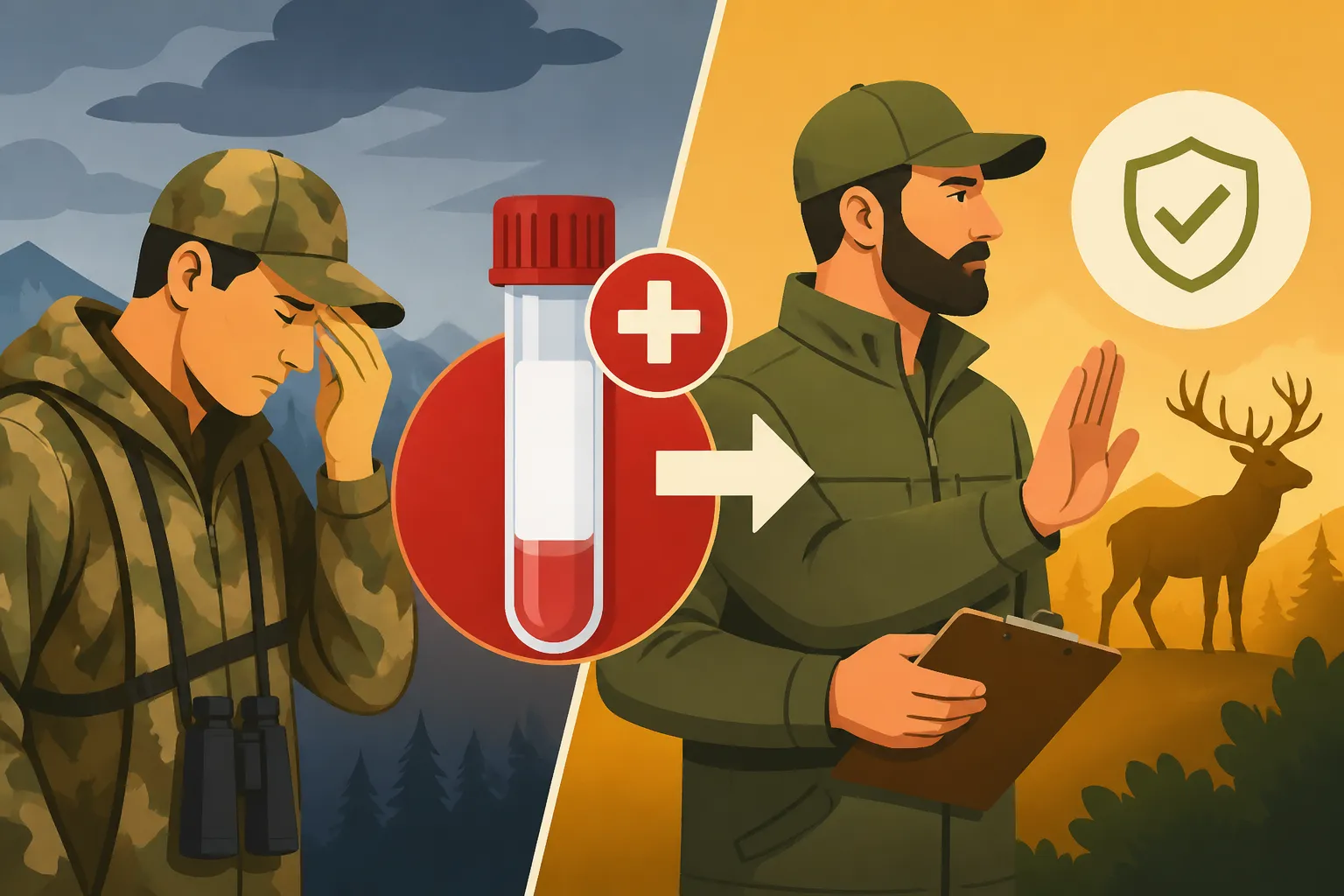
What an Outfitter Does With a Positive Test
It's incredibly frustrating and disheartening when you've put in all the hard work, made a successful harvest on a guided hunt, and then face the unsettling news of a positive CWD test. This situation can throw a wrench into your plans for meat processing, trophy handling, and even future hunts. This guide will walk you through exactly what an outfitter in Alberta does when a hunter's harvested animal tests positive for Chronic Wasting Disease, outlining the steps taken and your role in the process.
The Initial Discovery and Outfitter's Role in CWD Protocols
When you're out hunting with an Alberta outfitter, whether it's for whitetail, mule deer, or elk in a CWD-prone zone, the potential for a positive CWD test is a very real, albeit unfortunate, possibility. Outfitters are on the front lines, and they have a significant responsibility to manage this challenge ethically and legally. They're not just there to help you find game; they're also crucial in the broader wildlife management effort, especially concerning diseases like CWD. The moment CWD testing becomes mandatory or highly recommended for a harvested animal, your outfitter is typically the one initiating that process.
Understanding CWD on a Guided Hunt
Chronic Wasting Disease is a serious neurological disease that affects cervids (deer, elk, moose). It's always fatal, and unfortunately, there's no known treatment or cure. Alberta has areas where CWD is more prevalent, and hunting in these zones often comes with mandatory or highly recommended testing requirements. Your outfitter should be well-versed in these requirements for the specific Wildlife Management Unit (WMU) you're hunting in. Before you even head out, a good outfitter will discuss CWD protocols, explaining what happens if an animal is harvested in a designated CWD submission zone. They know that this disease is a concern for hunters, wildlife managers, and even processors, so transparency upfront is key. They understand that you’ve invested time and money into this hunt, possibly through platforms like BookYourHunt, and the news of a CWD positive test can be a significant blow.
Outfitter's Legal and Ethical Obligations
An Alberta outfitter has several critical obligations when it comes to CWD. First and foremost are the legal requirements. They must adhere strictly to Alberta's hunting regulations, which include mandatory CWD submission for certain species in specific WMUs. This often involves submitting the animal's head, or specific lymph nodes, to a designated collection site or freezer. Beyond the legalities, there's an ethical responsibility. Outfitters are stewards of the land and its wildlife. They understand the importance of mitigating the spread of CWD to protect future game populations and hunting opportunities. This means ensuring that carcasses are handled correctly, that hunters are informed, and that all necessary samples are submitted promptly. They also play a role in educating hunters about the risks and the science behind CWD, helping to foster responsible hunting practices across the board. The goal is always to provide a safe and sustainable hunting experience, even when faced with challenging situations like CWD. You can find information about specific CWD zones and testing protocols on Alberta's official wildlife websites, which many outfitters will consult directly.
The Process of Reporting and Carcass Handling
Once an animal is harvested, and the location is within a CWD surveillance zone, the outfitter’s work truly begins in terms of CWD management. This isn't just a formality; it's a crucial step in the overall health monitoring of Alberta's wildlife populations. The procedures for field dressing, sampling, and transporting the animal are all carefully laid out to minimize potential contamination and ensure accurate testing.
Field Procedures for Testing
The most common CWD test involves analyzing lymph nodes, specifically the retropharyngeal lymph nodes, from the animal's head. While some outfitters might have specialized training to extract these nodes themselves in the field, it's more common for the entire head to be submitted. Your outfitter will guide you through the process of properly removing the head, ensuring that the necessary tissues are intact for testing. This often means leaving extra neck tissue attached, or carefully severing the head in a specific way. For example, if you've harvested a whitetail in a mandatory submission WMU, the outfitter will instruct you on how to cape the animal for a shoulder mount while preserving the head for submission. They’ll also make sure to securely tag the head with your hunting license number and contact information. This meticulous attention to detail is vital for accurate sample tracking, ensuring that when results come back, they are correctly matched to your harvest. This is a standard procedure that many outfitters, like those listed on GoHunt, are well-versed in. Understanding the details of Alberta's Mandatory CWD Submission WMUs is a good idea for any hunter.
Transporting the Carcass Safely and Legally
Transporting a harvested animal in a CWD zone requires careful consideration to prevent potential spread of the disease. Outfitters are acutely aware of the regulations concerning carcass movement, especially for animals harvested in known CWD-positive areas. Typically, only certain parts of the animal can be transported out of a CWD zone without restriction: deboned meat, cleaned skull plates (for antler mounts), hides free of tissue, and antlers. The brain, spinal cord, and certain lymph nodes are considered high-risk materials and often cannot be moved.
An outfitter will ensure that:
- Proper Field Dressing: The animal is field dressed in a way that minimizes contamination. This often means carefully removing organs and burying them on site, if regulations allow and conditions are appropriate, or bagging them for proper disposal.
- Head Submission: The head (for testing) is placed in a clearly marked bag, distinct from the meat, and transported directly to a designated CWD drop-off freezer. These freezers are strategically located across Alberta to make submission convenient for hunters and outfitters alike.
- Meat Handling: Deboned meat is carefully separated from bone, nerve tissue, and other potentially infectious materials. It's then packaged and kept cool, ready for transport or further processing. Moving a Carcass Out of a CWD Zone has specific rules that your outfitter will ensure are followed to the letter.
Your outfitter often acts as the logistical hub here, either taking the head to the freezer themselves or providing clear instructions and directions for you to do so. This collaborative effort helps to protect both the hunter and the wider ecosystem from the further spread of CWD.
What Happens After a Positive CWD Test
Receiving a positive CWD test result is never good news, but it's important to understand that the system is designed to provide clear steps forward. Your outfitter will play a vital role in communicating these results and guiding you through the subsequent necessary actions.
Communication with the Hunter
Once the CWD test results are released by the provincial wildlife authorities (which can sometimes take a few weeks or more, depending on lab volumes and the time of year), your outfitter will be notified if they were the point of contact or if you listed them as such. They will then reach out to you directly to deliver the news. This is a conversation no one wants to have, but a reputable outfitter handles it with professionalism and empathy. They understand the disappointment, especially after the excitement of a successful hunt.
The outfitter will explain:
- The Result: Clearly confirm that the animal tested positive for CWD.
- Next Steps for Meat: Advise you on the protocol for any remaining meat. Generally, it is strongly recommended that you do not consume meat from a CWD-positive animal. While current scientific understanding suggests the risk to humans is low, health authorities advise against it as a precautionary measure. Your outfitter will discuss safe disposal methods with you.
- Trophy Handling: If you intended to mount the trophy, they'll clarify what parts are safe to keep. Skull plates, antlers, and hides are generally considered safe once thoroughly cleaned of all tissue. Your outfitter can often recommend a taxidermist who understands these protocols for Taking a Cape Across the Border or preparing a clean skull for a mount.
- Official Documentation: They might also help you understand any official notifications or further instructions you receive from Alberta Fish and Wildlife.
An outfitter acts as a bridge between you and the sometimes-complex governmental regulations, ensuring you have all the information you need to make informed decisions.
Implications for Future Hunts and Wildlife Management Units
A positive CWD test for an animal you harvested has broader implications beyond just that specific hunt. From a wildlife management perspective, this data point contributes to the province's understanding of CWD prevalence and spread. This information is critical for biologists and policy makers in making decisions about future hunting regulations, season dates, and even Alberta's Wildlife Management Units. If a WMU shows a consistent increase in positive CWD cases, it might trigger more intensive surveillance, additional mandatory testing zones, or even changes in antler point restrictions to manage herd health.
For you as a hunter, and for the outfitter, it means recognizing that the CWD situation is dynamic. While a positive test doesn't necessarily mean that WMU is "closed for business," it does reinforce the importance of continued testing and responsible hunting practices. Outfitters often use this information to adjust their strategies, perhaps focusing more on areas with lower CWD prevalence, or intensifying their client education efforts in higher-risk zones. They keep a close eye on updates to the Alberta's CWD Testing Requirements and often communicate these changes to their network of hunters. It reinforces the idea that hunting is not just about taking an animal, but about being an active participant in wildlife conservation and management.
Hunter Responsibilities and Ethical Considerations
While the outfitter guides the process, you, as the hunter, have a crucial role to play in the CWD protocols. Your active participation and adherence to guidelines are essential for minimizing the risk of spreading the disease and contributing to the overall health of Alberta's wildlife.
Hunter's Role in CWD Mitigation
When hunting with an outfitter, particularly in CWD-affected regions, your responsibilities don't end when you pull the trigger. They extend to being a conscientious partner in disease mitigation. This means:
- Understanding Regulations: Take the time to understand the CWD testing requirements for the WMU you're hunting in. Your outfitter will explain them, but a quick review of the official Alberta hunting regulations beforehand can never hurt.
- Following Instructions: Carefully follow your outfitter’s instructions regarding field dressing, head removal for testing, and carcass transportation. They are working within provincial guidelines.
- Proper Disposal of Carcass Waste: If you process the animal yourself, ensure that high-risk parts (brain, spinal cord, lymph nodes) are disposed of properly, often by double-bagging and taking them to a designated landfill, or burying them deeply on private land with permission. Never simply leave these parts exposed in the environment where scavengers could move them.
- Staying Informed: Keep an eye on CWD updates from Alberta Fish and Wildlife, particularly if you plan to hunt the same area again. Many reputable outfitters, especially those you might find on platforms like BookYourHunt or GoHunt, are good sources of up-to-date information, but cross-referencing with official government sources is always wise.
By actively engaging in these practices, you become an integral part of the solution, helping to protect both the current and future health of Alberta’s cervid populations. This commitment to ethical hunting extends far beyond the moment of harvest.
Avoiding the Spread of CWD
Preventing the spread of CWD is a collective effort, and hunters, alongside outfitters and wildlife agencies, are key players. Here's a table summarizing key actions to minimize the risk of CWD transmission:
| Action Category | Specific Actions | Why it Helps Prevent Spread |
|---|---|---|
| Carcass Handling | – Debone meat in the field or near the harvest site, especially in CWD-positive zones. – Leave high-risk parts (brain, spinal cord, eyes, spleen, lymph nodes) at the harvest site or dispose of properly. |
Prions (the infectious agents of CWD) are concentrated in these tissues. Leaving them at the kill site, or properly disposing, reduces the chance of transporting them to new areas. |
| Testing & Reporting | – Submit heads/samples for CWD testing as required or recommended. – Report any deer, elk, or moose observed acting abnormally (e.g., emaciated, stumbling). |
Testing provides critical surveillance data to track CWD spread. Reporting sick animals helps wildlife managers investigate and respond to potential outbreaks. Reporting a Poacher in Alberta also helps protect wildlife. |
| Equipment & Vehicle | – Thoroughly clean and disinfect all hunting equipment, vehicles, and trailers that have come into contact with harvested animals. | Prions can be sticky and persist in the environment. Cleaning helps prevent accidental transportation of prions to new areas. |
| Baiting & Feeding | – Avoid baiting or feeding wild cervids. | Concentrating animals at artificial food sources can increase direct and indirect contact, facilitating CWD transmission among individuals and through contaminated soil. |
| Transporting Carcasses | – Adhere strictly to regulations about which parts of a carcass can be transported out of a CWD management zone. | Restricting movement of high-risk tissues prevents introducing the disease to new, unaffected areas. |
By conscientiously adopting these practices, hunters contribute significantly to protecting Alberta's wild cervid populations. Your outfitter will reinforce many of these points throughout your hunt, emphasizing that good stewardship is at the heart of responsible hunting.
Disclaimer
This article is for general informational purposes only and does not constitute professional advice. Laws, prices and regulations vary by location and change over time. Consult a qualified professional for guidance on your specific situation.