CWD Testing on an Outfitted Alberta Hunt
The excitement of an outfitted hunt in Alberta is unparalleled, whether you're dreaming of a trophy whitetail, a heavy-antlered moose, or a massive mule deer. But for hunters coming from out of province or even just planning a more remote adventure, the question of Chronic Wasting Disease (CWD) and how testing is handled can add a layer of stress to the pre-hunt preparations. Many hunters worry about the logistics, the costs, and what happens if a test comes back positive, especially when trying to bring a trophy or meat home. This guide is here to walk you through everything you need to know about CWD testing when you embark on an outfitted hunt in Alberta, from understanding the disease itself to managing your harvest post-hunt.
Understanding Chronic Wasting Disease in Alberta
Chronic Wasting Disease (CWD) is one of those topics that can quickly bring down the mood in any hunting camp, but it's a serious reality we all have to face as ethical hunters. It's a progressive, fatal neurological disease that affects cervids – that's deer, elk, moose, and caribou. What makes it particularly concerning is that it's caused by abnormal proteins called prions, which can persist in the environment for a long time and are incredibly resistant to degradation. For us hunters, it means being vigilant, informed, and proactive in helping manage its spread.
What is CWD and Why Does it Matter to Hunters?
Imagine spending days tracking, stalking, and finally harvesting a magnificent animal, only to be hit with uncertainty about its health. That's the core of the CWD concern for hunters. The disease essentially causes the animal's brain to degenerate, leading to symptoms like emaciation, abnormal behavior, drooling, and a lack of coordination. While there's no definitive scientific evidence currently suggesting CWD can transmit to humans, wildlife health experts and public health agencies recommend against consuming meat from CWD-positive animals. It's a "better safe than sorry" approach that makes perfect sense when you consider the long-term implications.
Beyond the food safety aspect, CWD is a significant threat to the long-term health and sustainability of our wild cervid populations. A widespread outbreak could decimate herds, impacting hunting opportunities for generations to come. As stewards of the land and wildlife, our participation in testing is crucial. It provides invaluable data to wildlife managers who are working tirelessly to monitor, understand, and mitigate the spread of this insidious disease. Knowing what to do and how to cooperate helps us all protect the very animals we cherish. You might be interested in knowing Which Alberta Species Test Positive Most to understand where the focus lies.
Alberta's Approach to CWD Management
Alberta has been on the front lines of CWD management for years, employing a robust surveillance and testing program to track the disease. This isn't just a suggestion; it's a critical part of the province's wildlife health strategy. The province identifies specific Wildlife Management Units (WMUs) where CWD is more prevalent, often making testing mandatory for certain species harvested within those zones. This allows them to gather crucial data on the disease's distribution and prevalence, informing management decisions to protect the broader cervid population.
For any hunter, especially those from outside Alberta or even just outside a CWD-mandated zone, understanding these regulations is paramount. The province provides clear guidelines on Alberta's CWD Testing Requirements, including which areas have mandatory submissions and for which species. It's not just about the hunt itself, but also about the post-harvest process, particularly if you plan to transport your trophy or meat across provincial or international borders. Other jurisdictions often have strict rules about what carcass parts can enter their territory from CWD-affected areas, making a negative test result or proper carcass preparation absolutely essential. Keeping tabs on Alberta's CWD Positive Rate Last Season can give you a better idea of the disease's presence.
The Role of Your Outfitter in CWD Testing
When you book an outfitted hunt, you're not just paying for access to prime hunting grounds or an experienced guide; you're also investing in their knowledge of local regulations and their commitment to ethical hunting practices. A reputable outfitter will have a clear, well-defined process for CWD testing that integrates seamlessly into your hunt. They're often your first and most important resource for navigating these requirements.
Before Your Hunt: Discussing CWD with Your Outfitter
The moment you start communicating with an outfitter, CWD testing should be a topic of conversation. Don't be shy about asking questions! A good outfitter will appreciate your diligence and be transparent about their procedures. Inquire about which WMUs they operate in and whether those fall within mandatory CWD testing zones for your target species. Ask them how they handle the collection of samples, whether it's part of their standard service, and if there are any associated fees. Most reputable outfits include this as part of their comprehensive service, but it's always best to confirm.
It's also important to understand the chain of custody for the sample. Will the outfitter collect the sample and submit it directly? Or will they provide you with instructions and locations for self-submission? Understanding this beforehand eliminates any surprises. Some outfitters even offer to follow up on results and notify you directly, saving you the hassle. Platforms like BookYourHunt and GoHunt, which connect hunters with outfitters, often provide spaces for outfitters to detail their CWD protocols, allowing you to research and compare before committing. This initial conversation is crucial for setting expectations and ensuring you're both on the same page, especially regarding what happens if you receive What an Outfitter Does With a Positive Test.
On the Hunt: The Collection Process in Camp
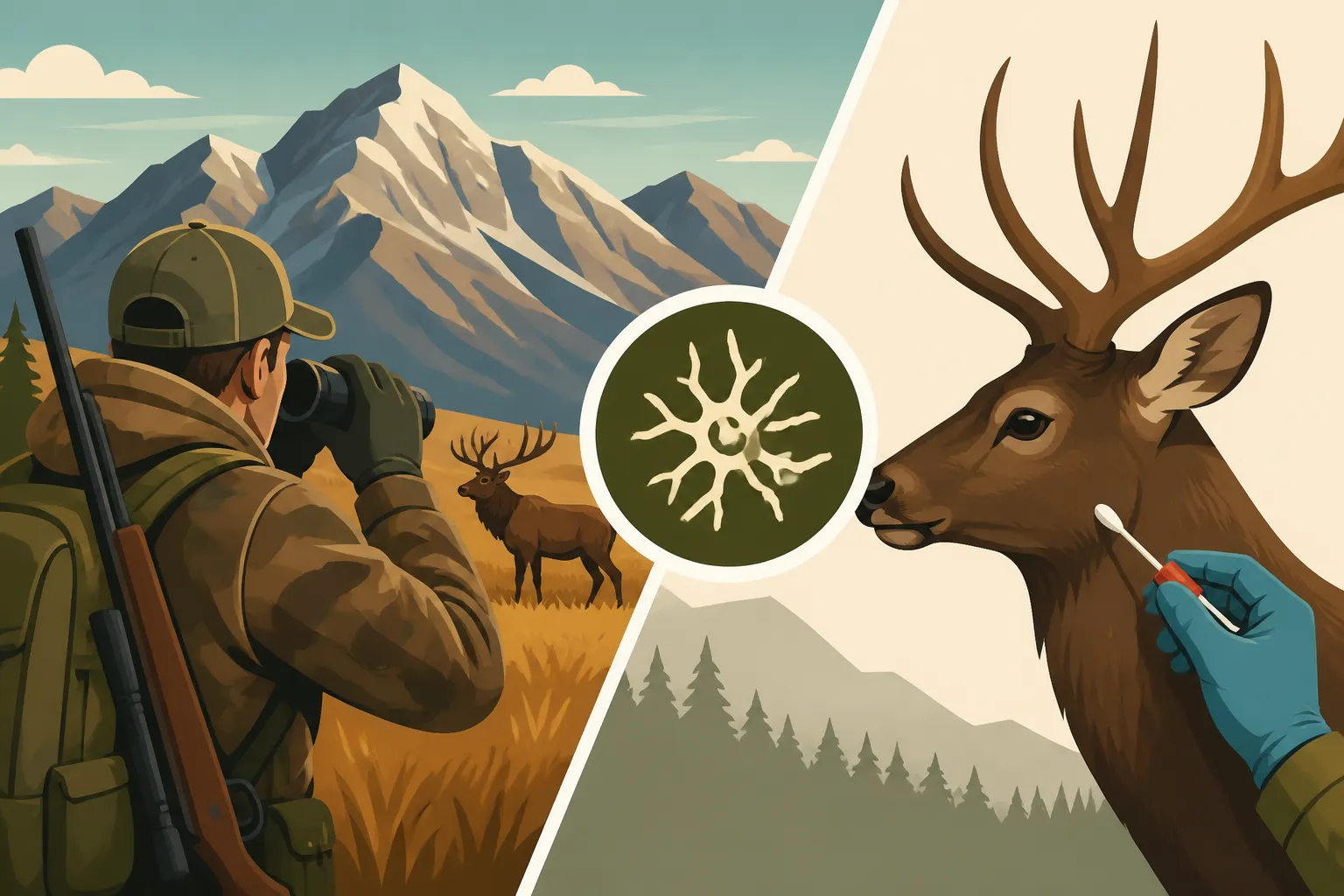
Once you've successfully harvested an animal, the CWD testing process begins. Your outfitter or guide will typically lead this process, ensuring it's done correctly. The standard procedure involves removing the head of the harvested animal. For deer and elk, the lymph nodes at the base of the skull (retropharyngeal lymph nodes) are the primary tissue samples collected for testing. For moose, a section of the brain stem might also be collected.
Your guide will usually be trained in how to properly extract these samples, or they'll guide you through it if you prefer to be hands-on. They’ll then place the sample in a specially provided bag or container, label it meticulously with details like your name, licence number, species, sex, and the WMU where the animal was harvested. This meticulous labeling is absolutely critical for accurate results. Often, the head will be kept frozen until it can be transported to a designated drop-off location or CWD freezer. Understanding proper carcass handling, especially in cold weather, as discussed in Field Dressing in Alberta's Deep Cold, is also an important skill that integrates with this process.
Logistics of Submission and Results
After the sample is collected, the next step is submission. Outfitters operating in mandatory CWD zones will typically have a system in place for this. This might involve designated drop-off points, which are often CWD freezers located strategically throughout various WMUs, or direct submission to a provincial lab. Your outfitter will ensure the sample is delivered in a timely manner, following all provincial guidelines. You can often find information on Where Alberta's CWD Freezers Are on the provincial website.
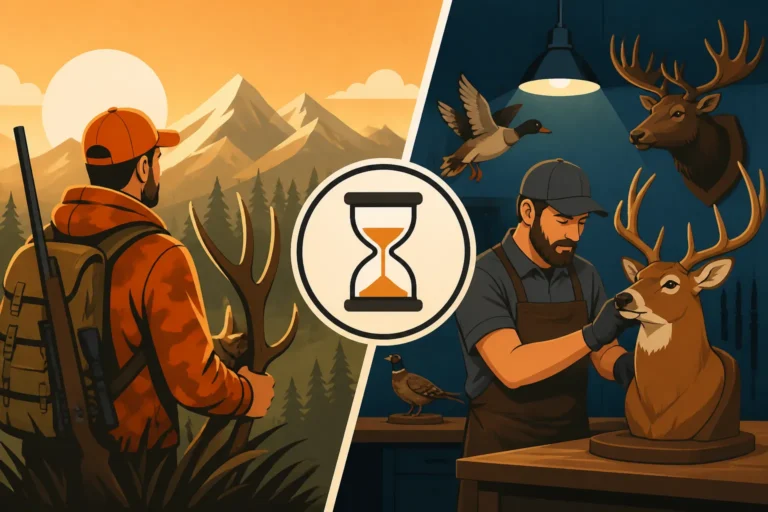
Once submitted, the waiting game begins. The turnaround time for CWD test results can vary, typically ranging from a few weeks to a couple of months, depending on the volume of samples and the time of year. Your outfitter should keep you informed about what to expect regarding timelines. Most often, the results are communicated directly to the hunter via mail or email, and sometimes the outfitter will also receive a copy, allowing them to follow up with you. It's a waiting period that can feel long, especially when you're eager to get your meat processed or your trophy mounted, but it's a necessary part of responsible hunting in a CWD-affected landscape.
After the Harvest: Carcass Handling and Cross-Border Considerations
The time immediately following a harvest, while you await CWD results, requires careful planning, especially if you plan to transport meat or a trophy beyond Alberta's borders. Prudence dictates that you should treat any animal harvested in a CWD-positive zone as potentially positive until proven otherwise.
Holding Meat and Trophies While Awaiting Results
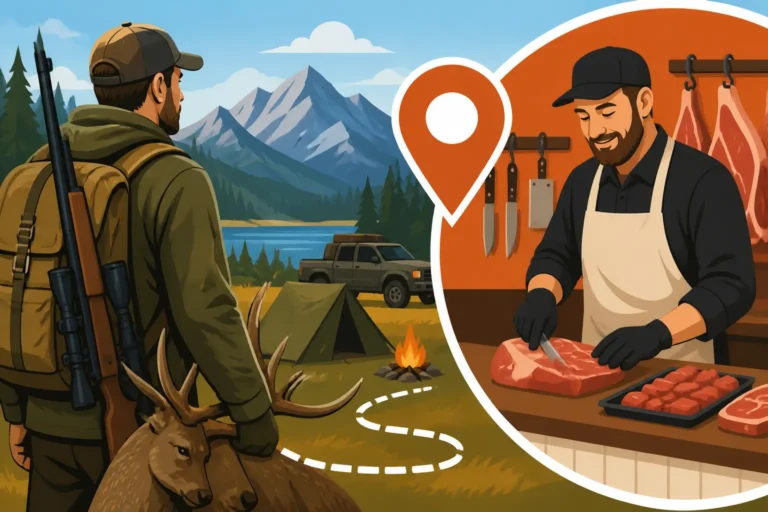
If you're hunting in a mandatory CWD submission zone, or even if you've chosen to test voluntarily, the general recommendation is to hold off on extensive meat processing until you receive a negative test result. This means having a plan for proper storage. Your outfitter will usually have cold storage facilities or advise you on local options, whether that's a walk-in cooler, a freezer, or a local butcher who can hold the meat for you. Large coolers with plenty of ice can work for shorter periods, but for weeks, freezing or professional cold storage is ideal. Remember that proper Meat Care in Alberta's Cold and Warm Swings is always critical to prevent spoilage.
For trophy parts, like skull plates with antlers or capes for taxidermy, these can be processed and preserved as normal. However, you should still keep records of the harvest location and the CWD sample ID. If a positive result comes back, these parts, particularly the skull, may need to be handled according to specific protocols due to the presence of prion-containing tissues.
Transporting Carcasses and Trophies Out of Alberta
This is where CWD protocols become especially strict, particularly for hunters crossing provincial or international borders. Most jurisdictions have regulations prohibiting the entry of certain high-risk carcass parts from CWD-positive areas. The general rule of thumb is that materials known to harbor prions – such as the brain, spinal cord, eyes, spleen, and lymph nodes – should not be transported.
What is generally permissible for transport out of Alberta, even from CWD-positive zones, includes:
| Carcass Part | Permissibility for Transport (from CWD zones) | Important Considerations |
|---|---|---|
| Deboned Meat | YES | Must be completely deboned, no spinal cord, brain, or other nervous tissue. |
| Clean Skull Plate | YES (with conditions) | Skull must be completely clean of all brain matter and soft tissue. |
| Antlers | YES | Shed or attached to a clean skull plate. |
| Hide/Cape | YES | Must be free of head and spinal column material; usually salted or tanned. |
| Taxidermy Mounts | YES | Finished taxidermy mounts are generally acceptable. |
Always double-check the current regulations for your specific destination, whether that's another Canadian province or a state in the US. These rules can change, so a quick call to the wildlife agency of your home jurisdiction is always a good idea. Your outfitter should be able to provide the most up-to-date information for Taking Meat and Antlers Home Across the Border.
What Happens with a Positive CWD Result
Receiving a positive CWD test result is, understandably, a disheartening experience. However, it's crucial to remember that it's not the end of your hunting career, but a call to responsible action. If your harvested animal tests positive, you will be notified by the provincial authorities. They will provide clear instructions on the next steps, which typically involve the proper disposal of the carcass.
This usually means disposing of the meat and any high-risk parts in a designated landfill or through an approved rendering facility. It’s a legal requirement to prevent the further spread of the disease into the environment. Your outfitter will likely play a role here, assisting you with the logistics of disposal and ensuring all protocols are followed. While the meat is considered unsafe for human consumption, some hunters choose to still utilize the hide and antlers after proper cleaning and processing, adhering to all guidelines. This is a tough scenario, but respecting the science and the regulations is how we protect our herds for the future. You can learn more about Whether CWD Meat Is Safe to Eat from official sources.
Navigating CWD testing on an outfitted Alberta hunt might seem like a lot to consider, but it's a vital part of being a responsible hunter today. By understanding the disease, communicating openly with your outfitter, and following all protocols for sample collection and carcass handling, you're doing your part to protect Alberta's incredible wildlife heritage. Remember, your outfitter is your best resource on the ground, and a little preparation and clear communication go a long way in ensuring a smooth and ethical hunting experience.
Disclaimer
This article is for general informational purposes only and does not constitute professional advice. Laws, prices and regulations vary by location and change over time. Consult a qualified professional for guidance on your specific situation.