Alberta Combination Hunt Packages
For many hunters, a single species hunt is an incredible experience, but there often comes a point where the call of the wild whispers for something more. You've travelled all that way, invested time and resources, and the thought of doubling down on your adventure, pursuing multiple species in one trip, becomes incredibly enticing. This guide is all about navigating the exciting, yet often complex, world of Alberta combination hunt packages, offering you a realistic look at what it takes to pursue more than one trophy or fill more than one freezer in Canada's Wild Rose Country.
Embracing the Ultimate Adventure: What Are Alberta Combination Hunt Packages?
When we talk about combination hunt packages in Alberta, we're not just talking about adding a general deer tag to your moose draw. We're referring to a structured hunting trip, typically offered by an outfitter, that is specifically designed to target two or more distinct game species within a single expedition. This isn't just about bagging more animals; it's about experiencing the diverse ecosystems and incredible wildlife populations that Alberta has to offer, often across different terrains and using varied hunting methods. It’s an ambitious undertaking, requiring careful planning, robust logistics, and often, a higher level of physical stamina and mental preparedness.
Defining the Multi-Species Dream
A multi-species hunt means that from the moment you book, the outfitter is planning for you to have opportunities at, say, both a mule deer and a black bear, or perhaps a whitetail and some waterfowl. These packages are curated to align with overlapping seasons, prime animal activity, and the geographical proximity of different species. For example, an outfitter might offer a combination that targets an early fall archery whitetail in the aspen parkland, but also includes a black bear tag, allowing for opportunistic hunting while deer scouting or travelling to and from stands. It transforms a hunting trip from a singular pursuit into a much richer, more dynamic outdoor experience. The real challenge, and the immense satisfaction, comes from switching gears, adapting tactics, and understanding the nuances of multiple game animals within the same timeframe.
Why Hunters Seek More Than One Tag
The reasons hunters gravitate towards combination packages are varied, but usually boil down to maximizing their investment and experience. Firstly, there's the economic aspect; when you factor in travel, accommodation, and the precious vacation time, combining multiple hunts into one trip can be more cost-effective than booking two separate expeditions. You're already there, so why not make the most of it? Secondly, it’s about the challenge and the thrill. The idea of tracking a big game animal in the morning and then setting up a decoy spread for ducks in the afternoon appeals to a hunter's inherent desire for variety and adventure. Lastly, it speaks to a deep appreciation for Alberta's incredible biodiversity. Being able to experience the vastness of the prairies, the dense boreal forest, and the rolling foothills, all while pursuing different game, offers a truly comprehensive outdoor education. It's a way to truly immerse yourself in the province's natural wonders and expand your hunting skill set.
Navigating the Complexities: Benefits and Challenges of Combo Hunts
While the idea of a combination hunt sounds fantastic on paper, it's crucial to approach it with realistic expectations. These hunts offer unparalleled rewards, but they also come with a unique set of challenges that need to be understood and prepared for. It's a balancing act between optimizing your time in the field and managing the increased logistical and physical demands.
Maximizing Your Time and Investment
One of the most compelling benefits of an Alberta combination hunt is the sheer efficiency. Imagine flying out once, unpacking your gear once, and setting up camp once, but having the chance to pursue multiple species. This significantly reduces the overhead cost and time commitment compared to booking separate trips. For instance, a hunter might come for a prime Elk Hunting Alberta's Foothills rut hunt in late September and, with a combination package, also have a black bear tag in their pocket. If they fill their elk tag early, they can then shift focus entirely to bear, or vice-versa, depending on opportunities. It ensures that every precious day in the field is utilized to its fullest potential. This is especially appealing for non-resident hunters who often have to navigate additional permitting and travel considerations for each entry into the province. By consolidating their hunting efforts, they simplify the process of securing Alberta Hunting Licences and What They Cost and making travel arrangements.
The Logistical Hurdles and Physical Demands
However, with greater reward comes greater challenge. Combination hunts are inherently more complex. You're not just preparing for one animal; you're often preparing for two or three, each with their own habitats, behaviors, and optimal hunting methods. This means more specialized gear, broader knowledge, and a greater need for adaptability. For example, a hunt combining mule deer in open country with whitetails in dense bush requires different camouflage, different shooting ranges, and different strategies. The physical demands can also be higher. If you're chasing elk in the mountains one day and then need to sit a bear bait site the next, your body needs to be ready for vastly different exertion levels. There's also the element of time management: if you spend too much time on one species, you might compromise your chances on another. This is where a good outfitter really shines, as they are experts at managing these variables to give you the best possible odds on all targeted species.
Popular Pairings: Common Alberta Combination Hunt Scenarios
Alberta's diverse landscapes and rich wildlife offer a fantastic array of possibilities for combination hunts. Outfitters have honed their packages over years to capitalize on overlapping seasons, habitat commonalities, and hunter preferences. Understanding these common pairings can help you narrow down what kind of multi-species adventure best suits your ambitions.
Big Game Duos: Deer, Moose, and Bear
When hunters think of big game combinations in Alberta, a few pairings immediately come to mind. One very popular option, especially for rifle hunters, is a whitetail and mule deer combination. Many of Alberta's agricultural and parkland WMUs hold healthy populations of both species, allowing hunters to target a trophy buck of either variety. This often involves spot-and-stalk tactics for mule deer in coulees and open areas, transitioning to stand hunting or rattling for whitetails along bush edges or in thicker cover. A hunter might spend their mornings Glassing an Alberta Coulee for Mule Deer and their evenings hunting a bush edge for whitetails.
Another compelling pairing is deer (whitetail or mule deer) with black bear. The fall bear season often overlaps with early deer seasons, especially archery season, making this a natural fit. Outfitters might integrate opportunistic bear hunting while actively pursuing deer, or dedicate specific time to bear baiting if conditions are right. This is an exciting prospect, as Alberta is home to a robust Black Bears in Alberta's Forests and Foothills population, including some stunning color phases. Imagine successfully harvesting a whitetail buck and then spending a few days focused solely on trying to call in or bait a beautiful blonde or cinnamon bear – it truly adds another layer of excitement to your trip.
For those venturing into the boreal forest or foothills, moose and wolf is a classic, challenging combination. While moose hunting can be physically demanding, particularly during the rut when calling is effective, wolves are often a target of opportunity or can be actively called. Many outfitters will include a wolf tag with their moose hunts, knowing that hunters will often encounter these intelligent predators while out scouting or calling for moose. Pursuing a big bull moose, with its impressive antlers, and then hearing the howl of a wolf pack echoing through the timber, adds a primal element to the hunt. Knowing Wolves Across the Boreal Forest are nearby can make you feel truly immersed in the wilderness.
Wingshooting Wonders: Waterfowl and Upland Birds
Beyond big game, Alberta is a mecca for bird hunters, and combination wing-shooting packages are incredibly popular. The province sits smack dab in the middle of major migratory bird flyways, making for phenomenal duck and goose hunting. At the same time, its diverse habitats support a strong population of resident upland birds.
A common combination is ducks and geese with upland birds like sharp-tailed grouse or Hungarian partridge. A typical day might involve a thrilling morning field hunt for geese over decoys in swathed stubble, followed by an afternoon spent walking shelterbelts or grass cover for Huns and sharptails. The contrast between the fast-paced, high-volume action of migratory bird hunting and the strategic, dog-assisted pursuit of upland birds provides a well-rounded and immensely satisfying experience. Outfitters specializing in these hunts will have multiple blinds, decoy spreads, and access to diverse habitat, allowing for seamless transitions between species. These types of hunts are very popular in the Alberta's Parkland Country and Its WMUs and prairie regions. You might even find yourself Hunting a Big Snow Goose Spread in the morning and then Walking Up Sharp-Tailed Grouse in Alberta later that afternoon.
Predator Add-Ons: Wolves and Coyotes
Predator hunting, particularly for wolves and coyotes, is often offered as an 'add-on' or opportunistic component to many big game packages. While not always the primary focus, the chance to call in a coyote on the prairie or spot a wolf while moose hunting can be a huge bonus. Many outfitters include a wolf or coyote tag, recognizing that these animals are abundant and can offer an exciting interlude, especially if the primary big game species proves elusive or is harvested early. The thrill of calling a coyote across a vast stubble field or hearing a wolf respond to a distress call truly enhances the wilderness experience. For those passionate about predator hunting, dedicated combination packages focusing on multiple predator species might also be available, though they are less common than big game or bird combos.
Crafting Your Strategy: Planning an Alberta Combination Hunt
Planning any hunting trip requires diligence, but a combination hunt amplifies the need for thorough preparation. You’re essentially orchestrating two or more hunts into one, and overlooking details can quickly lead to frustration or missed opportunities. It all starts with deep research and selecting the right partners.
Researching Regulations and Seasons
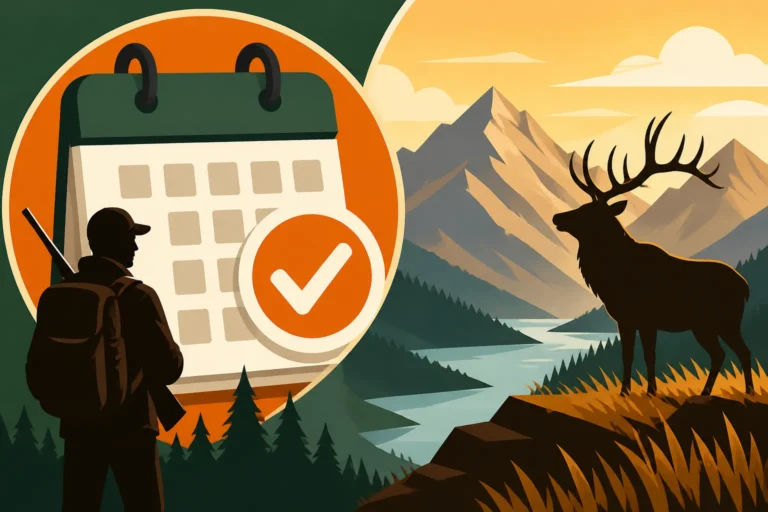
The first and most critical step is to dive headfirst into the Alberta hunting regulations. Each species has its own specific seasons, bag limits, and often, particular WMUs where it can be hunted. These regulations can also vary depending on weapon choice (archery, rifle, muzzleloader). For a combination hunt, you need to find species whose open seasons overlap sufficiently to allow for a realistic chance at both. For example, Alberta Big Game Season Dates and Alberta Game Bird Seasons and Limits are your initial roadmap. You’ll need to understand if the WMU you plan to hunt even supports both your target species with coinciding seasons. The complexities only grow when you consider Alberta's Special Licence Draws for certain species like moose or elk, versus general tags for others like whitetails or black bears. Some combinations are only feasible if you're successful in a specific draw, which adds another layer of uncertainty to your planning. Always double-check current regulations – they can change year to year.
Choosing the Right Outfitter and Package
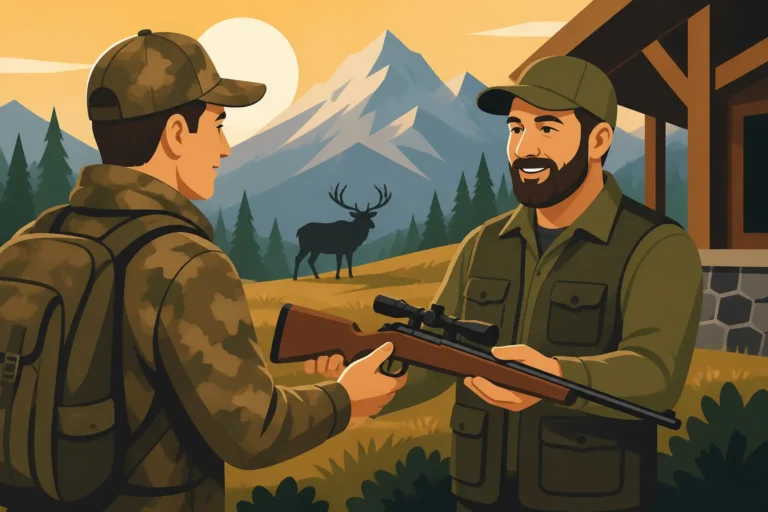
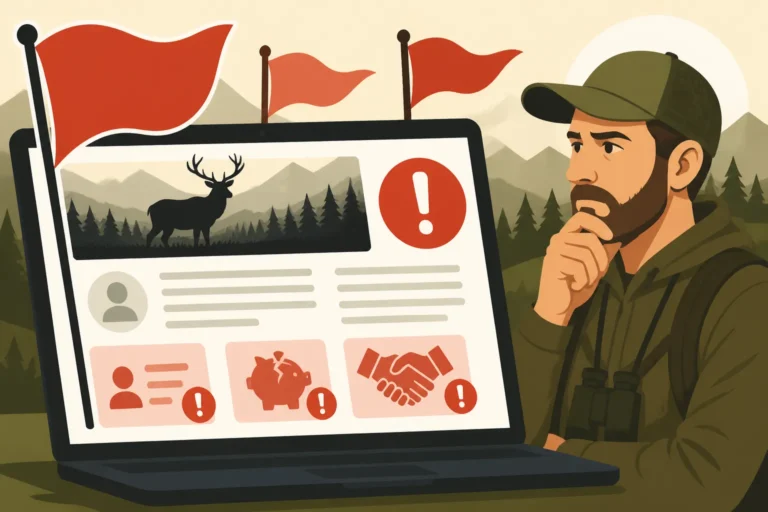
This is where your success, or lack thereof, truly hinges. A combination hunt is rarely a DIY affair for most, especially non-residents who require a guide or Hunting Alberta With a Hunter Host. Selecting an experienced outfitter who specializes in multi-species hunts is paramount. Not all outfitters offer combination packages, and those who do often have specific pairings they excel at. Look for an outfitter with a proven track record on both species you're interested in. Don't be afraid to ask for references from past clients who booked similar combination packages. Inquire about their success rates for each species within the combo, and critically, how they allocate hunting time between the species.
When researching, you might use platforms like BookYourHunt or GoHunt to explore outfitters and compare packages. These resources can give you a starting point for contacting reputable operations and understanding the general offerings. Ask detailed questions about logistics:
- How far apart are the hunting grounds for each species?
- What happens if one animal is harvested early?
- What kind of gear should you bring for the different hunting styles?
- Are there specific guides for each species, or does one guide handle both?
A good outfitter will be transparent about the challenges and ensure your expectations are realistic. They should clearly outline what is included in the package, from tags and licences to accommodation, food, and trophy preparation. Their expertise in navigating overlapping seasons, differing habitats, and the specific needs of multiple species is invaluable.
The Outfitter's Role: What to Expect from Your Combo Guide
When you invest in an Alberta combination hunt package, you're not just paying for access to hunting grounds; you're investing in the expertise, logistics, and dedicated effort of your outfitter and guides. Their role is far more expansive than a single-species hunt, involving a delicate dance of balancing opportunities and managing complex field operations.
Expert Guidance and Logistics Support
A reputable outfitter providing combination hunts is essentially a master orchestrator. They are responsible for understanding the habits of multiple species, managing concurrent hunting strategies, and navigating the often-tricky logistics of moving hunters and gear between different hunting areas or even different camps. For instance, an outfitter might arrange for you to spend the first few days of your hunt focused intensely on Spot-and-Stalk Mule Deer in Alberta in the badlands, then pivot to a more sedentary stand hunt for Hunting the Rut in Early November in the treed river bottoms later in the week. This requires deep local knowledge of Alberta's Wildlife Management Units, animal movement patterns, and optimal timing for each species.
Your guide will not only lead you in the field but also provide essential pre-hunt preparation, advising on appropriate gear, clothing, and physical conditioning for the varied demands of the hunt. They handle the permitting details, ensuring you have the correct Alberta Hunting Licences and What They Cost for all desired species, and often assist with the paperwork for federal permits if migratory birds are involved. During the hunt, they continuously assess conditions, animal activity, and your personal stamina to make on-the-fly decisions that maximize your chances of success on all targeted species. This dynamic decision-making is a hallmark of a skilled combination hunt guide.
Camp Life and Daily Operations
Camp life during a combination hunt can vary significantly depending on the package. Some outfitters might run a central lodge with daily excursions to different hunting areas, while others might utilize spike camps for specific species, requiring you to move between different accommodations. For example, a hunt for Moose Hunting Alberta's Boreal Forest and Black Bear Hunting in Alberta might involve a comfortable main lodge for the bear baiting portion, but then transition to a more rustic wall tent camp deeper in the bush for optimal moose hunting. Understanding these arrangements beforehand is crucial for packing and personal comfort.
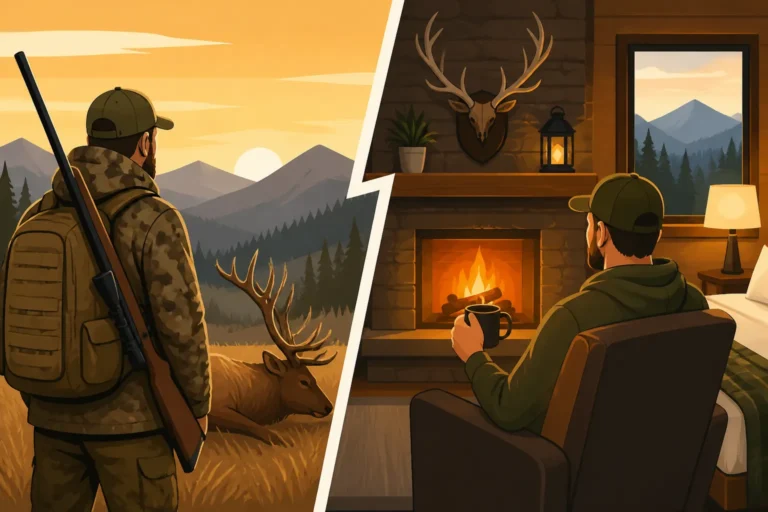
Regardless of the setup, daily operations are meticulously planned to capitalize on prime hunting hours for each species. This could mean early mornings spent in a goose blind, followed by tracking deer signs mid-day, and finishing with an evening sit on a bear bait. The outfitter will also manage all the field dressing, meat care, and trophy preparation for multiple animals, which is no small feat. They’ll have protocols for ensuring proper meat cooling and storage, especially critical when multiple animals might be harvested over the course of the hunt. Furthermore, they will often assist with coordinating taxidermy services and shipping trophies or meat home. The goal is to provide a seamless, productive, and enjoyable experience, allowing you to focus purely on the hunt itself.
Budgeting for Your Multi-Species Experience
A combination hunt package, by its very nature, is a more premium hunting experience. While it can offer value by consolidating travel, it typically comes with a higher price tag than a single-species hunt. Understanding the financial aspects, including potential hidden costs, is crucial for effective budgeting and avoiding unpleasant surprises.
Understanding Pricing Structures
The cost of an What an Alberta Guided Hunt Costs will vary widely depending on the species targeted, the duration of the hunt, the level of accommodation, and the outfitter's reputation and services. Combination packages will naturally be more expensive than single-species hunts, as they involve more resources, more guide time, and the pursuit of additional animals. For example, a combination that includes a high-demand draw-only species like Booking an Alberta Moose Hunt along with a general deer tag will be priced significantly higher than a standard whitetail-only package.
Outfitters typically offer these packages as an all-inclusive or semi-inclusive rate for a set number of days. It's essential to get a detailed breakdown of what is covered:
- Guide services: Is it a one-on-one guide ratio or two-on-one?
- Accommodation and meals: What quality and type of lodging (lodge, cabin, wall tent)?
- Transportation: From arrival airport to camp, and daily in the field?
- Trophy preparation: Field dressing, caping, freezing?
- Licences and Tags: Are these included in the upfront cost, or are they an additional expense you need to purchase directly? This is a common point of confusion.
- Additional species fees: If you successfully harvest a second or third animal, are there additional trophy fees?
When looking at various outfitters, consider platforms like BookYourHunt or GoHunt. These sites often list package details and pricing ranges, providing a good starting point for comparison. However, always confirm directly with the outfitter for the most current and specific pricing.
Beyond the Base Rate: Tips, Travel, and Trophies
While the package price covers the core hunt, there are several additional expenses that often get overlooked but can significantly impact your overall budget.
- Gratuities for guides and camp staff: Tipping is customary in the hunting industry, and it's a significant expense. Plan for 10-20% of the hunt cost for your guide, plus additional amounts for cooks or other camp staff. This can quickly add thousands to your bill.
- Travel to Alberta: Airfare, car rentals, and potentially overnight stays before and after the hunt are all part of the equation. Don't forget the cost of transporting firearms, which often incurs additional airline fees. For those driving, fuel costs across Alberta's vast distances can add up.
- Taxidermy and Meat Processing/Shipping: If you harvest multiple animals, you'll have multiple processing bills and potentially multiple taxidermy bills. Shipping capes, antlers, and processed meat home can be very expensive, especially internationally. Get quotes for these services in advance.
- Gear upgrades: A combination hunt might expose gaps in your current gear. You might need specialized clothing for varied conditions, different optics, or specific ammunition for different calibers if you're bringing multiple rifles.
- Non-hunting excursions/activities: While on an intense combination hunt, you might not have much downtime, but any extra activities would be an additional cost.
A simple table can help visualize these costs:
| Expense Category | Typical Inclusion in Package? | Estimated Impact on Budget | Notes |
|---|---|---|---|
| Outfitter Package Fee | Yes | High | Base cost for guide, lodging, food. Varies by species/duration. |
| Licences & Tags | Often No | Medium | Must purchase separately (WIN Card, Wildlife Certificate, tags). |
| Gratuities (Guide/Staff) | No | High | 10-20% of package cost for guide, plus camp staff. |
| Travel (Airfare/Fuel) | No | High | Flights, gas, vehicle rental. Firearms fees for airlines. |
| Meat Processing | Sometimes (Basic) | Medium | Commercial processing adds cost; custom cuts more. |
| Taxidermy | No | High | Skull caps, full mounts, rugs for multiple animals. |
| Shipping (Meat/Trophy) | No | High | International shipping can be very expensive. |
| Pre-hunt Gear | No | Variable | Clothing, boots, optics, specialized ammo. |
| Personal Spending | No | Low-Medium | Souvenirs, snacks, drinks. |
| Travel Insurance | No | Low-Medium | Recommended for high-value trips. |
By meticulously planning for these expenses, you can ensure your Alberta combination hunt is an exhilarating adventure without any financial surprises.
Disclaimer
This article is for general informational purposes only and does not constitute professional advice. Laws, prices and regulations vary by location and change over time. Consult a qualified professional for guidance on your specific situation.