Walking Up Sharp-Tailed Grouse in Alberta
The crisp Alberta air, the scent of wild sage, and the vast expanse of prairie or parkland can be incredibly inviting. But when you’re out there with a shotgun, trying to locate those elusive sharp-tailed grouse that seem to vanish into thin air, the excitement can quickly turn into frustration. Many hunters, especially those new to upland birds, struggle to consistently find and flush these wily birds, often walking miles through seemingly perfect cover only to come up empty-handed. This guide is dedicated to helping you master the art of walking up sharp-tailed grouse, focusing on their unique behaviours, preferred habitats, and the strategies that will put more birds in your game vest.
Understanding Sharp-Tailed Grouse Habitat in Alberta
Sharp-tailed grouse, often affectionately called "sharptails," are true denizens of Alberta's diverse landscapes. Unlike some other upland species that prefer dense timber or specific agricultural crops, sharptails are creatures of the open, transitioning zones. To consistently find them, you need to think like a sharptail, understanding where they feed, rest, and seek refuge from predators and weather.
Prairie Grasslands and Fallow Fields
When you think of sharptails, vast tracts of native prairie grassland often come to mind, and for good reason. These birds absolutely thrive in areas with tall, undisturbed grass that provides both ample cover and a rich food source. Look for patches of mixed grasses, such as wheatgrass, fescue, and needle-and-thread grass, especially where they’ve been left to grow tall and tussocky. These areas offer perfect concealment from overhead predators like hawks and eagles, and also give the birds a sense of security while they forage for seeds, insects, and berries.
Don't overlook fallow fields adjacent to active agricultural land. While not their primary habitat, these uncultivated strips or fields that have been rested for a season can become prime sharptail territory. The sparse growth of weeds, volunteer grains, and residual cover can be a magnet for feeding birds, particularly during the cooler morning and late afternoon hours. They'll often feed on the edges of these fields, especially where they meet a bush line or a brushy draw. Many hunters find success by walking the transitions between these field types. When planning your hunt, consider using tools like GoHunt to scout these grassland and fallow field boundaries from home, looking for those critical transition zones that might hold birds.
Aspen Parkland Edges and Brushy Draws
Moving north and east from the true prairie, Alberta transitions into the aspen parkland, a mosaic of rolling grasslands punctuated by trembling aspen bluffs and willow thickets. This is another prime habitat for sharp-tailed grouse, offering a slightly different set of resources. Here, the birds often utilize the edges of these aspen bluffs, especially where the timber transitions into open fields or native grass. The brushy understory of the bluffs provides dense escape cover, while the adjacent open areas are perfect for feeding.
Deep, brushy draws and coulees cutting through farmland are absolute hotspots for sharptails, particularly as the season progresses and the weather turns colder. These natural depressions offer protection from harsh winds and provide a consistent food supply of berries, buds, and twigs. Think about areas where small pockets of dogwood, saskatoon, or chokecherry bushes grow thickly. Sharptails will use these draws as travel corridors and thermal cover, bedding down in the thickest brush during the middle of the day. A strategy often employed is to walk along the top of these coulees, flushing birds from below, or to have blockers at one end while others walk through the cover. For more on navigating these varied landscapes, check out our guide on Walking Up Sharptails on Alberta Grassland.
Essential Gear and Preparations for Walking Up Sharptails
Successfully walking up sharp-tailed grouse isn't just about knowing where they are; it's also about being properly equipped and prepared for the unique challenges of the terrain and the birds themselves. The vastness of Alberta's uplands, combined with unpredictable weather, demands thoughtful gear selection.
Footwear, Clothing, and Navigation Tools
Your feet are your most important tool when walking up sharptails, so investing in good footwear is non-negotiable. Sturdy, waterproof, and comfortable hiking boots with good ankle support are essential for covering miles of uneven terrain. Look for boots that are well-broken in before your hunt to avoid blisters. In some areas, particularly the southern prairies, snake gaiters or snake boots can provide peace of mind, though a rare concern, it's always better to be safe. Dress in layers, as Alberta weather can change dramatically throughout the day. A moisture-wicking base layer, insulating mid-layers, and a windproof, water-resistant outer shell are ideal. Blaze orange is a mandatory safety requirement in Alberta when hunting big game, but it's also highly recommended for upland bird hunting, especially when hunting with others. Ensure you have plenty of visible orange, such as a vest or hat, to keep everyone safe. Check out Alberta Blaze Orange Requirements for more details on safety.
Given the expansive nature of sharptail habitat, reliable navigation is critical. A GPS unit or a smartphone with a robust hunting app like GoHunt (which offers detailed land ownership maps and satellite imagery) is a must. These tools allow you to track your progress, mark flush locations, and, most importantly, know exactly where you are in relation to public and private land boundaries. Remember to carry a portable charger for your phone and extra batteries for your GPS. A compass and paper map are also excellent backups, especially in areas with spotty cell service. Understanding Scouting With Satellite Imagery in Alberta beforehand can give you a significant advantage in planning your route and identifying potential hotspots.
Shotgun, Ammunition, and Dog Considerations
For sharp-tailed grouse, a fast-swinging, lightweight shotgun is generally preferred, as these birds can explode from cover with surprising speed. A 12-gauge or 20-gauge shotgun, typically with improved cylinder or modified chokes, is a popular choice. The open chokes help increase your pattern density for those close-range flushes, while still offering enough reach for longer shots. You'll want to carry plenty of ammunition, as sharptail hunting often involves a lot of walking for a few moments of intense action. Lead shot is permitted for upland birds in Alberta, and common shot sizes range from #6 to #7.5, providing a good balance of pellet count and energy for these mid-sized birds.
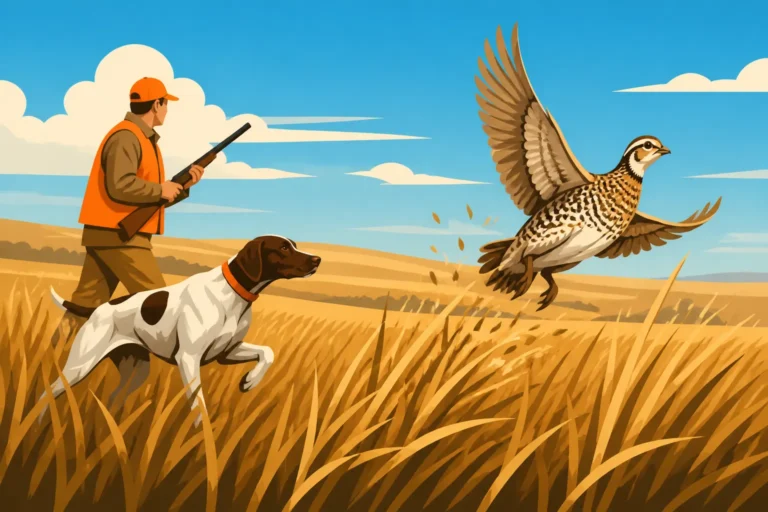
Having a well-trained bird dog can revolutionize your sharptail hunting experience. A pointing breed, such as a German Shorthaired Pointer, English Setter, or Brittany, can pinpoint birds far more efficiently than a human eye, holding them until you can walk in for the flush. Retrievers, like Labradors, are also invaluable for finding downed birds in thick cover, preventing lost game. If hunting without a dog, you'll need to be extra vigilant and methodical in your approach. For more on this, consider exploring Using a Pointing Dog on Alberta Prairie. Always ensure your dog is well-conditioned for long walks, has proper blaze orange visibility, and carries plenty of water.
Strategies for Locating and Approaching Sharptails
Finding sharp-tailed grouse often feels like searching for a needle in a haystack, but with the right strategies, you can significantly improve your odds. It's about being methodical, understanding the terrain, and anticipating where the birds will be and how they'll react.
Grid Searches and Contouring Terrain
When you're faced with a large field of promising grassland or a sprawling fallow area, simply wandering aimlessly is rarely productive. Instead, employ a systematic approach like a grid search. Walk in long, parallel lines, covering the entire area. If you're hunting with a partner, spread out about 20-30 yards apart, walking abreast. This technique ensures thorough coverage and reduces the chances of birds being missed between hunters. Pay close attention to subtle changes in elevation, denser patches of cover, and the edges where habitat types merge, as these are prime holding spots.
When hunting brushy draws, coulees, or along the edges of aspen bluffs, contouring the terrain is often more effective than a straight grid. Walk parallel to the contours, moving up and down the slopes, rather than simply walking across them. This allows you to effectively work the varied cover, flushing birds that might be tucked into folds in the land or using the elevation for escape. Sharptails will often run uphill before flushing, so positioning yourself above them or slightly to the side can be advantageous. Always keep the wind in mind; walking into the wind can help your dog scent birds better and can make birds flush into the wind, often slower and more predictably.
Reading Sign and Anticipating Flushes
Sharptails, like most game birds, leave subtle clues about their presence if you know what to look for. Keep an eye out for fresh tracks in dusty areas or light snow. Their tracks are distinct, three toes forward, one back, often with a dragging mark from their long toes. Droppings, small and dark, often in concentrated piles where birds have roosted, are another clear indicator. More importantly, listen. Sharptails are vocal birds, especially in the mornings and evenings. Their distinctive clucking and cackling calls can pinpoint their general location even before you see them. During the spring, their "dancing grounds" or leks are crucial for breeding, but in the fall, these areas can still attract birds.
Anticipating a flush is key to success. As you walk, continually scan the ground ahead and to the sides. Look for any movement, a flicker of a tail, or the slight dip of a bird trying to hide. Sharptails are masters of camouflage, often holding incredibly tight until you are almost on top of them. However, they also have a tendency to run along the ground for a short distance before taking flight, so be ready for that sudden explosion of wings. If you have a dog, trust it implicitly. When a dog goes on point, approach cautiously, ready for the flush. Without a dog, try to visualize where the birds might be hiding – under a thorny bush, in the thickest grass, or just over the crest of a small hill. For tips on navigating these varied terrains, our guide on Hunting a Shelterbelt Between Two Fields offers valuable insights into common sharptail holding areas.
| Habitat Type | Prime Features | Approach Strategy | Ideal Time to Hunt |
|---|---|---|---|
| Native Grassland | Tall, tussocky grasses; sagebrush; rolling hills | Systematic grid pattern, walk into the wind, focus on transitions | Early morning, late afternoon |
| Fallow Fields | Weeds, volunteer grains, sparse cover; adjacent to crops | Walk field edges, focus on thicker patches, check transition to bluffs | Mid-morning, late afternoon |
| Aspen Parkland | Aspen bluffs, willow thickets, open grassland pockets | Contour bluff edges, work brushy draws, check sunny slopes | Mid-day for thermal cover, early/late for feeding |
| Brushy Draws | Dense berry bushes (saskatoon, chokecherry), deep coulees | Walk along the top, or have blockers; push through thick cover | Mid-day for cover, any time if pressured |
The Flush and Follow-Up: Making the Shot
The moment a sharp-tailed grouse bursts from cover is exhilarating, but it's also when your training and preparation come into play. Staying calm and executing a clean shot is paramount, followed by diligent retrieval to ensure no bird is wasted.
Deciding on the Shot and Ethical Considerations
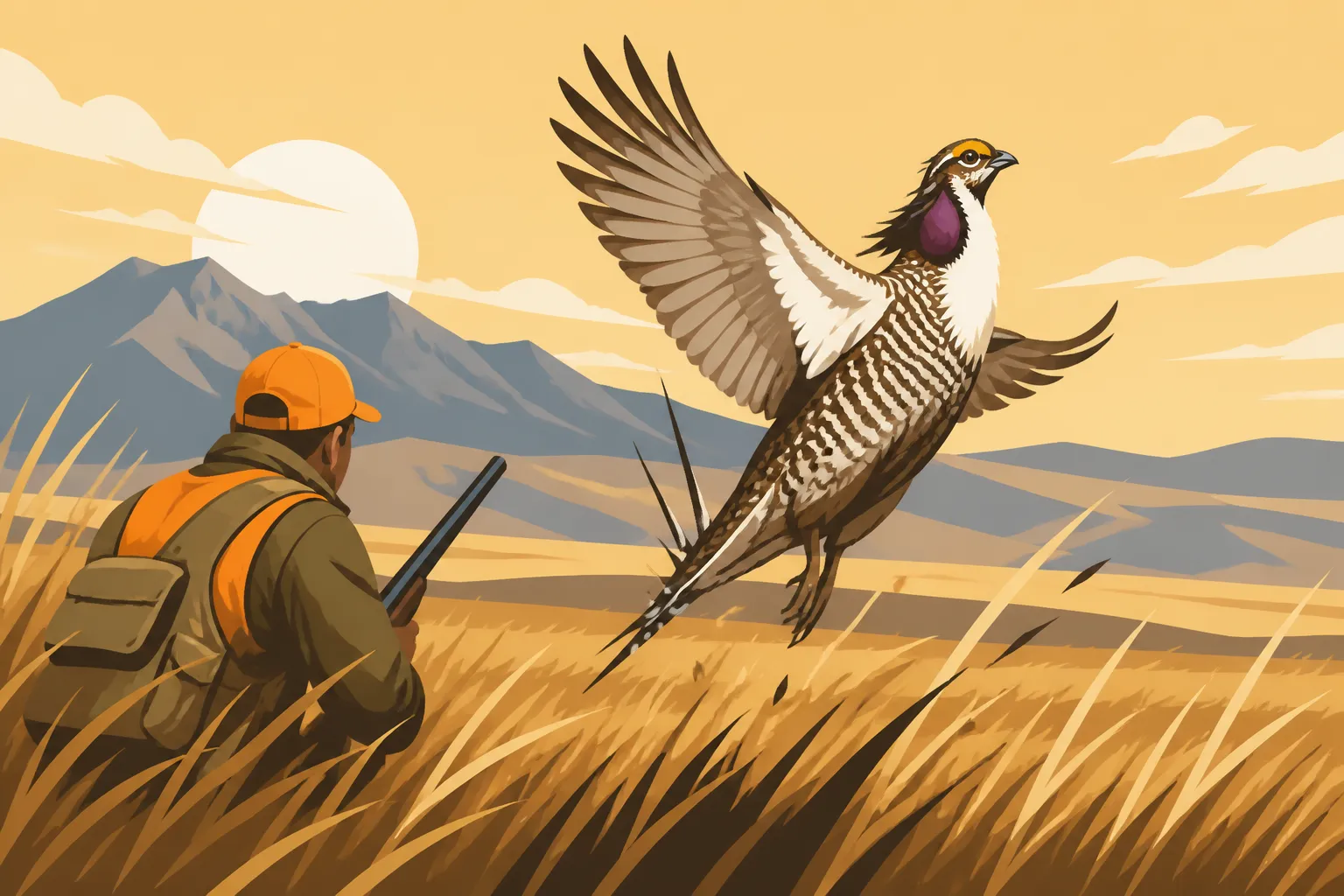
When a sharptail flushes, the sudden explosion can be startling, but take a deep breath and acquire your target smoothly. Sharptails typically flush with a strong, rapid wing beat, often gaining altitude quickly and flying in a relatively straight line for a short distance before banking. For most flushed birds, especially those within 20-30 yards, a quick, fluid mount and swing are essential. Aim for the lead edge of the bird, swinging through its flight path. Avoid the common mistake of stopping your swing; keep that muzzle moving.
Ethical hunting demands that you only take shots that offer a high probability of a clean kill. Avoid "hail Mary" shots at birds that are too far away, as this often leads to wounded birds that are difficult to recover. A general rule of thumb is to limit your shots to within 35-40 yards with appropriate chokes and shot sizes. If a bird flushes too close, allowing it to gain a little distance can actually improve your chances of a clean shot and reduce meat damage. Always be aware of your surroundings, ensuring a safe shooting lane and identifying any potential hazards or other hunters in the area. Reviewing Alberta Hunter Education and Conservation Course principles can reinforce these safety measures.
Working Singles and Tracking Cripples
It’s rare for a sharp-tailed grouse to flush as a single bird; more often, they are found in coveys or small groups. When a covey flushes, try to pick out a single bird and focus on it. After the initial volley, mark where the covey landed as best you can. Sharptails often fly a few hundred yards and re-land as singles or in smaller groups. This presents an excellent opportunity to work the area where they settled, specifically targeting those scattered singles. Single birds tend to hold tighter than a full covey, making them easier to approach and providing a more deliberate shot.
Unfortunately, even with the best intentions, a bird can sometimes be wounded rather than cleanly killed. Tracking a crippled bird is an ethical obligation and a critical part of being a responsible hunter. Mark the exact spot where the bird went down or where you last saw it. If you have a dog, it will be invaluable here; let it work the area thoroughly. Without a dog, expand your search in concentric circles from the last known location. Look for any disturbed grass, feathers, or drops of blood. Sharptails can run surprisingly fast, even when injured, so extend your search well beyond the immediate area. Be persistent; a few extra minutes of diligent searching can be the difference between a lost bird and a recovered meal.
Post-Hunt Care and Regulations
Your hunting responsibilities don't end with a successful shot. Proper post-hunt care ensures the quality of your harvest, and adhering to Alberta's regulations is crucial for the sustainability of this wonderful resource.
Field Dressing and Meat Care
Once a sharp-tailed grouse is retrieved, prompt field dressing is essential, especially on warmer days, to cool the meat down and prevent spoilage. You can either breast out the bird or eviscerate it whole. To breast out, simply pluck the breast feathers and remove the breast meat with a sharp knife. This is often the quickest method and reduces the weight you have to carry. If you prefer to keep the bird whole, carefully make a small incision near the vent and remove the entrails. Be sure to remove any shot pellets that are easily accessible.
After field dressing, get the birds cooled as quickly as possible. A game vest with a breathable game bag or a cooler with ice (ensuring the birds don't sit directly in melted water) is ideal. Once home, clean the birds thoroughly. For more detailed advice on handling game meat in varying conditions, our guide on Meat Care in Alberta's Cold and Warm Swings provides excellent tips. Sharp-tailed grouse meat is lean and flavourful, excellent roasted, pan-fried, or in stews. Remember to store your birds properly in the refrigerator or freezer.
Alberta's Sharptail Regulations and Limits
Before heading out, it is absolutely paramount to consult the most current Alberta Guide to Hunting Regulations. Regulations can change annually, and it is your responsibility to know and follow them. This includes understanding the specific season dates for sharp-tailed grouse in your chosen Wildlife Management Unit (WMU), the daily bag limit, and the possession limit. These limits are in place to manage game populations sustainably and ensure hunting opportunities for future generations. Our comprehensive guide on Alberta Game Bird Seasons and Limits is a great resource to get started.
You'll need an Alberta Wildlife Identification Number (WIN) Card and an Alberta Wildlife Certificate, along with the appropriate Game Bird Licence. If hunting on private land, ensure you have explicit permission from the landowner. Trespassing is a serious offense and can jeopardize hunting access for everyone. While sharptails don't require non-toxic shot like waterfowl, always double-check the regulations for any specific areas you might be hunting, as some protected zones may have different rules. Respecting these rules not only keeps you legal but also ensures a positive reputation for hunters in Alberta. For more general information on landowner access, check out Getting Permission for a Goose Field, which provides applicable advice for all upland birds.
Disclaimer
The information provided in this guide is for general informational purposes only and is not a substitute for the official Alberta hunting regulations. Hunters are responsible for consulting the current Alberta Guide to Hunting Regulations and all applicable federal and provincial laws before hunting. Wildlife management unit boundaries, season dates, bag limits, and other regulations are subject to change. Always prioritize safety, ethical hunting practices, and respect for wildlife and landowners.