Hunting Alberta With a Hunter Host
For many non-resident hunters, the dream of pursuing big game or waterfowl in Alberta often feels just out of reach due to the complexities of regulations and the significant cost of fully outfitted trips. It’s a common frustration to see incredible hunting opportunities yet feel blocked by the system. This guide is here to shed light on a fantastic, often more accessible alternative: hunting Alberta with a hunter host, providing you with all the details you need to understand, plan, and execute such a memorable adventure.
Understanding Alberta's Hunter Host System
Navigating the hunting regulations in a new province, especially as a non-resident, can be incredibly daunting. Many hunters from outside Alberta are surprised to learn that they can’t just buy a license and head out on their own for big game like deer, moose, or elk. That’s where the hunter host system comes into play – a unique and incredibly valuable aspect of Alberta's hunting framework that fosters connection and allows for more accessible hunting experiences.
What Exactly is a Hunter Host?
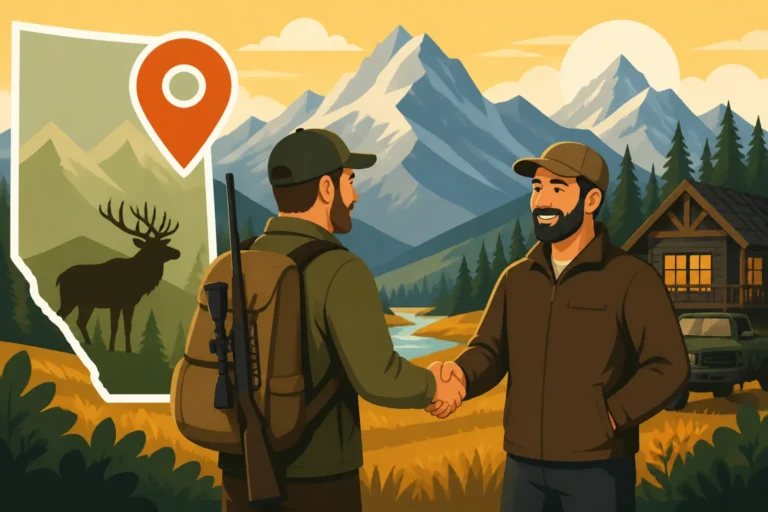
At its heart, a hunter host is an Alberta resident who is legally allowed to host eligible non-resident hunters for specific big game species. Think of them as your personal, local connection to the land and the hunting traditions here. Unlike a fully licensed outfitter or guide who charges commercial fees and offers a comprehensive package, a hunter host is essentially sharing their passion and local knowledge with friends or family from out of province. The system is designed to facilitate ethical hunting opportunities while maintaining strong ties within the hunting community. It’s not a commercial venture; rather, it’s about sharing the experience.
The concept is rooted in the idea of providing access to those who don’t live here, but through a direct relationship with someone who does. This ensures that non-residents are hunting under the guidance and local expertise of someone familiar with Alberta's specific regulations, wildlife management units (WMUs), and hunting ethics. It's a structured way to allow visitors to participate in big game hunting without the full commercial infrastructure of a guided hunt. The legal basis for this system is clearly laid out in Alberta's Wildlife Act and its associated regulations, which define who can be a host and what their responsibilities entail.
Who Can Be a Hunter Host?
Being a hunter host isn't just about being an Alberta resident with a hunting license; there are specific criteria they must meet. Critically, a hunter host must be an actual Alberta resident, typically defined by having lived in the province for at least six consecutive months. They must possess a valid Alberta's WIN Card and Wildlife Certificate, which are essential for any hunter in the province. Beyond these basic requirements, the relationship between the host and the non-resident hunter is paramount. The system is intended for hosting a close relative (parent, child, sibling, grandparent, grandchild) or a long-standing personal friend. It's not meant for strangers to connect purely for commercial gain, as that falls under the purview of a licensed outfitter.
Furthermore, a hunter host cannot receive any compensation, direct or indirect, for their services in hosting a non-resident hunter for big game. This is a crucial distinction that separates them from commercial outfitters. They can, however, share expenses related to the hunt, such as fuel, food, and accommodation. This framework helps ensure the spirit of shared experience remains at the core of the hunter host system. The host acts as a mentor, a local expert, and a companion, guiding their non-resident guest through the nuances of an Alberta hunt, from understanding local game movements to interpreting regulations.
The Legal Framework for Hunter Hosts
Alberta’s hunting regulations are quite explicit when it comes to the hunter host system, designed to prevent abuse and maintain the integrity of commercial guiding operations. For a big game species, a non-resident hunter must be accompanied by either a licensed outfitter or a designated hunter host. This isn't optional. The host must physically accompany the non-resident hunter while hunting big game, remaining in sight and within normal voice contact. This isn't just about showing them where to go; it's about being present and directly involved in the hunt.
The hunter host is legally responsible for ensuring the non-resident hunter complies with all Alberta hunting regulations, including season dates, bag limits, and ethical hunting practices. They also play a vital role in ensuring the non-resident has the correct Alberta Non-Resident Licence Options and any required special licenses for specific species or WMUs. The non-resident hunter cannot hunt big game without the host present, adding a layer of accountability and guidance that is fundamental to the system. This detailed oversight is a cornerstone of the system, promoting safety, compliance, and responsible hunting for everyone involved.
The Benefits of Hunting with a Hunter Host
Choosing to hunt with a hunter host in Alberta offers a truly unique and enriching experience that goes far beyond just the act of hunting. It opens doors to local insights, provides a more budget-friendly approach, and fosters connections that can last a lifetime. For many non-residents, it’s the bridge between dreaming of an Alberta hunt and making it a reality.
Accessing Alberta's Rich Hunting Opportunities
Alberta boasts an incredible diversity of big game species and varied landscapes, from the vast prairies to the dense boreal forest and majestic Rocky Mountain foothills. Hunting with a hunter host gives you unparalleled access to this richness. Your host, being a local resident, likely has years, if not decades, of experience hunting in specific areas. They know the terrain, the seasonal movements of game, and often have established relationships with landowners, which can be invaluable for Getting Private Land Permission in Alberta. This local knowledge is something money often can't buy, and it significantly increases your chances of a successful and meaningful hunt.
Imagine having a friend who knows precisely where the whitetails shelter in a deep snow year, or which coulees the mule deer prefer after a fresh snowfall. They understand the intricacies of particular WMUs, from population densities to hunting pressure. This isn't just about knowing where to hunt, but how to hunt effectively in that specific environment. Whether you're targeting a trophy whitetail, a prairie mule deer, or calling a bull moose in the boreal, a host’s intimate understanding of the landscape and the animals can make all the difference. Their insights into general season dates and draw-only areas, like those for Hunting Alberta's Pronghorn Draw or Hunting Alberta's Draw-Only Species, can guide you to the best opportunities.
Cost-Effectiveness Compared to Guided Hunts
One of the most appealing aspects of the hunter host system for many non-residents is the significant cost savings compared to booking a fully guided hunt with a commercial outfitter. While guided hunts offer a fantastic service and convenience, their price tag can be prohibitive for some. With a hunter host, you’re not paying for the commercial service, only your own licenses and a share of the direct expenses.
Let's break it down: a non-resident will still need to purchase a Wildlife Certificate, their big game licence (e.g., Alberta Resident Deer Licence Cost for a non-resident, which will be higher than resident fees), and any specific draw tags they might secure. These are mandatory regardless of whether you’re hunting with a host or an outfitter. However, you avoid the hefty outfitter fees that cover their services, camp, food, guides' wages, and allocation costs. Instead, you and your host can split costs like fuel for the truck, groceries for camp, and perhaps a portion of accommodation if you stay in a cabin or hotel. This means your total trip cost can be substantially lower, making that dream hunt much more attainable without compromising on the quality of the hunting experience itself.
An Authentic Alberta Hunting Experience
Beyond the practical benefits, hunting with a hunter host offers an authentic, immersive Alberta hunting experience. This isn't a standardized package; it's a personalized adventure crafted by a local. You'll likely be hunting in areas they know intimately, perhaps even places they've hunted since childhood. This often means staying in a more rustic camp, cooking meals together, and sharing stories around a campfire, creating genuine camaraderie and memories.
You'll gain insights into local culture, conservation efforts, and the specific challenges and rewards of hunting in Alberta. It's a chance to learn skills, understand local wildlife patterns, and appreciate the land through the eyes of someone who calls it home. This deeper connection often leads to lifelong friendships and invitations for future hunts. It’s about being a part of their hunting tradition, experiencing the province not just as a visitor, but as a temporary local. This kind of experience is often what hunters truly seek – a genuine connection to the land, the sport, and the people.
Key Differences: Hunter Host vs. Licensed Outfitter
While both hunter hosts and licensed outfitters enable non-residents to hunt big game in Alberta, understanding the fundamental differences is crucial for making an informed decision about your hunt. These distinctions impact everything from the services provided to the legal responsibilities and, of course, the financial investment required.
Scope of Services and Support
The most significant difference lies in the scope of services. A licensed outfitter provides a comprehensive, all-inclusive hunting package. This typically includes guides, accommodation (lodge, wall tents, etc.), all meals, transportation during the hunt (from airport pick-up to field transport), field dressing and basic meat care, and often trophy preparation. They handle all the logistics, from securing the necessary licences and tags (often through their allocations) to organizing all aspects of the daily hunt. For non-resident alien hunters, an outfitter is mandatory for certain big game species unless they have a designated Alberta Non-Resident Alien Licence Rules under the hunter host system for close relatives.
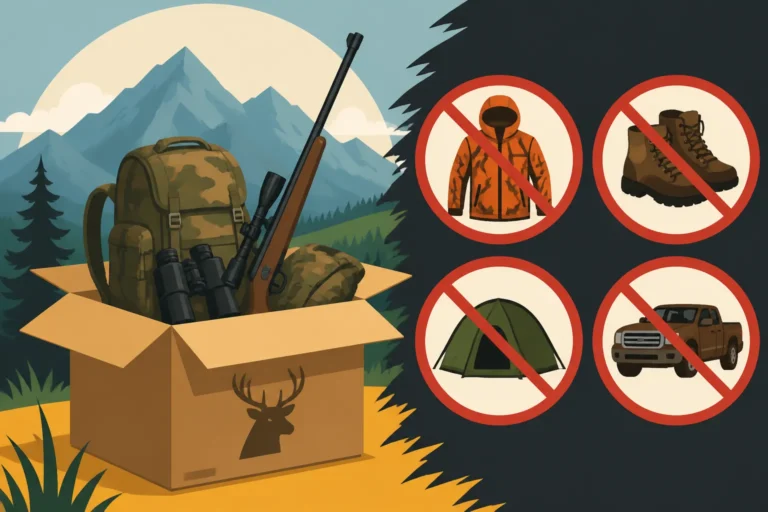
In contrast, a hunter host provides a more hands-on, collaborative experience. They are there to accompany you and guide you, sharing their knowledge and access. However, they are not obligated to provide meals, accommodation, transportation beyond the direct hunting activity, or extensive post-harvest services like butchering or taxidermy. These aspects become shared responsibilities or are arranged independently by the non-resident. You might bring your own tent and sleeping bag, contribute to groceries, and share the driving. It's a partnership, not a paid service. The host is there to facilitate the hunt, not to cater to every need.
Legal Obligations and Accountability
The legal obligations for outfitters are extensive. They operate under a commercial licence issued by the province, have specific allocations for non-resident tags, and are subject to regular inspections and oversight. They are legally accountable for the entire hunting operation, including the conduct of their guides and the safety of their clients. Outfitters typically carry liability insurance to cover incidents during the hunt. This professional accountability is part of what you pay for when booking a guided trip.
For a hunter host, the legal obligations are more focused on direct supervision and regulatory compliance. The host must be physically present and actively participating in the hunt with the non-resident. They are responsible for ensuring their guest adheres to all hunting laws. However, a hunter host is not a commercial entity, and thus, they do not carry the same legal liabilities or commercial responsibilities as an outfitter. There's no expectation of professional guiding services, no commercial contract, and no financial transaction for their hosting role. This places a greater onus on the non-resident to understand that they are hunting with a private individual who is not offering a paid service.
Costs and Investment
The financial commitment is perhaps the most obvious differentiator. Guided hunts with a reputable Alberta outfitter typically range from several thousand dollars to tens of thousands, depending on the species, duration, and level of luxury. These costs cover the entire package of services, the outfitter's experience, their equipment, and their allocated tags. You can find out more about the range of costs in articles like What an Alberta Guided Moose Hunt Runs or What a Bighorn Sheep Hunt Costs.
A hunter host hunt, on the other hand, is significantly less expensive. The non-resident pays for their own licences and tags (which are the same price as if hunting with an outfitter), their personal travel to Alberta, and their share of direct hunting expenses. This could include fuel, shared groceries, and possibly a portion of basic accommodation if you're not camping. There is no "guide fee" or "host fee" as such, as charging for services is strictly prohibited for a hunter host. This makes it a much more accessible option for hunters who have a pre-existing relationship with an Alberta resident and are looking to manage their budget while still experiencing world-class hunting.
Finding and Vetting a Reliable Hunter Host
The hunter host system relies entirely on established relationships. You can't just pick a name out of a hat or scroll through a list of "available hosts." The critical component is trust and a genuine connection. This makes finding a hunter host a very different process than booking with a commercial outfitter.
Networking and Word-of-Mouth
Since a hunter host cannot be compensated and must be a close friend or relative, finding one primarily happens through your existing network. Think about your family members who live in Alberta. Do you have cousins, aunts, uncles, or even close friends who have relocated there? Reach out to them. Beyond direct family, consider your broader social circle. Perhaps a hunting buddy of yours has a relative in Alberta, or you know someone through a hunting club or conservation organization who has connections there. This is where the power of community really comes into play.
Participating in online forums for hunting in Canada or specific Facebook groups dedicated to Alberta hunting can also be a way to connect, but you must be very careful. While you cannot solicit a paid host, you might find people willing to share their general experiences, and sometimes, those connections can organically lead to meeting someone who genuinely becomes a friend over time. This slow-burn approach is often more successful than an immediate search for a host. The relationship has to be authentic and pre-exist the hunting trip itself, otherwise, it risks crossing into the territory of an illegal commercial operation.
What to Discuss Before Committing
Once you've identified a potential hunter host, a frank and detailed conversation is absolutely essential. This isn't just a friendly chat; it's about setting clear expectations to avoid misunderstandings down the road. Discuss the species you're interested in hunting and ensure your host is comfortable and experienced in pursuing that game. For instance, if you're keen on Mule Deer Hunting Alberta's Prairie and Badlands, make sure they regularly hunt those areas and species.
You'll also need to cover logistics:
- Time Commitment: How many days can they realistically commit to the hunt? Can they take time off work?
- Expenses: Establish upfront how shared costs like fuel, food, and lodging will be handled. Transparency here prevents awkward situations later.
- Accommodation: Will you be camping, staying at their home, or renting a cabin? What are the expectations for contributing to chores or cooking?
- Gear: What gear do you need to bring, and what can the host provide? For example, do they have a quad, a game cart, or extra camping equipment?
- Hunting Style: Discuss preferred hunting methods – still-hunting, stand hunting, spot-and-stalk – to ensure you're on the same page.
- Expectations for Success: Emphasize that success is never guaranteed. Manage expectations around harvesting an animal and focus on the experience itself.
- Rules and Regulations: Review Rules for Non-Residents Hunting Alberta together to ensure you both understand the legal requirements.
- Communication: How will you communicate before and during the hunt, especially if you're in an area with limited cell service? A good satellite messenger might be a consideration.
Platforms like BookYourHunt or GoHunt are excellent resources for exploring guided hunt options and understanding what commercial operations typically offer, which can help you frame your discussions with a potential host. While not for finding hosts directly, they provide benchmarks for expectations and logistics.
Red Flags and How to Avoid Them
The hunter host system, while beneficial, can be vulnerable to misuse, which is why it's crucial to be aware of potential red flags. The biggest one is any suggestion or demand for payment for their hosting services beyond shared, direct expenses. If someone implies a "fee," "donation," or "finder's fee" for their time or knowledge, this crosses the line into commercial guiding and is illegal for a hunter host. Avoid any situation where money changes hands for the service of hosting.
Another red flag is a host who seems overly eager to take you out without a pre-existing, genuine relationship. The system is predicated on friendship or family ties. If someone you barely know suddenly offers to be your host, exercise caution. Similarly, if they seem vague about regulations, unwilling to discuss details, or push to circumvent established rules, it's a major warning sign. Always remember that both you and your host are legally accountable. You should be proactive in understanding Alberta Hunter Education Requirements and ensure your host is fully compliant with all provincial regulations. Trust your gut; if something feels off, it probably is. The integrity of the hunt and your relationship with the host depend on mutual respect and strict adherence to the law.
Planning Your Hunter Host Hunt in Alberta
Once you've secured a reliable hunter host, the real fun begins: planning the actual hunt! This stage involves a lot of coordination, paperwork, and preparation to ensure everything runs smoothly from start to finish.
Licenses, Tags, and Paperwork
This is arguably the most critical step. As a non-resident, you'll need to obtain several key documents. First, an Alberta's WIN Card and Wildlife Certificate is mandatory for all hunters in Alberta, residents and non-residents alike. Your WIN card is your identification number, and the Wildlife Certificate is your basic hunting authorization. These can often be purchased online through the AlbertaRELM system.
Next, you'll need the specific big game licence for the species you intend to hunt (e.g., deer, moose, elk). For many species, these are general licences that can be purchased over the counter. However, for some highly sought-after species or specific WMUs, you might need to apply for a special licence through Alberta's draw system. Your hunter host will be invaluable here, as they can advise you on Alberta's Special Licence Draws, Alberta Draw Deadlines and Result Dates, and which WMUs offer the best chances for your desired species. Remember that draw applications usually happen much earlier in the year than the actual hunting season, so planning ahead is crucial. Ensure you understand Alberta Tag Attachment and Cancellation Rules to properly validate your tag upon harvest.
Finally, if you're bringing a firearm from outside Canada, you'll need to complete a Non-Resident Firearm Declaration Form (The Non-Resident Firearm Declaration Form) at your port of entry. This form acts as a temporary registration for your firearm in Canada. Your host can't do this for you, so ensure you understand Transporting Firearms Into Alberta well in advance.
Gear, Logistics, and Travel Considerations
Hunting in Alberta can involve diverse terrain and weather conditions, so proper gear is essential. Work closely with your host to compile a comprehensive packing list. Consider the time of year: early archery seasons in September will require vastly different gear than a late-season rifle hunt in November, especially if you're hunting in deep cold. Layering is key, as temperatures can fluctuate wildly, even within a single day. Think about your footwear – sturdy, waterproof boots are a must for any Alberta environment, whether you're walking up grouse or stalking mule deer in the badlands.
Logistically, discuss transportation. How will you get to the hunting area? Will you be carpooling with your host in their vehicle, or will you need your own rental? For those flying into Calgary or Edmonton, factor in the time and cost of travel to the hunting grounds, which could be several hours' drive. If you're bringing a firearm, familiarize yourself with airline regulations for Flying to Alberta With a Rifle. For a longer journey, consider how you'll handle meat care in varying temperatures, particularly if you're hunting during warm spells. Meat Care in Alberta's Cold and Warm Swings is a vital consideration.
| Item Type | Considerations for Hunter Host Hunt |
|---|---|
| Licenses | WIN Card, Wildlife Certificate, Specific Big Game Licence, Federal Migratory Bird Permit (if applicable), Draw tags (if applicable) |
| Firearms | Legal calibre for big game, Non-Resident Firearm Declaration (if crossing border), appropriate ammunition |
| Optics | Binoculars (10×42 or 12×50 recommended), Spotting Scope (for open country), Rangefinder |
| Clothing | Layering system, waterproof/windproof outer shell, insulated layers, blaze orange (mandatory for rifle season), sturdy boots |
| Navigation | GPS device, offline maps (e.g., onX Hunt), compass, physical map |
| Survival | First-aid kit, emergency shelter, fire starter, knife, headlamp, water filter/purifier, satellite communication device |
| Processing | Sharp knives, game bags, gloves, cooler, rope/hoist (for field dressing) |
| Accommodation | Tent, sleeping bag, cooking gear (if camping), personal toiletries, towel |
| Documentation | Passport, travel insurance, hunting licences, firearm declaration form, contact info |
Setting Realistic Expectations
Hunting, especially for big game, involves many variables beyond our control. Weather, animal movements, and pure luck all play a significant role. It's crucial to approach a hunter host hunt with realistic expectations. The goal should be the experience itself – the camaraderie, the time spent in Alberta's wild landscapes, the challenge of the chase – rather than solely focused on harvesting an animal. Your host is providing their time and knowledge, not a guarantee of success. Success Rates on Alberta Whitetail Hunts can vary wildly depending on the WMU, weather, and hunter skill.
Be prepared for long hours, potential discomfort, and the possibility of coming home empty-handed. This mindset ensures that even if you don't fill your tag, you'll still have a memorable and rewarding trip. The true value of a hunter host hunt often lies in the shared adventure and the stories you'll tell, regardless of what's in the freezer.
During and After Your Hunter Host Hunt
The hunt itself is only part of the adventure. What you do during and after—from respecting the land and your host to properly caring for your harvest—defines the overall experience and sets the stage for future opportunities.
Respecting the Host, Land, and Wildlife
The relationship with your hunter host is paramount. Show appreciation for their time, effort, and generosity. This means being punctual, carrying your weight with camp chores, actively participating in decision-making, and being a good sport regardless of the conditions or outcomes. Remember, they are taking time out of their lives to share this experience with you, without commercial compensation. A genuine "thank you" goes a long way, and contributing more than your share of expenses or offering a small, non-monetary gift (like a nice bottle of spirits or gear for their own hunting) can reinforce that gratitude.
Equally important is respecting the land and its wildlife. This means strictly adhering to ethical hunting practices, such as ensuring clean kills, only taking legal animals, and following all game laws to the letter. Alberta Blaze Orange and Safety Rules are not suggestions; they are requirements designed to keep everyone safe. Always obtain proper Alberta Landowner Permission Law before stepping onto private land, and leave no trace behind – pack out everything you pack in. Be mindful of your impact on the environment and the local community. This responsible behavior reflects not only on you but also on your host and the entire hunting community.
Processing and Transporting Your Harvest
Should you be fortunate enough to harvest an animal, the work isn't over. Proper field dressing and meat care are crucial, especially if you're in a remote area or temperatures are fluctuating. Your host will likely have extensive experience with this, but it's important to be an active participant. Learn how to field dress efficiently and cool the meat quickly. Articles like Field Dressing in Alberta's Deep Cold or Hanging Meat in Fall Temperature Swings can provide useful tips.
Alberta has mandatory Chronic Wasting Disease (CWD) testing requirements for certain species in specific WMUs. Your host will know if your harvest falls into one of these categories. Make sure you understand Alberta's Mandatory CWD Submission WMUs and how to properly submit samples. For transportation, you'll need to ensure your meat is properly packaged and labelled for travel back home. If you're crossing an international border, there are specific rules about Taking Meat and Antlers Home Across the Border. Work with your host to locate local meat processors or cold storage facilities if needed. Remember, proper care of your harvest ensures the meat is delicious and that you comply with all regulations.
Building Lasting Relationships
The beauty of the hunter host system is its potential to forge enduring friendships. Many non-residents return year after year to hunt with the same host, deepening their bond and creating a shared history of adventures. A successful hunt, regardless of whether a trophy was taken, strengthens these relationships. Sharing stories, learning from each other, and overcoming challenges together are the foundations of these connections.
Consider sending your host photos of your processed meat or mounted trophy once you're back home. Stay in touch throughout the year, not just when you're planning your next hunt. This reciprocity shows your genuine appreciation and helps build a relationship that extends beyond the hunting season. These lasting connections are truly priceless and epitomize the spirit of the hunter host system – a network of passionate individuals sharing their love for hunting and the great outdoors of Alberta.
Frequently Asked Questions About Hunter Hosts
Even with a comprehensive understanding, some common questions often arise when considering a hunt with an Alberta hunter host. Let's address some of the most frequent ones to clarify any lingering doubts.
Can a Hunter Host Charge Money?
This is one of the most critical points to understand: No, an Alberta hunter host cannot legally charge money, directly or indirectly, for their services. The hunter host system is explicitly designed for non-commercial purposes, built on relationships of friendship or family. Any financial transaction for hosting services crosses the line into commercial outfitting, which requires a specific license and different regulations.
Your host is allowed to share direct expenses related to the hunt. This means you can contribute your fair share to costs like gasoline for the hunting vehicle, groceries for camp meals, and shared accommodation if you're staying in a rented cabin or hotel. You are also responsible for your own personal expenses, such as your travel to Alberta, your licenses, tags, and personal gear. But paying a "guide fee," a "daily rate," or any form of compensation for their time or expertise is strictly prohibited and can lead to severe penalties for both the non-resident and the host. The integrity of the system relies on this non-commercial nature.
How Many Non-Residents Can One Host Take?
Alberta regulations are clear about party sizes when hunting with a hunter host. Generally, a hunter host can host a maximum of two non-resident big game hunters at any given time for big game. This ensures that the host can effectively supervise and guide their guests, maintaining safety and compliance with all regulations. This limit prevents a single individual from operating as an unofficial outfitter by taking numerous clients.
For other types of hunting, such as migratory birds or upland game birds, the rules might be slightly different and more flexible, as non-residents often don't require a host for these species in the same way they do for big game. Always consult the current Alberta hunting regulations for the specific species and season you are interested in. Your host should be well-versed in these rules and can confirm the exact party limits for your intended hunt.
What if I Don't Harvest Anything?
Hunting, by its very nature, never guarantees a harvest. There are countless variables at play: weather conditions, animal movements, hunting pressure, and, of course, a good dose of luck. If you hunt with a hunter host and don't manage to fill your tag, it's important to remember that this is a completely normal outcome in hunting. It's not a reflection of your host's ability or your own, but simply part of the challenge and reward of the pursuit.
The primary focus of a hunter host hunt should be on the experience itself: the camaraderie, learning about Alberta's wildlife and landscapes, and the challenge of the chase. You'll still have spent valuable time outdoors, learned new skills, and potentially forged a lasting friendship. Remember that your host is providing their time and knowledge as a friend or family member, not as a paid professional who promises a successful harvest. Embrace the journey, celebrate the small victories, and cherish the memories made, regardless of whether you bring home meat or a trophy. The stories and experiences gained are often far more valuable than the game itself.
Disclaimer
This article is for general informational purposes only and does not constitute professional advice. Laws, prices and regulations vary by location and change over time. Consult a qualified professional for guidance on your specific situation.