Hunting Guides and Outfitters in Alberta
Heading out for an Alberta hunt, especially if you're unfamiliar with its vast landscapes, diverse species, or specific regulations, can feel like a monumental task. The sheer volume of planning, from understanding licence requirements to knowing where and how to find game, often leaves many hunters feeling overwhelmed. This comprehensive guide will walk you through everything you need to know about hunting guides and outfitters in Alberta, helping you understand their value, choose the right one, and prepare for an unforgettable adventure in this wild province.
Why Consider an Outfitter or Guide for Your Alberta Hunt?
For many, the idea of hiring an outfitter or guide for a hunting trip might feel like an extravagance, or perhaps even a sign of being less capable in the bush. But in a place like Alberta, with its incredible hunting opportunities and equally complex rules and landscapes, a good guide can be the difference between a frustrating trip and a truly successful, memorable experience. It’s not just about finding game; it’s about navigating an unfamiliar world with expertise on your side.
Navigating Alberta's Complex Regulations and Zones
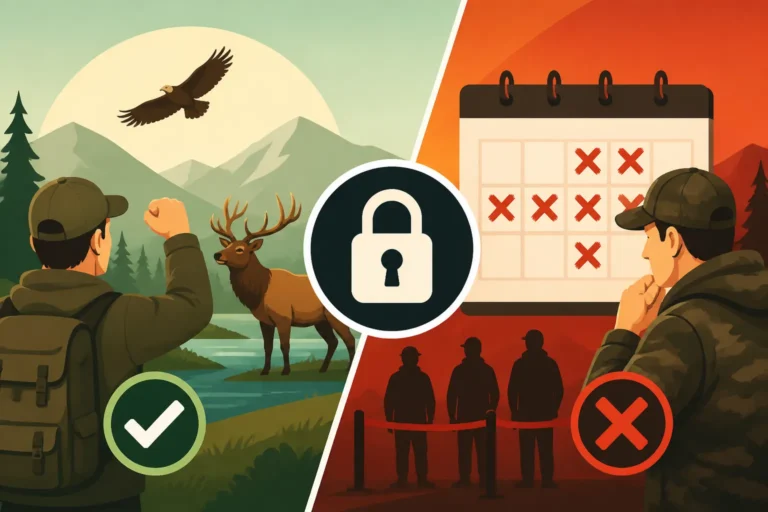
Alberta's hunting regulations are extensive and can be quite nuanced. We're talking about specific season dates that vary by Wildlife Management Unit (WMU) and even by species, draw-only opportunities versus general tags, and particular rules for things like blaze orange requirements or legal weapon types. For a resident hunter, keeping up can be a challenge; for someone coming from out of province or even out of country, it can feel like trying to solve a puzzle with half the pieces missing. A seasoned Alberta guide lives and breathes these regulations. They know the ins and outs of Alberta's Wildlife Management Units, understand the specific conditions that apply to Alberta's Special Licence Draws, and can ensure you're always hunting legally and ethically. They're your walking, talking regulation book, saving you hours of research and preventing potential missteps that could jeopardize your hunt or even lead to fines.
Maximizing Your Success in Unfamiliar Territory
Picture this: you've finally drawn that coveted moose tag or saved up for a dream whitetail hunt. You arrive in a new area, maybe a vast expanse of boreal forest or sprawling prairie coulees, and you're suddenly faced with thousands of acres of unfamiliar terrain. Where do you even begin? That's where an outfitter truly shines. They've spent countless hours scouting, learning animal patterns, understanding how weather affects movement, and identifying key bedding areas, feeding grounds, and travel corridors. Whether you're after Whitetail Hunting in Alberta in the aspen parkland or trying to locate Mule Deer Hunting Alberta's Prairie and Badlands, their intimate knowledge of the area and the animals living there drastically increases your chances of success. They know where to set up for a morning ambush, how to execute a silent stalk, or when and where to call effectively. This isn't just about showing you an animal; it's about sharing years of hard-won experience.
Overcoming Access Challenges on Private and Public Land
Alberta offers a mix of public and private hunting lands, and knowing where you can legally hunt, and more importantly, how to access it, is a huge hurdle for many. While there's plenty of Hunting Alberta's Crown Land, specific rules often govern vehicle access or even camping. Then there's private land, which often holds some of the best hunting opportunities, particularly for deer and waterfowl. Gaining permission from landowners can be a time-consuming and sometimes frustrating process, requiring knocking on doors and building relationships. Outfitters often have long-standing relationships with local landowners, securing access to prime private parcels that would otherwise be off-limits. They've put in the legwork for years, and that access becomes part of the value they offer, allowing you to focus on the hunt itself rather than worrying about trespass laws or deciphering obscure land ownership maps.
Understanding Alberta's Outfitter System and Regulations
Alberta's approach to outfitting is structured to ensure quality hunting experiences while managing wildlife resources responsibly. For non-resident hunters, understanding this framework isn't just helpful; it's absolutely essential, as specific rules dictate how you can hunt within the province. This system is designed to provide guided opportunities, especially for those who don't call Alberta home.
The Role of Outfitters for Non-Resident Hunters
If you're a non-resident of Alberta, whether you're coming from another Canadian province or an international destination, the rules state that you must hunt with a licensed Alberta outfitter or be accompanied by an eligible Alberta resident Hunter Host. This is a critical piece of legislation, designed to ensure that hunters unfamiliar with Alberta's specific conditions, wildlife, and regulatory environment have expert guidance. An outfitter acts as your primary contact, responsible for planning your hunt, securing your tags (often through their allocations), providing accommodation and food, guiding you in the field, and assisting with all the logistics from arrival to departure. Their role is comprehensive, aiming to provide a seamless and legal hunting experience. Without this guidance or a Hunter Host, non-residents simply aren't permitted to hunt big game in Alberta. Rules for Non-Residents Hunting Alberta covers these requirements in detail.
Alberta's Outfitter Allocation System Explained
Alberta manages its hunting opportunities for outfitters through an allocation system. This means that a certain number of tags for specific species in particular WMUs are allocated directly to licensed outfitters each year. These allocations are distinct from the draw system that residents participate in. For example, an outfitter might receive an allocation for X number of antlered moose tags in WMU Y, or Z number of black bear tags in WMU A. This system ensures that non-resident hunters have opportunities to pursue desired species without directly competing with resident draw applicants for the same tags. It also allows outfitters to guarantee certain hunts to their clients, simplifying the planning process immensely. While it limits the total number of non-resident hunts, it provides a clear pathway for those looking to experience Alberta's world-class hunting with professional guidance.
Class S and Class T Permits: What They Mean
Alberta outfitters operate under different classes of permits, primarily Class S and Class T. Understanding the distinction is important, especially if you're looking for specific types of hunting experiences.
- Class S (Special) Permits: These permits are generally associated with highly managed species and areas, often in more remote or challenging terrain like the mountains for bighorn sheep or mountain goat, or specific moose and elk draws in certain WMUs. Outfitters holding Class S permits have allocations for these species, which are typically harder to obtain and often involve specialized hunts. These hunts tend to be more physically demanding, expensive, and are often geared towards trophy animals.
- Class T (General) Permits: These permits cover the more common, general licence species, such as deer (whitetail and mule deer), black bear, and sometimes general season elk or moose in areas where they aren't draw-only for non-residents. Outfitters with Class T permits cater to a broader range of hunters and experiences, offering hunts that might be less physically demanding or more accessible.
The type of permit an outfitter holds dictates the species and areas they are legally allowed to guide in. When you're researching potential outfitters, it's wise to ask about their permits and allocations to ensure they can offer the specific hunt you're looking for. This differentiation helps maintain order in the outfitting industry and aligns services with specific wildlife management goals.
The Different Types of Guided Hunts Available in Alberta
Hunting in Alberta is incredibly diverse, and so are the guiding services available. From roughing it in a remote spike camp to enjoying a full-service lodge, there's an experience for nearly every hunter's preference and budget. Understanding these options is key to finding the right fit for your adventure.
Fully Guided vs. Semi-Guided Hunts
The terms "fully guided" and "semi-guided" describe the level of service and involvement you can expect from your outfitter and guides. The distinction is crucial, as it impacts everything from daily logistics to the price tag.
- Fully Guided Hunts: This is the most comprehensive package. With a fully guided hunt, typically everything is taken care of for you from the moment you arrive at the designated meeting point until you depart. This usually includes transportation to and from the hunting area, all meals, comfortable lodging (which could range from a remote wall tent camp to a luxurious lodge), and most importantly, a professional guide accompanying you in the field every day. Your guide will handle the scouting, tracking, calling, and often even the field dressing and meat retrieval. This option is ideal for first-time hunters in Alberta, those seeking a truly immersive experience without the stress of logistics, or hunters pursuing challenging species in demanding terrain. The expertise of a dedicated guide at your side significantly enhances the educational aspect and safety of the hunt.
- Semi-Guided Hunts: A semi-guided hunt offers a middle ground, providing some support while giving hunters more independence. This might mean the outfitter provides the camp, meals, and general orientation to the hunting area, but you and your hunting partners are responsible for your own daily hunting activities. They might show you maps, point out productive areas, and provide transport to a general zone, but they won't be actively guiding you through the bush each day. This option is often more budget-friendly and suits hunters with more experience, who are comfortable navigating and making their own hunting decisions, but still appreciate the logistical support, access, and local knowledge an outfitter provides. It’s a great choice for those who enjoy the thrill of figuring things out for themselves but still want the advantage of pre-scouted land and a comfortable base camp.
Specialized Hunts: Species, Seasons, and Methods
Alberta's vast landscapes support a wide array of game, leading to outfitters specializing in particular species, seasons, or hunting methods. You can find guides dedicated to almost any type of hunt imaginable.
- Species-Specific Hunts: Many outfitters focus on one or two key species where they have exceptional expertise and consistent success. For example, some are renowned for Elk Hunting Alberta's Foothills during the rut, employing bugling and calling tactics. Others might be experts in Moose Hunting Alberta's Boreal Forest, focusing on the dense timber and river systems. You'll find outfitters specializing in Black Bear Hunting in Alberta, particularly for spring baiting, or those who excel at Waterfowl Hunting Alberta's Grain Fields with elaborate decoy spreads. If you have a specific animal in mind, finding a specialist outfitter often yields the best results.
- Season-Specific Hunts: The hunting calendar profoundly impacts strategy. Outfitters offer distinct packages for early archery seasons, like Bowhunting Alberta's Early Archery Seasons, where stealth and woodsmanship are paramount. Others might specialize in Rifle Hunting Alberta's General Seasons during the peak rut, understanding how cold weather and breeding activity influence animal movement. Some even cater to late-season hunts where deep snow can make access challenging but concentrate game in specific areas.
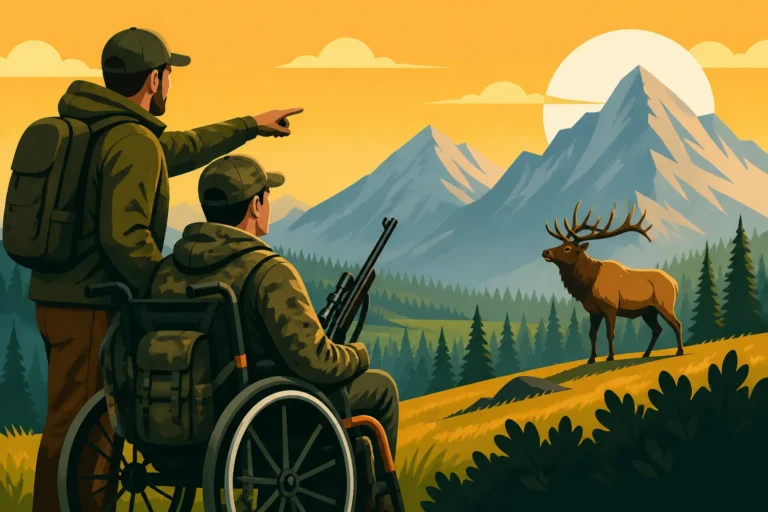
- Method-Specific Hunts: Beyond the species and season, the method of hunting can also define an outfitter's specialty. You might find outfitters who focus solely on spot-and-stalk tactics for Spot-and-Stalk Mule Deer in Alberta on the open prairie, or those who excel at Rattling and Calling Whitetails in Farm Country. Some cater to traditional archery enthusiasts, while others provide accessible opportunities for hunters with limited mobility. When researching, be clear about your preferred hunting style to ensure a good match.
Backcountry Horseback and Fly-In Opportunities
For those seeking a truly wild and remote experience, Alberta offers outfitters specializing in backcountry or fly-in hunts that take you deep into pristine wilderness. These are not for the faint of heart, but they offer unparalleled adventure and access to areas rarely touched by human activity.
- Backcountry Horseback Hunts: In Alberta's rugged foothills and mountains, particularly in areas like the Willmore Wilderness Park or portions of the Bighorn Backcountry, horses are often the only practical way to access prime hunting grounds. Outfitters offering these hunts provide well-trained horses, pack animals, and experienced wranglers. You'll ride into remote camps, often staying in wall tents, and hunt areas far from roads. These hunts are physically demanding, requiring hunters to be in good shape and comfortable on horseback. They offer an authentic Western hunting experience, perfect for pursuing species like bighorn sheep or mountain goat, or even deep-woods elk and moose. The isolation and stunning scenery are often as much a part of the appeal as the hunting itself.
- Fly-In Hunts: In Alberta's vast northern boreal forest, some areas are so remote they are only accessible by float plane or bush plane. Fly-in outfitters will transport you and your gear to a remote lake or airstrip, where a spike camp or cabin awaits. These hunts are typically focused on species like moose or black bear, which thrive in these untouched environments. The advantage is minimal hunting pressure and a true wilderness immersion. However, these hunts come with their own set of challenges, including strict weight limits for gear, reliance on weather for flights, and the need for self-sufficiency once dropped off. While often described as "drop camps," some outfitters do offer fully guided fly-in experiences, providing guides who stay with you throughout the duration of your hunt.
| Type of Hunt | Guide Involvement | Accommodation & Meals | Ideal Hunter Profile | Cost Implication |
|---|---|---|---|---|
| Fully Guided | Guide with hunter daily | Provided (lodge, cabin, wall tent, all meals) | First-timers, seeking max success, less stress, trophy hunters, challenging terrain | Highest |
| Semi-Guided | Guidance, access, camp orientation | Provided (base camp, some meals) | Experienced, self-reliant, budget-conscious, want support without daily guiding | Moderate |
| Drop Camp | Transport to remote site, pick-up | Basic (tent, limited gear); self-sufficient with own food | Highly experienced, wilderness-savvy, strong navigation skills, ultimate independence | Lower |
| Horseback/Fly-In | Guided (often fully), transport by horse/plane | Backcountry (wall tents, spike camps, rustic cabins) | Physically fit, adventure-seeking, remote wilderness desire, unique species | High |
What to Expect From an Alberta Guided Hunt
Booking a guided hunt is an investment, both financially and emotionally. Knowing what to expect can help manage your excitement and prepare you for the realities of the experience. It's not a sterile tour; it's an immersive dive into the Alberta wilderness, guided by professionals.
Typical Camp Life and Accommodations
The type of camp and accommodations you encounter on an Alberta guided hunt can vary widely, directly impacting your comfort and the overall atmosphere of your trip. Don't expect a five-star hotel, but do expect something suited to the environment and the nature of the hunt.
- Lodge or Cabin Hunts: Many outfitters, especially those operating in more accessible areas or focusing on general season deer and bear hunts, offer comfortable lodge or cabin accommodations. These facilities often feature private or semi-private rooms, hot showers, flush toilets, and a communal dining area where hearty meals are served. The atmosphere is usually friendly and social, with hunters sharing stories around a fireplace. This option provides a higher level of comfort and convenience, allowing you to relax and recharge fully after a long day in the field. It’s particularly popular for those looking for a less physically demanding experience or who prefer a touch more luxury while hunting.
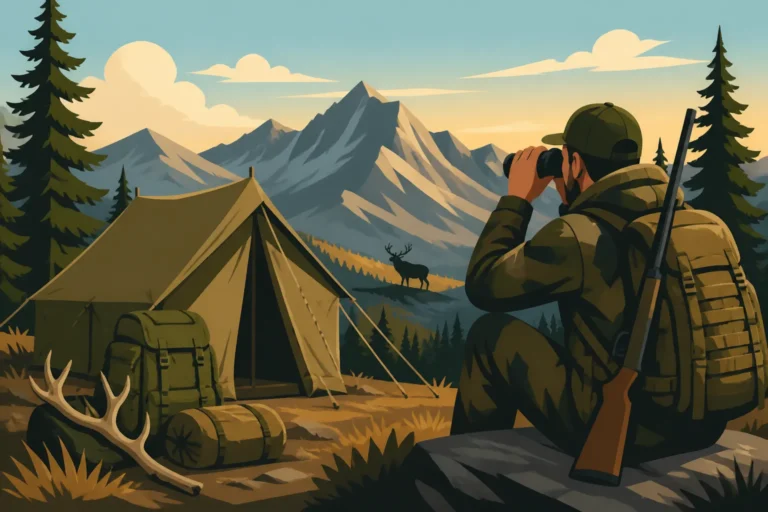
- Wall Tent or Spike Camps: For more remote hunts, particularly those for moose, elk, or mountain species, outfitters often utilize wall tent camps or even lightweight spike camps. Wall tent camps are typically more robust, featuring wood stoves for heat, cots for sleeping, and a dedicated cook tent. While rustic, they can be surprisingly comfortable and offer an authentic wilderness experience. Spike camps are even more minimalist, usually small dome tents or simple shelters, packed in light to reach extremely remote areas for a few nights. These are often used for overnight forays from a main camp or for intense, physically demanding mountain hunts. Meals in these camps tend to be simpler but still hot and filling, prepared over a fire or portable stove. The focus is on functionality and getting you close to the game.
Regardless of the setup, your outfitter will provide the necessary sleeping arrangements, cooking facilities, and basic amenities appropriate for the type and location of your hunt. You'll typically be sharing space with other hunters or guides, fostering camaraderie and a shared passion for the outdoors.
The Day-to-Day Hunting Experience
A guided hunt isn't about being chauffeured to a blind and simply pulling a trigger; it's an active, engaging experience tailored to the species, terrain, and season. Each day will have a rhythm, but flexibility is always key.
- Early Starts and Long Days: Expect to wake up well before dawn, grab a quick breakfast, and be out in the field at first light. Hunting typically continues until dark, with a packed lunch eaten on the go. Guides will adapt the schedule based on animal movement, weather conditions, and the specific hunting method being employed. Whether it's sitting patiently in a stand for whitetails, navigating dense bush for moose, or glassing vast expanses for mule deer, days are often long and require patience and perseverance.
- Active Participation: While your guide leads the way, you are an active participant. You'll be walking, climbing, listening, and spotting alongside them. They'll teach you how to move silently, read sign, understand wind direction, and approach game effectively. Communication is vital; your guide will rely on your input and your ability to follow instructions. This collaborative effort is what makes a guided hunt so rewarding – it's a learning experience as much as a hunting one.
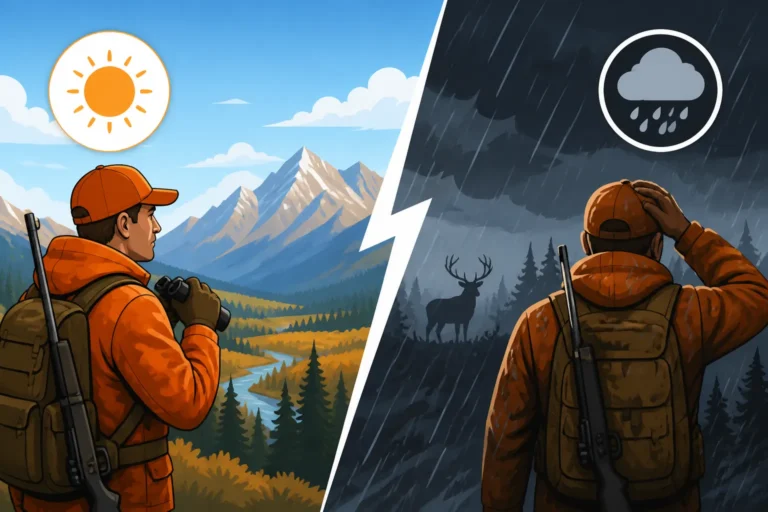
- Adaptability: Wildlife is unpredictable, and conditions change rapidly in Alberta. Be prepared for your guide to alter plans on the fly due to weather, new sign, or unexpected game movement. A successful guided hunt requires a good attitude and the ability to adapt to changing circumstances. There will be frustrating moments, but the guide's experience helps turn challenges into opportunities.
Guide-to-Hunter Ratios and Group Dynamics
The ratio of guides to hunters can significantly influence your experience, affecting the level of personal attention and the overall dynamics of the hunt. Most outfitters clearly state their guide-to-hunter ratios in their packages.
- One-on-One (1:1) Guiding: This is often considered the premium experience, offering the most personalized attention. With a dedicated guide focused solely on you, communication is seamless, and strategies can be tailored precisely to your preferences and physical abilities. This ratio is common for highly specialized hunts, such as Hunting Alberta's Draw-Only Species like mountain goat, where success often hinges on individual effort and precise decision-making. It's also popular for hunters seeking a truly solitary and intensive experience, maximizing their chances and learning opportunities.
- Two-on-One (2:1) Guiding: This is perhaps the most common ratio for many big game hunts, especially for species like deer, moose, or elk. Two hunters share one guide. This can be a great option for hunting partners or friends, as you get to share the experience and excitement. The guide still provides ample attention, but they must balance the needs and opportunities for both hunters. It often provides a more social atmosphere in camp and in the field.
- Group Hunts: Some outfitters, particularly for waterfowl or some bear hunts, might operate with larger groups, often with multiple guides coordinating efforts. For example, a waterfowl outfitter might have a dedicated calling guide and another setting decoys, managing a larger spread for multiple hunters. In this scenario, the individual attention is less, but the collective experience can be very productive and exciting. When booking, always confirm the guide-to-hunter ratio to ensure it aligns with your expectations and hunting style.
Choosing the Right Alberta Outfitter for Your Adventure
Selecting the right outfitter is arguably the most critical decision you'll make when planning a guided hunt in Alberta. It's not just about finding someone with an available tag; it's about finding a reputable professional who aligns with your hunting goals, expectations, and personal style. This takes diligent research and careful consideration.
Researching and Vetting Potential Outfitters
Before you commit your hard-earned money and precious vacation time, you need to do your homework. Don't just pick the first name you see; dig deep to find an outfitter who will truly deliver.
- Online Research and Directories: Start with broad online searches. Many outfitters have comprehensive websites showcasing their operations, species, and typical camps. Websites like BookYourHunt are excellent resources, acting as a directory where you can browse outfitters by species, location, and even review past client testimonials. This is often the first stop for hunters trying to get a feel for the market. Pay attention to how long an outfitter has been in business and the professionalism of their online presence. Look for outfitters actively engaged with their clients and transparent about their offerings.
- Hunting Forums and Social Media: Beyond official websites, delve into hunting forums, social media groups, and YouTube channels. Here, you'll find candid reviews, discussions, and personal experiences from other hunters. Search for the outfitter's name and see what comes up. Be wary of overly negative or overly positive reviews that lack specific details, but genuine accounts can provide invaluable insights into an outfitter's communication, camp conditions, and guide quality. This is where you might uncover nuances not present on an outfitter's own promotional materials.
- Professional Associations: Check if the outfitter is a member of any provincial or national outfitting associations. While not a guarantee, membership often indicates a commitment to professional standards and ethical conduct. These associations sometimes have complaint resolution processes that can offer an additional layer of protection.
- State or Provincial Wildlife Agencies: Verify that the outfitter is properly licensed by the Alberta government. A quick call or email to the provincial wildlife department can confirm their current licensing status and ensure they are operating legally. This is a foundational step that should never be skipped.
Key Questions to Ask Before Booking
Once you've narrowed down your list to a few promising candidates, it's time to get on the phone and ask some direct questions. Don't hesitate to be thorough; a good outfitter will appreciate your diligence.
- Availability and Allocation: First and foremost, confirm they have the specific tag allocation for the species and WMU you're interested in for your desired dates. Ask about their success rates, but always understand what "success" means to them (e.g., shot opportunity, animal harvested, or just seeing game). Also, inquire about Alberta's Draw Priority Point System if it's a draw-based hunt, though outfitters typically handle their own allocations separate from the public draw.
- Hunt Logistics and Inclusions: Get a crystal-clear understanding of what is included in the price. Ask about accommodation (lodge, tent, cabin), meals (full service, packed lunches, cook on staff), transportation (to/from airport, to/from hunting area), guide-to-hunter ratio, and whether field dressing, caping, or basic meat preparation is covered. Are there any hidden fees or extra costs for things like trophy fees, licence fees (Alberta Hunting Licences and What They Cost), CWD testing, or gratuities?
- References: Always, always ask for references. Request contact information for at least three hunters from the previous one or two seasons who hunted the same species in the same area you plan to hunt. Don't just ask for references; call them. Ask about their honest experience: the quality of the guides, the camp, the food, the effort put in, and any unexpected challenges. This is your best direct insight into what you can expect.
- Safety and Contingency: Inquire about their safety protocols. What's their plan in case of a medical emergency? Do they carry satellite communication devices in remote areas? What happens if severe weather disrupts the hunt? A responsible outfitter will have clear answers and contingency plans.
Understanding Contracts, Deposits, and Cancellations
The financial aspect of a guided hunt requires careful attention to detail. A clear contract protects both you and the outfitter, so read it thoroughly.
- The Contract: Insist on a written contract that clearly outlines all terms and conditions, including dates, species, prices, inclusions, exclusions, payment schedule, and cancellation policy. This document is your legal agreement, so ensure every detail discussed verbally is present in writing. If anything seems ambiguous, ask for clarification before signing.
- Deposits and Payment Schedule: Outfitters typically require a deposit to secure your booking, with the balance due closer to the hunt date. Understand the deposit amount, when subsequent payments are due, and the accepted payment methods. Be wary of outfitters who demand full payment upfront or through unsecured methods.
- Cancellation and Refund Policies: Life happens, and sometimes hunts need to be canceled. Understand the outfitter's cancellation policy thoroughly. What portion of your deposit is non-refundable? Are there options to reschedule or transfer your hunt to another hunter? Is hunt cancellation insurance recommended or available? This is particularly important for high-value hunts, as cancellations can result in significant financial loss if not properly understood or insured. Some outfitters might offer partial refunds or allow you to roll over your deposit to the following year, but this is not guaranteed and varies widely.
Planning Your Guided Hunt: Logistics and Preparations
Once you've chosen your outfitter and booked your hunt, the real preparation begins. This phase is all about dotting the 'i's and crossing the 't's, ensuring you arrive in Alberta ready for action, both mentally and physically.
Travel and Firearm Considerations for Non-Residents
Traveling to Alberta for a hunt, especially for non-residents bringing firearms, involves specific procedures that must be followed precisely. Don't leave these details to the last minute.
- Firearms Declaration: If you're bringing a firearm into Canada, you must complete a Non-Resident Firearm Declaration Form (CAFC 909) in triplicate. You'll present this to a Canadian Border Services Agency (CBSA) officer upon entry, along with a processing fee. The form acts as a temporary licence and registration. It's crucial that your firearm is legal in Canada and in Alberta for hunting (e.g., minimum barrel length requirements, not prohibited or restricted classifications). Your outfitter can advise you on what is permissible. Remember that handguns are generally prohibited for visitors. Transporting Firearms Into Alberta provides further details.
- Ammunition: While you can bring ammunition, there are quantity limits (usually 200 rounds per person, non-prohibited type). Your outfitter may also be able to source ammunition for you locally if you prefer not to travel with it. Always check current regulations for specifics.
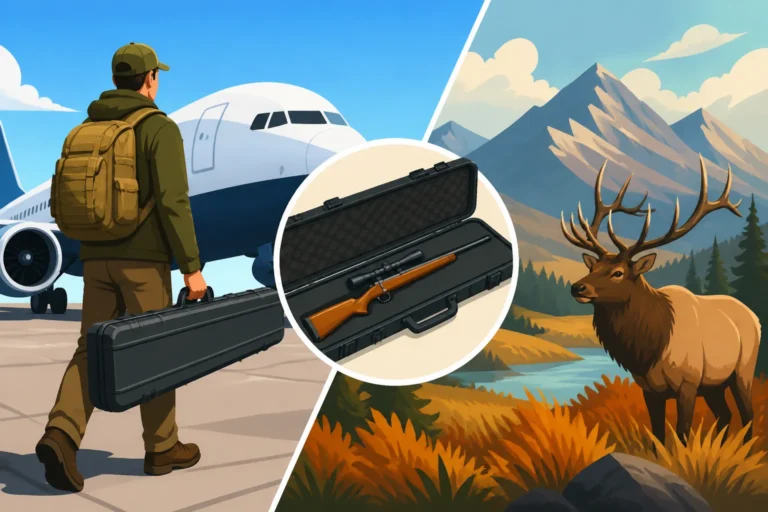
- Air Travel: If flying, firearms must be unloaded, stored in a locked, non-see-through hard-sided case, and declared to the airline. Ammunition must be in its original packaging, separated from the firearm, and stored in a secure container (either with the firearm or separately) within your checked baggage. Never put firearms or ammunition in carry-on luggage. Your outfitter can often arrange airport pick-up and drop-off, particularly from major hubs like Calgary (YYC) or Edmonton (YEG), saving you the hassle of renting a vehicle and navigating unfamiliar roads with your gear.
Physical Fitness and Gear for Your Hunt
Hunting in Alberta can be physically demanding, especially in the foothills and mountains, or when navigating dense boreal forest. Proper physical preparation and the right gear are crucial for both success and safety.
- Physical Conditioning: Even for a lodge-based hunt, you'll be doing a lot of walking, climbing into and out of vehicles, and potentially dragging or quartering game. For mountain hunts, the demands are extreme – steep ascents, high altitudes, and heavy packing. Start a fitness regimen well in advance, focusing on cardio, strength, and endurance. Being in shape will not only make the hunt more enjoyable but also increase your chances of being able to make the shot when it counts and assist with recovery.
- Essential Gear Checklist: Your outfitter will provide a detailed gear list, but some items are universally important.
- Layered Clothing: Alberta weather is notoriously unpredictable. Pack layers suitable for cold, wet, and windy conditions. Think moisture-wicking base layers, insulating mid-layers, and waterproof/windproof outer shells. Blaze orange, as required by Alberta Blaze Orange and Safety Rules, will be on your list.
- Footwear: Comfortable, broken-in, waterproof hunting boots are non-negotiable. Bring an extra pair of dry socks for each day.
- Optics: Good binoculars and a spotting scope (if hunting open country) are vital for spotting game at a distance.
- Navigation: While your guide will lead, having a personal GPS or a mapping app like GoHunt on your phone with downloaded maps can be a great backup and help you understand your location.
- Personal First-Aid: Carry a small kit with personal medications and basic wound care.
- Hunting Tools: Knife, sharpener, headlamp, small pack for daily essentials.
- Breaking in Gear: Never bring brand-new boots or a pack on a hunt. Break them in well beforehand to avoid discomfort and blisters. Test all your gear, especially your weapon, to ensure familiarity and reliability.
Pre-Hunt Communication and Expectations
Open and honest communication with your outfitter leading up to the hunt is paramount. This ensures everyone is on the same page and helps manage expectations.
- Regular Check-Ins: Don't hesitate to reach out to your outfitter with questions as they arise. Clarify details about meeting points, schedules, specific gear recommendations, and current conditions in the hunting area. A good outfitter will be responsive and helpful.
- Honest Self-Assessment: Be upfront with your outfitter about your physical capabilities, hunting experience, and any limitations (e.g., dietary restrictions, medical conditions). This allows them to plan a hunt that is safe, enjoyable, and realistic for you. If you struggle with steep terrain or long walks, let them know so they can adjust the plan or assign a guide who can accommodate you.
- Trophy Expectations: Discuss your trophy expectations frankly. Are you looking for a specific size of animal, or are you happy with any legal animal? This helps the guide understand your priorities and manage opportunities in the field. Remember, hunting success often involves patience, skill, and a healthy dose of luck. An ethical outfitter will always prioritize a fair chase and a safe hunt over a guaranteed trophy.
The Costs Associated with an Alberta Guided Hunt
Hunting in Alberta, especially with a guide, represents a significant financial investment. While specific prices fluctuate and are not provided here, understanding the various components of the cost and where your money goes is crucial for budgeting and preventing surprises.
Breaking Down Outfitter Package Prices
Outfitter fees encompass a broad range of services and are the largest single expense for a guided hunt. These prices vary dramatically based on several factors.
- Species and Rarity: The type of animal you're hunting is a primary cost driver. Hunts for highly sought-after or rare species like bighorn sheep or mountain goat will inherently be much more expensive than a general season black bear or whitetail hunt. This is due to limited allocations, specialized guiding, and the demanding nature of these hunts. For example, a hunt for Alberta's Draw-Only Species often commands a higher price due to the limited tags and intense effort required, and a mountain sheep hunt is costly for the same reason, even though residents buy class 1 sheep licences rather than drawing for them.
- Duration of the Hunt: The number of hunting days directly impacts the cost. A standard hunt might be 5-7 days, but some extended trophy hunts can last 10 days or more. More days mean more resources (food, guide wages, accommodation), hence a higher price.
- Level of Service: As discussed, fully guided hunts are more expensive than semi-guided or drop camp options due to the increased personal attention, daily guide presence, and comprehensive logistics provided. A hunt that includes full-service lodging, gourmet meals, and airport transfers will naturally cost more than a rustic wall tent camp with basic provisions.
- Location and Accessibility: Remote hunts requiring significant travel (e.g., fly-in or horseback access into the mountains) often have higher price tags due to the added logistical complexity and expense of getting hunters and supplies into isolated areas.
- Outfitter Reputation and Success Rates: Highly reputable outfitters with consistent track records for ethical hunting and high client satisfaction often command premium prices. Their experience, knowledge, and ability to deliver quality hunts are valued.
It's important to view the outfitter's package price as an all-encompassing fee for access, expertise, logistics, and opportunity.
Hidden Costs and Additional Expenses to Budget For
Beyond the quoted package price, several other expenses will add to your total investment. Ignoring these can lead to unwelcome financial surprises during or after your hunt.
- Licences and Tags: You will need to purchase an Alberta WIN Card and a Wildlife Certificate, along with species-specific licences. These are mandatory and come with their own costs. Your outfitter will guide you on what to buy, but you are responsible for the payment. What an Alberta WIN Card Costs and Alberta Resident Deer Licence Cost are good examples of the types of fees you'll encounter.
- Travel Expenses: This includes your airfare or fuel costs to get to Alberta, any hotel stays before or after your hunt, and rental car costs if not covered by the outfitter. Don't forget travel insurance, especially for international trips.
- Meat Processing and Shipping: After a successful hunt, you'll need to process your game meat. This can involve hiring a local butcher, which incurs fees for cutting, wrapping, and freezing. If you plan to ship meat home, cooler costs, dry ice, and shipping fees (often substantial, especially for large game) must be considered.
- Taxidermy and Trophy Care: If you harvest a trophy animal, there will be costs for professional caping, skull cleaning, and potentially dip-and-pack services for border crossing. Taxidermy work itself is a separate, often expensive, endeavor that occurs after the hunt. Shipping antlers or capes can also be costly.
- Gratuities/Tips: Tipping your guide, cook, and camp staff is customary in the outfitting industry. This is a significant additional expense that you should absolutely budget for. The amount can vary, but generally, it's a percentage of the hunt cost, and your outfitter can provide guidance on typical ranges.
- Gear and Supplies: While you might own most of your hunting gear, there might be specific items recommended by your outfitter that you need to purchase or upgrade, like specialized boots or clothing layers for extreme weather.
- Alcoholic Beverages: Most outfitters do not include alcoholic beverages in their package prices. If you wish to have a drink, you'll need to purchase and bring your own.
Tipping Etiquette and Expectations
Tipping is a common practice in the outfitting industry, serving as a direct reflection of your satisfaction with the service provided by your guide and the camp staff. It’s a vital part of their income.
- Standard Percentages: While there's no hard-and-fast rule, a typical gratuity for a guide ranges from 10% to 20% of the hunt's base cost. This can be adjusted up or down based on their effort, personality, and your overall experience. For camp staff (cooks, wranglers, camp helpers), a smaller amount per person, or a share of a general tip pool, is usually appropriate. Your outfitter can give you specific recommendations on their camp's customary tipping practices.
- When and How to Tip: It's generally best to give tips at the end of the hunt, usually on the last evening or morning. Cash is often preferred, but some outfitters might facilitate credit card tips. If you're hunting with a group, coordinate a collective tip for the staff, and individual tips for your specific guide.
- Beyond Success: Remember, tips are for effort, attitude, and service, not solely for harvesting an animal. Even if the hunting is tough and you don't fill your tag, a guide who worked tirelessly, provided an enjoyable experience, and taught you a lot deserves a good tip. Conversely, if you feel the guide lacked effort or professionalism, your tip can reflect that, but it's always worth discussing any serious concerns with the outfitter directly.
Beyond the Hunt: Meat, Trophies, and Post-Hunt Logistics
The moment you fill your tag is just the beginning of another crucial phase: properly handling your game meat and trophy. This ensures you can enjoy the fruits of your hunt and comply with all post-harvest regulations in Alberta and when transporting your take home.
Meat Processing and Transportation
Proper meat care is paramount, especially in Alberta's varied temperatures, to ensure your harvest is safe and delicious.
- Field Dressing and Quartering: Your guide will assist with field dressing your animal immediately after the harvest. For larger game like moose or elk, or in remote areas, quartering the animal in the field is often necessary to facilitate removal. Good field hygiene is critical, and your guide will ensure the meat is handled to cool quickly. Meat Care in Alberta's Cold and Warm Swings covers best practices here.
- Transportation to Butcher/Freezer: Once out of the field, the meat needs to be transported to a butcher or cold storage. Many outfitters have arrangements with local meat processors or their own facilities for hanging and cooling game. Discuss these options with your outfitter in advance. Local butchers will process your meat into cuts, wrap it, and freeze it, incurring fees based on the animal's size.
- Shipping Meat Home: If you're a non-resident, shipping meat home can be complex and expensive. You'll need to package the frozen meat in airline-approved coolers or insulated boxes. Dry ice is often used to keep it frozen during transit. Airlines have specific regulations for transporting game meat, so confirm these with your chosen airline. For international travelers, ensure you understand the import regulations of your home country regarding game meat. Proof of legal harvest (your tag and licence) must accompany the meat.
Taxidermy and Trophy Care
If you've harvested a trophy animal, preserving it correctly is essential, both for legal compliance and to honour your memory of the hunt.
- Field Caping: Your guide will properly cape your animal in the field for taxidermy, ensuring all necessary measurements and skin are preserved for a shoulder mount or full mount. This requires skill to avoid damaging the cape, especially around the face and ears.
- Skull Plates and Antlers: Antlers are typically removed with the skull plate attached. For deer, your guide will ensure the proof of sex is left naturally attached to the hide or head as required by Alberta regulations.
- Taxidermist Coordination: Most outfitters have relationships with reputable local taxidermists. You can often arrange for the taxidermist to pick up your cape and antlers directly from the outfitter. Discuss mounting options and costs directly with the taxidermist.
- Border Crossing for Trophies: For non-resident hunters, exporting trophies (capes, antlers, skulls) from Canada and importing them into your home country involves paperwork. You'll need proof of legal ownership (your hunting licence, tags, and an export permit from Canadian authorities if applicable for certain species). For international travel, you may also require CITES permits for certain species or veterinary inspection certificates for raw animal products. Your outfitter and chosen taxidermist can provide guidance on the specific requirements for your situation and destination. Always check with border agencies well in advance.
CWD Testing and Reporting Requirements
Chronic Wasting Disease (CWD) is a serious neurological disease affecting deer, elk, and moose. Alberta has mandatory CWD testing requirements in certain WMUs, and all hunters should be aware of the process.
- Mandatory Submission WMUs: Alberta designates specific WMUs as mandatory CWD submission zones. If you harvest a deer (whitetail or mule deer) in one of these WMUs, you are legally required to submit the head (with at least 6 inches of neck) for testing. Your guide will know these zones and assist you with the submission process. They can show you Where Alberta's CWD Freezers Are for drop-off.
- Voluntary Testing: Even outside mandatory zones, voluntary CWD testing is encouraged for all harvested deer, moose, and elk. Many outfitters will encourage and facilitate this.
- Reporting Your Harvest: Regardless of whether your animal requires CWD testing, all harvested big game in Alberta must be reported to the provincial government through the AlbertaRELM system. Your outfitter will typically assist you with this reporting process, ensuring it's done accurately and on time, which is crucial for wildlife management purposes.
Disclaimer
This article is for general informational purposes only and does not constitute professional advice. Laws, prices and regulations vary by location and change over time. Consult a qualified professional for guidance on your specific situation.