Alberta Guided Hunts for Disabled Hunters
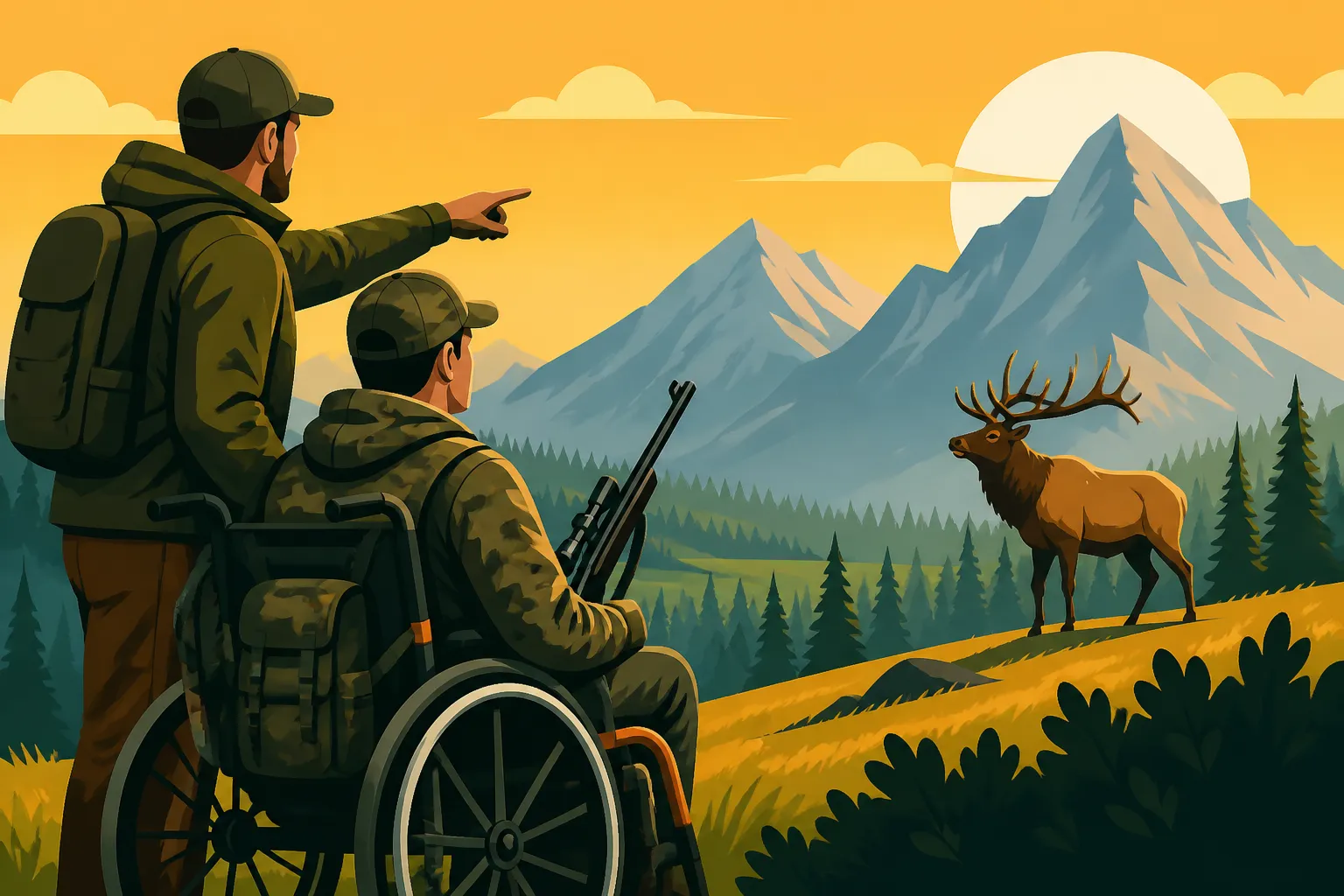
Hunting in Alberta, with its vast landscapes and diverse game species, is a dream for many, but for disabled hunters, the path to experiencing this incredible adventure can often feel riddled with unique obstacles. From navigating rugged terrain to managing specialized equipment and finding accessible camps, the challenges can seem daunting, making a truly independent hunt difficult to achieve. This comprehensive guide is here to unravel those complexities, providing detailed, empathetic, and realistic insights into finding and engaging with outfitters who are equipped and willing to offer exceptional guided hunting experiences tailored for hunters with disabilities in Alberta.
Understanding the Landscape of Accessible Hunting in Alberta
When you're passionate about hunting, a physical disability doesn't diminish that desire; if anything, it can intensify it. However, the practicalities of a wilderness pursuit often throw up barriers that able-bodied hunters might never even consider. It's not just about getting to the hunt, but being able to hunt once you're there.
The Unique Challenges Disabled Hunters Face
Let's be honest, Alberta's wild spaces are magnificent, but they aren't always designed for easy access. For many disabled hunters, the terrain itself is the first hurdle. Imagine trying to navigate a dense aspen forest with a wheelchair, or traversing a steep coulee with limited mobility. It's not just the sheer physical exertion, which can be exhausting for anyone, but the added complexity of uneven ground, thick underbrush, or deep snow that can make a simple walk to a stand an impossible task.
Beyond mobility, specific physical limitations can impact core hunting activities. Drawing a traditional bow might be out of the question for someone with upper body weakness, requiring specialized adaptive bows or crossbows, which then have their own set of regulations and considerations. Holding a rifle steady for an extended period, especially after a long wait, can be taxing. Even basic tasks like climbing into a treestand, field dressing an animal, or dragging game out of thick cover can become monumental challenges that require significant assistance or specialized tools.
Then there are the logistical hurdles. Finding accessible lodging that isn't just a barrier-free room, but genuinely accommodates broader hunting needs – like space for mobility devices, easy access to gear, and proximity to hunting areas. Transportation within the hunting zone is critical; a standard pickup truck might not be suitable if you can't easily get in and out, or if you need a specific type of vehicle for terrain navigation. All these practical issues can combine to create a deeply frustrating experience, often leading to feelings of exclusion or a perceived loss of independence, which no hunter should ever have to endure.
Alberta's Commitment to Inclusive Hunting (and Where It Falls Short)
Alberta, like many jurisdictions, has made strides in acknowledging the needs of hunters with disabilities. There are provisions in the regulations that allow for certain accommodations, such as the use of crossbows during archery seasons for individuals with specific medical conditions that prevent them from drawing a compound or recurve bow, provided they have the necessary permits. Rules around shooting from a stationary vehicle might also have specific exemptions for those with mobility impairments, though these are tightly regulated and require careful review. The intent is often there to be inclusive, which is a great start.
However, the reality on the ground can sometimes fall short of the ideal. While the regulations might offer flexibility, the infrastructure and widespread accessibility might not always keep pace. For example, while you might be legally allowed to use a crossbow, finding a public land area with easy access for a hunter in a wheelchair or with significant mobility issues can still be a monumental task. The onus often falls on the individual hunter to seek out private land access or to find outfitters who have gone above and beyond the basic requirements to create truly accessible experiences. This gap between broad regulatory intent and on-the-ground execution is where frustrations can mount.
This is precisely where outfitters and guides become invaluable. They often possess the local knowledge, specialized equipment, and dedicated staffing to bridge these gaps. While the province sets the baseline, it's often the private sector, driven by a passion for hunting and a desire to share it, that truly delivers on the promise of inclusive hunting for disabled individuals. Without this outfitter support, many disabled hunters would find themselves navigating a patchwork of well-intentioned but often insufficient public resources.
Finding and Vetting Accessible Outfitters in Alberta
The key to a successful accessible hunt isn't just finding an outfitter; it's finding the right one. This means understanding the spectrum of services available and knowing precisely what questions to ask.
Specialized Outfitters vs. Adaptable General Outfitters
When you start your search, you'll encounter a couple of categories. Some outfitters have made it their mission to specifically cater to disabled hunters. These are often organizations or individuals deeply committed to adaptive hunting, and they might have purpose-built facilities, specialized off-road mobility devices like track chairs, and guides specifically trained in assisting hunters with various disabilities. They often operate with a deep understanding of the unique physical and emotional aspects involved, offering a holistic, supportive experience. They've often already thought about things like a Lodge Hunts Versus Spike Camps setup that might be more accommodating.
On the other hand, many general outfitters, while not exclusively focused on adaptive hunts, are incredibly adaptable and willing to make accommodations. They might not have a dedicated track chair, but they may have an ATV or side-by-side that can get you closer to a blind, or they might be willing to modify their typical hunting approach (e.g., using ground blinds instead of treestands, focusing on shorter stalks, or setting up closer to access roads). The crucial difference is the extent of their existing infrastructure versus their willingness to innovate and customize.
Regardless of which type of outfitter you consider, the absolute most important factor is clear, open, and honest communication from the very first contact. Don't assume anything. Be upfront about your specific needs, limitations, and expectations. This allows the outfitter to assess if they can genuinely provide a safe, effective, and enjoyable experience for you. Websites like BookYourHunt and GoHunt can be excellent starting points to find outfitters and then filter them based on services and reviews, but always follow up with direct, in-depth conversations. They provide a platform where outfitters often list their specialties, which might include accessible hunting, making your initial search much more efficient.
Key Questions to Ask Prospective Outfitters
Once you've identified a few potential outfitters, it’s time to get specific. Don’t hold back; the more information you share about your needs and the more questions you ask, the better equipped both of you will be to determine if it’s a good fit. Here's a detailed list of questions to consider:
- Experience with Disabled Hunters: "Have you guided hunters with disabilities before? If so, what types of disabilities and what species were they hunting?" This gives you a sense of their practical experience and comfort level.
- Accessibility of Camp/Lodge: "Can you describe your camp or lodge's accessibility? Are there ramps, roll-in showers, accessible toilets, and wide doorways? How far is it from vehicle access to the main common areas and sleeping quarters?" Don't forget to ask about common areas like dining rooms.
- Transportation in the Field: "What kind of transportation do you use in the field? Is it adaptable for a wheelchair or other mobility aids? How far can we typically drive from a main road into the hunting area, and what's the average distance from the drop-off point to the hunting blind/stand?" Ask specifically about quads, side-by-sides, or even specialized vehicles. Quad and Side-by-Side Rules on Crown Land might be relevant here.
- Guide-to-Hunter Ratio and Physical Assistance: "What is your guide-to-hunter ratio for adaptive hunts? Will there be dedicated staff available for physical assistance with mobility, getting in and out of vehicles, or personal care if needed?" This is critical for safety and comfort.
- Equipment Adaptations: "Do you have any adaptive hunting equipment available, such as specialized shooting rests, ground blinds, or enclosed heated blinds? Can you accommodate my personal adaptive equipment?" Discuss specific needs like crossbow setups or shooting chairs.
- Field Dressing and Game Retrieval: "What level of assistance can I expect with field dressing an animal? How is game retrieved from the field, especially if it's a larger animal in difficult terrain?" This can be a huge concern, so ensure they have a clear plan.
- Emergency Protocols: "What are your emergency protocols for medical situations in the field or at camp? Is there cell service, satellite communication, or immediate access to emergency services?" Understanding Emergency Plans in Alberta's Backcountry is vital for peace of mind.
- References: "Can you provide references from previous disabled hunters you've guided?" This is invaluable for getting honest feedback.
Be transparent about your limitations and needs. If you require a specific type of assistance or accommodation, lay it out clearly. The goal is to find an outfitter who isn't just saying "yes" to get your business, but who genuinely understands and is capable of delivering on their promises.
Planning Your Accessible Alberta Hunt
Once you've found an outfitter you're comfortable with, the real planning begins. This involves navigating regulations, ensuring you have the right gear, and preparing for the unique aspects of hunting in Alberta.
Licenses, Permits, and Special Considerations
Navigating the bureaucratic side of hunting is often the least glamorous but most crucial part. For any hunt in Alberta, you'll need a valid Alberta Hunting Licences and What They Cost and a Wildlife Certificate. However, for disabled hunters, there might be additional permits or considerations that are vital for ensuring a legal and comfortable hunt.
For instance, if your disability prevents you from drawing a traditional bow, you might be eligible for a permit to use a crossbow during archery-only seasons. This often requires a doctor's note and an application process, so start this well in advance. Similarly, while generally illegal to shoot from a vehicle, specific exemptions may exist for disabled hunters under strict conditions, again requiring special permission. These are not automatic, and your outfitter should be knowledgeable about helping you understand and navigate these applications.
You'll also need to consider Alberta’s Special Licence Draws, especially for popular species like moose or elk, which often take years to draw. If your hunt involves one of these draw-only species, understanding Alberta's Draw Priority Point System is critical. Work with your outfitter to plan for the long game if necessary, ensuring your applications are correctly submitted. Your outfitter should also be well-versed in the specific regulations for the Wildlife Management Units (WMUs) you plan to hunt, as rules can vary regarding weapon types, season dates, and specific land access. Alberta's 219 Wildlife Management Units provides a detailed look at how these units are structured and regulated.
| Consideration | Standard Hunter | Disabled Hunter (Potential Accommodations) |
|---|---|---|
| Licences | General hunting licence, WIN card, Wildlife Certificate | Same, but ensure any special permits are secured (e.g., crossbow, mobility aid) |
| Crossbow Use | Specific seasons only, or general seasons | Possible permit for archery season with medical exemption |
| Vehicle Use | No shooting from vehicle (mostly) | Potential permit for shooting from a stationary vehicle under strict conditions |
| Access to Stands | Treestands, spot and stalk, ground blinds | Emphasis on ground blinds, permanent accessible blinds, assisted access to elevated positions |
| Terrain Navigation | Foot, ATV, truck | Adapted ATVs, track chairs, closer drops, less strenuous routes |
| Physical Assistance | Self-sufficient | Guide assistance for mobility, field dressing, game retrieval |
| Accommodation | Tents, basic cabins, lodges | Accessible lodges/camps, consideration for personal care needs |
| Emergency Prep | Basic first aid, communication | Enhanced medical considerations, specific emergency contact plans, specialized medical supplies |
Essential Gear and Equipment Adaptations
Beyond your standard hunting gear, planning for an accessible hunt requires thinking about specialized equipment and adaptations. This isn't just about comfort; it's about safety and functionality.
If mobility is a challenge, consider robust, all-terrain mobility devices. While an outfitter might have some options, bringing your own, if feasible, ensures familiarity and proper fit. This could range from a heavy-duty all-terrain wheelchair to a specialized track chair. For shooting, adaptive rests, bipods, or even custom mounts can provide stability and ease of aim, especially if holding a rifle or bow steady is difficult. Look into specialized triggers or releases if grip strength is an issue.
Communication tools are paramount, especially if you're venturing into areas with no cell service. A satellite messenger or phone is a non-negotiable item, not just for you but for your guide, ensuring that help can be summoned in an emergency. Satellite Messengers in the Backcountry are a lifesaver.
Don't overlook clothing. Layering is always essential for Alberta's often unpredictable weather, but for a disabled hunter who might be less mobile, staying warm and dry is even more critical. Consider heated clothing, extra layers, and high-quality waterproof outerwear. Boots must be comfortable and provide excellent support, even if you’re not doing extensive walking. Remember that less movement means you'll cool down faster, so account for that. Hunting Alberta Winter Weather Safely emphasizes the importance of proper attire in cold conditions. Finally, always have a well-stocked medical kit with any personal medications, readily accessible. Your outfitter should be aware of any serious medical conditions you have.
On the Ground: Making the Most of Your Hunt
The preparation is over, and you're finally in Alberta's stunning wilderness. This is where the partnership with your outfitter truly shines, and effective communication becomes your most powerful tool.
Communication and Expectations in the Field
The success of your hunt, especially an accessible one, hinges on a constant, open dialogue with your guide. From the moment you arrive, you should feel comfortable communicating your needs, concerns, and any changes to your physical state. Don't feel like you're being a burden; a good guide understands their role is to facilitate your hunt safely and effectively. If you're feeling fatigued, cold, or need a break, speak up immediately. Ignoring these signals can lead to discomfort, frustration, or even safety issues.
It's also important to set realistic expectations. While outfitters strive for success, hunting is hunting, and there are no guarantees. Your outfitter should never guarantee a trophy animal, only a dedicated effort to put you in the best position for a shot. For a disabled hunter, "success" might encompass more than just punching a tag. It could mean simply being out in nature, seeing wildlife, or enjoying the camaraderie of the camp. Discussing these broader expectations upfront ensures everyone is on the same page.
Be flexible. Weather conditions, animal movement, or your own physical state might require adjusting plans on the fly. A successful hunt is often about adaptation. If the initial plan isn't working or becomes too challenging, trust your guide's expertise to pivot to an alternative. This kind of flexibility and teamwork is a hallmark of Etiquette in a Hunting Camp and will contribute significantly to a positive experience.
Post-Harvest Considerations and Logistics
The moment of truth arrives, and you've successfully harvested an animal. Now, the real work begins, and this is another area where a good outfitter makes all the difference for a disabled hunter.
Field dressing an animal can be physically demanding. Your outfitter and guide should have a clear plan for providing full assistance with this process. This might involve them doing the bulk of the work, or guiding you through it if you wish to participate as much as possible. Discuss how the animal will be handled once it's down. For a larger animal like a moose or elk, this can be a multi-person job. Quartering a Moose Alone in the Bush is a completely different scenario than having a team assist.
Retrieving game from the field is another logistical challenge. Does the outfitter have ATVs, horses, or other means to get the animal back to camp without undue stress or difficulty for you? Confirm this beforehand. From there, the meat will need to be cared for. Alberta can experience significant temperature swings, especially in the fall, so prompt and proper cooling is essential to prevent spoilage. Your outfitter should have facilities for hanging and cooling meat. Meat Care in Alberta's Cold and Warm Swings highlights the critical nature of this process.
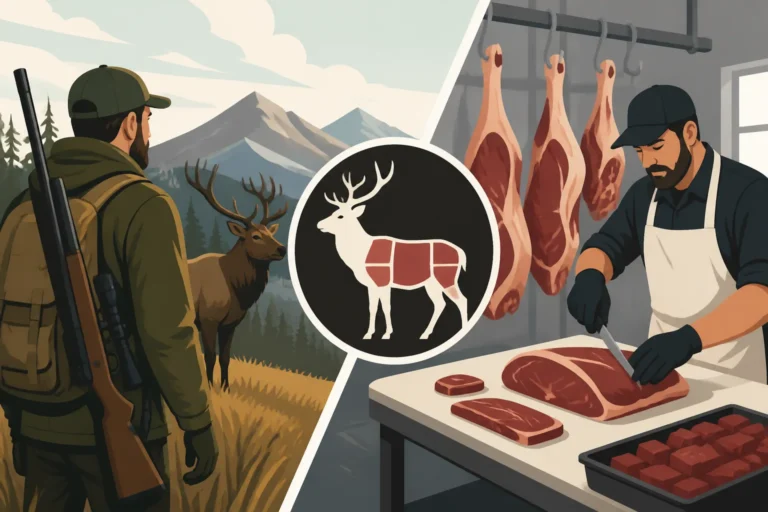
Finally, discuss arrangements for meat processing and trophy handling. Many outfitters have preferred local butchers and taxidermists. If you're coming from out of province or country, understanding the rules and logistics for Shipping Meat Home From Alberta and taking your trophy across borders is vital. For deer and elk, particularly in specific WMUs, submitting the head for CWD (Chronic Wasting Disease) testing is mandatory. Your outfitter should be well-versed in Alberta's Mandatory CWD Submission WMUs and assist with the submission process.
Legal Framework and Support Resources
Understanding the rules and knowing where to turn for additional support can empower you to pursue your hunting passion with confidence. Alberta's regulations, while comprehensive, do offer certain provisions for hunters with disabilities, and a network of organizations exists to help.
Navigating Alberta's Regulations for Hunters with Disabilities
As we touched on earlier, Alberta's hunting regulations are the foundation for any hunt. For disabled hunters, it's crucial to delve into specific sections that pertain to adaptive hunting. For example, crossbow use during general archery seasons typically requires a permit from Alberta Environment and Parks, granted to individuals who, due to a permanent physical disability, cannot reasonably operate a conventional bow. This isn't a blanket allowance; it's a specific exemption requiring medical documentation. Similarly, rules around the use of off-highway vehicles (OHVs) on Crown Land, or shooting from a stationary vehicle, usually have strict limitations, but can sometimes have specific allowances for disabled hunters with proper authorization.
It is absolutely imperative to consult the official Alberta hunting regulations guide each year, as rules can change. Do not rely solely on hearsay or outdated information. Your outfitter should be a knowledgeable resource, but ultimately, it's your responsibility as a hunter to ensure you are compliant. Having your special permits or medical documentation readily available while hunting is a smart practice. The Alberta Hunter Education Course Requirements and the Alberta Hunter Education and Conservation Course provide foundational knowledge for all hunters, and while they may not delve deeply into disability-specific rules, they establish a critical understanding of ethical and legal hunting practices.
Organizations and Communities that Offer Support
You are not alone in your journey as a disabled hunter. There are numerous organizations and communities dedicated to making hunting accessible and enjoyable for individuals with disabilities. These groups often provide valuable resources, mentorship, and even organized hunts. Look for provincial or national adaptive hunting associations that might have chapters or connections in Alberta.
Connecting with other disabled hunters is an incredibly powerful resource. They can offer firsthand advice, recommend outfitters, share gear adaptations, and provide emotional support. Online forums, social media groups, and local hunting clubs often have members or discussions around adaptive hunting. Websites like BookYourHunt and GoHunt might also feature sections or filters to help locate outfitters specifically catering to disabled hunters, and they can also be a hub for finding community reviews that mention accessibility. Don't underestimate the power of shared experience and mentorship from those who have navigated similar challenges. These networks can help you understand Questions to Ask Before Booking an outfitter, or even how to manage Tipping an Alberta Guide fairly. These communities often host events, workshops, and even guided hunts, creating fantastic opportunities to get out into the field with like-minded individuals and experienced guides.
Disclaimer
This article is for general informational purposes only and does not constitute professional advice. Laws, prices and regulations vary by location and change over time. Consult a qualified professional for guidance on your specific situation.