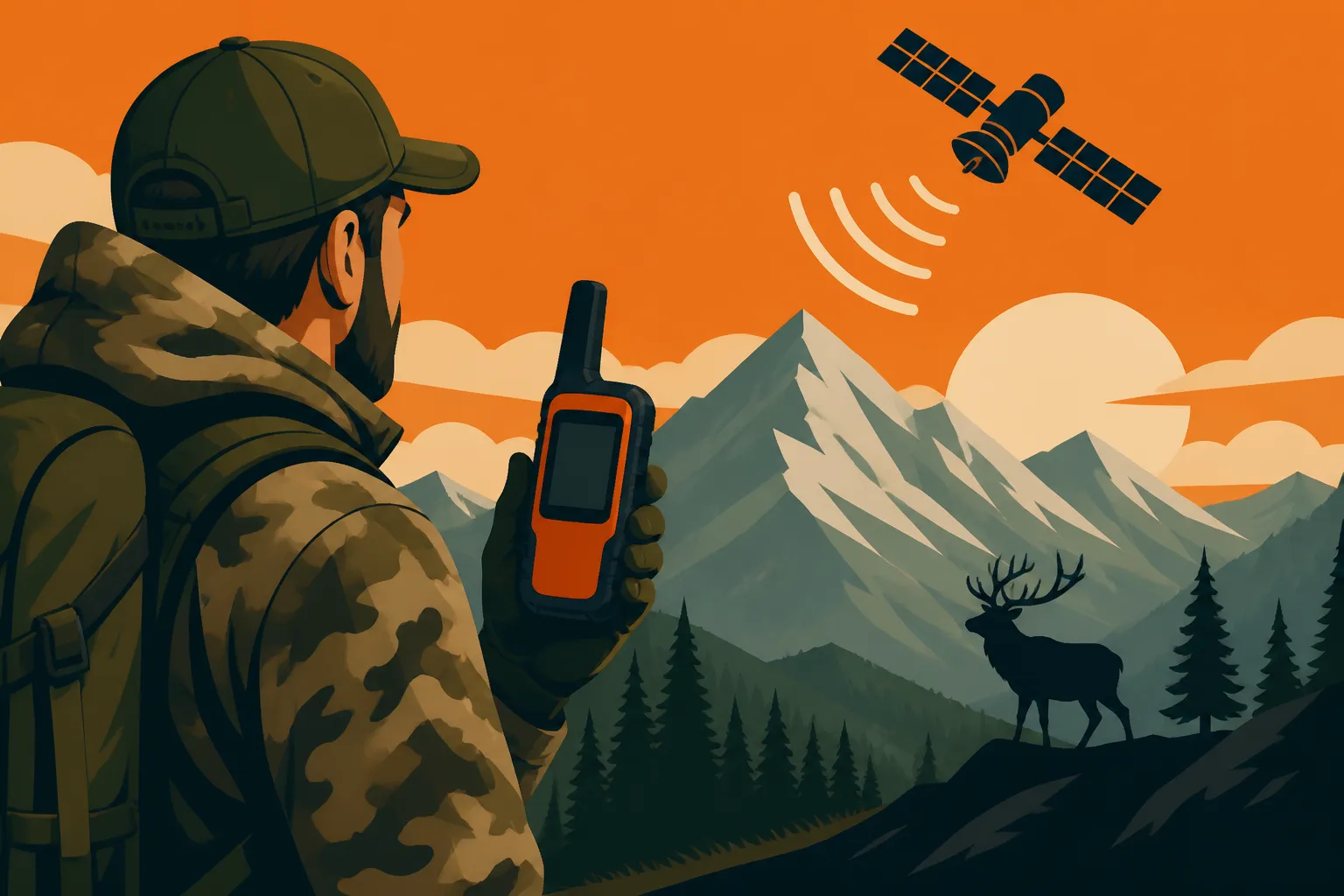
Satellite Messengers in the Backcountry
There's a deep-seated worry many of us carry when we head out into Alberta's vast hunting grounds: what if something goes wrong and you're miles from a signal, completely cut off? It's a genuine fear, especially when you're deep in the bush chasing moose or navigating the rugged foothills for elk. This guide is all about giving you peace of mind and practical knowledge when that cell service inevitably vanishes, focusing on how satellite messengers bridge that communication gap and become an indispensable piece of your backcountry gear.
Why Traditional Communication Fails in Alberta's Backcountry
It's a familiar scenario for any hunter in Alberta: one minute you're scrolling through a map, the next your phone shows "No Service," sometimes for days on end. The sheer scale and diverse terrain of our province mean that relying solely on your cell phone for communication in the backcountry is, frankly, a gamble you just can't afford to take.
The Reality of Cell Service Gaps
You know the drill. You leave the pavement, hit the gravel, and watch your signal bars slowly dwindle. Once you're truly off the beaten path, whether it's deep in the Moose Hunting Alberta's Boreal Forest, pushing into the Hunting Alberta's Foothills Country or even just a few ridges back from a main road in the White Area, cell service becomes a distant memory. Our mountains, with their dramatic peaks and deep valleys, are notorious for blocking signals. The dense boreal forest, with its endless timber and rolling terrain, can be just as unforgiving. Even in flatter areas, large tracts of Crown land simply aren't economical for cell providers to cover. It's frustrating when you just want to check in with family or get a quick weather update, but when an emergency strikes, it becomes genuinely dangerous. You can wave your phone around, stand on the highest knoll, and still get nothing. It's not your phone's fault; it's just the reality of hunting in truly wild places.
When Emergencies Strike Beyond the Bars
Imagine you're stalking a big whitetail in a remote aspen bluff, and suddenly you take a bad step, twisting your ankle severely. Or perhaps your hunting partner suffers a nasty cut with a knife. Maybe the weather suddenly turns, dropping significant snow and sending temperatures plunging, threatening to leave you What to Do If You Get Stuck in the Bush. In these moments, that "No Service" icon isn't just an inconvenience; it's a terrifying roadblock to getting help. Without a way to communicate, a minor injury can become a serious problem, a wrong turn can lead to a desperate situation, and a sudden change in conditions can become life-threatening. The isolation of Alberta's backcountry is one of its greatest appeals for hunters, but it also demands a robust plan for when the unexpected happens. That's where knowing you have a reliable link to the outside world makes all the difference, not just for your safety, but for the peace of mind of those waiting at home.
What a Satellite Messenger Actually Does
So, you're convinced you need more than a cell phone. But what exactly is a satellite messenger, and how does it work its magic when you're miles from civilization? Think of it as your digital lifeline, a compact device that taps into a network of satellites orbiting Earth, allowing you to send and receive messages far beyond the reach of traditional cell towers.
Beyond Simple Texting
At its core, a satellite messenger lets you send and receive short text messages, often to pre-programmed contacts or email addresses. Unlike a satellite phone, which is primarily for voice calls and can be quite bulky and expensive to operate, a messenger focuses on data – precise GPS coordinates, tracking updates, and those crucial text communications. Many devices also allow for basic email communication, which can be incredibly useful for coordinating logistics or simply letting loved ones know you're okay. You can send custom messages like "Camp set up, all good," or "Moving to new area," giving your contacts back home regular updates on your progress and location.
Many models include tracking features, allowing you to automatically send your location at set intervals (say, every 10 or 30 minutes) to a web-based map that your designated contacts can monitor. This is fantastic for transparency with your hunting partners or family, who can literally see your progress as you push into a new area or head back to camp. It's also invaluable for search and rescue efforts if something does go wrong, as they'll have a breadcrumb trail of your movements. Being able to share your map with a few chosen people who can keep tabs on you is a serious game-changer for solo hunters or small groups venturing into remote areas like when you're Backpacking Into Alberta's Bighorn Country or pursuing Hunting Mountain Goat in Steep Rock.
The SOS Button: Your Lifeline
This is arguably the most critical feature of any satellite messenger, the one you hope you never have to use, but are eternally grateful for if you do. Most satellite messengers come equipped with a dedicated SOS button. When activated, usually by lifting a protective flap and pressing it for a few seconds, it sends a distress signal along with your exact GPS coordinates to a 24/7 global emergency monitoring center. This center then contacts relevant local search and rescue services, relaying your precise location and the nature of your emergency (if you were able to include details in your initial message or through follow-up communication).
It's important to understand that this isn't just calling 911; it's a dedicated emergency service that can dispatch the right kind of help, whether it's a medical evacuation, search and rescue for a lost party, or assistance with a broken-down vehicle in a remote spot. This direct line to emergency services can drastically cut down response times in areas where you'd otherwise be completely cut off. It provides an unparalleled sense of security, knowing that even if you're alone and seriously injured, help can be on its way. Just remember, this button is for genuine emergencies – use it responsibly.
Choosing the Right Satellite Messenger for Your Alberta Hunt
With a few excellent options on the market, picking the right satellite messenger can feel a bit daunting. You want something reliable, durable, and suited to the specific demands of hunting in Alberta. It's not just about the device itself, but also the service plan that comes with it.
Key Features to Consider
When you're comparing devices, here are the factors that really matter for a backcountry hunt:
- Battery Life: This is paramount. You'll be out for days, potentially weeks, far from an outlet. Look for devices with long battery life (measured in days or weeks, not hours) and consider models that can be easily recharged with a portable power bank. Features like adjustable tracking intervals can also help conserve power. A device that dies on day three of a seven-day hunt is as useless as a dead phone.
- Durability and Water Resistance: Alberta weather is unpredictable. You might start a hunt in sunshine and end it in a blizzard, or slog through days of rain while Hunting Black Bear in Alberta. Your messenger needs to withstand drops, bumps, dust, and full immersion or heavy rain. Look for IPX ratings (e.g., IPX7 or IP68) to gauge water and dust resistance.
- Subscription Plans: This is often where the real cost lies. Most messengers require a monthly or annual subscription for satellite service. Plans vary widely, offering different numbers of messages, tracking intervals, and the inclusion of premium features like weather forecasts. Some allow for seasonal plans, which is great if you only hunt for a few months of the year. Always read the fine print about overage charges or specific fees for SOS activation, though the SOS itself is generally covered in the base plan. Compare the total cost of ownership, not just the upfront device price.
- Ease of Use: Can you operate it with cold, gloved hands? Is the interface intuitive? Some devices pair with your smartphone for easier typing and map viewing, which can be a huge convenience. Others have physical buttons and a small screen. Consider your personal preference and how you'll be using it in the field.
- Weight and Size: Every ounce counts when you're packing into the backcountry. While most messengers are compact, some are lighter and smaller than others. Think about where you'll carry it – in a hip pocket, on your pack strap, or deep inside your bag. It needs to be accessible quickly if an emergency arises.
Popular Brands and Their Offerings
There are a few frontrunners in the satellite messenger space that hunters commonly use:
- Garmin inReach Series: Garmin offers a range of inReach devices, known for their robust two-way messaging, detailed mapping capabilities (especially when paired with a smartphone app), and reliable SOS function through the GEOS monitoring center. They often integrate well with other Garmin GPS products, which can be a plus for existing Garmin users. Their battery life is generally excellent, and they're built tough for outdoor use.
- Zoleo Satellite Communicator: Zoleo is praised for its seamless integration between satellite, cellular, and Wi-Fi networks. It uses a dedicated app on your smartphone to send messages, automatically switching to the most cost-effective network available. This means you only use satellite when absolutely necessary, potentially saving on message costs. It's a compact, no-frills device that excels at messaging and SOS.
- Spot Devices: Spot offers various devices, from basic SOS beacons to those with limited messaging and tracking. They tend to be a more budget-friendly entry point, particularly for their one-way messaging (pre-set messages only) and SOS capabilities. Their newer devices have improved significantly, but always compare features to ensure they meet your specific needs for two-way communication and detailed tracking.
Each brand has its strengths, but they all share the fundamental goal of keeping you connected when traditional means fail. The best one for you will depend on your budget, desired features, and how deeply you plan to integrate it into your existing tech setup. Consider the trade-offs between device cost, subscription fees, and advanced functionalities.
Integrating a Satellite Messenger into Your Backcountry Routine
Having a satellite messenger is one thing; making it an effective safety tool is another. It's not a set-it-and-forget-it device. Just like your rifle or bow, it requires careful preparation and practice to be truly reliable when you need it most. Thinking through these steps before you ever leave home can be the difference between a minor inconvenience and a serious crisis.
Pre-Trip Planning and Setup
The work begins long before you pack your truck. Proper setup is non-negotiable for a satellite messenger. First, activate your device and subscribe to a service plan well in advance of your trip. Don't wait until the day before; activation can sometimes take a little time. Once activated, thoroughly test the messaging and tracking features. Send test messages to your emergency contacts. Make sure they know how to receive and respond to your messages. This also includes fully charging the device and any portable power banks you plan to bring.
Next, program your important contacts into the device or its companion app. This includes family members, hunting partners, and anyone else who needs to know your movements or be able to reach you. Crucially, leave a detailed itinerary with someone reliable at home. This should include your planned route, expected timeline, and when they should expect to hear from you. Emphasize what to do if they don't hear from you. This pre-planning, often aided by tools like Scouting With Satellite Imagery in Alberta, ensures that if the worst happens, someone knows where to start looking. You don't want to be fumbling with an unfamiliar device or trying to remember phone numbers when every second counts.
On the Trail Best Practices
Once you're out in the field, integrating your messenger into your daily routine is key. Keep the device accessible. Don't bury it deep in your pack where you can't reach it quickly. A chest strap pouch or an outer pocket on your pack is ideal. During the hunt, check in regularly with your home contacts. Even a simple "All good" message once or twice a day provides reassurance. This also verifies the device is working and you're within coverage.
Conserve battery life strategically. Use tracking intervals that make sense for your activity. If you're stationary in camp, you might not need to send updates every 10 minutes. If you're actively moving in challenging terrain, more frequent updates might be warranted. Understand how to put your device into a low-power mode if available. Finally, understand signal acquisition. Satellite messengers need a clear view of the sky to connect. Dense canopy, deep canyons, or even standing too close to a large rock formation can temporarily block the signal. If a message isn't sending, try moving to a more open area. These habits, combined with an Emergency Plans in Alberta's Backcountry, create a robust safety net.
The Human Element: Managing Expectations
It's not just about the device; it's also about the people involved. If you're hunting with partners, make sure everyone understands how to use the satellite messenger and where it's stored. Practice sending a message and activating the SOS function as a group. This collective knowledge is vital, especially if the primary user becomes incapacitated.
Equally important is managing the expectations of your loved ones back home. Explain to them that a satellite messenger isn't like a cell phone. Messages can sometimes take a few minutes to send and receive due to satellite pass-overs. Don't let them expect instant replies. Set clear expectations for check-in times and what constitutes an emergency for an SOS activation. This prevents unnecessary worry for them and avoids false alarms for emergency services. Going over this before you head out, especially when planning for a challenging trip like Hunting Alberta Winter Weather Safely, creates a better experience for everyone and ensures that when that emergency button does get pushed, it's for a true crisis and not just a missed check-in. It's all part of building a comprehensive safety strategy, much like the overall preparation for what you need to bring to a hunt What to Bring to a Hunting Camp.
Disclaimer
This article is for general informational purposes only and does not constitute professional advice. Laws, prices and regulations vary by location and change over time. Consult a qualified professional for guidance on your specific situation.