Guided Versus Hunter-Hosted Hunts
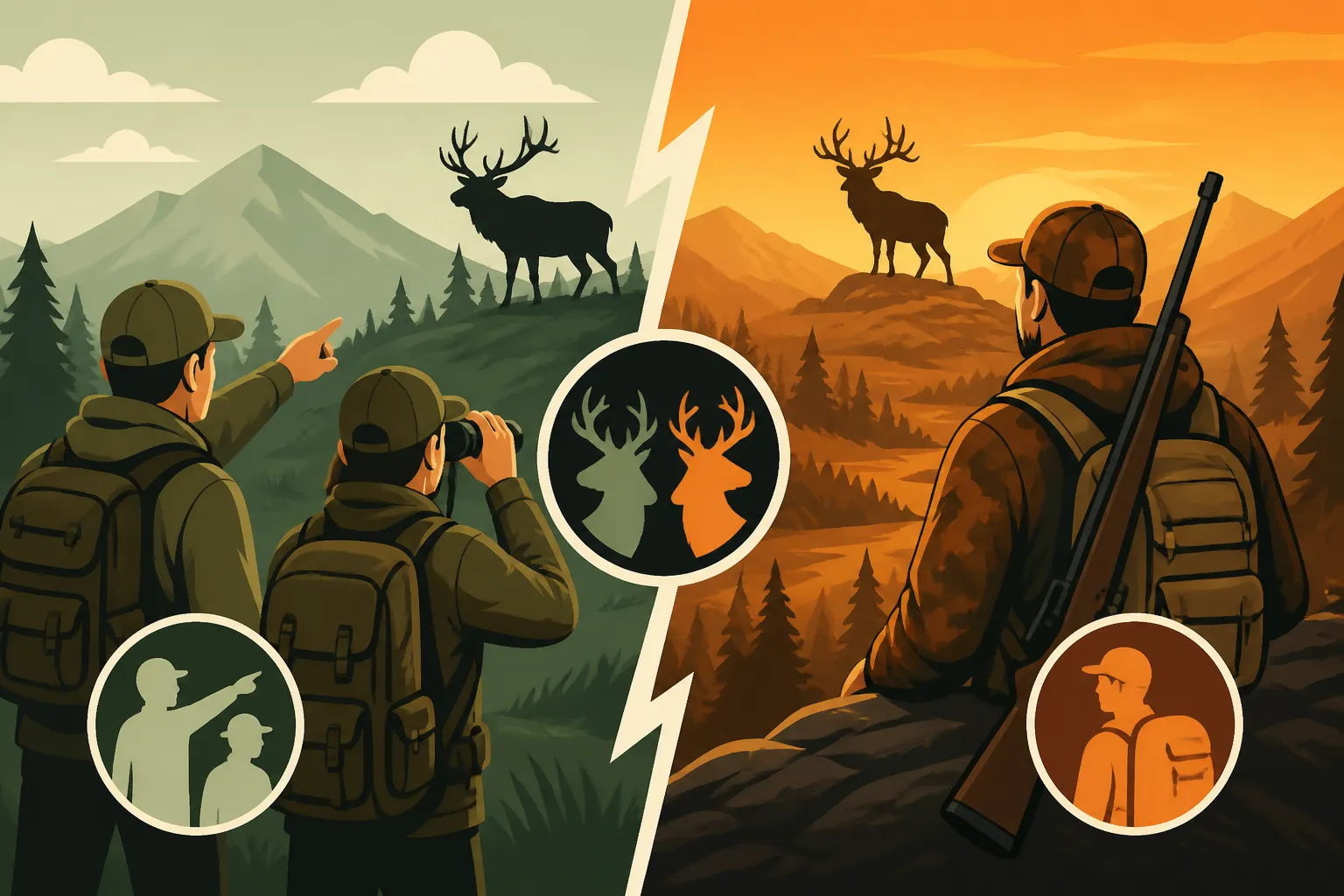
For many non-resident hunters looking to experience the incredible hunting opportunities Alberta has to offer, the initial hurdle often boils down to a fundamental choice: do you book a fully guided trip with a professional outfitter, or do you rely on the goodwill and local expertise of an Alberta resident through a hunter-hosted arrangement? Both paths can lead to a memorable hunt, but they come with vastly different expectations, logistics, and legal frameworks. This guide will walk you through the nuances of each option, helping you understand what's involved so you can make an informed decision for your next Alberta adventure.
Understanding the Basics: Decoding Alberta's Non-Resident Hunting Options
Alberta is renowned for its diverse wildlife and expansive hunting grounds, attracting hunters from all over North America and beyond. However, for anyone who doesn't call Alberta home, the rules for accessing these opportunities are quite specific. You can't simply buy a general licence and head out on your own for big game like deer, moose, or elk. You need to either engage the services of a licensed outfitter and their guides or have a qualifying Alberta resident act as your host.
The Guided Hunt: Professional Service and Expertise
When you opt for a guided hunt in Alberta, you're essentially signing up for a comprehensive package designed to maximize your chances of success and minimize your logistical headaches. This is a commercial arrangement where a licensed outfitter provides a wide array of services. Think of it as a full-service experience where much of the planning, scouting, equipment, and field execution is handled by experienced professionals.
An outfitter's services typically include everything from providing comfortable camp accommodations and hearty meals to arranging transportation in the field and assisting with trophy care. They often operate in specific Wildlife Management Units (WMUs) where they hold "allocations" – a set number of tags for certain species and seasons that are reserved for their non-resident clients. This can grant access to prime hunting areas that might otherwise be difficult for an outsider to navigate or obtain permission for. The guide's role is not just to show you where the animals are, but to offer expert advice on tracking, calling, stalking, and shot placement, drawing on years of local experience. It's a structured approach, ideal for those seeking a streamlined, high-opportunity hunting experience without the personal burden of detailed trip planning.
The Hunter-Hosted Hunt: Resident Sponsorship and Local Knowledge
The hunter-hosted hunt offers a completely different flavour of adventure, one rooted in personal connection and shared passion. In this scenario, a non-resident hunter is sponsored by an Alberta resident, who essentially "hosts" them on their hunt. This isn't a commercial service; the resident host absolutely cannot charge the non-resident hunter for their services, time, or for access to hunting opportunities. It’s a relationship built on friendship or close acquaintance, where the Alberta resident volunteers their time, knowledge, and resources to accompany and assist the non-resident.
The legal requirements for a hunter-hosted hunt are very clear. The host must be an Alberta resident, eligible to hold hunting licences, and must personally accompany the non-resident hunter at all times while hunting big game or game birds. They become the primary source of local knowledge, helping with understanding local regulations, finding suitable hunting areas, and interpreting wildlife sign. This option leans heavily towards a more do-it-yourself (DIY) approach for the non-resident, albeit with the invaluable assistance of a local expert. It’s often chosen by non-residents who have friends or family living in Alberta and are looking for a more intimate, less commercial hunting experience. You can find more detail on this by reading Alberta's Hunter Host Rule.
The Full-Service Appeal: Diving Deeper into Guided Hunts
For many non-resident hunters, a guided hunt represents the ultimate way to experience Alberta's wild landscapes and incredible game animals. It's an investment in convenience, expertise, and generally, a higher probability of success.
What to Expect from an Alberta Outfitter
When you book with an Alberta outfitter, you're buying into a system designed for success. A typical guided hunt package in Alberta will include a range of services that take the heavy lifting out of your hands. This often means comfortable accommodations, which could range from a cozy lodge with hot meals and showers to a rustic wall tent camp deep in the backcountry, especially common for more remote species like moose or elk. Expect delicious, hearty meals that fuel you for long days in the field. Transportation is also usually covered once you arrive at the designated meeting point, with guides using trucks, ATVs, horses, or even boats to get you into prime hunting locations.
The core of a guided hunt, of course, is the guide themselves. These individuals are often lifelong hunters with an intimate knowledge of their allocated WMUs. They'll have spent weeks, if not months, prior to your arrival, scouting, monitoring game movements, and setting up blinds or stands. Their expertise is invaluable for identifying legal animals, executing stalks, and helping you recover your game. Trophy care, from field dressing to caping and initial preservation, is also typically part of the service. Some outfitters even assist with arrangements for taxidermy and meat processing, or provide contacts for these services. Whether you're chasing Whitetail Hunting in Alberta in the aspen parkland or a trophy bull on an Elk Hunting Alberta's Foothills trip, the outfitter handles the details, allowing you to focus purely on the hunt.
Advantages and Disadvantages of Going Guided
The advantages of a guided hunt are often quite clear, particularly for non-residents unfamiliar with Alberta's vast and varied terrain or its specific regulations. Firstly, you gain immediate access to an outfitter's deep local knowledge and scouting efforts. They know where the animals are, how they move, and the best strategies for hunting them in specific conditions. This expertise significantly reduces your learning curve and increases your chances of tagging a trophy. Secondly, the convenience is unparalleled; accommodation, food, and in-field transportation are all handled, freeing you from logistical worries. Outfitters also often hold exclusive access to private leases or specific draw tags, which can mean hunting in less pressured, high-quality areas. For those dreaming of a Moose Hunting Alberta's Boreal Forest experience, a guide can be the difference between a frustrating trip and a successful one.
However, there are also disadvantages. The most significant is the cost; guided hunts are a substantial financial investment, often ranging from several thousand dollars for a deer hunt to tens of thousands for mountain species like sheep. While you can find outfitter options across different budget points, the commercial nature means a higher price tag than a DIY trip. Some hunters also find the structured nature of guided hunts less appealing, preferring more independence and control over their hunt plan. While guides are professional, the relationship is transactional, which can sometimes feel less personal than a hunt with a friend.
Vetting and Booking Your Guided Adventure
Booking a guided hunt requires careful research and due diligence to ensure you choose a reputable outfitter that aligns with your hunting style and expectations. Start by looking for outfitters specializing in the species and region you're interested in, whether that's Mule Deer Hunting Alberta's Prairie and Badlands or Black Bear Hunting in Alberta. Don't be shy about asking for references from past clients, and make sure to contact them and ask detailed questions about their experience: was the camp as described? Were the guides knowledgeable? Was the food good? What was the success rate for their specific hunt?
It's also crucial to understand exactly what's included in the package price. Are licences and tags included? What about taxidermy or meat processing? What happens if you fill your tag early? Reputable outfitters will provide a clear contract outlining all terms, including deposit requirements, payment schedules, and cancellation policies. Platforms like BookYourHunt can be a good starting point for finding outfitters and reading reviews, offering a centralized place to begin your search. Remember, a cheap hunt isn't always a good value, and transparency from the outfitter is key. A great resource to consult for this entire process is Choosing the Right Alberta Outfitter.
The Personal Touch: Exploring Hunter-Hosted Hunts
For many non-residents, the idea of a hunter-hosted hunt holds a unique appeal. It offers a more authentic, grassroots experience, deeply rooted in the spirit of shared hunting passion. However, it's absolutely crucial to understand the very specific legal and ethical boundaries that govern these hunts in Alberta.
The Role and Responsibilities of an Alberta Hunter Host
The foundation of a hunter-hosted hunt is the Alberta resident acting as the "host." This individual must be a bona fide resident of Alberta and hold the appropriate hunting licences themselves. Critically, the host must accompany the non-resident hunter at all times while they are hunting big game or game birds. This isn't a passive role; the host is expected to be an active participant in the hunt, providing guidance, ensuring compliance with regulations, and sharing their local knowledge.
The most important legal distinction is that the host cannot receive any form of payment or compensation for their services. This means no cash payments, no gifts in exchange for guiding, no reimbursement for their time, and no charging for things like gas, lodging, or food related to their guiding duties. The spirit of the law is that this is a friendly, unpaid gesture from one hunter to another. Any commercial aspect immediately puts the hunt into guided territory, which then requires a licensed outfitter. This legal requirement is in place to protect the integrity of Alberta's outfitting industry and ensure fair chase rules are upheld. The host essentially shares their personal hunting experience and resources, making it a very personal endeavour. The document What a Hunter Host Is Responsible For outlines these duties comprehensively.
The Realities and Rewards of Hunter-Hosted Hunting
The rewards of a hunter-hosted hunt are numerous, primarily revolving around the authenticity and personal nature of the experience. Without the commercial pressure of a guided trip, the focus can shift from purely "trophy acquisition" to the shared enjoyment of the outdoors, learning new skills, and forging lasting friendships. It's often a much more immersive experience into local Alberta culture and hunting traditions. Financially, it's also significantly more cost-effective for the non-resident, as they're only paying for their own licences, travel, and shared expenses, not a guide fee.
However, the realities of a hunter-hosted hunt demand a significant amount of DIY effort from both parties. The non-resident must be prepared for less structured hunts, potentially more basic accommodations (camping, staying with the host, local motels), and a greater reliance on their own gear and skills. Access to prime hunting grounds will depend entirely on the host's personal access to Crown land, or their ability to obtain permission on private land, which can be challenging in some areas. The success rate can be more variable, directly tied to the host's hunting acumen and the amount of effort both hunters are willing to put in. It's also vital that expectations are clear on both sides: the host isn't an unpaid guide, and the non-resident isn't just along for the ride. Hunting Alberta's Aspen Parkland Bluffs with a friend who knows every deer trail is a completely different ballgame than going with an outfitter.
Finding a Host and Setting Expectations
Finding a suitable hunter host typically happens through existing personal connections. Perhaps you have friends or family who live in Alberta and hunt, or you've met fellow hunters through online forums, social media groups, or hunting organizations. It's a relationship built on trust and shared values, not a commercial transaction. Unlike outfitters, there isn't a directory for hunter hosts, nor should there be given the non-commercial nature of the arrangement. The best advice for non-residents is to cultivate genuine relationships within the hunting community. Many non-residents from other provinces or the United States will have long-standing arrangements with resident friends, returning year after year to hunt together. If you're looking for more general access, then researching Hunting Alberta With a Resident Friend can be a great starting point.
Once a host arrangement is established, open and honest communication is paramount. Both parties need to clearly define expectations before the hunt begins. Who is responsible for what expenses (fuel, food, accommodation, processing fees)? How much time can the host dedicate to the hunt? What are the realistic chances of success for the desired species in the chosen WMU? What level of physical exertion is expected? What gear should each person bring? Discussing these details upfront prevents misunderstandings and ensures a smoother, more enjoyable experience for everyone involved. Remember, the spirit of the hunter host rule is for residents to share their passion with friends, not to offer a free guiding service.
Key Distinctions: A Comparative Look
When it comes down to choosing between a guided hunt and a hunter-hosted hunt in Alberta, the core differences lie in cost, services, access, and the level of independence you're looking for. Understanding these distinctions is crucial for aligning your expectations with the reality of each option.
Financial Commitments and Value Proposition
The financial outlay is often the most significant differentiator. A guided hunt in Alberta, especially for big game, represents a substantial investment. These costs can range dramatically based on the species, duration, remoteness of the camp, and the luxury of the accommodations. While the upfront cost is high, the value proposition lies in the convenience, the outfitter's proven expertise, the equipment provided, and the often-higher likelihood of success due to pre-scouting and dedicated resources. When you consider What an Alberta Guided Hunt Costs you're looking at a package price that covers almost everything from the moment you arrive.
In contrast, a hunter-hosted hunt has a much lower direct financial cost for the non-resident. You'll still need to purchase your Alberta WIN Card, a Wildlife Certificate, and all relevant hunting licences (e.g., Alberta Resident Deer Licence Cost will be different than non-resident costs), along with your travel expenses to and within Alberta. Beyond that, expenses are typically shared with your host for things like gas, groceries, and any communal lodging. The value here is not in a commercial service, but in the authentic experience, the personal connection, and the opportunity to hunt with someone who knows the area intimately. It's a rich experience for a fraction of the cost, but requires much more personal involvement and effort.
Access, Strategy, and Success Rates
Outfitters often operate with specific "allocations" from the government, meaning they have a certain number of tags for non-residents for particular species in designated WMUs. This gives their clients access that a non-resident hunting solo simply cannot obtain. Many outfitters also have long-standing relationships with private landowners, granting them access to prime hunting property. Their strategy is usually well-defined, based on extensive scouting, trail cameras, and years of experience in their specific hunting blocks. This leads to generally higher reported success rates, as they can dedicate significant resources to finding and patterning game.
A hunter-hosted hunt, on the other hand, relies solely on the host's access. This typically means hunting on Alberta Crown land, which is publicly accessible, or on private land where the host has personally secured permission from the landowner. While there's plenty of Public Hunting Land in Alberta, good accessible spots can be pressured. The hunting strategy will be developed jointly between the non-resident and their host, based on the host's personal knowledge and current conditions. Success rates are less predictable and more dependent on the combined effort, skill, and luck of the hunting party. While a host might know how to hunt Hunting a Cutline Intersection for Whitetails or Glassing an Alberta Coulee for Mule Deer, they don't have the commercial resources of an outfitter.
Independence Versus Support
Choosing between these two options also boils down to how much independence you desire during your hunt. On a guided hunt, you are largely supported and directed by your guide. They make most of the decisions regarding where to hunt, when to move, and how to approach game. While your input is valued, the overall structure and plan are typically set by the outfitter to maximize your chances of success. This is ideal for hunters who want to show up, hunt hard, and let the professionals handle the rest.
With a hunter-hosted hunt, the level of independence is much higher. You and your host are partners in the endeavour. You'll be involved in decision-making, planning, and executing the hunt every step of the way. This can be incredibly rewarding for experienced hunters who enjoy the challenge of a more DIY approach and value the camaraderie of a shared pursuit. However, it also means a greater personal responsibility for problem-solving, navigation, and understanding the nuances of Alberta's hunting regulations.
Here's a quick comparison table to help visualize these key differences:
| Feature | Guided Hunt | Hunter-Hosted Hunt |
|---|---|---|
| Cost | High (packages often thousands of dollars) | Low (licences, travel, shared expenses only) |
| Services | All-inclusive (guide, camp, food, field transport, trophy care, pre-scouting) | DIY/shared (host provides knowledge, companionship, shared effort) |
| Legal Basis | Commercial contract with licensed outfitter | Personal relationship with Alberta resident host |
| Compensation | Outfitter is paid for services | Host cannot be paid for services or compensation |
| Access | Outfitter's allocations, private leases, deep knowledge of Crown land | Host's personal access to Crown land, private land permission |
| Independence | Low (follow guide's plan) | High (joint planning, shared decisions) |
| Expertise | Professional, experienced guides | Relies on host's personal hunting knowledge and experience |
| Convenience | Very High (everything arranged) | Lower (requires significant planning and effort by both parties) |
| Social Aspect | Commercial relationship, but often friendly | Friendship-based, highly personal, shared passion |
| Booking | Through outfitters, brokers (e.g., BookYourHunt) | Personal connections, word-of-mouth |
Making the Right Choice for Your Alberta Hunt
Deciding between a guided or hunter-hosted hunt ultimately comes down to your personal priorities, experience level, budget, and what kind of adventure you're truly seeking in Alberta. There's no single "best" option; only the one that aligns best with your individual needs.
Assessing Your Priorities and Experience Level
Before you even start looking at specific outfitters or reaching out to potential hosts, take some time to honestly assess what you want out of your Alberta hunting trip. Are you a first-time hunter looking for maximum support and a higher chance of success? A guided hunt might be ideal, as it provides professional instruction and reduces stress. Are you an experienced DIY hunter who thrives on challenge and prefers to be hands-on in every aspect of the hunt? A hunter-hosted trip, or even a semi-guided drop camp experience, might be more up your alley.
Consider your budget carefully. If cost is a primary concern, and you're flexible with accommodations and success rates, a hunter-hosted trip is significantly more economical. If you've saved up for a once-in-a-lifetime trophy hunt and want all the amenities and expertise that come with it, then a guided trip is the way to go. Your physical fitness level also plays a role, especially for demanding hunts like Backpack Hunting Alberta's Bighorn Country. Outfitters can tailor trips to varying fitness levels, while a hosted hunt will depend on your host's capabilities and the terrain they plan to tackle. For young hunters, specifically, considering Alberta Youth and First-Timer Guided Hunts might be a good idea for a structured, safe introduction.
Legalities and Ethical Considerations
Regardless of which route you choose, understanding and strictly adhering to Alberta's hunting regulations is paramount. For non-residents, this often starts with reviewing Rules for Non-Residents Hunting Alberta. This includes having your Alberta WIN Card, a valid Wildlife Certificate, and all appropriate species licences before you head into the field.
For hunter-hosted hunts, continually reinforce the non-commercial nature of the arrangement. Any suggestion of payment, barter, or indirect compensation for your host's services can quickly land both of you in legal trouble. The spirit of the rule is clear: it's a friend helping a friend, not an under-the-table guiding service. Both the host and the non-resident have a responsibility to uphold the ethical standards of fair chase and respect for the wildlife and the land. Always confirm specific regulations for the WMU you'll be hunting, especially concerning antler points, weapon restrictions, and season dates.
Practical Steps for Non-Residents
Once you've made your decision on whether to go guided or hunter-hosted, there are several practical steps every non-resident hunter needs to take to ensure a smooth and legal hunt in Alberta. These often involve navigating licensing, travel, and border requirements.
Securing Your Alberta WIN Card and Licences
Every hunter, resident or non-resident, must possess an Alberta Wildlife Identification Number (WIN) Card. This is your personal identifier for all hunting and fishing activities in the province. You can apply for or renew your WIN card online through the AlbertaRELM website. After obtaining your WIN card, you'll need to purchase a Wildlife Certificate. This is a general licence that validates your eligibility to hunt and is required before you can buy any species-specific tags. Non-residents will then purchase their specific big game or game bird licences, which are different from resident licences. You can find out more about the different options in Alberta Non-Resident Licence Options and check current prices by reading What a Non-Resident Alien Pays for a Tag.
It's vital to purchase all required licences well in advance of your hunt, especially if you're applying for any draws for limited-entry species like moose or elk, though non-residents are typically limited to outfitter allocations for these. The AlbertaRELM system is the official portal for all licence purchases, and it's always best practice to review the current Alberta Hunting Regulations Guide thoroughly. This can be done by visiting Buying Licences on albertarelm.com.
Travel, Firearms, and Logistics
Traveling to Alberta for a hunt involves some specific considerations, especially if you're bringing firearms from outside Canada. For hunters from the United States, you'll need to complete a Non-Resident Firearm Declaration Form (CAFC 909) in triplicate and declare your firearms at the Canadian border. This form acts as a temporary licence for your firearms while in Canada. Do not sign it until you are in front of a Canadian Border Services Agency officer. Failure to properly declare your firearms can lead to serious legal issues, including confiscation and charges. More details can be found in The Non-Resident Firearm Declaration Form. Ammunition rules are also stringent, so be sure to check limits. If you're flying, consult your airline's specific policies for transporting firearms and ammunition. Flying to Alberta With a Rifle is a comprehensive resource for this.
Beyond firearms, consider your overall travel logistics. If you're going guided, your outfitter will provide specific instructions on where and when to meet. If you're hunter-hosted, coordinate closely with your host on meeting points, transportation plans to the hunting grounds, and any shared gear like coolers or camp equipment. Don't forget about meat care and trophy export. Ensure you have proper documentation for transporting game meat and antlers across borders, especially for CWD-mandated areas. Many outfitters can assist with local meat processors and taxidermists, but for hunter-hosted hunts, you and your host will need to arrange for Getting Meat Processed After the Hunt and any subsequent shipping or taxidermy. Planning these details meticulously will save you a lot of headache after a successful hunt.
Disclaimer
This article is for general informational purposes only and does not constitute professional advice. Laws, prices and regulations vary by location and change over time. Consult a qualified professional for guidance on your specific situation.