Guided Hunts for a First-Time Hunter
Stepping into the world of big game hunting, especially in a vast and diverse place like Alberta, can feel incredibly daunting for a first-timer. You're probably facing a maze of regulations, wondering about the right gear, and frankly, a bit unsure of where to even begin to find success or stay safe. This comprehensive guide is here to demystify the process of booking and enjoying a guided hunt in Alberta, specifically tailored to help new hunters gain confidence, learn essential skills, and create unforgettable memories.
Why a Guided Hunt Makes Sense for New Hunters in Alberta
Let's be real, the idea of venturing into the Alberta wilderness, tracking an animal, and making a clean harvest can feel like a monumental task when you've never done it before. Many experienced hunters start with a mentor, often a family member or close friend who shows them the ropes. But what if you don't have that direct connection? That's where a guided hunt really shines, offering a structured, supportive, and educational entry into the sport. It's not about taking the easy way out; it's about gaining invaluable experience and knowledge efficiently and safely.
Navigating Complex Regulations and Zones
One of the biggest hurdles for any new hunter, resident or non-resident, is understanding Alberta's hunting regulations. The rulebook can feel like a thick novel, filled with specifics about seasons, species, Weapon restrictions, and especially the nuances of Alberta's Wildlife Management Units. Trying to decipher what's open where, what tags you need, and the legal shooting hours can be overwhelming.
An experienced outfitter and guide live and breathe these regulations. They know the WMU boundaries like the back of their hand, understand the specific draw requirements for certain species, and are up-to-date on any changes year to year. They handle the permitting, licensing, and reporting logistics, which frees you up to focus on the actual hunt. This means less stress about accidentally breaking a rule and more time learning the practical aspects of hunting. They'll also ensure you have your Alberta's WIN Card and Wildlife Certificate in order, a crucial first step for any hunter here.
Learning Fieldcraft and Animal Behavior
There's a world of difference between reading about tracking a whitetail in a book and actually doing it in a fresh snowfall in the Alberta bush. A guide provides hands-on, real-time instruction on essential fieldcraft skills. They'll teach you how to identify fresh tracks, differentiate between a buck and a doe's sign, read rubs and scrapes, and understand animal movement patterns.
Beyond just tracking, guides are masters of animal behavior. They know when elk are most active, how mule deer use coulees in different weather, and the best times to call moose. They can explain why an animal uses a particular bedding area or feeding ground. This experiential learning is incredibly valuable, accelerating your understanding in a way that countless hours of YouTube videos simply can't match. You’re essentially getting a masterclass from someone who has spent decades observing these animals in their natural habitat.
Safety and Logistics in Unfamiliar Territory
Hunting in Alberta often means venturing into remote areas, whether it's the vast boreal forest, the rugged foothills, or the expansive prairie. For someone unfamiliar with these landscapes, safety is a huge concern. Getting lost, encountering dangerous wildlife like bears (though less common during general deer seasons, it's always a consideration in certain areas), or facing sudden weather changes can quickly turn a hunt sideways.
Outfitters have established camps, communication plans, and emergency protocols in place. They know the terrain, the nearest access points, and how to navigate challenging conditions. Furthermore, they teach you about crucial safety practices, like proper firearm handling, shot placement, and even basic first aid in the field. This level of support provides immense peace of mind, allowing you to focus on the hunt itself rather than constantly worrying about the unforeseen. They will also make sure you understand and adhere to Alberta Blaze Orange and Safety Rules, which are paramount for group hunts.
What to Expect from an Alberta Guided Hunt as a Beginner
So, you've decided a guided hunt is the way to go. That's fantastic! But what does that actually look like day-to-day? It's natural to have a lot of questions about the practicalities, from the daily routine to what you're expected to bring. Understanding these elements beforehand will help manage your expectations and ensure you arrive prepared and ready to absorb everything the experience has to offer.
The Typical Day and Role of Your Guide
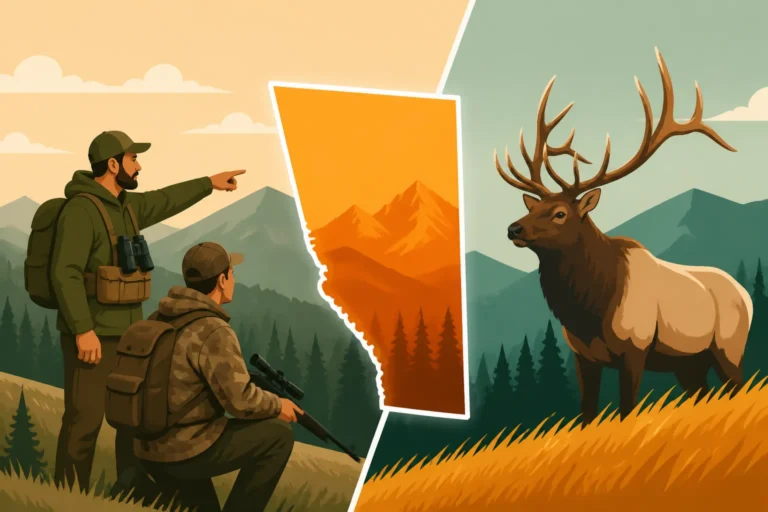
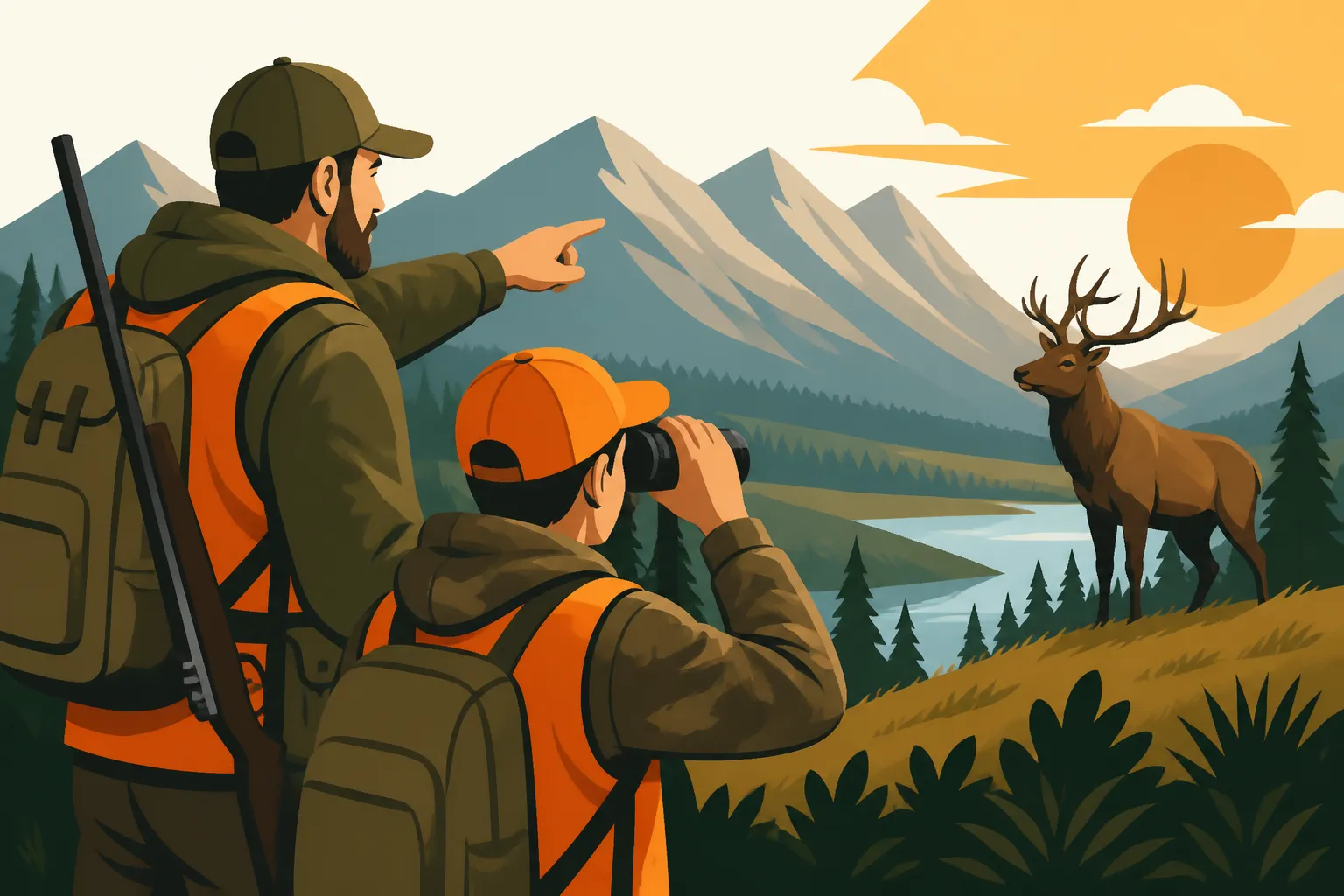
A guided hunt typically begins well before sunrise, with an early breakfast at camp. Your guide will outline the day's plan, which might involve driving to a specific area, walking into a stand, or perhaps embarking on a long hike. Their role is multifaceted: they are your tracker, your spotter, your navigator, and your teacher. They'll actively look for game, interpret fresh sign, and position you for the best possible shot opportunities.
Throughout the day, they’ll offer advice on everything from proper shooting form to staying quiet in the woods. They’ll also be the ones field dressing and packing out any game you harvest, teaching you proper meat care, like Meat Care in Alberta's Cold and Warm Swings. Expect long days in the field, often culminating in dinner back at camp where stories are shared and plans for the next day are made. The guide's priority is not just to help you harvest an animal, but to ensure you have a safe, educational, and enjoyable experience, making it a truly hands-on learning opportunity.
Gear, Fitness, and Preparation Advice
When it comes to gear, your outfitter will provide a detailed list of what to bring, covering everything from appropriate clothing layers for Alberta's unpredictable weather to your firearm or bow. For a first-timer, resist the urge to buy every new gadget. Focus on essentials: good quality boots, layered clothing, rain gear, and a comfortable pack. Your outfitter might even offer rental options for certain items.
| Item Type | Key Considerations for First-Timers | Importance |
|---|---|---|
| Footwear | Broken-in, waterproof, insulated boots for varied terrain and weather. | High |
| Clothing | Layered system (base, mid, outer), blaze orange (required), quiet fabrics. | High |
| Backpack | Comfortable, well-fitting day pack for essentials, water, snacks. | Medium |
| Optics | Binoculars (8x-10x) and rangefinder (optional, but helpful). | High |
| Firearm/Bow | Practice extensively before the hunt; ensure familiarity and accuracy. | Critical |
| Navigation | GPS or satellite messenger (guide will have, but good to know). | Medium |
| Personal | Headlamp, knife, small first-aid kit, water bottle/hydration pack. | High |
Physical fitness is often overlooked but incredibly important. You don't need to be a marathon runner, but being able to walk several miles a day over uneven terrain, potentially carrying a pack, is crucial. Start a conditioning program well in advance. Practice shooting your chosen weapon frequently from various positions to ensure you're confident and accurate. Remember, your guide will put you in position, but making the shot is entirely up to you. For non-residents, understanding Rules for Non-Residents Hunting Alberta is also key, especially regarding firearm declarations.
Setting Realistic Expectations for Success
This is probably one of the most vital points for any new hunter: managing expectations. A guided hunt significantly increases your chances of success compared to going it alone, but it is hunting, not grocery shopping. There are no guarantees. Weather, animal movement, and even your own shooting ability all play a role.
Focus less on the "kill" and more on the overall experience. Embrace the learning, the time spent in nature, and the camaraderie with your guide. If you go into it with an open mind and a willingness to learn, you'll come away with a rich experience, regardless of whether you punch your tag. Success for a first-timer might be defined by understanding animal behavior, improving your tracking skills, or simply making a good shot opportunity, even if the animal eludes you. An outfitter's reported success rates, while helpful, are typically based on experienced hunters, so temper your personal expectations.
Choosing the Right Outfitter and Package for Your First Hunt
The choice of outfitter can make or break your first guided hunt experience. With many reputable operations across Alberta, finding the one that best suits your needs as a beginner requires careful research. Don't rush this step; invest the time to ensure you pick a professional and supportive team.
Researching Outfitters and Their Reputations
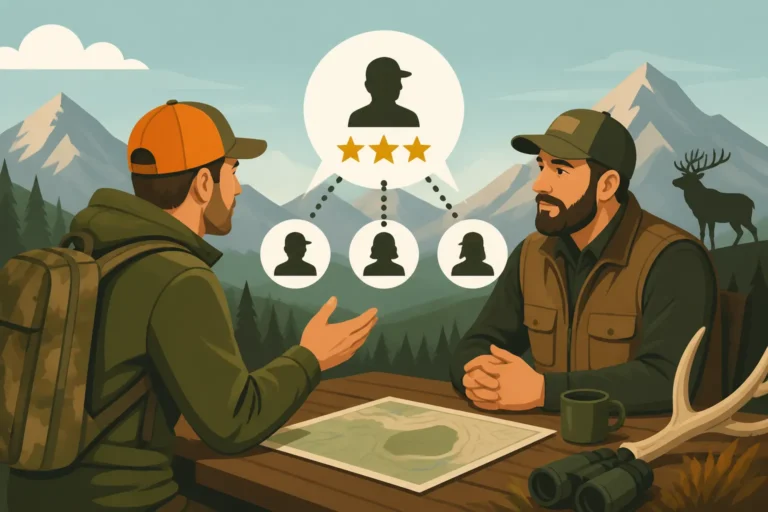
Start your research early, ideally a year or more in advance, as popular outfitters book up quickly. Platforms like BookYourHunt are excellent resources for exploring a wide range of outfitters, comparing their offerings, and reading reviews from past clients. Look for outfitters who specifically mention catering to first-time hunters or those who emphasize educational aspects of their hunts.
Beyond online platforms, delve into their websites, social media, and any hunting forums where their services might be discussed. Pay close attention to consistency in positive feedback and how they respond to any negative comments. Once you have a shortlist, ask for references—and definitely call them! Speaking with previous clients, especially those who were also first-timers, can provide invaluable insights into the outfitter's communication style, guide quality, and overall camp atmosphere. Remember, you're not just booking a hunt; you're booking an experience with people. To understand more about the process, reading up on Choosing the Right Alberta Outfitter can be incredibly helpful.
Understanding Hunt Packages and Inclusions
Outfitters offer various packages, which can include different species, hunt durations, and levels of service. For a first-timer, a general deer hunt (whitetail or mule deer) is often a great starting point, as these species are common and provide ample learning opportunities. Understand what is explicitly included in the package price. This usually covers guide services, lodging, meals, and field transportation.
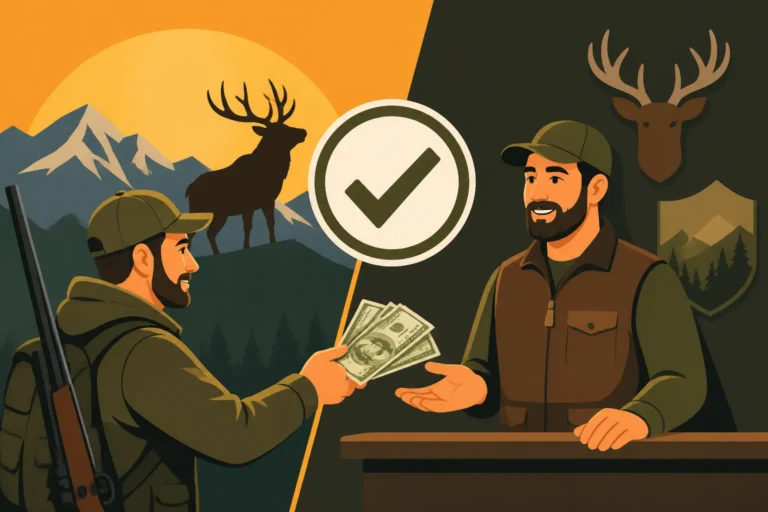
What's not included is equally important. Often, licenses, tags, trophy fees (if applicable, especially for non-residents), meat processing, taxidermy, travel to and from Alberta, and tips for your guide are separate costs. Don't be afraid to ask for a detailed breakdown of all potential expenses. A clear understanding of the financial commitment upfront prevents any unpleasant surprises down the road. Some outfitters might offer specific Alberta Youth and First-Timer Guided Hunts, which could have tailored inclusions. You can also explore options on sites like GoHunt, which often provide details on different package types and what to consider.
Asking the Right Questions Before You Book
Once you've narrowed down your choices, prepare a list of questions for the outfitter. Think about what truly matters to you as a first-timer.
- "How many first-time hunters do you take each year, and what kind of support do you offer them?"
- "What is your typical hunter-to-guide ratio for a beginner?" (1:1 is ideal for personalized attention).
- "Can you describe a typical day on your hunt for a new hunter?"
- "What kind of physical shape should I be in for this specific hunt?"
- "What gear do you recommend, and do you have any equipment I can rent or borrow?"
- "What is your policy if I don't harvest an animal?"
- "Are there any additional costs I should be aware of beyond the package price?"
- "What steps do you take for hunter safety in the field and at camp?"
A reputable outfitter will welcome these questions and provide clear, honest answers. Their willingness to communicate openly is a strong indicator of their professionalism and dedication to their clients. This conversation is also your chance to gauge their personality and ensure it aligns with the experience you’re hoping for.
Making the Most of Your First Guided Experience
Your first guided hunt is more than just a trip; it's an investment in learning, adventure, and potentially a lifelong passion. To truly get the most out of it, approach it with an eager mind and a willingness to fully immerse yourself in every aspect of the experience.
Embracing the Learning Opportunity
Think of your guide as a walking encyclopedia of local wildlife, terrain, and hunting wisdom. Ask questions—lots of them! Why are we hunting this specific ridge? What does that deer sign tell you? How do you judge a buck from a doe at a distance? The more you engage, the more you'll learn. Don't be afraid to admit what you don't know; that's exactly why you're there.
Observe your guide's movements, their patience, their methods for glassing, and how they approach a stalk. Every moment in the field with an experienced professional is a valuable lesson. Take notes, mental or physical, about what you learn. This active engagement will transform your hunt from a simple outing into a foundational learning experience, providing you with skills that will serve you well in future hunts, whether guided or unguided. Learning the nuances of Reading Whitetail Sign in Alberta Aspen Bluffs or Glassing an Alberta Coulee for Mule Deer will stick with you for years.
Post-Hunt Logistics and Memory Making
After a successful harvest, your guide will typically handle the field dressing and retrieval, often explaining the process as they go. This is another prime learning opportunity. Understand how to properly care for the meat, especially in varying temperatures, to ensure it's high quality when it reaches your freezer. Many outfitters have arrangements with local meat processors, which can simplify this step. They'll also assist with trophy care, whether it's caping for a shoulder mount or preparing the antlers for transport.
Beyond the practicalities, take time to savor the memories. The silence of a morning sunrise in the foothills, the thrill of spotting game, the intense focus before a shot, and the feeling of accomplishment after a successful harvest – these are the moments that truly define hunting. Take photos, keep a journal, and relish the stories. Your first guided hunt in Alberta is a significant milestone, and the lessons learned, the friendships forged, and the connection to the wilderness will stay with you long after you've returned home.
Disclaimer
This article is for general informational purposes only and does not constitute professional advice. Laws, prices and regulations vary by location and change over time. Consult a qualified professional for guidance on your specific situation.