Signing an Outfitter Liability Waiver
Getting ready for an exciting Alberta hunting trip can be a whirlwind of anticipation, planning, and paperwork. Among all the permits, licenses, and booking confirmations, you'll almost certainly encounter a liability waiver – a document that can feel daunting, confusing, and sometimes even a little intimidating. But don't let it be! This guide is here to walk you through what these waivers mean in the context of an Alberta hunt, what to look for, and why understanding them is a crucial part of your preparation.
What Exactly Is a Liability Waiver in the Context of an Alberta Hunt?
When you sign up for a guided hunting trip, whether it's through a local outfitter or booked via platforms like BookYourHunt, you're not just agreeing to pay for a service; you're often entering into a legal agreement that includes a liability waiver. This document isn't meant to spoil your fun, but rather to clearly define the risks involved in an activity like hunting and to outline the responsibilities of both you, the hunter, and the outfitter providing the service. It's a standard business practice, especially in activities that involve inherent risks, which hunting in Alberta definitely does.
The Basic Purpose of a Waiver
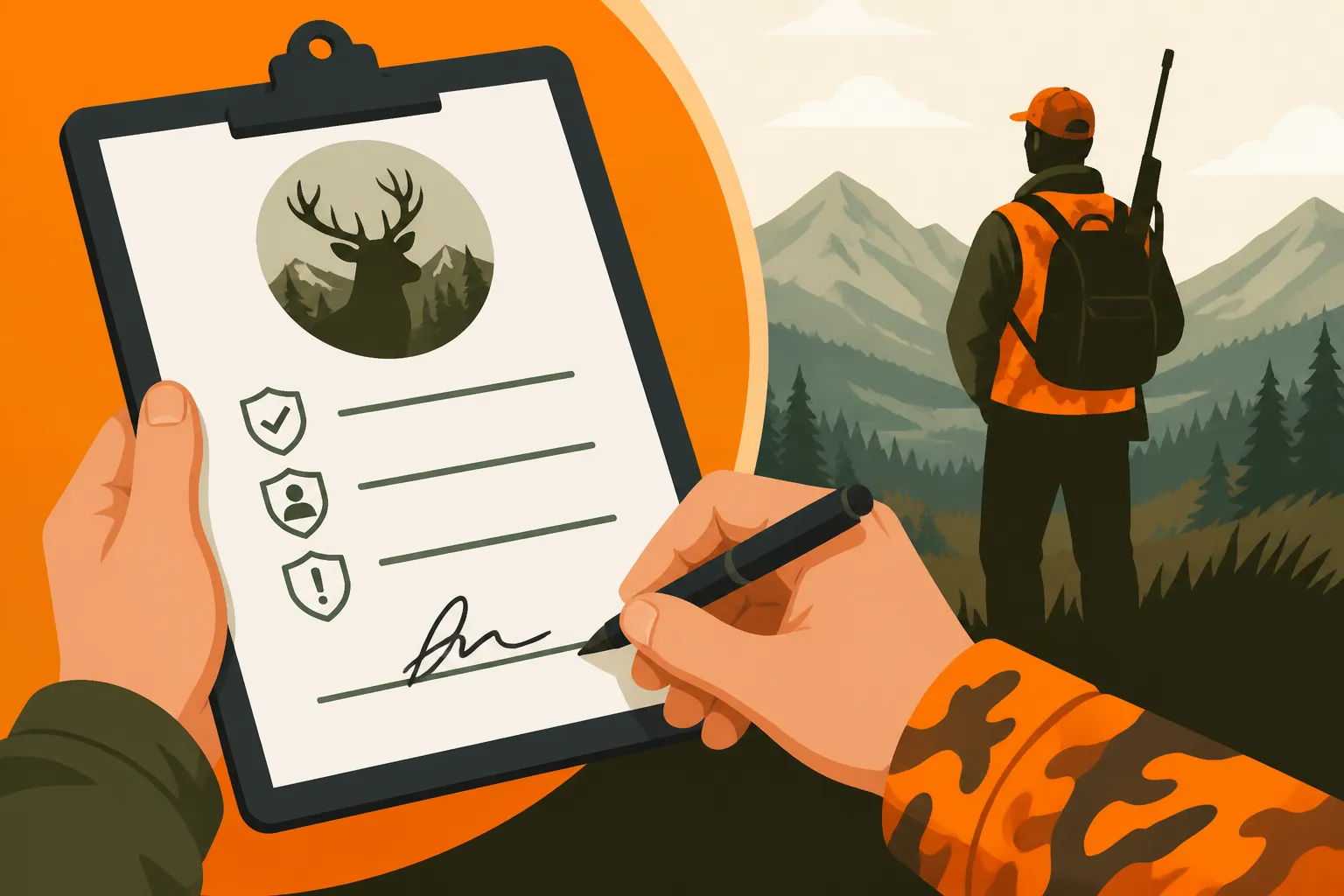
At its core, a liability waiver is a legal document where you, as the participant, acknowledge that you understand and voluntarily accept certain risks associated with an activity. In return, you agree to release the outfitter from liability for injuries or damages that might occur due to those identified risks. Think of it as a transparent discussion about what could happen out in the wilderness – from a slip on a rocky trail to an unexpected encounter with wildlife – and who bears the responsibility if those events unfold. It's about setting clear expectations before you ever step foot in the bush or on the prairie.
For instance, an Alberta hunt involves inherent dangers that simply can't be eliminated. You're dealing with wild animals, often in remote and rugged terrain. You might be using firearms, traveling on quads or horses, or enduring unpredictable weather. A reputable outfitter isn't trying to hide these risks; they're simply ensuring that you're aware of them and that you take personal responsibility for the choices you make during the hunt. It protects their business from unforeseen circumstances and claims arising from accidents that are simply part of the outdoor adventure.
What an Outfitter Seeks to Protect Themselves From
Outfitters in Alberta operate businesses that face significant potential liabilities. If a hunter were to get injured due to a mishap that wasn't the outfitter's fault, the financial implications could be devastating for their operation. Therefore, a waiver primarily serves to protect the outfitter from claims related to the inherent risks of hunting. This often includes accidents caused by natural conditions, wildlife behavior, or even your own missteps, as long as the outfitter hasn't acted negligently or recklessly.
It’s crucial to understand the distinction between inherent risk and negligence. If you slip on an icy game trail in the morning, that’s an inherent risk of hunting in Alberta’s varying conditions, and the waiver would likely protect the outfitter. However, if the outfitter knowingly provided you with a faulty ladder stand that broke, causing injury, that could be considered negligence, and a waiver typically cannot absolve them of responsibility for gross negligence or willful misconduct. The waiver is designed to cover the 'what ifs' of the wild, not to excuse poor judgment or intentional wrongdoing on the part of the guide. It helps ensure that everyone involved understands the boundaries of accountability for what can often be a challenging and demanding pursuit.
Key Clauses and Terms You'll Encounter in an Alberta Hunting Waiver
When you're presented with a liability waiver for an Alberta hunting trip, it's easy to feel overwhelmed by legal jargon. However, breaking down the common clauses can help you understand what you're actually signing. These documents are designed to be comprehensive, covering a broad spectrum of potential scenarios that could arise during your time in the field. Understanding these terms is the first step in protecting yourself and ensuring a smooth hunting experience.
Acknowledgment of Risks
This is perhaps the most fundamental part of any liability waiver. It's where you formally state that you understand the dangers associated with hunting. In Alberta, these risks can be quite varied and significant. You might acknowledge the potential for dangerous wildlife encounters, such as an aggressive black bear at a bait site, or even a territorial moose during the rut. The wilderness isn't a petting zoo, and these animals are wild and unpredictable.
Furthermore, you'll likely acknowledge risks related to the natural environment itself. This could include slipping and falling on uneven, rocky, or muddy terrain, especially when traversing steep coulees or crossing frozen creeks while Hunting a Frozen Slough Crossing. You might also face adverse weather conditions, from sudden blizzards and extreme cold during a late-season hunt to intense heat and dehydration in the early archery seasons. The use of firearms, archery equipment, or even transportation methods like ATVs, horses, or trucks on rugged backroads also carries inherent risks, and these will typically be explicitly stated. It's all about ensuring you know what you're getting into, from the moment you consider Hunting Alberta Winter Weather Safely to the final steps of your hunt.
Assumption of Risk and Release of Liability
Once you've acknowledged the risks, the waiver will usually move on to the "assumption of risk" clause. This is where you, the hunter, formally agree that despite understanding these dangers, you are voluntarily choosing to participate in the activity. By assuming these risks, you are essentially saying, "I know what could happen, and I'm okay with that." It's a powerful statement that shifts a certain degree of responsibility onto your shoulders, signifying your active consent to the inherent dangers.
Following this is the "release of liability" section, which is the legal consequence of assuming those risks. Here, you agree not to hold the outfitter, their guides, employees, or associates responsible for any injuries, damages, or losses that might occur as a direct result of those assumed risks. For example, if you trip over a root while walking through the bush and sprain your ankle, the outfitter would typically be released from liability, as tripping is considered an inherent risk of walking in natural terrain. However, as noted before, this release generally does not extend to situations of gross negligence, reckless conduct, or intentional harm on the part of the outfitter. It's about protecting them from the true "accidents" of the wild, not from their own serious mistakes.
Indemnification Clauses
Indemnification is a clause that often catches people off guard, but it's important to understand. In essence, an indemnification clause states that if a third party brings a claim or lawsuit against the outfitter as a result of your actions during the hunt, you agree to "indemnify" or protect the outfitter from those claims. This means you would be responsible for any legal costs, damages, or settlements that the outfitter incurs as a consequence.
For example, imagine you are stalking a mule deer on private land, for which the outfitter secured permission. You accidentally damage a farmer's fence or leave a gate open, allowing cattle to escape. If the farmer then sues the outfitter for damages, the indemnification clause would mean you are obligated to cover the outfitter's legal defense and any resulting payout. It's a way for the outfitter to shield themselves from liabilities that arise directly from the actions or omissions of their clients. It highlights the importance of being responsible and respectful of the land and others, especially when navigating areas like Asking a Grazing Leaseholder for Access.
Medical and Emergency Treatment Consent
Given the often-remote locations of hunting camps, especially when you're Backpacking Into Alberta Sheep Country or deep in the boreal forest while Hunting Moose Along Cutlines and Seismic Lines, most waivers will include a section regarding medical treatment and emergency situations. This clause usually grants the outfitter, or their designated guides, permission to seek medical attention on your behalf in the event of an emergency where you are unable to communicate your wishes. This could involve administering first aid, contacting emergency services (like STARS air ambulance), or arranging for transportation to the nearest medical facility.
Crucially, this clause will almost always stipulate that you, the hunter, are solely responsible for all costs associated with such medical care and transportation. This is a critical point that emphasizes the need for personal medical insurance, travel insurance, or specific hunting insurance that covers emergency evacuation and medical expenses. The outfitter is facilitating access to care, but they are not assuming financial responsibility for it. Understanding this clause underscores why proper insurance is not just a good idea, but an absolute necessity for any hunting adventure.
Your Rights and Responsibilities When Signing an Alberta Hunting Waiver
Facing a legal document like a liability waiver can feel like a one-sided affair, but as a hunter, you absolutely have rights and responsibilities throughout the process. It's not just about signing on the dotted line; it's about informed consent and ensuring you feel comfortable and secure with the terms. A good outfitter, much like those you might find listed on resources like GoHunt, will appreciate a hunter who takes the time to understand these critical documents.
Read Everything Carefully, and Ask Questions
This might seem obvious, but it's the most vital piece of advice. Do not simply skim the waiver or sign it without reading every single word. Legal documents are precise, and even a minor phrase can have significant implications. Take your time. Read it in a quiet place where you can focus. If you're booking well in advance, an outfitter should ideally provide the waiver with your initial booking paperwork, giving you ample time to review it before your trip even begins. This is far better than being handed a waiver moments before you load into the truck to head into the bush.
If there's anything you don't understand – a term, a clause, or a hypothetical scenario – ask your outfitter for clarification. A reputable outfitter will be happy to explain the document in plain language. Their goal is transparency, not trickery. If an outfitter seems impatient, dismissive, or unwilling to explain the terms of their waiver, consider that a significant red flag. This conversation is part of the overall process of How to Vet an Alberta Outfitter and ensuring you have chosen wisely. It's your right to comprehend what you're agreeing to before you commit to a potentially serious hunt, such as Booking an Alberta Bighorn Sheep Hunt.
Understanding What Cannot Be Waived
While waivers are powerful legal tools, they are not absolute. There are certain types of conduct and liability that generally cannot be waived, regardless of what the document says. The most significant of these is typically gross negligence, willful misconduct, or illegal acts on the part of the outfitter or their staff. Simple negligence, such as a guide forgetting to pack an extra snack, might be covered by a waiver. But gross negligence, like a guide knowingly putting you in an extremely dangerous situation without proper safety precautions, is a different story.
For example, if your guide intentionally leads you into a clearly marked, dangerous bear den knowing the risk of an unprovoked attack, and you are injured, a court would likely find that the waiver does not apply due to gross negligence. Similarly, if an outfitter actively engages in illegal hunting practices, and you are harmed as a result, they cannot use a waiver to escape accountability. It’s important to understand this distinction. These waivers are for the inherent risks of hunting, not for excusing a guide's severe dereliction of duty or criminal activity. If you have questions about the scope of an outfitter's liability, it's always wise to consult with independent legal counsel, especially for high-value or complex expeditions.
The Importance of Personal Insurance and Emergency Preparedness
A liability waiver focuses on what the outfitter is not responsible for. It does not mean that if you get injured, your medical bills are magically covered. That's where your personal responsibility and proper planning come in. It is absolutely paramount to ensure you have adequate personal medical insurance that covers accidents and emergencies, especially when participating in outdoor activities in potentially remote areas. Beyond standard health insurance, consider dedicated Travel Insurance for a Hunting Trip or even specialized hunting insurance policies that often cover things like emergency medical evacuation, trip cancellation, or lost equipment.
Imagine a scenario where you're deep in the Kananaskis, Hunting a Foothills Bench Above a Creek, and you suffer a severe fall. Getting you out could require an expensive helicopter evacuation. Without proper insurance, those costs would fall entirely to you, despite any waiver. Outfitters often recommend or even require proof of certain insurance coverage for this very reason. Beyond insurance, basic emergency preparedness is also your responsibility. Packing a robust first-aid kit, carrying a satellite communication device for areas without cell service, and understanding the outfitter's emergency plan are all critical steps. Having a well-prepared Emergency Plans in Alberta's Backcountry is as much your responsibility as it is your outfitter's.
Practical Tips for Navigating the Waiver Process
Navigating an outfitter liability waiver doesn't have to be a stressful experience if you approach it with a clear head and a proactive mindset. Think of it as another essential piece of your hunting preparation, just like scouting for Reading Whitetail Sign in Alberta Aspen Bluffs or packing the right gear. By being prepared for this part of the process, you can ensure peace of mind and focus on the excitement of your upcoming Alberta hunting adventure.
When to Expect the Waiver
Ideally, a reputable outfitter will provide you with the liability waiver well in advance of your hunting trip. This typically happens as part of the initial booking package, alongside your contract, deposit information, and other relevant documents. Receiving the waiver early is a huge advantage, as it gives you ample time to read it thoroughly, ask any questions, and even seek legal advice if you feel it's necessary. This is especially true for significant investments like a What an Alberta Guided Moose Hunt Includes or other big game hunts.
Be wary of outfitters who spring the waiver on you at the last minute – for example, when you arrive at camp, or worse, just as you're about to head out into the field. This rushed scenario doesn't allow for proper review and can put undue pressure on you to sign something you haven't fully understood. If this happens, politely request time to read it before signing. Remember, signing such a document is a serious legal commitment, and you deserve the opportunity to do so thoughtfully. Don't be shy about reaching out to the outfitter weeks or months before your hunt if you haven't received it yet; proactive communication is key to a successful partnership, whether you're inquiring about Booking an Alberta Hunt Off-Season or confirming hunt details.
Don't Be Afraid to Negotiate (Within Reason)
While most liability waivers are standard forms for an outfitter's operations and are not typically open for extensive negotiation, it doesn't hurt to ask questions about specific clauses if something genuinely gives you pause. You might not be able to rewrite entire sections, but sometimes minor clarifications or assurances can be added in writing if both parties agree. For instance, if a clause seems ambiguous regarding a specific activity you plan to engage in, asking for clarity and perhaps a written confirmation of that clarity can be beneficial.
However, it's important to be realistic. Most outfitters have their waivers reviewed by legal counsel and rely on them for their business protection. Expecting to make significant changes to their standard document is often unrealistic. The goal isn't usually to change the waiver itself, but to fully understand it and ensure you're comfortable with its terms. If an outfitter outright refuses to explain anything or becomes defensive when you ask questions, it might indicate a lack of transparency or a concern about their practices. A professional outfitter will always take the time to build trust and answer Questions to Ask Before Booking.
Document Everything
Finally, cultivate the habit of documenting everything related to your hunt. Once you've signed the waiver, ensure you receive a copy for your records. This applies to all other hunting paperwork as well: your booking contract, any specific agreements, payment receipts, and communications with the outfitter. Having physical or digital copies of these documents can be invaluable if any disputes or questions arise later.
This documentation extends beyond legal papers. If you discussed specific expectations with your outfitter – for instance, a guarantee of a certain type of lodging, or specific transportation methods like quads for Getting a Moose Out With a Quad – try to get these in writing, even if it's just an email confirming the conversation. Clear communication and thorough documentation are your best friends in ensuring that your hunting experience aligns with your expectations and that any unforeseen issues can be resolved smoothly. This diligence helps you keep track of all the moving parts, from What an Alberta Guided Hunt Costs to the finer details of camp life, allowing you to relax and enjoy the wilderness without unnecessary worry.
Disclaimer
This article is for general informational purposes only and does not constitute professional advice. Laws, prices and regulations vary by location and change over time. Consult a qualified professional for guidance on your specific situation.