Snow Goose Limits and Late Seasons
It can be incredibly frustrating to miss out on prime hunting opportunities, especially when the regulations surrounding migratory birds, like the ever-elusive snow goose, seem to shift or have unique stipulations. If you've ever felt overwhelmed by the specific dates, zones, and limits for hunting snow geese in Alberta, you're not alone. This guide aims to clear up all that confusion, giving you a comprehensive understanding of Alberta's snow goose seasons, bag limits, and the fantastic late-season opportunities that many hunters overlook.
Understanding Alberta's Snow Goose Seasons and Zones
Alberta's landscape is a critical staging ground for millions of migratory birds, and snow geese are a major player in that grand migration. Unlike some other game birds, snow geese often have extended or special seasons due to their robust population numbers and, in some areas, the potential for agricultural damage. This is great news for hunters, but it means you need to pay close attention to the specific dates and zones.
General Season Dates and Zones
Typically, the regular migratory bird season in Alberta kicks off in early September, but the specifics for snow geese can vary. The province is divided into two primary Migratory Bird Hunting Zones: Zone 1 and Zone 2. These zones dictate when various species open and close, and snow geese are no exception. Zone 1 generally covers the southern and central agricultural regions, while Zone 2 encompasses the more northern boreal areas. Most of the prime snow goose hunting, however, takes place within Zone 1 as they follow the major agricultural belts.
Imagine you're trying to plan a hunt in late September. If you're in Zone 1, your season might be wide open, but if you inadvertently drift into Zone 2, you could be hunting outside the legal timeframe for some species. It’s crucial to check the official Alberta hunting regulations annually, as these dates can see minor adjustments. Missing a season opener or, even worse, hunting out of season, isn't just a missed opportunity; it carries serious penalties. Many hunters use resources like GoHunt to stay current with these dynamic regulations, ensuring they're always on the right side of the law and maximizing their time in the field.
Special Conservation Seasons for Snow Geese
One of the most exciting aspects of snow goose hunting in Alberta is the existence of special conservation seasons. These seasons are implemented to help manage the overall snow goose population, which has seen explosive growth in recent decades, sometimes leading to habitat degradation in their Arctic breeding grounds. These conservation seasons typically run both in the spring (which is a unique opportunity in itself) and, more commonly, extend well into the late fall and early winter after the regular migratory bird season has closed.
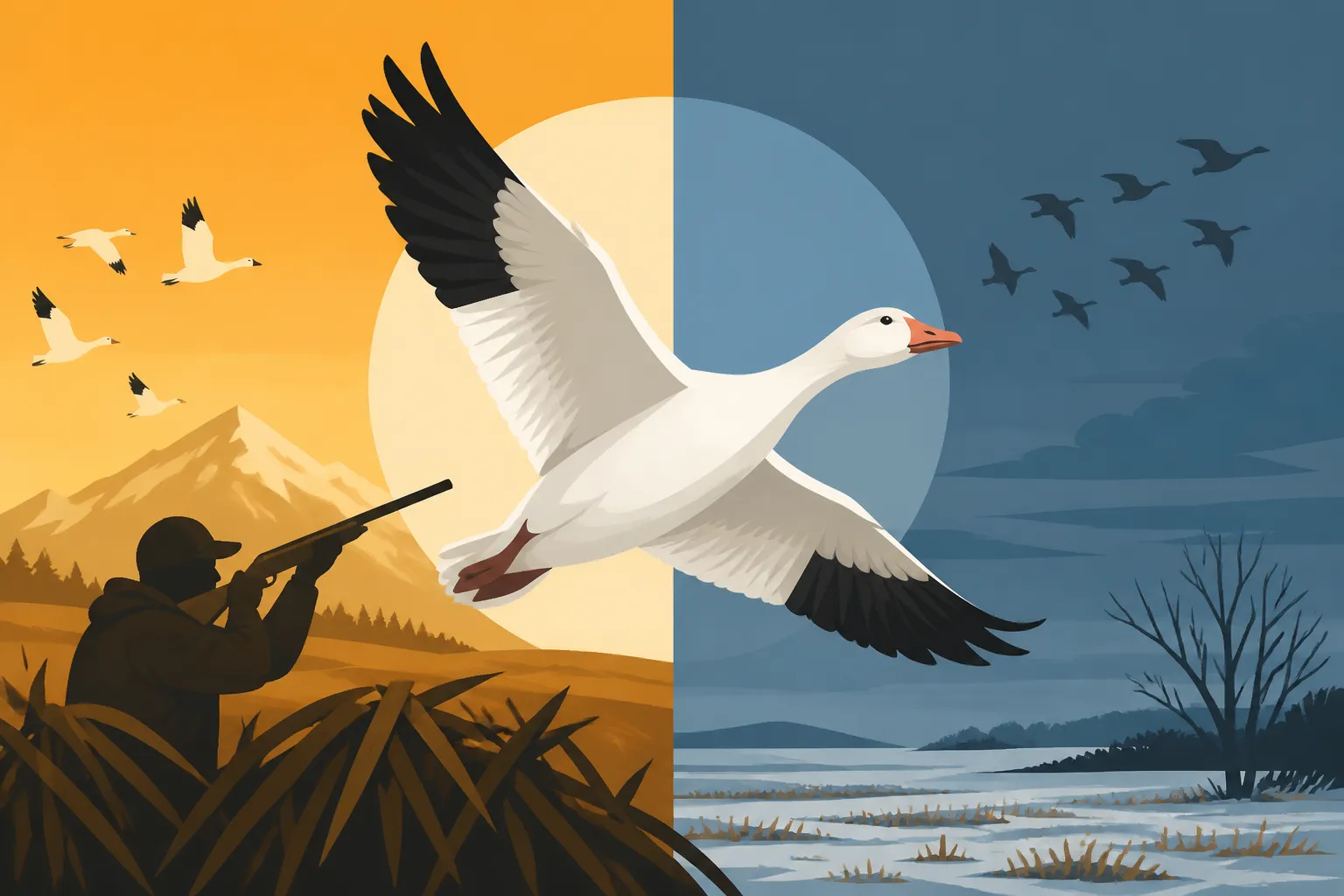
These late seasons are a massive boon for hunters. They provide extended opportunities to pursue snow geese when many other hunting seasons are winding down. You might find a conservation season running into November or even December, long after the ducks and Canada geese have pushed further south. This extended period allows for a different style of hunting, often involving larger spreads and targeting massive flocks that are still lingering or making their final push. If you’re serious about Field Hunting Geese in Alberta Stubble, these late conservation seasons are absolutely essential to capitalize on. They're a testament to the fact that effective wildlife management can create more opportunities for ethical hunters while addressing ecological concerns.
Deciphering Daily Bag and Possession Limits for Snow Geese
Understanding the difference between daily bag limits and possession limits is paramount for any hunter, especially when dealing with a species like snow geese that often have generous allowances. These limits are put in place to ensure sustainable harvesting and to distribute hunting opportunities fairly.
Daily Bag Limits Explained
The daily bag limit refers to the maximum number of birds you are legally allowed to harvest in a single day. For snow geese in Alberta, these limits are often quite high during both the general and conservation seasons, reflecting their abundant population. It's not uncommon for the daily bag limit to be 50 snow geese per hunter during conservation seasons, though again, always verify current regulations.
Let's say the daily bag limit is 50 snow geese. This means that from sunrise to sunset on a given day, you can legally shoot up to 50 snow geese. If you're hunting with a party of three, your collective daily bag limit would be 150. However, this isn't a free-for-all; each hunter must personally kill their own birds up to their individual limit. You can't, for example, have one hunter shoot 70 birds and another 30, and claim it as a group of two with a 100-bird limit. Each hunter is responsible for their own limit. This rule is crucial for maintaining fair chase and preventing a single individual from overharvesting.
Possession Limits and Their Implications
The possession limit, on the other hand, refers to the maximum number of birds you are allowed to have in your possession at any given time, whether they are fresh from the field, in your freezer, or being transported. This limit is typically higher than the daily bag limit to allow hunters to accumulate birds over several successful days. For snow geese, the possession limit can often be three times the daily bag limit, or sometimes even unlimited during special conservation seasons.
Consider a scenario where the daily limit is 50 and the possession limit is 150. If you hunt for three successful days and bag 50 geese each day, you'll reach your possession limit of 150 birds. At that point, you cannot shoot any more snow geese until some of your possessed birds are consumed, gifted, or processed in a way that reduces your total "possession." This is where proper storage and processing come in. Knowing your limits prevents you from accidentally over-possessing, which can lead to legal issues. This is why many experienced waterfowl hunters have ample freezer space or plan trips with friends to share the bounty. It's also vital to remember that these limits apply to all birds you have, regardless of where they were harvested (within legal jurisdictions).
Here’s a quick overview of typical limits, but always refer to the current Alberta hunting regulations for precise and up-to-date information:
| Season Type | Daily Bag Limit (per hunter) | Possession Limit (per hunter) | Notes |
|---|---|---|---|
| General Migratory Birds | Variable (e.g., 20-50) | Variable (e.g., 60-150) | Check specific dates by Zone 1 and Zone 2. |
| Conservation Season | Often 50 (or more) | Often Unlimited | Specifically for snow geese; verify annually. |
Remember, purchasing your Federal Migratory Game Bird Permit Cost is a non-negotiable step before you even think about hitting the field for snow geese or any other waterfowl.
Maximizing Late Season Snow Goose Opportunities
Late season snow goose hunting in Alberta is truly a spectacle, offering some of the most challenging yet rewarding experiences for waterfowl enthusiasts. The vast numbers of birds, coupled with often colder weather, create a unique hunting environment.
Why Late Seasons Are So Good for Snow Geese
The primary reason late seasons are so productive for snow geese is directly related to their migration patterns and habitat use. As the regular seasons for other waterfowl species close, huge concentrations of snow geese continue to stage in Alberta's grain fields, taking advantage of abundant waste grain to fuel their journey south. These birds are often more concentrated than earlier in the season, forming massive flocks that can number in the tens of thousands.
Furthermore, the late season generally means colder temperatures, which can make the birds more predictable. They'll often feed heavily in the morning and late afternoon to build up energy reserves, and their flight paths between roosting areas and feeding fields can become more consistent. This predictability can be a huge advantage when you're trying to pattern birds and set up a successful spread. The sheer volume of birds during this time means that even if they're wary, the odds of encountering shootable flocks are significantly higher. It's a fantastic time for hunters who have refined their skills in Setting a Goose Spread in Swathed Barley or other harvested fields.
Essential Tactics and Gear for Late Season Hunts
Hunting late season snow geese requires a slightly different approach and, often, specialized gear. The sheer scale of the flocks often demands large decoy spreads. We're talking hundreds, sometimes thousands, of decoys to effectively draw birds in. Full-body decoys, silosocks, and Sillosocks are all popular choices, often combined to create a realistic, massive spread. Blinds are also critical; snow geese have exceptional eyesight, and staying completely hidden is non-negotiable. Layout blinds are the standard for field hunting, allowing you to disappear into the stubble.
Calling is another art form entirely for snow geese. Electronic calls are legal for snow geese during conservation seasons in Canada, and they are almost a necessity for effectively working large flocks. These calls can mimic the cacophony of thousands of feeding and chattering geese, providing a powerful draw. Beyond decoys and calls, consider the weather. Late seasons mean potential for harsh conditions, so warm, waterproof clothing is crucial. You'll also want to make sure you're using Non-Toxic Shot for Alberta Waterfowl, as lead shot is illegal for migratory birds.
Lastly, scouting is king. Knowing where the birds are roosting and, more importantly, where they are feeding is the biggest factor in success. Apps like GoHunt can be invaluable for identifying potential fields, analyzing land ownership, and even understanding topography that might influence bird movement. A day spent scouting can save you days of fruitless hunting, and in the late season, finding the "X" where these birds want to be is half the battle. If you're looking to consistently put birds on the ground, truly understanding Hunting Alberta's Waterfowl and Migration Routes will give you a significant edge.
Scouting and Land Access for Alberta Snow Geese
Finding the birds is one thing, but getting permission to hunt them on private land is often the biggest hurdle. Alberta's agricultural landscape is predominantly privately owned, making landowner relations a key aspect of successful hunting.
Leveraging Technology for Scouting and Permissions
In today's hunting world, technology has become an indispensable tool for scouting. Satellite imagery from apps like GoHunt allows you to virtually "fly over" potential hunting areas, identifying large stubble fields, water bodies (where geese might roost), and access points. You can spot patterns in the land, locate potential pinch points, and even estimate the type of crop that was harvested, which can influence goose preferences. This is a game-changer for Scouting Fields for Alberta Waterfowl.
Once you've identified promising fields, the next step is often securing permission. While technology helps with scouting, a personal approach is usually best for gaining access. Researching landownership using tools that show property lines can help you identify the right person to contact. Then, it's about knocking on doors, introducing yourself respectfully, and asking for permission. Being polite, offering to share some of your harvest, and always leaving the land cleaner than you found it goes a long way in building trust and securing future access. Some hunters even use GoHunt to help log their contacts and access agreements, making it easier to return to successful spots year after year.
Dealing with Large Flocks and Wary Birds
Late season snow geese can be incredibly wary. They've been hunted for months, and they've learned to avoid obvious threats. This means your blind concealment needs to be absolute, and your decoy spreads need to look as natural and inviting as possible. While large spreads are effective, consistency in your spread is key. Avoid obvious gaps or unnatural patterns. Using a mix of feeder, sentry, and sleeper decoys adds to the realism.
The sheer volume of birds also presents a unique challenge. When thousands of snow geese are swirling overhead, they can appear overwhelming. Focus on small groups or individuals that commit to the spread. Don't pull the trigger too early, and ensure your shot is clean and ethical. Running a large Hunting a Big Snow Goose Spread can be exhilarating, but requires patience and discipline. It’s not uncommon to wait for the perfect moment when a smaller subset of birds descends directly into your killing zone, even when thousands are in the air. This patience is often the difference between a few birds and a limit.
Disclaimer
Please note that hunting regulations, including season dates, bag limits, and specific rules for conservation seasons, can change annually. It is the individual hunter's responsibility to consult the most current Alberta hunting regulations and federal migratory bird regulations before participating in any hunting activity. The information provided in this guide is for general informational purposes only and should not be considered legal advice.