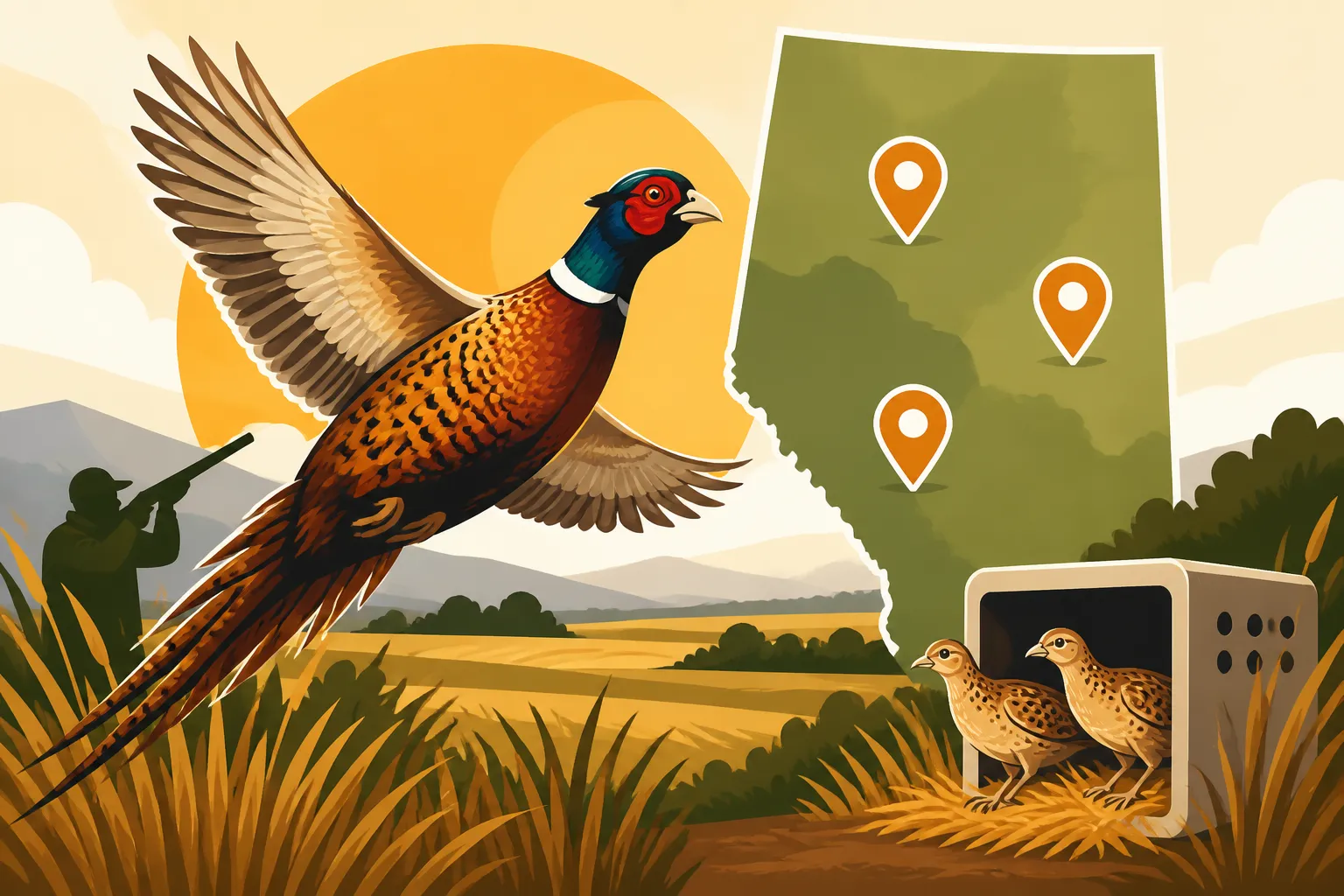
Pheasant Season Dates and Release Sites
Trying to figure out where and when you can chase pheasants in Alberta can feel like a real puzzle, especially with all the nuances between general seasons and dedicated release sites. Many hunters get frustrated, spending hours sifting through regulations only to find that prime pheasant opportunities aren't always where you'd expect them. This guide is here to untangle those complexities, giving you a clear roadmap to understanding Alberta's pheasant season dates and, more importantly, how to leverage those vital release sites for a rewarding hunt.
Deciphering Alberta's Pheasant Season Dates
Alberta's pheasant season isn't a one-size-fits-all affair, and understanding the dates is the first step to a successful hunt. Unlike some other game birds, pheasants often require a bit more homework, especially if you're targeting the birds released through conservation programs.
General Season Structure for Upland Birds
Typically, the general upland bird season in Alberta kicks off in early October and extends into late November or early December, depending on the specific Wildlife Management Unit (WMU). For wild populations of pheasants, if you're lucky enough to find them, these are the dates you'd adhere to. However, truly wild, self-sustaining pheasant populations in Alberta are not widespread, which is why the focus often shifts to released birds. It’s crucial to remember that these general dates are broad strokes, and local nuances can drastically change your hunting plans. Always, and I mean always, consult the current Alberta Guide to Hunting Regulations to confirm opening and closing dates for your chosen WMU, as they can shift slightly year to year. These regulations will also detail bag limits and possession limits, which are vital for staying legal.
When you're looking at the regulation books, you'll see sections dedicated to upland game birds, and within those, the specifics for pheasants. They generally fall under the broader category that includes sharp-tailed grouse and Hungarian partridge, but pheasants often have their own unique carve-outs. This is particularly true for areas where active release programs are in place. These programs are often designed to extend hunting opportunities beyond what natural populations could sustain, creating accessible pheasant hunting zones for keen bird hunters. Understanding the general framework helps you appreciate the specific rules governing release sites. If you’re interested in hunting other upland species, you might want to look into the broader topic of Upland Bird Hunting in Alberta for a more comprehensive view of the province’s diverse opportunities.
Specific Season Dates for Release Sites
This is where Alberta's pheasant hunting really comes alive for many, thanks to the dedicated efforts of organizations like the Alberta Conservation Association (ACA). Pheasant release sites operate under specific, often extended, season dates that differ from the general upland bird season. These seasons are designed to maximize hunter opportunity and typically run from mid-October right through to the end of December, sometimes even into early January. The exact start and end dates can vary slightly by the specific release site, so it's not enough to just know the general provincial dates. You need to know the dates for the specific site you intend to hunt.
The reason for these extended and specific seasons is directly tied to the nature of the birds being hunted: they are released game farm pheasants. These birds are stocked to provide a hunting experience, and the season dates are set to accommodate the release schedule and hunter pressure. It's a fantastic program that gives hunters, especially those with bird dogs, a real chance to get out and enjoy some classic pheasant flushing action. When planning your hunt, a tool like GoHunt can be invaluable for pinpointing specific WMU boundaries and understanding land classifications, helping you cross-reference with official release site information. This kind of diligent pre-hunt research is critical for avoiding disappointment and ensuring you're hunting legally. For a more general overview of game bird seasons, checking out Alberta Game Bird Seasons and Limits can provide broader context.
Navigating Alberta's Pheasant Release Sites
The vast majority of pheasant hunting opportunities in Alberta come from designated release sites, primarily managed and stocked by the Alberta Conservation Association (ACA). These sites are a game-changer for bird hunters, offering accessible, managed experiences in areas where wild pheasant numbers might be low or non-existent.
The Alberta Conservation Association's Pheasant Release Program
The Alberta Conservation Association (ACA) runs a highly successful Pheasant Release Program that is the backbone of pheasant hunting in the province. Each year, the ACA raises and releases thousands of pheasants across various sites, primarily in central and southern Alberta. These birds are specifically bred for hunting purposes, providing a thrilling experience for hunters and their dogs. The program aims to create sustainable hunting opportunities, educate hunters on responsible practices, and contribute to wildlife conservation efforts. Without the ACA's dedication, pheasant hunting would be a much rarer pursuit for many Albertans.
These release sites aren't just random fields; they are carefully selected areas, often involving partnerships with private landowners, to ensure suitable habitat and safe hunting conditions. Locations like those around Taber, Brooks, and Medicine Hat in the south, or even some areas stretching north towards Calgary, often feature prominently in the ACA's release schedules. The ACA also often provides details on their website regarding specific site locations, maps, and any unique rules or conditions for each area. This level of detail is a godsend for hunters trying to plan their trips. If you're using a digital mapping tool, knowing the precise boundaries provided by the ACA can be cross-referenced with your Scouting With Satellite Imagery in Alberta efforts to identify potential holding cover like heavy brush, tall grass, or cattail sloughs where these pheasants love to hide.
Accessing Release Sites and Required Permissions
Gaining access to these ACA pheasant release sites is usually straightforward, but it does come with its own set of rules and requirements. Many of these sites are situated on private land, which means respecting landowner permission is paramount. The ACA often negotiates agreements with landowners, allowing hunters access under specific conditions. In many cases, hunters are required to register and obtain a free ACA Pheasant Release Site Access Pass or card before hunting. This pass typically indicates your agreement to abide by site-specific rules, such as parking in designated areas, respecting crops, and being aware of other users.
It's critical to understand that while these sites offer public hunting opportunities, they are not entirely "Crown land." You're hunting by special agreement. Therefore, always check for signage at the entrance to a site and carry any required passes or documentation. Failure to do so could result in a trespass violation or even the loss of hunting privileges. The ACA usually has detailed maps and information about each site on their website, including whether a specific permission slip is needed beyond the general access pass. Some landowners might have specific requests, such as calling ahead or avoiding certain fields, which are usually clearly communicated. For broader advice on ethical access, delving into Getting Private Land Permission in Alberta can offer valuable insights, as the principles often apply even with ACA-managed access. Many hunters find platforms like GoHunt useful for pre-scouting, helping to visualize the terrain and potential holding cover before they ever set foot on a site.
Here's a simplified look at what you might expect for typical pheasant release sites:
| Release Site Example | General Location | Access Type | Key Notes |
|---|---|---|---|
| Taber North | Near Taber, Southern AB | ACA Access Pass | Good mix of native grass and croplands. Requires ACA Pheasant Release Site Access Pass. Check ACA website for exact boundaries and any new restrictions. |
| Brooks East | Near Brooks, Southern AB | ACA Access Pass | Features irrigation canals and heavy cover. Popular, so expect other hunters. Always wear blaze orange. |
| Medicine Hat Corridor | Near Medicine Hat, AB | ACA Access Pass/Private | Blend of public and private parcels. Some areas may require additional landowner contact even with an ACA pass. |
| Vulcan South | Near Vulcan, Central AB | ACA Access Pass | Mixed farming landscape, provides good dog work. Follow all signage and stay out of unharvested fields. |
| Acme Flats | Near Acme, Central AB | ACA Access Pass | Excellent cover, often good for later in the season. Respect farm operations and parked machinery. |
Remember, this table is illustrative. Always refer to the current ACA website and Alberta Hunting Regulations for the most up-to-date and specific information.
Strategies for a Successful Pheasant Hunt at Release Sites
Hunting pheasants at release sites offers a unique blend of challenge and opportunity. While the birds are released, they quickly revert to wild instincts, making them cunning and elusive. A well-planned approach, coupled with good dog work and ethical behavior, will significantly increase your chances of success.
Best Practices and Hunter Etiquette
When hunting at pheasant release sites, particularly those managed by the ACA, a few best practices and etiquette guidelines will make your hunt more enjoyable and safer for everyone. Firstly, always wear blaze orange. These sites can see significant hunter pressure, especially on weekends, and wearing highly visible clothing is non-negotiable for safety. Beyond that, be respectful of other hunters. If you see another group working a field, give them ample space. Don't crowd them or cut in front of their dogs. Communication is key; a friendly wave or quick chat can prevent misunderstandings and ensure everyone has a good experience. For a refresher on safety, consider reviewing Alberta Blaze Orange and Safety Rules.
Secondly, respect the land. These sites are often on private property, and maintaining good relationships with landowners is crucial for the continuation of these programs. This means sticking to designated parking areas, closing gates behind you, not driving on or through fields (especially unharvested ones), and picking up any litter, including spent shotgun shells. Remember, you are a guest on someone else's land, and your actions reflect on the entire hunting community. If you harvest a bird, retrieve it quickly and cleanly. Don't leave wounded birds in the field. This commitment to ethical hunting ensures these opportunities remain available for years to come.
Thirdly, work with your hunting partners and dogs. Pheasant hunting is often a team sport. Whether you're hunting with a pointing dog or a flushing dog, allow them to do their work. A good dog can transform a pheasant hunt, making it far more productive and enjoyable. If you’re not hunting with a dog, consider walking fields slowly and methodically, using natural cover to your advantage. Pheasants love to run and hide in the thickest stuff, so push into those areas. If you’re new to hunting with dogs, our guide on Using a Pointing Dog on Alberta Prairie offers some excellent starting points.
Essential Gear and Preparation
Proper gear can make or break your pheasant hunting experience. First off, your shotgun. A 12-gauge or 20-gauge shotgun is typically ideal, with improved cylinder or modified chokes for shots at flushing birds. Ammunition choice is also important. While many upland birds don't strictly require non-toxic shot in Alberta, some hunters choose to use it, especially if hunting near water bodies where migratory birds might be present. Always check the regulations for any specific shot requirements for the area you're hunting. For example, if you're hunting other migratory birds as well, reviewing Non-Toxic Shot for Alberta Waterfowl would be a good idea. For pheasants specifically, lead shot is generally permissible, but confirming current rules is always wise.
Beyond your firearm, comfortable and durable clothing is a must. Pheasant hunting often involves walking through thick, thorny cover, so briar-resistant pants or chaps are highly recommended to protect your legs. Waterproof and comfortable boots are essential, as you’ll be covering a lot of ground, often in damp conditions. A good hunting vest with plenty of pockets for shells, a water bottle, and a game bag for your birds is also incredibly useful. Don't forget a first-aid kit, both for yourself and your dog if you're bringing one.
Pre-hunt preparation is equally critical. Don't just show up to a release site blind. Before you leave home, consult the ACA website for the latest information on specific sites, including maps and any temporary closures or special instructions. Use online mapping tools, perhaps even GoHunt, to get a lay of the land, identify potential cover, and scout access points. Understanding the layout of the WMU you're hunting in, and even checking a physical Reading an Alberta WMU Map Before You Go, can give you a significant advantage. This ensures you spend more time hunting and less time navigating or dealing with unexpected surprises. By doing your homework and coming prepared, you’ll not only have a more successful hunt but also a safer and more enjoyable one.
Disclaimer
The information provided in this guide is for general informational purposes only and is not intended as legal advice. Hunting regulations in Alberta are subject to change, and it is the responsibility of every hunter to consult the most current Alberta Guide to Hunting Regulations published by the provincial government and to ensure full compliance with all applicable laws and regulations before engaging in any hunting activities. Always prioritize safety, ethics, and respect for wildlife and private property.