When Alberta’s Archery Season Opens
There’s nothing quite like that feeling of anticipation as summer slowly gives way to fall, and your mind starts drifting towards the woods. But when it comes to bowhunting in Alberta, figuring out exactly when you can head out with your stick and string can feel like navigating a maze. It's not a single, simple date across the province, and getting it wrong can cost you a season or worse. This guide will walk you through the nuances of Alberta's archery season opening dates, breaking down what you need to know to be ready for that first crisp morning.
Understanding the Early Archery Opener
Alberta's archery season is a special time, often kicking off well before rifle seasons, offering hunters a unique window into the woods. It's a chance to pursue big game when the leaves are still green, the temperatures can still be warm, and animals are often in their summer patterns. But this early start comes with its own set of considerations, and the exact timing depends heavily on where you plan to hunt and what species you're after.
Why Early Archery Is Unique
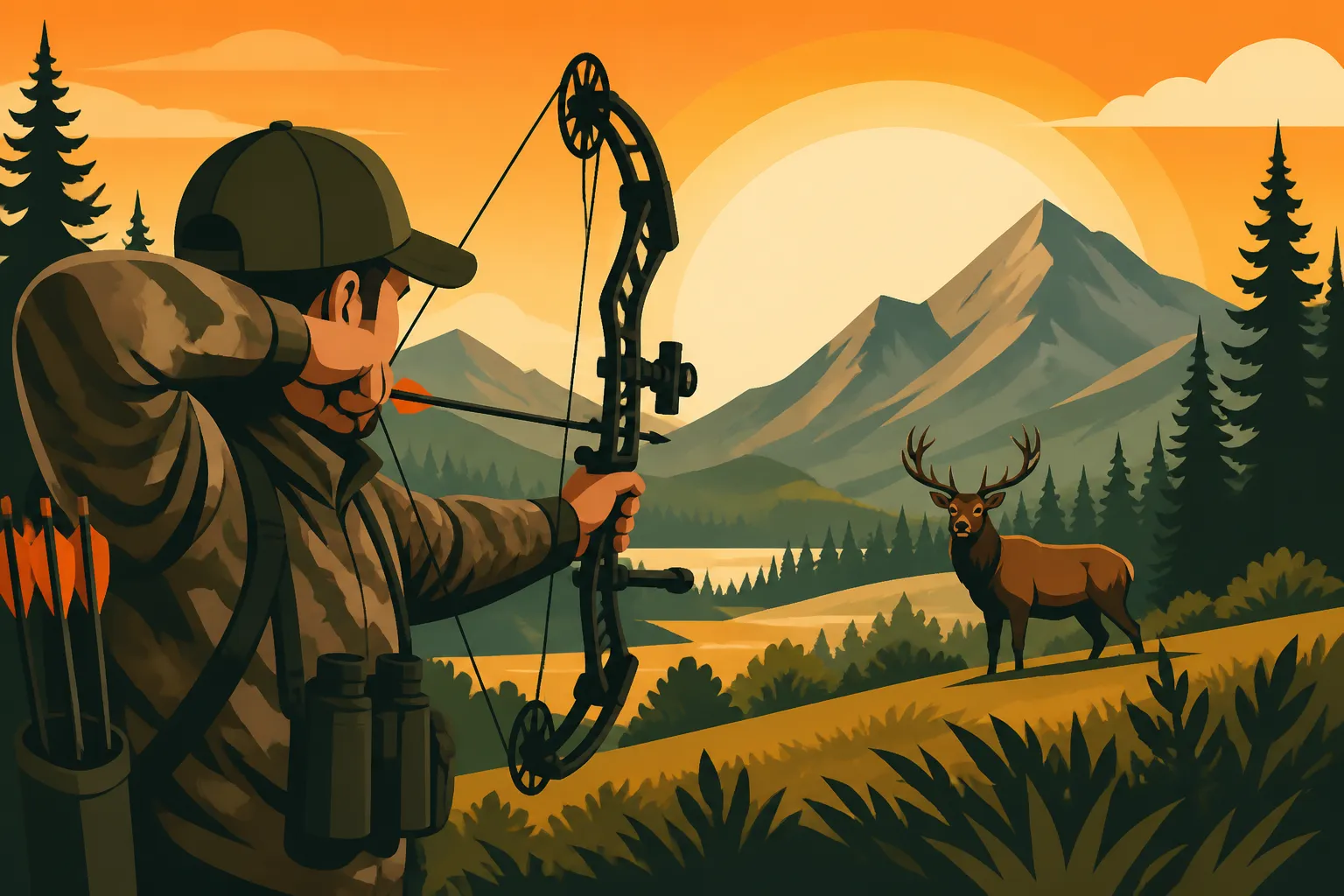
The early archery season in Alberta isn't just about a different weapon; it's a completely different hunting experience. When those first dates roll around, typically in late August or early September, you're stepping into a world that's still vibrant and green. The woods are thick with foliage, offering both cover for you and challenges for visibility. Bugs can still be a significant factor, especially in the more northern or treed WMUs, making bug spray and head nets as essential as your broadheads.
Furthermore, animals are generally not yet focused on the rut. Whitetails and mule deer are often still in their bachelor groups, feeding heavily to pack on weight for the coming winter. Elk might be bugling, but the intensity of the rut often hasn't fully kicked in, requiring different calling strategies than later in the season. This means your tactics need to shift from rut-focused calling or stand hunting to more pattern-based strategies, focusing on food sources, water, and bedding areas. It's a test of stealth, woodsmanship, and patience, pushing you to become a more intimate observer of animal behavior.
General Opening Dates Across Alberta
While specific dates vary, you can generally mark your calendar for a consistent pattern: Alberta's archery seasons for most big game species, including whitetail deer, mule deer, elk, and moose, tend to open in late August or early September. For many popular Wildlife Management Units (WMUs), especially those in the White Area (settled agricultural zones), you'll often see archery season kick off around August 25th or September 1st. In the Green Area (forested Crown land), dates can be similar, though some specific WMUs might have slight variations based on species populations or management goals.
It's crucial to understand that these aren't just arbitrary dates; they are carefully set by Alberta Environment and Parks after considering population dynamics, harvest objectives, and public input. The intent behind an early archery season is to provide an opportunity for hunters to pursue game before the heavy pressure of general rifle seasons, often with a slightly different challenge set. This early window also sometimes provides opportunities for antlered animals before they break up their summer groups, which can be beneficial for scouting and targeting specific bucks or bulls.
The Role of Wildlife Management Units in Dates
The single most important factor determining your specific archery opening date is the Wildlife Management Unit (WMU) you intend to hunt. Alberta is divided into 219 WMUs, each with its own set of regulations, species allowances, and season dates. You simply cannot assume that because archery season opens on September 1st in WMU 200, it will be the same in WMU 400. This granular approach allows the province to manage wildlife populations effectively at a local level, responding to specific herd health, habitat conditions, and hunter pressure.
You'll find that WMUs in different ecological zones, like the prairie, parkland, foothills, or boreal forest, will have distinct season structures. For instance, a prairie WMU known for its mule deer might have different opening dates or antler restrictions than a foothills WMU primarily managed for elk. Even within the same general area, adjacent WMUs can have slightly different dates or species-specific opportunities. This means before you even nock an arrow, you need to pore over the current year's Alberta Hunting Regulations and identify the exact WMU where you plan to hunt. Think of your WMU selection as the first, and most critical, step in planning your hunt. If you're new to navigating these, our guide on Alberta's Wildlife Management Units can be incredibly helpful.
Diving Deeper into Specific Species and Regions
Alberta offers a rich diversity of big game, and the archery opener provides distinct experiences depending on what you're targeting and where you're hunting. Each species has its own habits and preferred habitats, influencing not only when you can hunt them but also how you'll approach the hunt during the early season.
Whitetail Deer Archery Seasons
For many Alberta archers, whitetail deer are the primary focus of the early season. Across the province, particularly in the White Area and fringe parkland zones, the archery season for whitetail deer generally opens in late August or early September. This period often finds bucks still in their velvet or freshly shed, maintaining summer patterns. They're typically focused on food sources like alfalfa, peas, and various forages, often in or near agricultural fields. Scouting these patterns is critical, as deer will be moving from bedding areas in aspen bluffs or riparian zones to feeding grounds, often at dawn and dusk.
Hunting these early-season whitetails means capitalizing on their predictability before the pressure of the general season makes them nocturnal. You'll likely be setting up ambush points near known travel corridors or food sources. Consider areas that offer thick cover for deer, such as river valleys, dense bush edges, or even small bluffs surrounded by open fields. The challenge here is getting close enough for an ethical shot before they pick up your scent or spot your movement in the still-thick foliage. Patience and meticulous scent control are your best friends. To learn more about targeting these cunning animals, check out our insights on Whitetail Hunting in Alberta.
Mule Deer Archery Opportunities
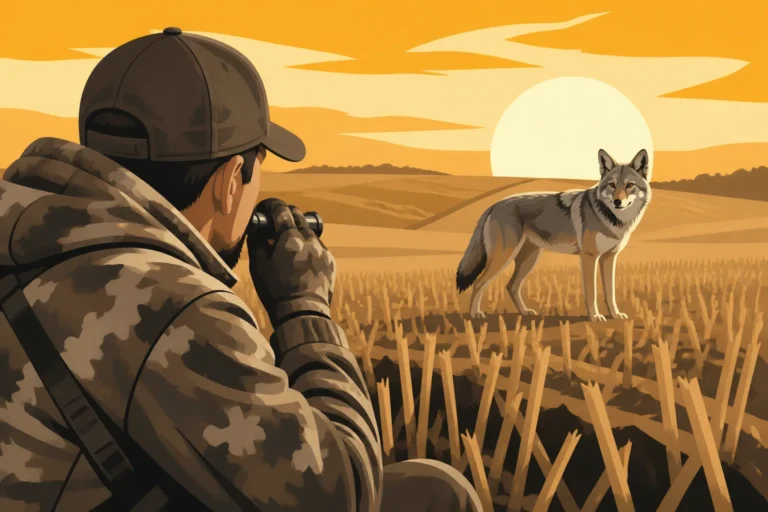
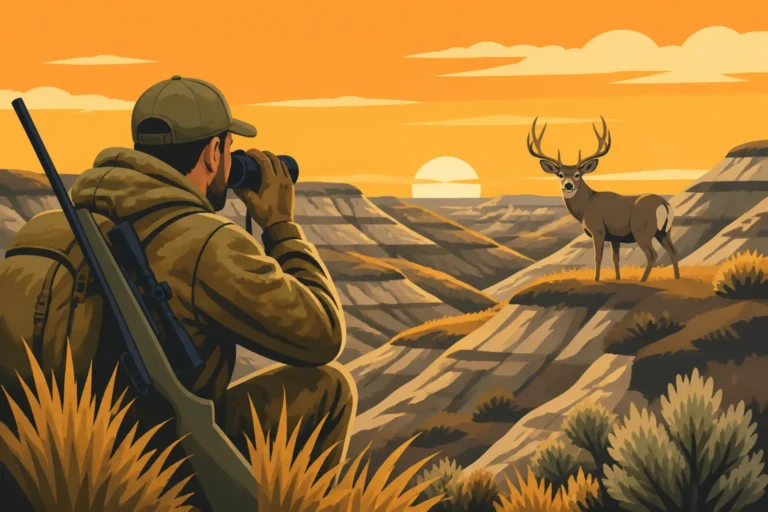
Mule deer also offer fantastic early archery opportunities, particularly in Alberta's prairie and badlands regions, as well as the foothill zones. Similar to whitetails, mule deer archery seasons generally kick off in late August or early September in many WMUs. At this time, bucks are often still grouped up, and while they can be challenging to approach in open country, they are often in predictable feeding and bedding areas. Glassing vast landscapes to locate bachelor groups is a prime tactic, and then planning a strategic spot-and-stalk approach.
The early season for mule deer means you'll likely be dealing with warmer temperatures, which makes meat care a priority once an animal is down. Look for mule deer using the cool, shaded coulees and river breaks during the heat of the day, moving to feed on draws and field edges in the mornings and evenings. Using high-quality optics to cover ground is essential. A resource like GoHunt can be invaluable for pinpointing potential habitat and identifying private land boundaries for access, allowing you to scout effectively even before setting foot in the field. For specific tactics, our guide on Mule Deer Hunting Alberta's Prairie and Badlands offers deeper insights.
Elk and Moose Archery Considerations
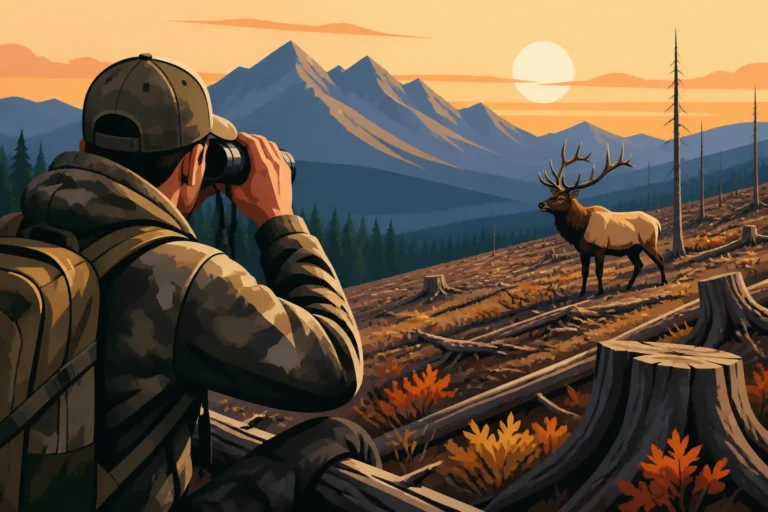
While whitetails and mule deer often dominate early archery discussions, elk and moose also present exciting opportunities. Elk archery seasons, especially for antlered bulls, frequently open in late August or early September in many foothills and mountain WMUs. This timing puts you right on the cusp of the pre-rut, where bulls are starting to challenge each other and respond to calls, but are not yet as frantic as they will be a few weeks later. Locating wallows, fresh rubs, and listening for early bugles can be key. Hunting elk in thick timber during this period is a thrilling challenge, demanding excellent woodsmanship. Learn more about pursuing these majestic animals in our detailed article on Elk Hunting Alberta's Foothills.
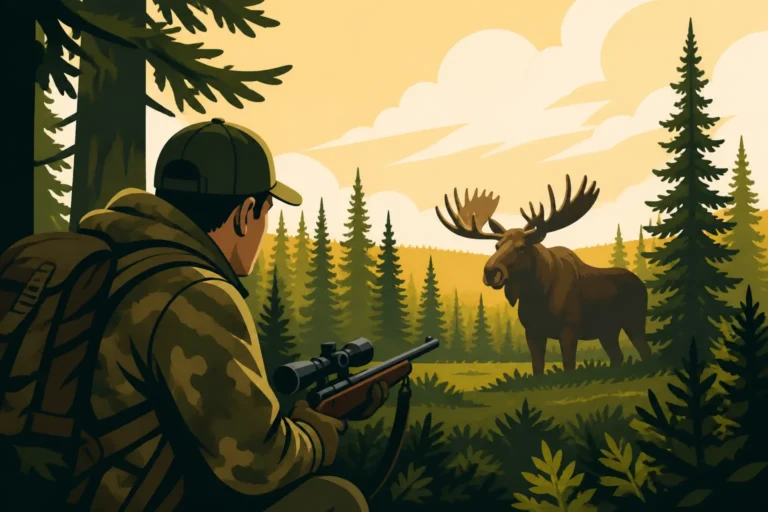
Moose archery seasons typically open around September 1st in many boreal forest and northern WMUs. While the peak of the moose rut usually happens later in September or early October, early archery can still be productive. Moose are often focused on lush aquatic vegetation or regenerating browse in cut blocks and swampy areas. Calling can work, but it's often more subtle than during the full rut, relying on cow calls or light raking. Access can be a major factor here, as many prime moose areas are remote. Checking on logging road access or planning for ATV use (where permitted) is crucial. Our guide on Moose Hunting Alberta's Boreal Forest provides excellent context for these hunts.
Here's a general overview of typical archery season opening dates for major big game species in Alberta. Remember, these are general guidelines, and you must always consult the current year's regulations for your specific WMU.
| Species | General Archery Season Opener (approx.) | Primary Habitat (General) | Common WMU Zones | Notes |
|---|---|---|---|---|
| White-tailed Deer | August 25 – September 1 | Parkland, agricultural fringes, river valleys | White Area, Parkland | Bucks often in velvet, patterned on food sources. |
| Mule Deer | August 25 – September 1 | Prairie coulees, badlands, open foothills | Prairie, Foothills | Spot-and-stalk often effective; bucks in bachelor groups. |
| Elk | August 25 – September 1 | Foothills, mountains, forest edges | Foothills, Mountain | Pre-rut calling and wallow hunting. |
| Moose | September 1 | Boreal forest, swampy areas, cut blocks | Boreal, Northern | Focus on food sources; subtle calling before peak rut. |
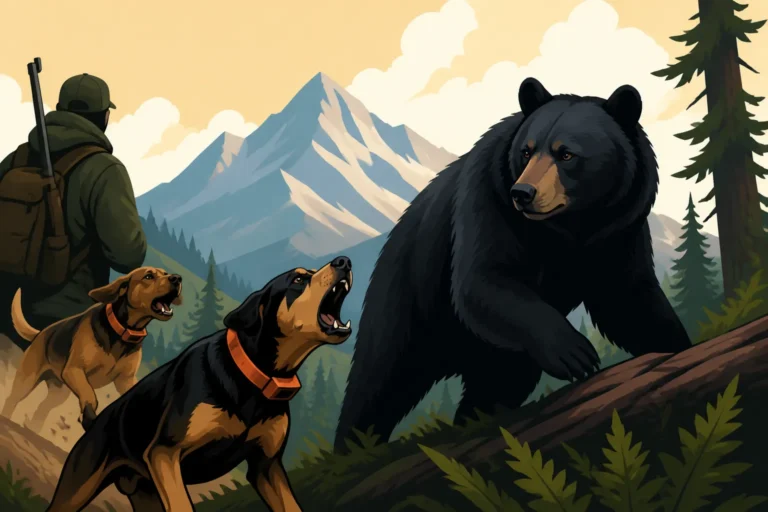
| Black Bear | Typically May 1 (Spring) / Sept 1 (Fall) | Throughout forested areas | Boreal, Foothills, Mountain | Fall archery often aligns with general big game openers. |
Practical Advice for Your Archery Start
Successfully navigating Alberta's archery opener goes far beyond just knowing the dates. It's about diligent preparation, understanding the unique challenges of the early season, and ensuring you're compliant with all regulations. Thinking ahead can make all the difference between a frustrating trip and a rewarding one.
Essential Scouting Before the Season
Scouting is paramount for early archery success. Unlike later in the season when deer are often running around due to the rut, early season animals are usually quite patterned. This predictability is your biggest asset. Start your scouting long before the season even opens, if possible. Utilize tools like satellite imagery and topographical maps, often found on platforms like GoHunt, to identify potential food sources, water, bedding areas, and travel corridors in your chosen WMU. Look for features like secluded pockets of timber surrounded by fields, river bottom thickets, or deep coulees.
Physical scouting should involve walking the areas you've identified, looking for fresh sign: tracks, droppings, trails, and rub lines (even early ones). Pay attention to prevailing wind directions and potential access routes that minimize your disturbance. Don't just look for where the animals are now, but where they will be when the season opens. Food sources change, and early season greens might dry up. Understanding the nuances of Scouting an Alberta WMU Before Season can significantly increase your odds of success. Remember, early season foliage is thick, so identifying natural funnels and pinch points that force animals into archery range is critical.
Gear and Preparation for Early Season
The early archery season brings its own set of gear considerations. Since temperatures can fluctuate wildly in late August and early September – from scorching hot afternoons to surprisingly frosty mornings – layering is key. Breathable, moisture-wicking base layers are essential, as you'll likely be walking a lot in warmer weather. Be prepared for bugs, especially mosquitoes and ticks, which can be prolific. Pack plenty of quality insect repellent, and consider a head net for those still, humid evenings in the bush.
Scent control is absolutely non-negotiable. Early season animals haven't been pressured yet and are less tolerant of human scent. Shower with scent-free soap, use scent-free laundry detergent for your hunting clothes, and store them in airtight bags or containers. A scent-eliminating spray and strategically placed cover scents can also aid your efforts. Beyond that, ensure your archery equipment is dialed in. Practice extensively with your broadheads, as shot placement is critical. Make sure your bow is tuned, arrows are flying true, and you're confident in your ethical shooting range. Being prepared for Hunting Alberta Winter Weather Safely is a different beast entirely, but early season still demands careful thought about personal comfort and safety.
Navigating Regulations and Access
Before you even step into the field, you need to ensure you're legally ready. This means acquiring your Alberta Wildlife Identification Number (WIN) card, purchasing your Wildlife Certificate, and then buying the appropriate big game licence for the species and WMU you intend to hunt. Our guide on Alberta's WIN Card and Wildlife Certificate will walk you through the specifics. Remember, licences are often WMU and species-specific, and some may require a special draw (though general archery tags are often available over the counter).
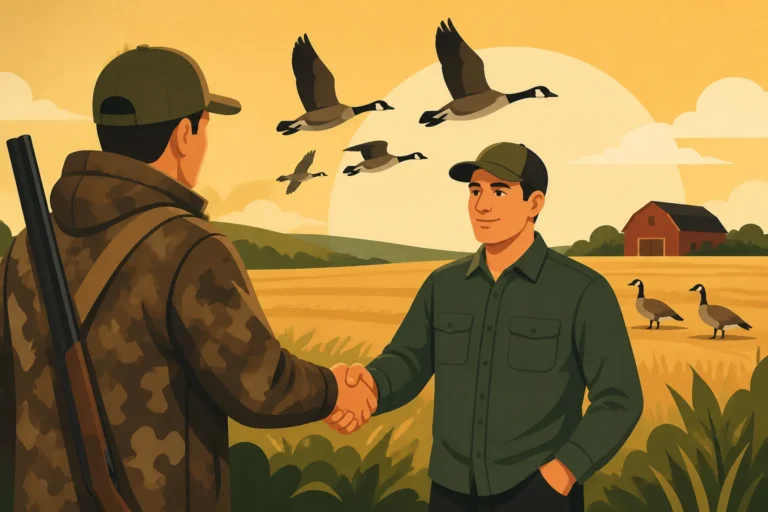
Understanding land access is equally important. Alberta has a mix of Crown (public) land and private land. While you can hunt on most Crown land, always verify public land boundaries using tools like detailed maps or GPS apps. For private land, you must obtain explicit permission from the landowner before entering. Trespassing is taken very seriously in Alberta and can result in significant penalties. Be polite, offer to share meat or help with chores, and always respect their property. Always carry a copy of the current regulations in the field, either physically or digitally, to quickly reference any rules regarding legal shooting hours, bag limits, or species identification. Knowledge of Alberta's Big Game Season Dates will always be your first line of defense against a regulatory misstep.
Disclaimer
The information provided in this guide is for general informational purposes only and is not a substitute for the official Alberta Hunting Regulations. Hunting regulations are subject to change annually and may vary significantly by Wildlife Management Unit (WMU) and species. It is the hunter's sole responsibility to consult the most current Alberta Hunting Regulations, available from Alberta Environment and Parks, before engaging in any hunting activities. Failure to comply with regulations can result in fines, licence suspension, or other legal consequences. Always prioritize safety and ethical hunting practices.