Checking Alberta’s Cougar Quota Line Daily
There's nothing quite like the rush of tracking a cougar in Alberta's wild landscapes, but the excitement can quickly turn to anxiety when you realize you're hunting under a strict quota system. The fear of harvesting an animal only to find out the quota filled an hour earlier is a real, crushing weight for many hunters. This comprehensive guide will walk you through exactly why and how you need to check Alberta's cougar quota line daily, ensuring your hard-earned success is also a legal one.
The Unique Challenge of Hunting Alberta Cougars
Cougar hunting in Alberta presents a distinct set of challenges that go beyond just finding these elusive predators. Unlike many other big game species, cougars are managed under a dynamic quota system in specific Wildlife Management Units (WMUs). This isn't just an administrative hurdle; it's a critical component of ensuring sustainable populations and balancing predator numbers within their ecosystem.
Why Quotas Exist and the Frustration They Cause
Cougars, as apex predators, play a vital role in maintaining the health of deer, elk, and moose populations. However, their numbers can fluctuate, and they often come into conflict with livestock producers or even pose perceived risks to human safety in certain areas. To manage these complex dynamics, Alberta Fish and Wildlife implements quotas – a set number of cougars that can be harvested in a specific WMU during a season. The season closes immediately once that quota is met.
This system, while necessary, is a significant source of stress and frustration for hunters. You could spend days, even weeks, Tracking a Cougar in Fresh Snow, finding fresh sign, and finally closing the distance, only to have your efforts voided because the quota filled just hours before. The uncertainty means that you can never truly relax until your tag is punched and the harvest reported, always with that nagging question in the back of your mind: Is the season still open? This daily uncertainty is why the daily check becomes paramount.
Cougar Biology and Management Goals
Alberta's cougar population, particularly in areas like the Foothills and certain parts of the Boreal Forest, has shown healthy numbers. However, they are naturally solitary animals with large territories, making precise population estimates challenging. Management goals aim to maintain a healthy breeding population, minimize human-wildlife conflicts, and provide regulated hunting opportunities.
The quota system is designed to be responsive. If specific WMUs show increasing cougar activity or conflict, quotas might be adjusted. Conversely, if a population appears stressed or over-harvested, quotas could be reduced or the season shortened. Hunters are essential partners in this management, as their harvest data contributes directly to these assessments. Understanding this ecological context helps underscore why adhering to the quota isn't just about legality, but about responsible wildlife stewardship.
Consequences of Not Checking the Quota
The legal repercussions for not adhering to Alberta's cougar quota are severe. If you harvest a cougar after the quota for that WMU has been filled, your animal could be seized, you could face hefty fines, and potentially even lose your hunting privileges. Imagine the heartbreak of a successful hunt turning into a legal nightmare, all because of an unchecked phone call.
Beyond the legal implications, there's an ethical responsibility. Every hunter has a role in respecting the rules designed to protect our wildlife. Accidentally taking an animal past the quota undermines the conservation efforts and can lead to stricter regulations for all hunters in the future. This isn't a rule that can be bent; it's a hard line that demands constant vigilance. It’s why checking the quota isn't an option; it's a non-negotiable part of your Cougar Season Dates and Quota preparation.
Navigating Alberta's Cougar Quota System
Successfully hunting a cougar in Alberta means more than just being a skilled tracker; it requires you to be an informed and diligent administrator of your hunt. The quota system, while simple in concept, demands constant attention to ensure your hunt remains within legal bounds.
How Quotas Work: WMU Specifics and Numbers
Alberta's cougar quotas are almost always specified per WMU. This means that WMU 404 (for example) might have a quota of 5 cougars, while WMU 406 might have a quota of 3. Crucially, these quotas often differentiate between male (tom) and female (queen) cougars, or sometimes are just an overall total. For instance, a WMU might have a quota of 2 female cougars and 3 male cougars, or simply a combined total of 5 cougars, regardless of sex.
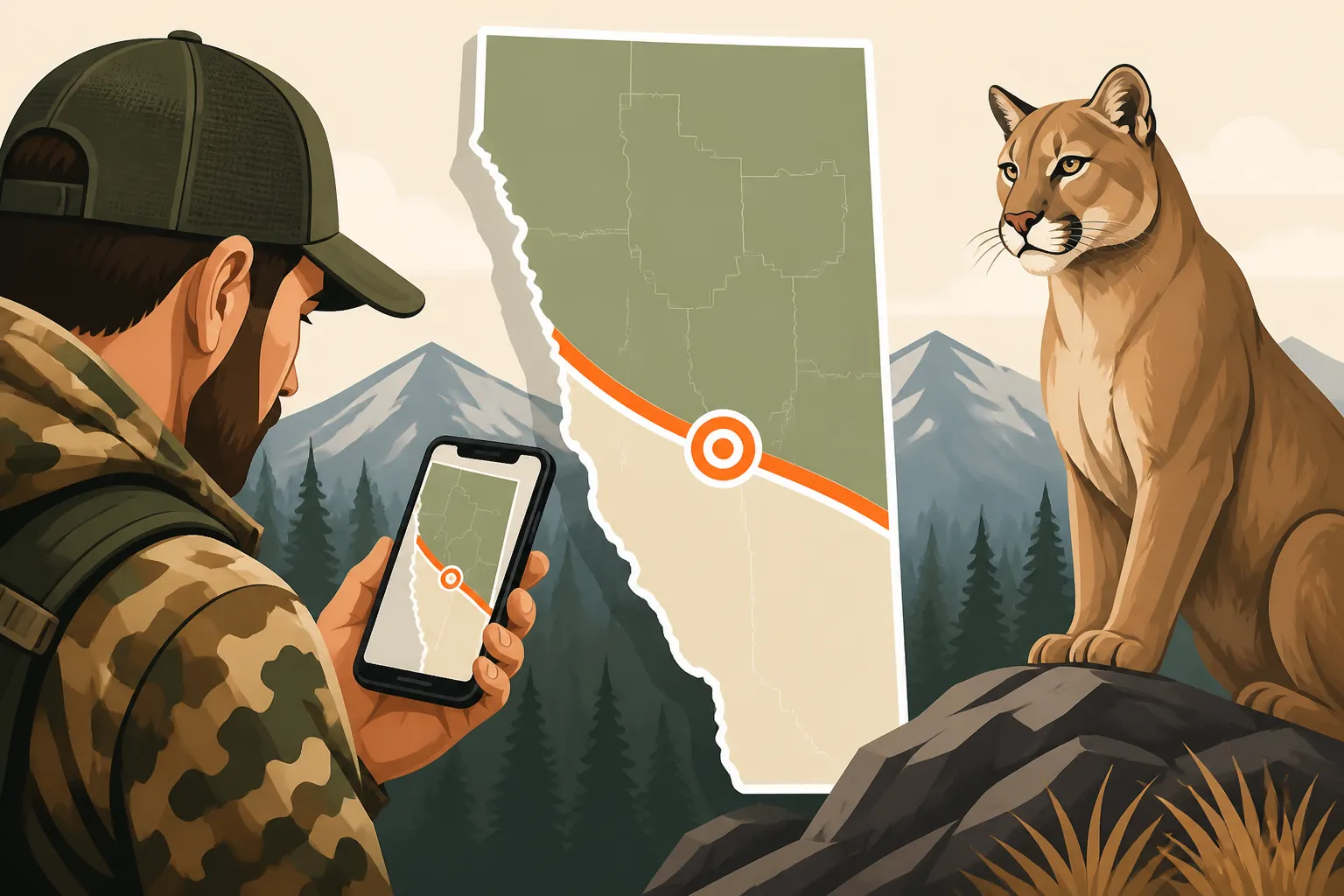
This specificity means that you must know precisely which WMU you are hunting in – something any serious hunter should be intimately familiar with from their pre-season scouting, referencing maps like those provided by Alberta Fish and Wildlife. The quota is not province-wide; it is hyper-local. When the specified number for a particular WMU and sex is met, the season for that category in that specific WMU closes. Other WMUs may remain open until their individual quotas are met. This makes understanding Alberta's Wildlife Management Units absolutely essential.
Official Sources for Quota Information
When it comes to official, real-time quota information, there are typically two primary sources provided by Alberta Fish and Wildlife:
- The Quota Line Phone Number: This is historically the most critical and up-to-date source. Alberta Fish and Wildlife operates a dedicated phone line where a recorded message, or sometimes an operator, will provide the current status of quotas for each WMU where cougar hunting is permitted. This number is usually listed prominently in the annual Alberta Guide to Hunting Regulations. It is imperative that you always check the current year's regulations for the correct phone number, as it can occasionally change.
- The Alberta Fish and Wildlife Website: While often updated, the website might have a slight delay compared to the phone line, especially on busy weekends or when multiple cougars are reported simultaneously. However, it's an excellent resource for initial planning and understanding the general quota numbers before the season opens. Always cross-reference with the phone line for absolute certainty when actively hunting.
The "Checking Daily" Imperative
The reason "daily" is in the title isn't an exaggeration; it's a necessity. Cougar hunting is not like deer hunting where seasons are fixed for months. These quotas can fill in a matter of hours, especially in popular WMUs or if several hunters are successful on the same day. Consider this scenario: you're out hunting on a Saturday morning, the quota was open when you left at dawn. A few hours later, two other hunters in your WMU successfully harvest animals and report them. By midday, your WMU's quota could be met, and if you then harvest an animal without having checked, you've broken the law.
This means you literally need to check the quota status every single day you plan to hunt, and ideally multiple times a day if you are actively pursuing an animal. It's an inconvenience, no doubt, especially if you're deep in the backcountry with limited cell service. But it's an unavoidable part of responsible cougar hunting in Alberta.
Integrating GoHunt and Other Tools
While no third-party app will ever be the official reporting mechanism for Alberta's quotas, tools like GoHunt can be invaluable for pre-hunt planning and staying informed about general season dates and regulations. GoHunt might display general quota information pulled from the Alberta regulations, but it will not have real-time updates on filled quotas. Its strength lies in its mapping capabilities and access to regulation summaries, which can help you understand the WMUs, plan your approach, and identify potential hunting areas.
Think of it this way: GoHunt is your strategic planning partner, helping you scout digitally and understand the terrain for Hunting Alberta's Foothills Country or other regions, but the Alberta Fish and Wildlife quota line is your tactical, real-time guide. Always rely on the official channels for the most current quota status. Use GoHunt to find likely areas where Alberta's Predators and Where They Live might be found, but then make that critical call before you head out, and continue to check throughout your hunt.
Your Daily Checklist for Cougar Quota Success
Hunting cougars demands adaptability and vigilance. Incorporating a strict quota check routine into your hunting plan is crucial for avoiding legal pitfalls and ensuring an ethical hunt. This isn't just about remembering a phone number; it's about building habits that keep you on the right side of the law.
Step-by-Step Guide on How to Check
Here's a practical, actionable guide to checking the cougar quota:
- Locate the Official Number: Before you even leave home for your hunt, find the current year's Alberta Guide to Hunting Regulations. The cougar quota phone number will be clearly listed under the cougar hunting section. Write it down, save it in your phone, and share it with your hunting partners. As of recent regulations, this number is typically the same main Fish and Wildlife office line, which then directs you to the quota information.
- Identify Your WMU(s): Be absolutely certain of the WMU you intend to hunt. If you're hunting near a WMU boundary, know the adjacent WMUs as well.
- Call Before You Leave: Make the call the evening before, or first thing in the morning before you head into the field. Listen carefully to the recorded message for the specific WMU(s) you are interested in.
- Confirm Quota Status: The message will usually state the initial quota number and how many have been harvested, or if the quota has been met and the season closed. Pay close attention to male/female breakdowns if applicable.
- Re-Check If Active: If you are actively hunting and there's a good chance of success, or if you plan to hunt over multiple days, establish a routine to re-check the line. This might mean calling at lunchtime, or having a designated person back at camp make the call and relay the information.
- Report Your Harvest Immediately: If you are successful, your immediate priority after dispatching the animal and ensuring its humane treatment is to report your harvest. This is critical because your successful harvest contributes to the quota, and other hunters need that information updated quickly. The regulations outline the reporting process, which often involves calling the same quota line or a regional Fish and Wildlife office. This ensures the system remains accurate for everyone.
Practical Tips for Remote Areas
Hunting Alberta's cougars often takes you deep into remote areas where cell service is non-existent. This is where pre-planning becomes paramount:
- Satellite Communicator: Invest in a satellite messenger (like a Garmin inReach or Zoleo). These devices allow you to send and receive text messages even without cell service. You can designate someone (a hunting partner in town, a spouse, a friend) to call the quota line for you and text you the update. This is by far the most reliable method for staying updated in truly remote country.
- Designated Runner: If a satellite communicator isn't an option, plan for a "runner" – someone who can periodically drive to an area with cell service, check the quota, and return to camp with the update. This is less efficient but can work for multi-day backcountry hunts.
- Knowledge of Cell Hotspots: Scout for areas with intermittent cell service. Sometimes, climbing to a high ridge or a specific spot on an old logging road can get you just enough signal to make a quick call or send a text. Use apps like GoHunt that overlay cell coverage maps if available for your area.
Planning Your Hunt Around Quota Uncertainty
The dynamic nature of cougar quotas means you have to build flexibility into your hunt plan. Don't put all your eggs in one WMU basket. Have backup plans. If one WMU's quota fills, be prepared to shift your efforts to an adjacent WMU that might still be open, assuming you have tags valid for that area and have done your pre-scouting. This adaptability can save a hunt from being completely derailed. You should also consider the general Alberta Big Game Season Dates and how those might affect hunting pressure.
Strategic Planning for a Quota-Limited Hunt
Hunting within a quota system demands a strategic approach, where careful consideration of your target WMU, timing, and ethical responsibility can significantly improve your chances of a successful and legal hunt.
Choosing a WMU with Higher Quota Numbers or Less Pressure
When planning your cougar hunt, don't just pick a WMU based on historical success or proximity. Dive into the current regulations and look at the quota numbers. WMUs with higher quotas might offer a longer season before filling. However, higher quotas can also mean higher hunting pressure. Conversely, a WMU with a smaller quota might be less popular, meaning less competition and potentially a longer-lasting quota if fewer hunters target it.
Consider geographical features as well. WMUs in more accessible areas, like parts of Hunting Alberta's Parkland Country and Its WMUs or easily accessible Foothills WMUs, might see their quotas fill faster than those deep in the Boreal Forest or more rugged mountain zones that require extensive travel or special equipment. Tools like GoHunt can help you visualize these areas and consider access points, potentially identifying less pressured zones.
Early Season vs. Late Season Considerations
The timing of your hunt in relation to the quota can be a critical factor.
- Early Season: Hunting during the early part of the season (often opening in September or October, depending on the WMU) can be advantageous. There’s a full quota available, and often less snow cover, which can be challenging for tracking. However, less snow also means less obvious sign to work with when Tracking a Cougar in Fresh Snow. The downside is that if several hunters are successful early on, the quota can fill rapidly, leaving you high and dry.
- Late Season: Hunting later in the season (e.g., December through February) often provides better tracking conditions with consistent snow cover. This is when cougars are often more active and visible due to winter conditions. The risk, however, is that the quota might be largely depleted, making your daily checks even more urgent. You might also encounter significantly colder weather, so being prepared for Hunting Alberta Winter Weather Safely is paramount. This is a trade-off where improved tracking conditions come with increased quota anxiety.
Ethical Hunting Considerations with a Dynamic Quota
The dynamic nature of cougar quotas adds an extra layer of ethical responsibility for hunters. It reinforces the importance of quick, clean kills and immediate reporting. Wounding an animal and having to track it for hours, only to find the quota filled, puts you in an extremely difficult ethical and legal position. Therefore, ensuring you are proficient with your chosen weapon, whether it's Legal Firearms and Bows for Big Game, is more critical than ever.
Moreover, if you are successful, the prompt reporting of your harvest isn't just a legal requirement; it's a courtesy to your fellow hunters. Your quick report allows Fish and Wildlife to update the quota line, informing others that the available animals have decreased, or that the season has closed. This collective responsibility helps ensure the fairness and integrity of the hunting season for everyone. Conversely, delaying your report could inadvertently cause another hunter to break the law, which is an ethical lapse no responsible hunter wants to be a part of.
The quota system also indirectly encourages ethical interactions with landowners. If you're Getting Private Land Permission in Alberta, a landowner might appreciate your diligence in ensuring you're not hunting illegally on their property, especially if they have livestock concerns related to cougars. Responsible hunting practices reflect positively on the entire hunting community.
Here's a quick look at how cougar quotas might be structured, keeping in mind these numbers are for illustrative purposes only and change annually based on Alberta's regulations:
| WMU Group | General Quota Type | Example Quota (Illustrative) | Key Considerations |
|---|---|---|---|
| Foothills | Male/Female Specific | 3 Male / 2 Female | Often higher pressure, requires constant checking. |
| Parkland | Total Combined | 5 Total | Can fill quickly due to accessibility. |
| Boreal | Male/Female Specific | 4 Male / 2 Female | Less pressure, but remote access means planning for communication. |
| Mountains | Total Combined | 2 Total | Very low quotas, extreme vigilance needed. |
This table highlights the variable nature of cougar quotas and the need for hunters to always consult the most current Alberta hunting regulations for precise and up-to-date information for their chosen WMU.
Disclaimer
The information provided in this guide is for general informational purposes only and does not constitute legal advice. Hunting regulations in Alberta are subject to change, and it is the responsibility of every hunter to consult the most current Alberta Guide to Hunting Regulations and Alberta Fish and Wildlife resources for precise, up-to-date information regarding cougar quotas, season dates, and all applicable laws before engaging in any hunting activities.