Hunting a Cattle Pasture Draw
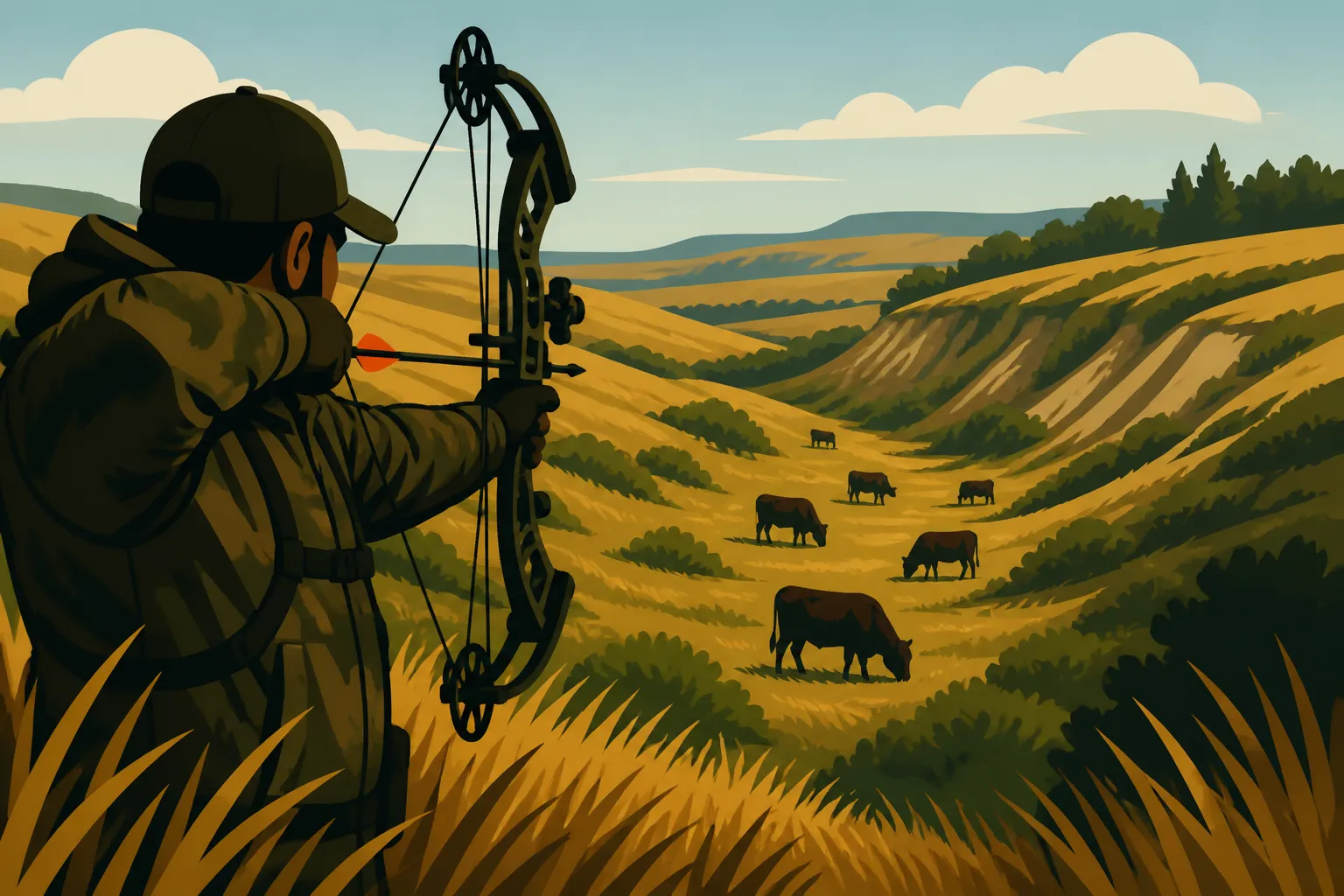
Trying to hunt deer in Alberta’s vast cattle pastures can feel like searching for a needle in a haystack. Many hunters see wide-open fields, scattered cows, and little hope for finding big game. But beneath that seemingly sparse landscape lies a secret: the subtle contours of a cattle pasture draw. These unassuming depressions, often overlooked, can be absolute magnets for deer, providing essential cover, travel corridors, and even bedding areas in otherwise exposed terrain. This guide will walk you through how to identify, scout, and effectively hunt these hidden gems, turning a challenging environment into a productive hunting ground.
Understanding the Pasture Draw as a Wildlife Corridor
When you're looking at a vast expanse of Alberta's agricultural land or grazing leases, it's easy to dismiss it as unproductive for deer hunting. But nature always finds a way, and deer are incredibly adept at utilizing even the most subtle features for survival. A "draw" in a cattle pasture isn't just a low spot; it's a topographical feature, a natural depression or drainage that offers a completely different micro-environment than the surrounding flat or gently rolling land. These draws become critical lifelines for wildlife, especially deer, in areas where thick timber or dense bush might be scarce.
What Makes a Pasture Draw a Wildlife Magnet?
Deer, particularly whitetails and mule deer, are constantly seeking three things: food, water, and cover. In an open cattle pasture, these can be hard to come by in the traditional sense. However, a draw often provides a combination of all three. Firstly, the slightly different soil composition and moisture retention within a draw can lead to different vegetation growth, offering a distinct food source that might not be available on the higher ground. Think about how a natural spring or a seepy area might emerge within a draw, providing lush forage even during drier periods.
Secondly, draws often hold moisture longer, sometimes even forming temporary or permanent water sources like small potholes or sloughs. These become vital watering holes for deer, especially during hot, dry stretches of the season. A frozen slough crossing can be an especially effective pinch point in late season. Beyond just water, the slight elevation change and the presence of even small willows, buckbrush, or rose bushes within the draw provide much-needed visual cover. This allows deer to travel undetected, bed down out of sight from predators (including hunters), and escape the biting prairie winds or intense sun. It’s a natural highway and hiding spot rolled into one, allowing deer to move from one section of cover to another, or from bedding areas to feeding grounds, with a sense of security they wouldn't have out in the open.
Reading the Landscape: Identifying Key Features
Identifying productive pasture draws requires a keen eye and a shift in perspective. You're not looking for dense forests; you're looking for subtle changes. Start by observing the topography. Even a gentle dip of 5 to 10 feet can be enough to create a draw that deer will utilize. Look for areas where the ground begins to slope, indicating a natural drainage path. Often, these draws aren't uniform; they might be wider in some spots, narrower in others, or meander across the landscape.
Next, pay close attention to vegetation. Even a slight increase in brush density, taller grass, or a different species of plant (like those moisture-loving willows) can signify a draw's presence and its potential as a deer haven. These "willow runs" or brushy ribbons are especially important. Don’t dismiss a draw just because it looks small or insignificant from a distance. Often, the deepest, brushiest part of a draw can hide several deer. Satellite imagery, which we’ll discuss shortly, is an invaluable tool for this kind of reconnaissance, allowing you to trace these features from a bird's-eye view and identify where they connect to other cover, such as larger bluffs, river breaks, or adjacent timber. Look for where a draw may merge with a larger river valley bottom in Alberta or intersect with a bush edge, as these confluence points are often hotspots.
Scouting Strategies for Cattle Pasture Draws
Scouting is paramount when hunting pasture draws, arguably more so than in dense timber, because the subtle nature of these areas means you need to be precise. You're not just looking for deer sign; you're trying to understand how deer interact with the landscape, using those draws for travel, bedding, and feeding. Effective scouting involves both remote digital analysis and diligent boots-on-the-ground investigation.
Remote Scouting with Digital Tools
Before you even step foot on the land, leverage modern technology. Tools like GoHunt, onX Hunt, or even Google Earth are incredible for identifying potential draws. Start by pulling up your chosen Wildlife Management Unit (WMU) and zoom in on cattle pasture areas. Look for those tell-tale topographical depressions—they'll often appear as slightly darker green lines or shadows on satellite imagery, indicating denser vegetation or lower elevation.
Trace these draws and see where they lead. Do they connect larger blocks of timber? Do they run towards known bedding areas? Do they intersect other draws, creating a natural funnel? Pay particular attention to pinch points, like where a draw narrows significantly, or where it forces deer past a particular fence line or across a water source. Map out these promising areas, marking potential stand locations, bedding zones, and travel corridors. This pre-scouting work can save you countless hours of unproductive walking and help you determine whether it's worth knocking on doors in Alberta farm country to gain access.
Boots-on-the-Ground Reconnaissance
Once you've identified promising draws remotely, it's time for some old-fashioned legwork. Your physical scouting should ideally happen well before the season, or at least during periods when you won't disturb hunting prospects. When you walk a draw, don't just walk through it; walk around it, and also within it, observing how deer would use it.
Look for fresh deer sign: tracks, droppings, rubs, and scrapes. Tracks will tell you where deer are entering and exiting the draw, and their travel patterns within it. Pay attention to how deer use the terrain for cover. Are they walking along the bottom, or just below the lip of the draw for maximum concealment? Fresh rubs on small willows or bushes indicate that bucks are using the area, potentially for bedding or as a travel route during the rut. Scrapes often appear along the edges of these draws, especially where the brush is a little thicker. Identifying a scrape line could be a critical piece of the puzzle for Hunting the Rut in Early November. Also, scout for potential bedding areas within the thickest pockets of brush or tall grass, particularly on south-facing slopes in cold weather, which offer warmth and protection from the wind. Knowing where Alberta whitetails bed in deep snow is crucial for late-season success.
Hunting Techniques for Pasture Draws
Once you've done your homework and identified a promising cattle pasture draw, the real work begins: effectively hunting it. The open nature of these areas often requires different tactics than hunting dense woods. Stealth, patience, and a deep understanding of deer behavior are your most valuable assets.
Stand Placement and Entry/Exit Routes
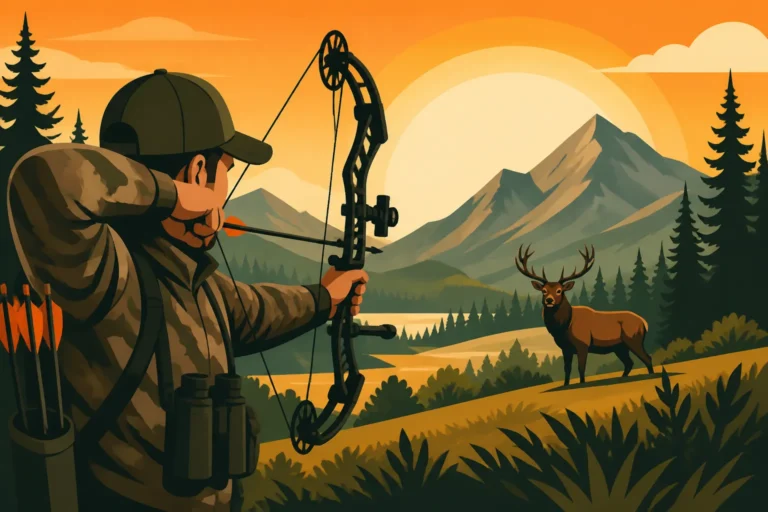
Given the limited cover in many pasture draws, stand placement is critical. Your goal is to be invisible. Look for any available vertical cover: a lone cottonwood tree, a dense clump of willows, or even a large rock formation. If natural vertical cover is scarce, consider using a ground blind that blends seamlessly into the surroundings. Place your stand or blind where you have a good view of a travel corridor within the draw, especially where it narrows or intersects another feature. Position yourself downwind of expected deer travel, always. Deer use these draws to move with the wind, so understanding wind in open prairie country is non-negotiable.
Your entry and exit routes are just as important as your stand location. Plan them meticulously to avoid spooking deer. Use existing terrain features, like the draw itself, or surrounding hills and timber edges, to shield your approach. Walk into the wind if possible, and try to enter and exit when deer activity is lowest (e.g., mid-day). Keep noise to an absolute minimum. If you’re lucky enough to have permission to drive right up to the edge, still take care to minimize disturbance by not driving directly into the draw.
Still-Hunting and Stalking Approaches
Still-hunting and stalking can be incredibly effective in pasture draws, especially for mule deer who often hold tight in this type of cover. Instead of waiting in a stationary position, you actively move through the draw, using its contours and vegetation for concealment. Move slowly, taking one or two steps, then pausing for several minutes to scan for deer. Use your binoculars constantly, looking for an antler tip, the flick of an ear, or the horizontal line of a deer's back against the vertical lines of the brush.
When stalking, use the draw's undulations to your advantage. Stay low, just below the crest of the draw, moving from cover to cover. This is where Stalking Mule Deer in Badlands Breaks comes into play, even if you’re not in traditional badlands, as the principles of using broken ground for concealment are the same. Pay meticulous attention to the wind direction, as it can swirl unexpectedly in these depressions. If you spot a deer, take your time. Analyze its behavior, its direction of travel, and the available cover before making your move. Often, a slow, deliberate stalk over a long distance will be more successful than a quick, aggressive approach.
Understanding Wind and Thermal Dynamics
In open country, wind and thermals dictate everything. The wind can be your best friend or your worst enemy. Always prioritize wind direction above all else when hunting pasture draws. Deer will use these draws to travel with the wind, allowing them to scent-check ahead and to the sides. This means you need to be set up so your scent is blowing away from their expected approach.
However, draws also create their own micro-thermals, especially around sunrise and sunset. As the sun rises and warms the earth, thermals will typically rise, carrying your scent upwards. As the sun sets and the air cools, thermals will fall, carrying your scent downwards into the draw. This can be tricky. On cold mornings, a gentle breeze might push your scent down into the draw, only for it to rise as the sun hits. Observe these subtle shifts. If possible, consider hunting the mid-day hours when thermals are more stable, or adjust your setup to account for these dynamic shifts. A good understanding of how wind and thermals move through a draw at different times of day is crucial for Hunting Alberta Winter Weather Safely and effectively, preventing you from being detected by a wary buck.
Overcoming Challenges and Maximizing Success
Hunting cattle pasture draws comes with its own set of unique challenges that, with the right approach, can be navigated successfully. These aren't your typical bush hunts, and adapting your mindset and tactics is key to putting a tag on an Alberta deer.
Dealing with Cattle and Landowner Relations
One of the most obvious challenges is the presence of cattle. Deer and cattle often share these draws, using them for similar reasons: cover, water, and forage. While deer are generally tolerant of cattle, the cattle themselves can be a nuisance to hunters. They can spook deer, walk through your hunting area, and even disturb your stand setup. The best way to deal with this is proactive scouting and communication with the landowner. When you're Asking an Alberta Landowner for Permission, discuss their cattle rotation and where the herd typically grazes. Sometimes, simply knowing when the cattle are likely to be in a certain pasture can help you plan your hunt around their movements.
Never harass or disturb cattle. Remember, you are a guest on someone else's property, and good landowner relations are paramount for future hunting opportunities. If cattle are interfering with your hunt, try to move slowly and quietly to encourage them to shift without alarming game. Sometimes, a gentle clapper or walking stick can deter them. Avoid bright colors and sudden movements that might agitate the herd. Patience is a virtue here; sometimes, you just have to wait for the cattle to move on their own. Respecting the land, the livestock, and the landowner's property is not just good etiquette, it's essential for Getting Permission for a Goose Field or a deer pasture.
Adapting to Open Country Pressure
Deer in open country, especially those that frequent pasture draws, are often incredibly wary. They are exposed more often, making them more sensitive to perceived threats. This means standard hunting tactics might need modification. Firstly, extreme stealth is critical. Movement, noise, and scent are magnified in open environments. Take extra care with your approach, minimizing anything that gives you away. Your camouflage needs to be top-notch, blending into the muted browns and greys of the winter prairie or the mixed green and gold of fall.
Secondly, longer-range shooting skills become more important. You might not get a close-range shot, and being proficient with your rifle or bow at extended distances will increase your odds. Practice shooting from various positions, including sitting and kneeling, which you might need to adopt if vertical cover is limited. Thirdly, be patient. Deer might spend hours bedded in a draw, waiting for the perfect moment to move. Don't rush your hunt. Sometimes, the most successful strategy is to set up early, wait patiently, and let the deer come to you as they transition in and out of the draw. This patient observation can also help you identify key patterns, like Hunting a Quarter Section You Just Got and understanding how deer move across it.
Here’s a quick summary of what to look for when evaluating a cattle pasture draw for hunting potential:
| Feature | Why it's Important | What to Look For |
|---|---|---|
| Topography | Provides natural concealment and windbreak | Gradual slopes leading to a deeper depression, winding paths |
| Vegetation | Offers visual cover, bedding, and food | Taller grasses, willows, buckbrush, rose bushes, mixed shrubs |
| Water Source | Essential for deer survival, draws them in | Potholes, sloughs, seepy ground, natural springs, drainage accumulation |
| Connecting Cover | Creates safe travel routes to/from larger cover | Draws leading to treelines, bluffs, river breaks, adjacent timber, bush edges |
| Deer Sign | Indicates active use by deer | Fresh tracks, droppings, rubs, scrapes, worn deer trails, bedding areas |
| Pinch Points | Funnels deer into predictable paths | Narrow sections of the draw, fence crossings, specific water access points |
| Wind Protection | Provides refuge from harsh weather conditions | Deeper sections of the draw, dense pockets of brush, lee sides of slopes |
Hunting pasture draws is a rewarding challenge that taps into a hunter's ability to read subtle signs and adapt to the landscape. With careful scouting, strategic setup, and a keen understanding of deer behavior, these often-overlooked features can become some of your most productive hunting grounds in Alberta.
Disclaimer
Hunting is an inherently dangerous activity. This guide provides general information and recommendations, but it is your responsibility to understand and comply with all current Alberta hunting regulations, firearm safety rules, and local land access laws. Always prioritize safety, practice ethical hunting, and respect private property. Changes to regulations or land access can occur, so always verify the most up-to-date information before heading into the field.