How Alberta Ranks for Record Book Deer
Alberta deer rankings in Boone and Crockett record books depend on habitat, grain crops, genetics, and older age classes.
Know what you’re after.
Big game, small game, upland birds, and waterfowl — identification, behavior, rut and migration timing, and how each species moves through the season.
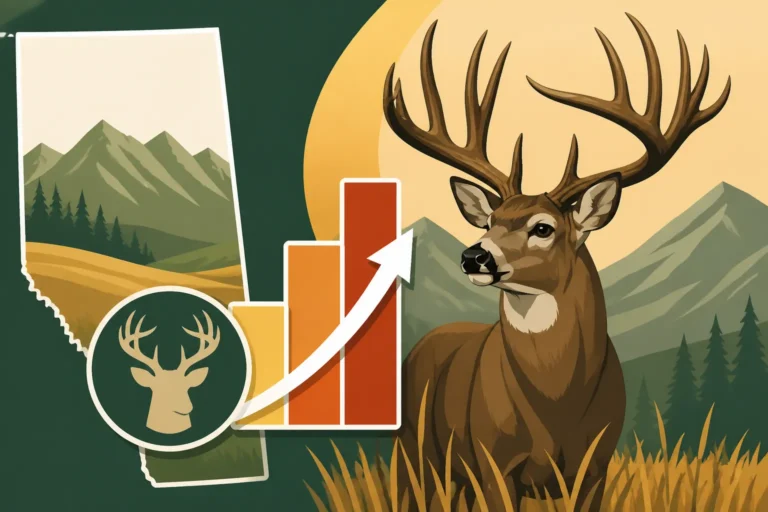
Alberta deer rankings in Boone and Crockett record books depend on habitat, grain crops, genetics, and older age classes.
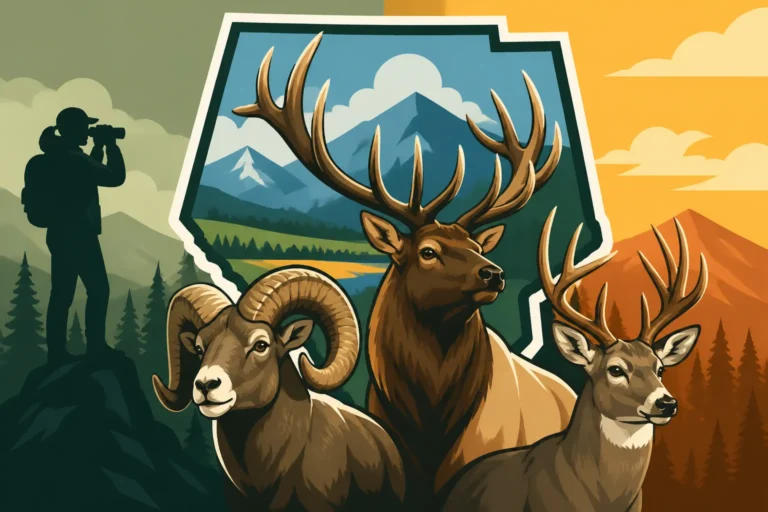
Alberta big game trophy records involve official scoring systems, personal achievements, ethical harvests, and respecting regulations.

The Boone and Crockett Club scoring system measures pronghorn horn length, four circumferences, and spread to rank top bucks.
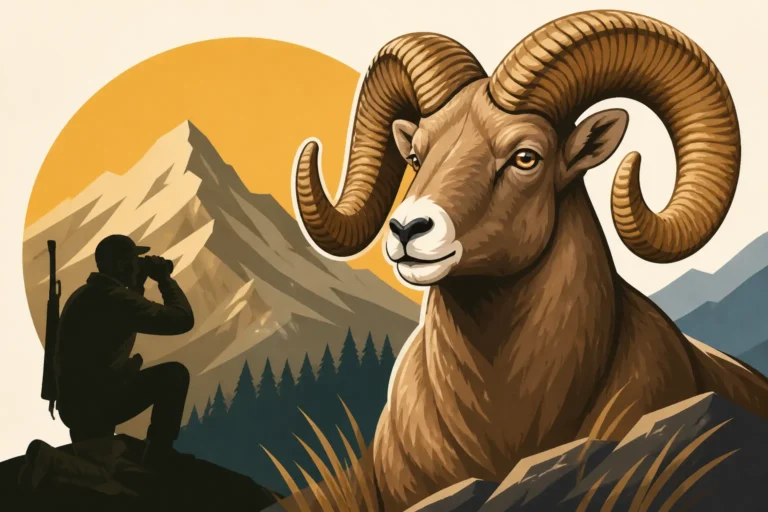
Alberta’s record bighorn ram, majestic trophy characteristics, and the Boone and Crockett scoring system explained for hunters.
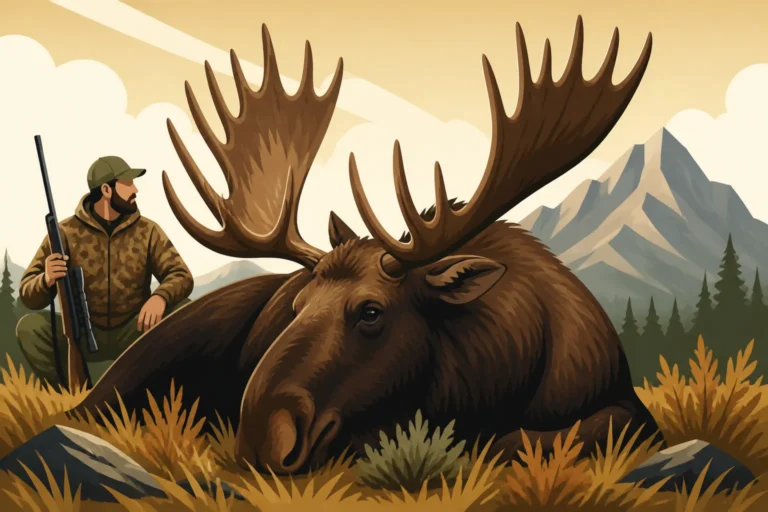
Alberta moose populations achieve massive sizes through boreal forest habitats, rich nutrition, ideal genetics, and mature age structures.
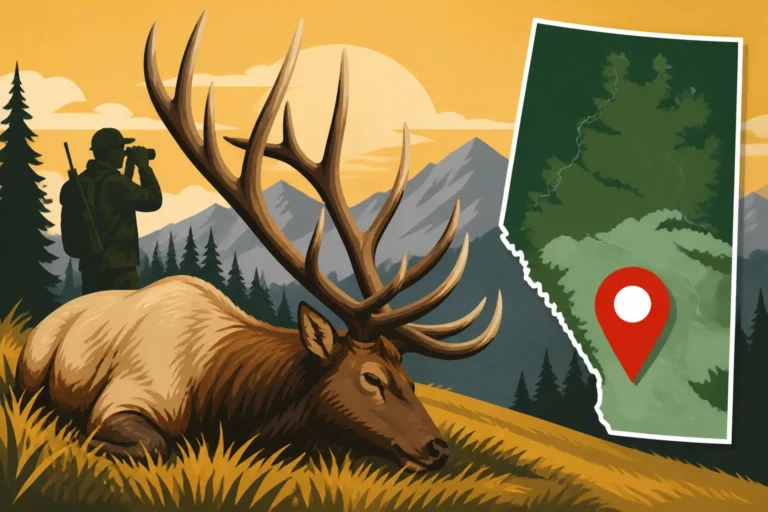
Alberta elk records explain Boone and Crockett scores, trophy antler measurements, and where large bulls roam in mountain ranges.
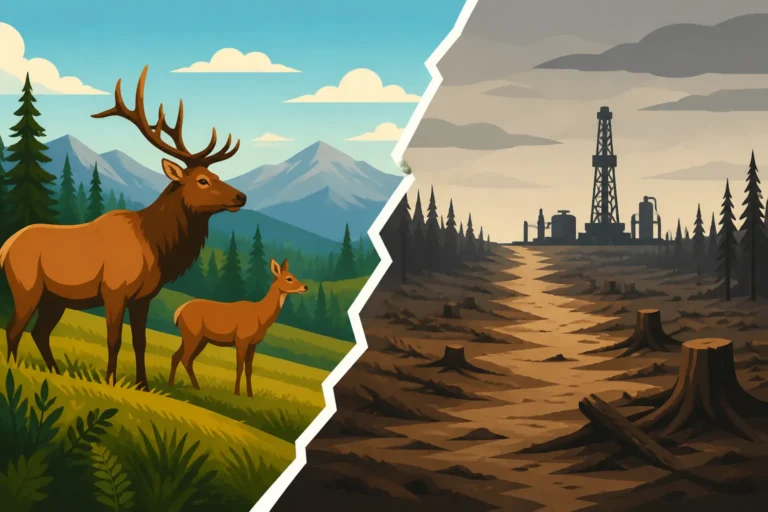
Alberta oil and gas cutlines create distinct microhabitats and linear travel corridors that alter big game animal movement across forests.
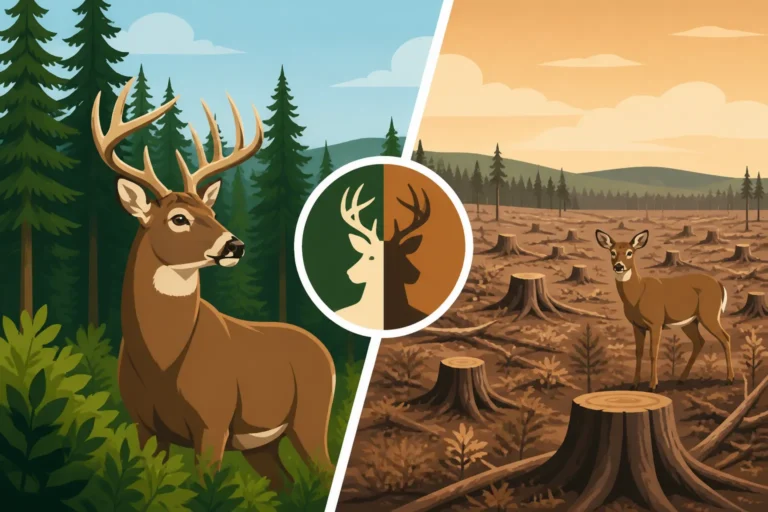
Logging cutblock transformations over fifteen years alter Alberta deer food sources, browse stages, and dense bedding areas.
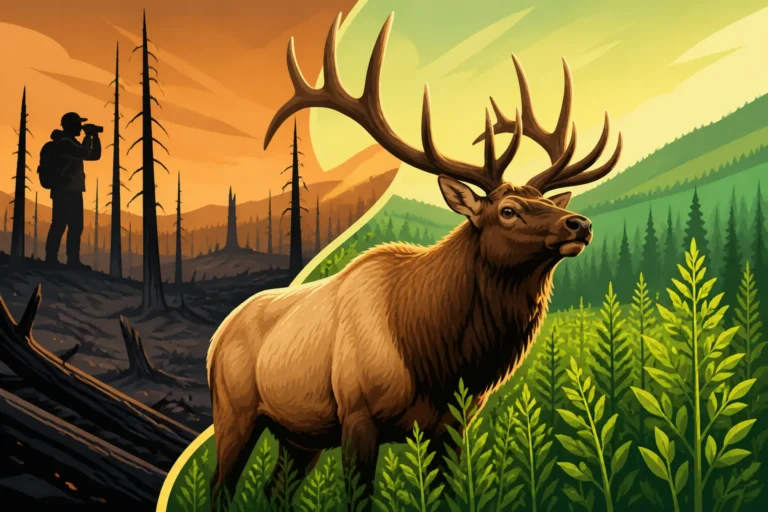
Wildfires in Alberta clear dense forests and enrich soil with ash, producing nutritious plants that fuel elk and moose antler growth.
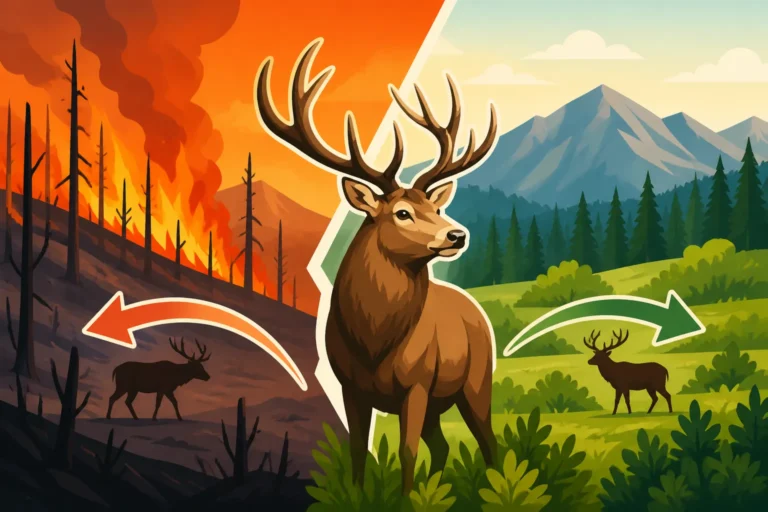
Wildfire effects on Alberta game range, short-term wildlife displacement, and long-term habitat renewal for deer and elk hunters.