The Hungarian Partridge Daily Limit
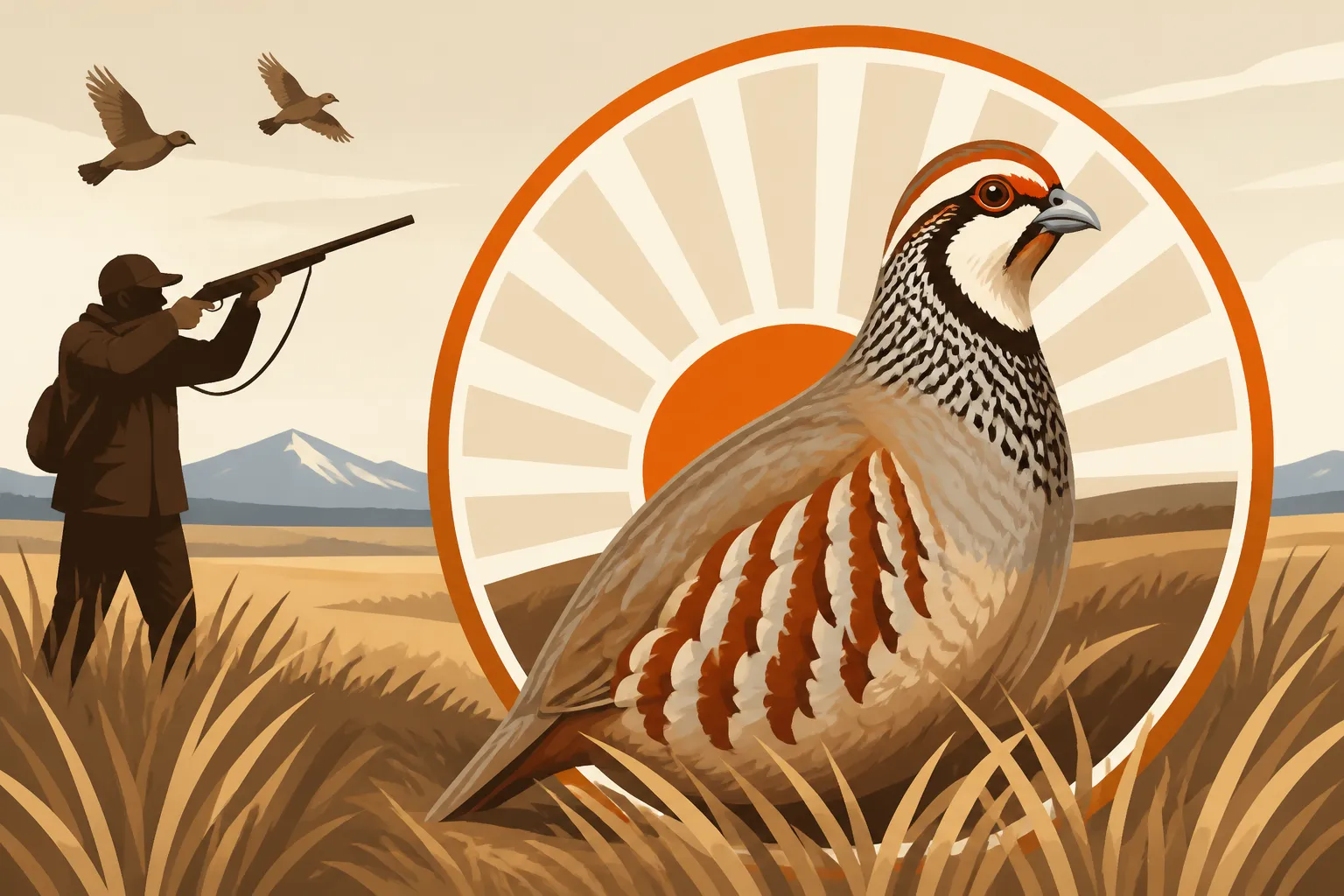
There's nothing quite like the explosive flush of a covey of Hungarian partridge from a stubble field edge or a brushy coulee, those little grey rockets tearing across the prairie wind. The adrenaline spikes, shots are fired, and if you're lucky, a few birds tumble to the ground. But in the excitement of a good hunt, it's easy to lose track of how many birds you've bagged, and nobody wants to find themselves on the wrong side of the law. This guide is here to demystify Alberta's daily limit for Hungarian partridge, ensuring you can enjoy your hunt ethically and legally, keeping those delicious birds on your dinner table without any unexpected headaches.
Understanding Alberta's Upland Bird Regulations
Hunting in Alberta, whether for big game or small, comes with a set of rules designed to manage wildlife populations and ensure sustainable hunting opportunities for generations to come. Upland birds, including our beloved Huns, are no exception. Knowing the ins and outs of these regulations is paramount for any responsible hunter.
Why Bag Limits Matter for Hungarian Partridge
Bag limits aren't just arbitrary numbers; they are a critical tool in wildlife management. For a species like the Hungarian partridge, which typically forms coveys, these limits help prevent overharvesting, especially in easily accessible areas. Huns are prolific breeders, and their populations can rebound quickly, but they are also vulnerable to harsh winters and habitat loss. The daily limit ensures that enough birds remain to sustain the population. Imagine finding a covey of 20 birds – it’s exhilarating! But without limits, it would be all too easy for a few hunters to decimate that covey, impacting the local population for years. Conservation is at the heart of these regulations, ensuring that the thrill of a Hun hunt can be experienced year after year.
The Importance of Knowing Your WMU
While the daily limit for Hungarian partridge is generally quite consistent across the province, it's always prudent to familiarize yourself with the specific regulations for the Wildlife Management Unit (WMU) you plan to hunt. Alberta's diverse landscape is broken down into numerous WMUs, each with its own unique ecosystem and potential nuances in hunting rules. Even if the partridge limit itself doesn't vary by WMU, other upland bird species, or even general hunting conditions, might. You'll want to be sure you're up-to-date on all the specifics for your area, from specific access rules to other game bird seasons. Always double-check the current Alberta hunting regulations to avoid any surprises.
General Upland Bird Season Dates in Alberta
Before you even worry about bag limits, you need to know when you can legally hunt these feisty little birds. Generally, the upland bird season in Alberta, which includes Hungarian partridge, sharp-tailed grouse, and ruffed grouse, typically opens in September and can run through to late December. This long season offers ample opportunity, but the best hunting for Huns often occurs once crops are off the fields and the birds are more concentrated around remaining cover. For a detailed breakdown of when you can chase various game birds, make sure you consult the official "Alberta Game Bird Seasons and Limits".
The Specifics of the Hungarian Partridge Daily Limit in Alberta
This is the information you came for! Getting straight to the point, understanding the exact numbers and definitions is crucial for a lawful and enjoyable hunt.
What the Regulations Say About Daily Bag Limit
When it comes to Hungarian partridge in Alberta, the daily bag limit is 8 birds per hunter. This means that within a single hunting day—defined typically from one half-hour before sunrise to one half-hour after sunset—you cannot harvest more than eight of these birds. It’s a generous limit, reflecting the healthy populations found in many parts of the province, particularly the agricultural and parkland zones. This limit allows for a satisfying hunt without putting undue pressure on local coveys. Remember, this applies to each individual hunter. If you're out with a group, each person can take their own limit, provided they have the proper licences, including an "Alberta's WIN Card and Wildlife Certificate" and a valid game bird licence.
Possession Limit vs. Daily Limit Explained
This is where things can get a little tricky, and it's a common point of confusion for hunters. The daily limit is the maximum number of birds you can harvest in one day. The possession limit, however, is the maximum number of birds you can have in your possession at any given time, whether they were harvested today, yesterday, or a week ago.
For Hungarian partridge in Alberta, the possession limit is 16 birds.
Let's break that down with an example:
- Day 1: You go out and bag 8 Huns. You now have 8 birds in possession.
- Day 2: You go out again. You can harvest another 8 Huns. Now you have 16 birds in total in your possession (the 8 from Day 1 + 8 from Day 2).
- Day 3: If you still have 16 birds in your freezer or cooler, you cannot legally harvest any more birds until you consume or gift some of your existing birds, bringing your total possession below 16. If you consume 4 birds from your Day 1 harvest, you now have 12 in possession, meaning you can harvest 4 more on Day 3 to reach your 16-bird possession limit again.
It’s vital to understand this distinction. Exceeding your daily limit is a violation, but so is exceeding your possession limit, even if you harvested them legally over several days. Always keep a mental or physical tally of what you have in your freezer and what you've bagged in the field.
Consequences of Exceeding Limits
Ignoring or unknowingly violating bag and possession limits carries serious consequences. Wildlife officers take these regulations very seriously, and for good reason—they protect the resource. Penalties can range from hefty fines, which can easily run into hundreds or even thousands of dollars, to the loss of your hunting licence for a period of time, and even the confiscation of your firearms or other hunting equipment. Beyond the legal ramifications, there's the ethical stain on your hunting record and the potential damage to the reputation of hunters as a whole. Nobody wants to be "that guy." Always consult the official "Alberta Hunting Regulations" guide, which is updated annually, to stay informed and ensure your hunt is always within the bounds of the law.
Practical Tips for Managing Your Partridge Harvest
Keeping track of those fast-flying birds can be a challenge, especially when the action is hot. Here are some practical strategies to help you manage your Hungarian partridge harvest effectively and stay compliant with the limits.
Counting Your Birds Accurately
It sounds simple, but in the heat of the moment, with multiple flushes and maybe several hunters, it’s surprisingly easy to lose count. One effective method is to have a dedicated pocket on your hunting vest or game bag for each bird until you reach your limit. Another is to use a clicker counter, commonly used by dog trainers, which you can easily operate with one hand. As each bird is recovered, give it a click. Some hunters even carry a small dry-erase board and marker in a Ziploc bag for a visual tally. Whatever method you choose, the key is consistency. Make counting part of your post-shot routine, right alongside field dressing or retrieving. You'll be glad you did, especially if you're on a multi-day "Upland Bird Hunting in Alberta" trip.
Hunting with Partners and Shared Limits
When hunting with friends or family, remember that bag limits are individual. Each licensed hunter is entitled to their own daily and possession limit. This is great news for groups, as it means you can collectively harvest more birds. However, it also means you need to be clear about who shot what, especially if you're all shooting into the same covey. A good practice is to have a designated "bird boss" for the day, or simply ensure each hunter places their birds immediately into their own distinct game bag or vest. Before heading out, have a quick chat about how you'll manage the count. This simple step can prevent any confusion or accidental over-harvesting later in the day.
Field Dressing and Storage Considerations
Once you've successfully harvested your Hungarian partridge, proper field dressing and storage are crucial for preserving the meat quality. Small birds like Huns can spoil quickly, especially in warmer early season weather. Gutting them as soon as possible, often right where they fall, helps cool the carcass rapidly. While proof of species and sex rules are stricter for migratory birds like ducks and geese, it’s still good practice to leave one wing attached to upland birds until they are processed and stored at your primary residence. This helps a wildlife officer identify the species if you're stopped in the field or on your way home. Once field dressed, get them on ice or into a cooler as quickly as possible. These birds are a culinary delight, and taking care of the meat ensures that your ethical hunt results in a delicious meal.
Where to Find and Hunt Hungarian Partridge in Alberta
Now that you're well-versed in the regulations, let's talk about finding these elusive little grey ghosts. Alberta offers fantastic opportunities for Hungarian partridge, often in conjunction with other upland species.
Ideal Habitats for Hungarian Partridge
Hungarian partridge thrive in Alberta's agricultural landscapes, particularly in the "Hunting Alberta's Aspen Parkland Bluffs" and prairie regions. They prefer open country with a mix of cultivated fields, stubble, brushy cover, and scattered shelterbelts. You'll often find them along the edges of wheat, barley, canola, or pea fields, especially where these fields border a grassy ditch, a line of caragana bushes, or a small coulee. These areas provide food, cover from predators, and protection from the elements. Don't overlook old farmsteads or abandoned properties with overgrown yards; these can be partridge magnets. The key is finding that blend of food source and protective cover.
Scouting for Success
Effective scouting is your best friend when it comes to consistently finding Hungarian partridge. Drive gravel roads in prime areas early in the morning or late in the afternoon, looking for birds feeding along field edges or dusting themselves in dry areas. Their distinctive calls, a raspy kie-rack, can also give them away. Digital mapping tools, like those offered by GoHunt, can be invaluable for identifying potential habitat, pinpointing shelterbelts, water sources, and access points. These tools allow you to study satellite imagery and landowner information before you even leave home. Look for patterns, identify pinch points where birds might cross, and mark potential covey locations. Early season scouting, even without a gun, can reveal where "Hungarian Partridge and Pheasants in Alberta" are holding.
Popular Hunting Methods for Huns
Hunting Hungarian partridge is an active and rewarding pursuit. One of the most common and effective methods is walking up coveys. This involves systematically walking through suitable cover, such as field edges, shelterbelts, or grassy draws, to flush birds. It’s a great workout and often leads to exciting, close-range shots.
For those with a canine companion, a pointing dog is an absolute game-changer. A well-trained pointer will locate and hold a covey, allowing you to walk in for the flush and shot. This method is incredibly efficient and truly enhances the experience. If you’re considering it, think about what it takes for "Using a Pointing Dog on Alberta Prairie".
Road hunting, within legal limits, can also be effective. This doesn't mean shooting from your vehicle – that's illegal. It means driving slowly down gravel roads, spotting birds on the shoulder or in adjacent fields, then safely exiting your vehicle (with firearms unloaded) and stalking to get into position for a shot. Always respect posted signs and know the "Alberta Landowner Permission Law" before venturing onto private land. Often, landowners are more receptive to upland bird hunters, especially if you ask politely and respect their property, which is often easier than "Getting Permission for a Goose Field". The combination of scouting, knowing the habitat, and employing the right tactics will increase your chances of filling your legal limit of Hungarian partridge.
Disclaimer
Please note that hunting regulations, including bag limits and season dates, can change. Always consult the most current Alberta Hunting Regulations Guide published by the provincial government before heading out on your hunt. This guide is for informational purposes only and should not be considered a substitute for the official regulations.