Alberta’s Record Elk and Where It Fell
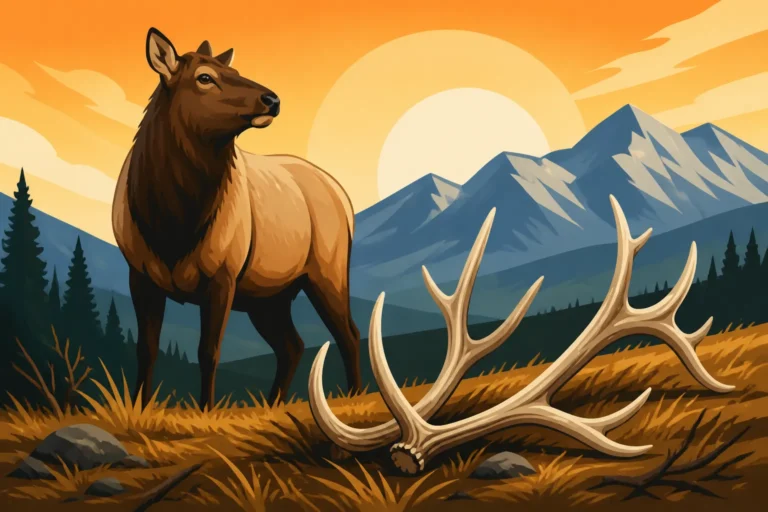
There’s a dream that stirs in the heart of every serious elk hunter, isn’t there? It’s the vision of that monarch bull, the kind with antlers that tell a story spanning years of growth, challenges, and survival in the wild. Chasing an Alberta record elk isn't just about the score; it's about the landscape, the challenge, and the respect for an animal that embodies the spirit of our wild places. This guide will delve into what makes an Alberta elk truly legendary, where these giants are typically found, why our province produces such incredible animals, and how you might approach the hunt for your own trophy.
Understanding Alberta's Elk Records: What Makes a Legend?
When we talk about "record elk," we're often speaking in the context of established trophy records like those kept by organizations such as Boone & Crockett (B&C) and Pope & Young (P&Y). These aren't just arbitrary numbers; they represent an objective measure of antler size and symmetry, serving as a historical archive of exceptional animals and a testament to robust wildlife populations and management.
The Allure of the Record Book
The very mention of "Boone & Crockett" or "Pope & Young" has a way of quickening a hunter's pulse. These organizations set the standards for measuring North American big game trophies, and while both focus on different hunting methods (B&C for all legal methods, P&Y specifically for archery), their underlying criteria for elk scoring are similar. It's about main beam length, circumference measurements, length of tines, and spread, all contributing to a final score that distinguishes a truly exceptional animal. But beyond the tape measure, the allure lies in the narrative. Each entry represents a magnificent animal that beat the odds, surviving long enough to grow a truly massive rack. It speaks to the health of the herd and the habitat it called home. For the hunter, it's the culmination of countless hours of scouting, preparation, and skill, often battling tough conditions and the inherent challenges of the hunt. It's a shared accomplishment with the land itself.
The Specifics of Alberta's Top Elk
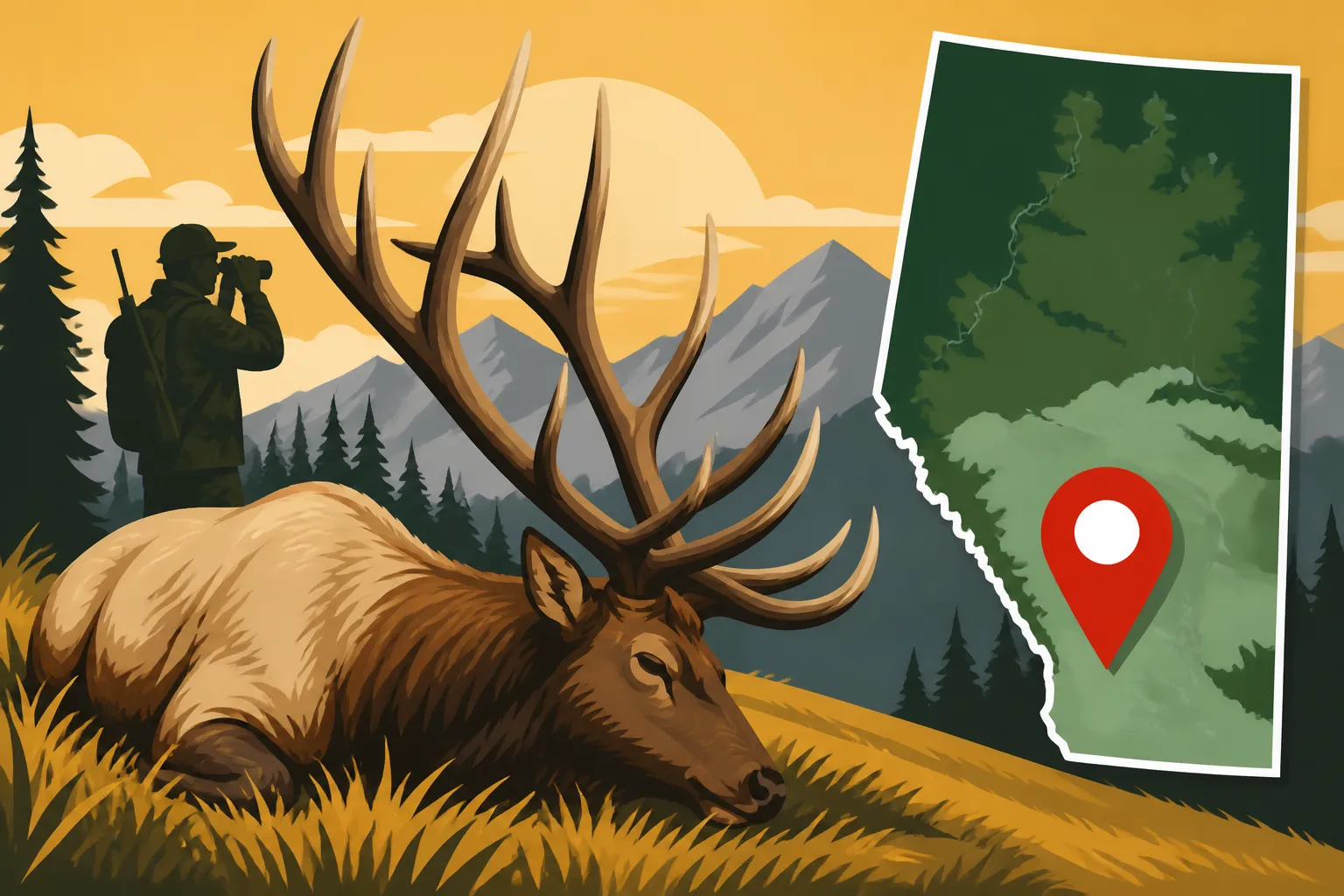
Alberta has a well-deserved reputation for producing some truly outstanding elk, consistently placing animals in both B&C and P&Y record books. While I can't point to a specific "Alberta's record elk" and its precise GPS coordinates, what we know is that these animals typically come from areas that provide a perfect storm of conditions: exceptional genetics, rich and diverse forage, and the opportunity to reach an advanced age. These are usually bulls in their prime, often 7-10 years old or more, that have spent their lives in areas with high-quality feed, access to minerals, and sufficient cover to escape predation and hunting pressure. The blend of our specific subspecies of elk and the unique landscapes, from the foothills to certain agricultural fringes, sets the stage for these impressive animals to develop. Alberta’s management practices, which include special license draws and specific seasons, also play a crucial role in allowing bulls to mature, which is absolutely vital for antler development.
The Sacred Grounds: Where Alberta's Giants Roam
If you look at where Alberta’s biggest bulls have traditionally come from, you'll start to see patterns emerging across specific types of terrain. It's rarely easy access, and it often involves a combination of factors that allow elk to thrive and grow old.
Foothills and Mountain Ranges
The rugged foothills and sprawling mountain ranges are quintessential elk country in Alberta, and for good reason. This is where you find vast tracts of public land, often challenging to access, which allows elk to mature with less human interaction. The diverse terrain offers everything an elk needs: high alpine meadows for summer grazing, thick timbered slopes for bedding and cover, and lower valleys with abundant browse for winter. Bulls that call these areas home develop incredible stamina and often grow impressive headgear.
Think about the sheer scale of the landscape west of Rocky Mountain House or deep in the Livingstone-Porcupine Hills – these areas demand a lot from a hunter, often involving significant physical exertion, but they hold the potential for truly massive bulls. The consistent feed from varied vegetation, combined with the sheer space and cover, allows these animals to live relatively undisturbed lives for many years. It's a slow burn of growth, where each year adds another layer of mass and length to their antlers. Hunters who venture into these areas often find themselves glassing vast basins, navigating steep draws, and listening for the echoes of a bugle across valleys, knowing that the reward could be a once-in-a-lifetime bull.
Agricultural Fringe and Parkland Transition Zones
It might sound counterintuitive to find record elk near farmlands, but Alberta's agricultural fringe and parkland transition zones are hotbeds for nutrient-rich forage. Elk are highly adaptable, and many herds have learned to utilize cultivated fields for easy access to high-protein crops like alfalfa, canola, and various grains. These areas provide an incredible caloric boost, translating directly into faster growth and larger antlers.
The challenge here, however, is often access. These lands are predominantly private, requiring diligent effort to gain permission from landowners. Yet, for those who do, the rewards can be significant. Elk in these areas often migrate between dense river bottom cover, aspen bluffs, and the open fields, making them tricky to pin down. The animals here are often more wary due to human presence, but the nutrition they receive is unparalleled. Imagine Hunting Elk on Alberta Grain Land where the sheer abundance of feed allows bulls to add inches to their racks year after year, sometimes growing truly incredible non-typical points due to the richness of their diet. It's a different kind of hunt than the mountains, requiring more strategic patience and less brute force, but the results speak for themselves.
Boreal Forest Edges
While not as widely publicized as the mountain or agricultural elk, the edges of Alberta's vast boreal forest also produce some giants. These areas offer incredible security cover in the dense stands of spruce and pine, interspersed with clear-cuts, wetlands, and small pockets of aspen that provide crucial browse. Elk in the boreal often develop a different type of resilience, navigating thick timber and muskeg.
The bulls from these regions might not always have the sheer mass of their mountain cousins, but they can carry impressive width and unique configurations due to the diverse diet found in the forest. These hunts are often more about tracking, still-hunting, and patient calling in tight quarters. The cover is so thick that an elk can literally be feet away and you’d never know it until they move. It’s a completely different kind of challenge, focusing on keen woodsmanship and the ability to move silently through dense cover. The isolation of these areas allows many bulls to grow old, contributing to their impressive size, even if they aren't always seen by many hunters.
The Recipe for Giants: Why Alberta Produces Record Elk
It's no accident that Alberta is consistently on the map for trophy elk. A confluence of natural factors and responsible wildlife management creates an environment where these magnificent animals can truly thrive.
Rich Habitat and Abundant Forage
The cornerstone of any healthy big game population, especially one known for growing large antlers, is an abundance of high-quality forage. Alberta is blessed with diverse ecosystems that provide exactly that. From the nutrient-rich grasses of the foothills to the alfalfa and grain crops of the agricultural zones and the varied browse of the boreal forest, elk in Alberta have access to a diet that supports incredible growth.
Consider the mineral content in the soils, the consistent rainfall in many areas, and the sheer variety of plants that contribute to an elk's diet throughout the year. During the critical antler growing phase in spring and summer, this high-protein, mineral-rich diet allows bulls to pack on mass and length at an astonishing rate. When you have herds that are able to consistently access this quality of feed, year after year, it stands to reason that you’ll see larger body sizes and, consequently, bigger antlers. It’s a direct correlation: healthy land equals healthy, trophy-class animals.
Robust Genetics and Herd Management
Beyond diet, genetics play an undeniable role. Alberta's elk herds boast strong, native genetics that have been refined over millennia. This natural advantage, combined with modern wildlife management strategies, creates a powerful recipe for producing record-class animals. Our provincial wildlife biologists monitor herd health, population numbers, and age structures, using tools like special license draws to control hunter harvest and ensure a healthy balance.
The draw system for elk, for instance, often limits the number of tags in certain areas, particularly for mature bulls, allowing a greater percentage of them to reach their prime antler-growing years. This strategic management ensures that bulls have the opportunity to live long enough to fully express their genetic potential. When strong genetics are paired with optimal nutrition and a management philosophy that prioritizes sustainable populations, the result is often the kind of trophy animals that make it into the record books. It's about protecting the future of the herd while still offering incredible hunting opportunities. Alberta's Special Licence Draws are a testament to this careful balance.
Hunting Pressure and Refuge Areas
It might seem counterintuitive, but selective hunting pressure and the existence of vast, difficult-to-access refuge areas also contribute to the growth of giant elk. In many of Alberta's wilder regions, especially the mountains and remote boreal forest, the sheer scale and ruggedness of the terrain act as a natural filter, limiting human access and giving elk places to escape and mature. Even in more accessible areas, wise land management and the judicious use of draw systems help to manage pressure effectively.
Where hunting pressure is well-managed, bulls are less likely to be harvested at a younger age, increasing their chances of surviving to an older age class when their antlers reach their peak. These refuge areas, whether they're deep canyons, dense timber blocks, or remote plateaus, serve as natural sanctuaries where bulls can spend their lives largely undisturbed, focusing on growth and survival. Hunters who are willing to put in the effort to penetrate these deeper, less-pressured zones often find themselves in the presence of more mature animals. Programs and initiatives like those you might find through resources like GoHunt can help identify public land and remote access points, allowing dedicated hunters to strategically target these less-pressured zones.
Hunting for Your Own Legend: Strategies for Big Alberta Bulls
The dream of a record elk is powerful, but turning that dream into a reality requires dedication, smart strategy, and a deep understanding of elk behaviour and habitat. It's about working smarter, and often harder, than the next guy.
Scouting Smart, Not Just Hard
Scouting is undoubtedly the most critical component of successfully hunting a record-class bull. This isn't just a pre-season walk-around; it's a year-round commitment. It involves understanding seasonal elk movements, identifying key resources like food, water, and bedding areas, and recognizing escape routes. Start long before the season opens, using tools like satellite imagery and topographical maps, which GoHunt is excellent for, to identify potential elk country – areas with varied terrain, north-facing slopes for cool bedding, and south-facing slopes for early spring green-up.
Look for historical sign: old rubs, well-used trails, and wallows from previous seasons. Pay attention to how elk use the wind and thermals in different types of terrain. Glassing from a distance during summer evenings or early mornings can reveal summer bachelor groups of bulls before their antlers are fully hardened. Understanding what specific WMU you're hunting in and what local resources are available can be incredibly helpful. Scouting an Alberta WMU Before Season will give you a leg up. It's about building a comprehensive picture of the elk in your chosen area, piece by painstaking piece, long before you ever carry a weapon into the field.
Timing is Everything: The Rut and Beyond
The timing of your hunt dramatically influences your strategy and success. For many, the allure of the elk rut in September is irresistible. This is when bulls are most vocal, responding to calls and presenting incredible bugling opportunities. Knowing Bugling Elk in Alberta's Foothills can be a game-changer, drawing in a dominant bull looking to protect his cows or challenge an intruder.
However, hunting big bulls isn't limited to the rut. Early archery seasons can offer chances at less pressured bulls that haven't yet gathered their harems, and late rifle seasons, especially after a significant snowfall, can concentrate elk in wintering areas. At these times, strategies shift from calling to silent still-hunting, tracking, and glassing vast slopes where elk might be feeding. Each season and each phase of the elk's annual cycle presents unique challenges and opportunities. For a record elk, you might even consider specific periods where Alberta Elk Hunt Prices Per Week are tailored to these different seasonal opportunities, indicating the strategic value of timing your hunt just right.
Patience, Persistence, and the Right Gear
Hunting a record elk is as much a mental game as it is a physical one. It requires immense patience and unwavering persistence. You will walk miles, climb countless hills, and spend hours glassing without seeing anything. There will be frustrating days, and giving up will seem like an easy option. But the hunters who find these giants are the ones who push through.
Physical fitness is paramount, especially if you're venturing into mountainous or remote forested areas. Being able to cover ground efficiently and quietly, with enough stamina to pack out a heavy load, is non-negotiable. Quality optics – binoculars, spotting scope, and rangefinder – are your best friends in the field, allowing you to pick apart distant terrain and accurately judge animals. A reliable rifle or bow, paired with ethical shot placement, completes the picture. The right gear, coupled with meticulous preparation and an unyielding will, puts you in the best possible position to capitalize when that legendary bull finally steps out.
Here's a quick look at the characteristics of different elk habitats and their potential for trophy bulls:
| Habitat Type | Key Characteristics | Trophy Potential | Common Hunting Strategies |
|---|---|---|---|
| Foothills & Mountain Ranges | Rugged, varied terrain, vast public land, diverse feed | High (due to age & genetics), often wide, heavy antlers | Spot & stalk, bugling during rut, aggressive hiking |
| Agricultural Fringe / Parkland | Mix of bush and cultivated fields, high-calorie feed | Very High (due to nutrition), often massive, dense antlers; potential for non-typicals | Ambush points, pattern feeding, landowner permission, glassing |
| Boreal Forest Edges | Dense timber, wetlands, clear-cuts, thick cover | Moderate to High (due to security), often unique antler configurations, good mass | Still-hunting, tracking, calling in thick cover |
Remember, hunting an Alberta record elk is a journey, not just a destination. It’s about immersing yourself in the wild, respecting the animal, and cherishing every moment, whether you punch your tag on a legend or simply share a magnificent landscape with one.
Disclaimer
This article is for general informational purposes only and does not constitute professional advice. Laws, prices and regulations vary by location and change over time. Consult a qualified professional for guidance on your specific situation.