Alberta’s Public Land Use Zones Explained
Navigating Alberta's vast public lands can sometimes feel like trying to solve a puzzle, especially when you encounter terms like "Public Land Use Zones." It’s common for hunters and outdoor enthusiasts to feel a bit lost amidst the various rules and regulations that govern different areas. This guide aims to demystify Alberta's Public Land Use Zones, helping you understand what they are, why they exist, and how you can confidently plan your next hunting adventure within them.
What Exactly are Public Land Use Zones (PLUZs)?
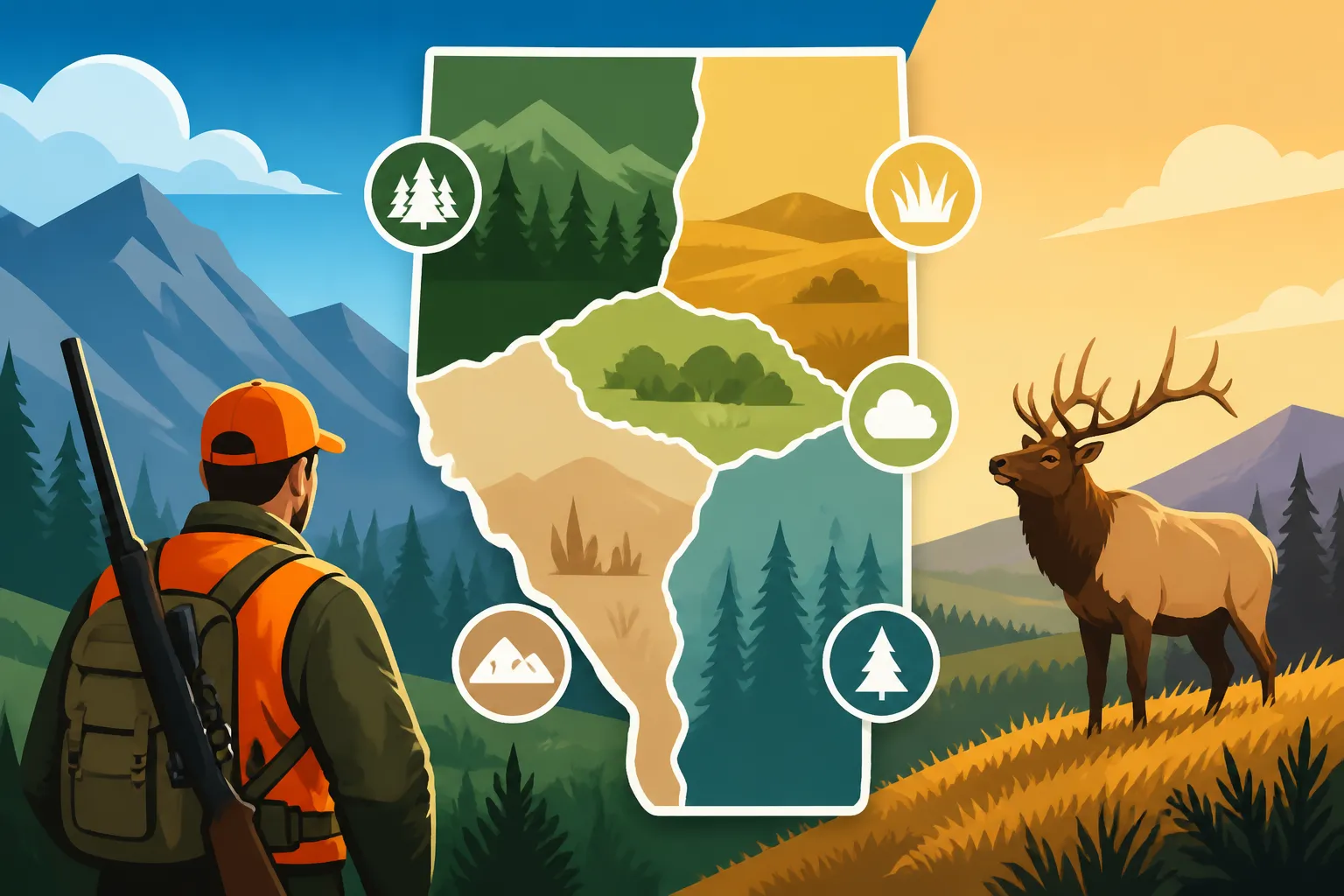
Alberta is incredibly rich in public land, offering countless opportunities for outdoor recreation, including hunting. However, not all public land is managed in the same way, and this is where Public Land Use Zones, or PLUZs, come into play. Essentially, PLUZs are specific areas of public land, primarily within Alberta’s "Green Area" (the forested and mountainous regions), where various recreational activities are concentrated, and as such, require a more structured approach to management. They're designed to help manage the impacts of diverse user groups, protect natural resources, and ensure that everyone can enjoy these spaces safely and responsibly. Think of them as designated zones where specific rules are put in place to maintain a balance.
The Purpose Behind PLUZs
The primary purpose of establishing PLUZs is to manage recreational use and industrial activity on public lands in a way that minimizes conflict and environmental impact. As more people head into the backcountry for hunting, camping, off-roading, and hiking, the potential for user conflict and damage to sensitive ecosystems increases dramatically. PLUZs provide a framework for land managers to set specific regulations tailored to the ecological sensitivity of an area, the types of activities occurring there, and the desired future conditions for that landscape. Without them, it would be much harder to control things like random camping, the spread of invasive species, or uncontrolled off-highway vehicle (OHV) use, which can all negatively affect wildlife habitats and the overall wilderness experience. These zones are crucial for sustaining healthy wildlife populations and ensuring that hunting opportunities remain viable for generations to come.
Key Characteristics of a PLUZ
PLUZs are characterized by their explicit sets of rules, which are generally more detailed and restrictive than those found on general Crown Land. While all Crown Land in Alberta has baseline rules, PLUZs often add layers of specificity. For instance, you might find designated trails for OHVs, specific random camping restrictions, or limitations on the size of groups or duration of stays. These zones are typically well-signed at their boundaries, though it's always wise to consult detailed maps and regulations before heading out. They are often established in areas experiencing high recreational pressure or those with particular ecological significance, such as critical wildlife corridors or sensitive riparian areas. Understanding these characteristics is vital, because what might be perfectly acceptable on one piece of general Crown Land could lead to a hefty fine within a PLUZ. For instance, in many PLUZs, random camping might only be permitted in specific areas, or open fires could be restricted to designated fire pits, especially during dry conditions.
Navigating the Rules and Regulations Within PLUZs
Stepping into a Public Land Use Zone means understanding that the freedom you might typically associate with public land comes with a few more specific guidelines. These aren't meant to spoil your fun, but rather to ensure the sustainability of the area for all users and for the wildlife that call it home. Ignoring these rules, even unknowingly, can lead to frustration, conflict with other users, or even legal repercussions. So, before you load up your gear, a quick refresher on the local regulations is always a good idea.
Hunting-Specific Regulations in PLUZs
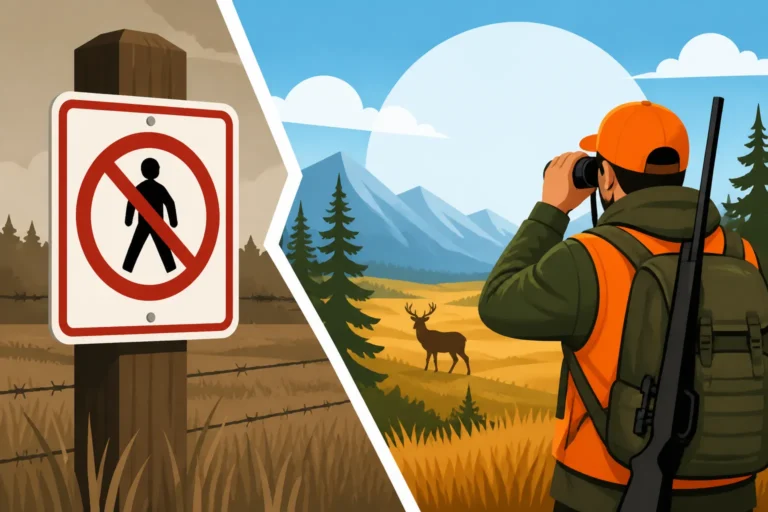
For hunters, it’s critical to remember that PLUZs fall within larger Wildlife Management Units (WMUs), and all general hunting regulations for that WMU still apply. This includes season dates, bag limits, species eligibility, and weapons restrictions. However, PLUZs can introduce additional layers of rules that directly impact hunting. For example, some PLUZs might have specific areas where discharge of firearms is prohibited or restricted to certain times, often due to proximity to campgrounds, cabins, or popular hiking trails. It's not uncommon to find areas designated as "no hunting" zones within a PLUZ to protect specific wildlife populations or ensure public safety in high-traffic recreation corridors. Always check the specific PLUZ regulations in conjunction with the provincial hunting regulations before you head out. This will save you a lot of headaches and ensure you're hunting legally and ethically. Tools like Scouting With Satellite Imagery in Alberta can be invaluable here, helping you identify these specific zones and plan your routes accordingly.
Vehicle and OHV Use Restrictions
This is perhaps one of the most significant areas where PLUZs differ from general Crown Land, and where many users get into trouble. Historically, many parts of Alberta's public land saw uncontrolled OHV use, leading to significant trail braiding, erosion, and habitat damage. PLUZs were largely established to bring order to this. Within a PLUZ, you will almost certainly encounter designated OHV trails. This means that if it's not a designated trail, you simply cannot ride or drive on it. This applies to quads, side-by-sides, dirt bikes, and even larger vehicles like trucks and SUVs. There are often rules about trail width, speed limits, and even types of vehicles allowed on certain trails. Some PLUZs might restrict OHV use entirely during certain seasons to protect wet soils or sensitive wildlife during calving or denning periods. Always check the specific PLUZ maps and regulations for approved trails and any seasonal closures. You can find more detail on Quad and Side-by-Side Rules on Crown Land in our other articles. Using mapping apps like onX Hunt can be incredibly helpful here, as they often include layers that show designated trails and PLUZ boundaries, helping you stay on the right side of the rules and avoid damaging sensitive areas.
Camping and Recreational Use
Random camping, a cherished tradition for many Alberta outdoor enthusiasts, is often managed more strictly within PLUZs. While general Crown Land might allow for random camping almost anywhere (with some common-sense rules about distance from water, roads, and private land), PLUZs often have specific stipulations. You might find designated random camping areas, meaning you can only set up camp within these defined zones. Other PLUZs may limit the duration of stay, the size of your camping party, or require you to be fully self-contained (i.e., packing out all waste). Fire restrictions are also common, particularly during dry seasons, often limiting fires to designated pits or prohibiting them altogether. Understanding these rules is essential for a stress-free trip. Furthermore, activities like commercial guiding, large group events, or extensive trapping might require special permits within PLUZs that are not typically needed on other Crown Land. It’s all about maintaining the ecological integrity and user experience of these often-pressured areas. For more general guidelines, see Camping Rules on Alberta Crown Land.
| PLUZ Aspect | General Crown Land (White Area) | PLUZ (Green Area) |
|---|---|---|
| Primary Goal | General public access and resource use, less detailed rules | Managed recreational use, resource protection, conflict reduction |
| Location | Primarily agricultural/settled areas (White Area), some Green | Primarily forested/mountainous areas (Green Area) |
| OHV Use | Generally permitted unless signed otherwise, follow existing trails or avoid sensitive areas | Restricted to designated trails; seasonal closures common; strict enforcement |
| Random Camping | Generally permitted (21-day limit), common sense rules apply | Often restricted to designated areas, shorter stay limits, specific fire rules |
| Hunting Rules | WMU regulations apply | WMU regulations apply, plus potential additional PLUZ-specific restrictions (e.g., no discharge zones) |
| Enforcement | General wildlife and land use officers | Often more frequent patrols by land enforcement officers |
| Mapping Aids | General provincial maps, private land boundaries | Detailed PLUZ maps, designated trail overlays (e.g., onX Hunt, GoHunt) |
Popular PLUZs for Hunting in Alberta
Alberta is home to several fantastic Public Land Use Zones, each offering unique hunting opportunities and challenges. While the rules can be a bit more structured, the reward is often a more managed, and sometimes less pressured, hunting experience than you might find on easily accessible general Crown Land. Knowing the lay of the land, and the specific regulations for each, is your first step to a successful hunt.
The Ghost Public Land Use Zone
The Ghost PLUZ is a truly iconic hunting and recreation area in Alberta, nestled in the front ranges of the Rocky Mountains west of Calgary. It’s a popular destination for elk, moose, deer, and bear hunting, drawing hunters who appreciate its rugged beauty and the challenge it presents. What makes the Ghost unique are its vast, open drainages, steep slopes, and mixed forest cover, providing excellent habitat for a variety of big game. However, its popularity means it also sees significant recreational pressure from OHV users, hikers, and campers, especially on weekends. As such, the rules around vehicle access are quite strict, with designated trails and areas where OHVs are permitted. Hunters often find themselves hiking or using horseback to get deep into the less accessible areas away from the main access roads. Success here often depends on getting away from the crowds and understanding the specific micro-regulations for each section. Hunting the Ghost Public Land Use Zone goes into more depth on this area.
This zone is particularly well-known for its resident elk herds. Hunters often focus on the transition zones between the high alpine meadows and the timbered river valleys during the archery season, bugling in bulls that are responding to the early rut. Later in the rifle season, glassing the open slopes and fresh clear-cuts can reveal deer and elk moving between feeding and bedding areas. Bear hunters find success in the spring along newly greening slopes and in berry patches during the fall. Patience, good optics, and a willingness to cover ground are essential here. The area also boasts a healthy population of mule deer, often found on the steeper, south-facing slopes, especially after a fresh snowfall reveals their tracks.
The McLean Creek Area
Located southwest of Calgary, the McLean Creek PLUZ is another highly utilized area, known especially for its diverse recreational offerings and surprisingly good hunting in pockets. While it's particularly popular for OHV riding and camping, savvy hunters can still find success for deer and occasional bear. The terrain here is a mix of rolling foothills, dense timber, and numerous small drainages. Due to its proximity to a major urban centre, it experiences very high user traffic, which means hunters need to be extra diligent about safety and be aware of other recreationalists. The hunting opportunities here require a strategic approach, often focusing on weekdays or less accessible corners of the zone, or targeting species that thrive despite human presence. Hunting the McLean Creek Area provides a deeper dive into hunting this specific PLUZ.
Hunters often find success targeting whitetail deer in the denser aspen bluffs and along the edges of clearings. Mule deer can be found on the higher, more open ridges, especially those with good cover. Spring bear hunting can be productive along the southern slopes where new growth emerges early, drawing bears out of their dens. The key to hunting McLean Creek effectively is to scout thoroughly and identify areas that provide natural barriers or are simply too much effort for casual users to access. This often means lacing up your boots and putting in the miles. Pay close attention to wind direction, as the scent of other users can quickly push game out of an area.
The Livingstone-Porcupine Hills
Further south, the Livingstone-Porcupine Hills region stands out as a critical area for wildlife and a popular hunting destination. These rolling, often treeless hills and forested river breaks are prime habitat for mule deer, whitetail, elk, and bear, with the added challenge of bighorn sheep in the more rugged, western fringes. The vastness of this PLUZ and its diverse topography offer a different kind of challenge and reward. Unlike some of the other PLUZs, the Porcupine Hills have a strong ranching history, so hunters must be acutely aware of private land boundaries interspersed within the public zones. Gaining landowner permission for any private parcels is crucial for maximizing your hunting opportunities here. For detailed information, explore Hunting the Livingstone-Porcupine Hills.
This area is particularly renowned for its mule deer, which thrive in the broken coulees and pockets of timber scattered throughout the grasslands. Glassing from high points is a common tactic, allowing hunters to pick apart distant hillsides and draws for feeding or bedding deer. Elk herds also utilize the timbered river valleys and higher plateaus, offering excellent opportunities during the rut. Whitetail deer prefer the denser river bottom cover and the shelterbelts around agricultural fields that often border the PLUZ. Bear are found throughout, especially in the more heavily timbered draws. The key to success in the Livingstone-Porcupine Hills is a good understanding of topography, effective glassing techniques, and the ability to differentiate between public and private land, a task made much easier with a detailed GPS app like onX Hunt.
Planning Your Hunt in an Alberta PLUZ
Hunting in Alberta's Public Land Use Zones can be an incredibly rewarding experience, offering diverse landscapes and abundant game. However, a successful and responsible hunt begins long before you even set foot in the field. Careful planning, smart use of modern tools, and a strong commitment to ethical conduct are paramount, especially in these managed multi-use areas.
Essential Scouting and Mapping Tools
Gone are the days when a simple paper map and a compass were your only allies (though they're still vital backups!). Today, technology offers hunters unprecedented advantages in scouting and navigation within PLUZs. Digital mapping applications like onX Hunt and GoHunt are indispensable. These apps overlay critical information like PLUZ boundaries, Crown Land boundaries, private land ownership, designated OHV trails, and even topographical features onto satellite imagery. This allows you to identify access points, locate potential bedding and feeding areas, plan routes that avoid private property or restricted zones, and pinpoint water sources, all from the comfort of your home. Finding Alberta Public Land Boundaries becomes a much simpler task with these tools.
Before your hunt, spend time virtually scouting the PLUZ. Look for natural funnels, pinch points, and areas of dense cover adjacent to feeding zones. Identify remote sections that might see less pressure due to difficult access. Mark potential glassing spots, water sources, and emergency exit routes. Even with advanced mapping, always cross-reference with official PLUZ maps from Alberta Environment and Parks, as regulations can change. A physical map and compass are also crucial, especially if your device battery dies or you lose signal in deep valleys. Understanding how to read an Alberta WMU map is foundational.
Gear Considerations for PLUZ Hunts
The specific gear you'll need will largely depend on the PLUZ you choose, the time of year, and the species you're pursuing. However, some general considerations apply when hunting in these managed zones. Because PLUZs are often popular recreation areas, visibility is key. Wearing appropriate blaze orange (as per provincial regulations) is always a good idea, not just for safety from other hunters, but also for visibility to other recreational users like hikers or OHV riders. Footwear is crucial; you'll likely be covering a lot of ground, often off-trail, so sturdy, comfortable, and waterproof boots are a must.
Beyond your primary hunting gear (rifle, bow, ammunition), consider items that address PLUZ-specific challenges. If OHV trails are a part of your access plan, ensure your OHV is in good working order and you have a small repair kit. A high-quality pair of binoculars or a spotting scope will be invaluable for glassing distant slopes, especially in open country like the Porcupine Hills. A reliable GPS device (either standalone or via a smartphone app) is non-negotiable for staying within public land boundaries and navigating complex trail networks. Finally, pack sufficient water, food, first-aid supplies, and emergency shelters. PLUZs, while managed, are still wild places, and weather can change quickly.
Respecting the Land and Other Users
Hunting in a PLUZ means being part of a larger community of outdoor enthusiasts. Respect for the land, wildlife, and other users is not just good etiquette; it’s essential for ensuring continued access and positive public perception of hunting. This means always adhering to the "Leave No Trace" principles: pack out everything you pack in, minimize your impact on vegetation and soil, and leave campsites cleaner than you found them. When encountering other users—hikers, mountain bikers, other hunters, or OHV riders—be courteous and considerate. A friendly wave goes a long way.
Be especially mindful of noise, particularly if you're calling game or operating an OHV. Loud noises can disturb not only wildlife but also other people seeking peace and quiet in the outdoors. If you're hunting near a popular trail, be aware of sightlines and backstops. Public land is a shared resource, and the more we show respect for it and for each other, the better the experience will be for everyone. Remember, future hunting access often hinges on how responsibly we conduct ourselves today. Always consult Alberta's Recreational Access Regulation for the most current rules on responsible use of public land.
Disclaimer
This article is for general informational purposes only and does not constitute professional advice. Laws, prices and regulations vary by location and change over time. Consult a qualified professional for guidance on your specific situation.