Trail Camera Rules on Alberta Public Land
There’s nothing quite like the anticipation of checking a trail camera after a few weeks, hoping to see that mature buck or bull you’ve been chasing all season. It’s a powerful scouting tool, giving us a peek into the secret lives of wildlife when we’re not around. But for many Alberta hunters, the question of exactly where and how you can legally use these cameras on public land is a frustratingly murky area, leading to uncertainty and worries about doing the wrong thing. This guide aims to clear up that confusion, diving deep into the existing rules, ethical considerations, and best practices for deploying trail cameras responsibly on Alberta’s public lands.
The Nuances of Trail Camera Legality on Alberta Crown Land
It's easy to assume there's a specific, clear-cut law for everything in hunting, especially with new technologies like trail cameras. But when it comes to placing trail cameras on Alberta's vast public lands, you might be surprised to learn that there isn't one single, overarching "trail camera law" in the current regulations that dictates their use. This isn't necessarily a bad thing, but it does mean hunters need to understand the broader context of land use, privacy, and wildlife management rules that do apply. The absence of a specific camera law often leads to confusion, making hunters hesitant to use these valuable scouting tools for fear of unknowingly breaking a rule.
Current Regulations and What They Mean
While there isn't a specific statute saying "thou shalt not place a trail camera here," the general principles of the Public Lands Act and other wildlife regulations certainly come into play. These laws govern how we interact with Crown land, focusing on responsible use, preventing damage, and ensuring public access. For instance, any equipment left on Crown land must not create a hazard, obstruct access, or be considered abandonment. A trail camera, by its very nature, is equipment left unattended. The key is that it's typically small, non-invasive, and easily removable, unlike a permanent structure.
What this essentially means for the hunter is that you're operating under a general expectation of respectful use. You can’t damage trees to hang your camera, you can’t leave a mess, and you certainly can’t use it to facilitate illegal activities. The spirit of the law leans towards minimal impact. It's about being a good steward of the land, something most hunters already pride themselves on. If you're hanging a camera to monitor deer movement, you're generally fine, as long as it doesn't cause harm or significant obstruction.
Public Expectations of Privacy
This is where things can get a little sticky, and it’s less about wildlife regulations and more about public perception and general privacy. When you place a trail camera on public land, there's always a chance it could capture images or video of other people – hikers, mountain bikers, other hunters, or even landowners if your camera is pointed towards private property. While there's a general understanding that there's a lower expectation of privacy in public spaces, especially remote ones, intentionally capturing images of individuals without their consent can lead to ethical concerns and, in some cases, complaints.
Think about it from another user's perspective. If you were walking a trail and discovered a hidden camera pointing directly at you, how would you feel? Most people would feel a sense of unease or even intrusion. Therefore, responsible camera placement means aiming your lens towards game trails, scrapes, rubs, or water sources, not common human thoroughfares. The goal is to scout animals, not inadvertently document other users of the land. It’s about being mindful of the larger community that shares these wild spaces.
Where You Can and Can't Place Them
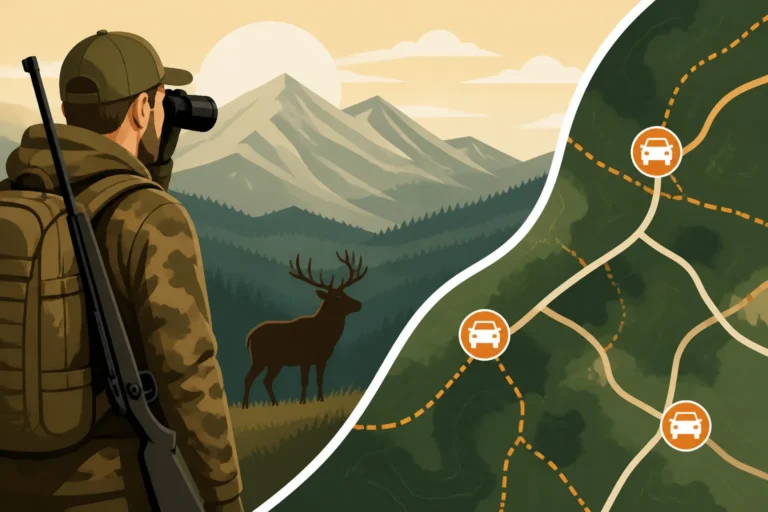
Understanding the general legal landscape is one thing, but knowing the specific types of public land in Alberta and their unique nuances is crucial for ethical and lawful trail camera deployment. Not all "public land" is created equal, and some areas have more specific restrictions than others. The freedom to roam in one area might be significantly curtailed in another, even if both are technically Crown land. This is where tools like onX Hunt can be incredibly useful for quickly identifying land types and boundaries.
General Crown Land and PLUZs
Across much of Alberta's Green Area, particularly the vast tracts of general Crown land, placing a trail camera for scouting purposes is generally accepted, provided you adhere to the principles of respectful and non-damaging use we just discussed. These are the areas where you'll find the most flexibility. However, when we talk about Public Land Use Zones (PLUZs), the situation can be a bit more specific. PLUZs are designated areas with particular management objectives and often have their own set of rules regarding recreational activities, including what equipment can be left and for how long.
For example, a PLUZ might have rules about motorized vehicle use, camping, or even the type of structures you can erect. While a trail camera isn't a structure in the traditional sense, it's wise to always check the specific PLUZ guidelines for any unique rules regarding unattended equipment. Most PLUZs won't explicitly ban trail cameras, but understanding the intent of the zone can help you make a responsible decision. For instance, in a highly sensitive wildlife corridor within a PLUZ, discretion is always the better part of valour. You can find detailed maps and specific rules for these areas through the Alberta government's recreational access mapping tool, or through premium hunting apps like GoHunt.
Areas Where Cameras Are Explicitly Restricted
While most general Crown land offers flexibility, there are indeed areas where placing a trail camera is explicitly prohibited or highly discouraged. The most obvious examples are provincial parks, provincial recreation areas, and national parks. National parks, being federally managed, have very strict rules against leaving any equipment, and hunting itself is prohibited. Provincial parks, while under provincial jurisdiction, are managed for conservation and recreation in a way that typically precludes the placement of unattended scouting devices. These areas are designed for public enjoyment and conservation, and leaving equipment might be seen as littering, abandonment, or interference with natural processes.
Beyond parks, certain wildlife sanctuaries, ecological reserves, or areas with specific seasonal closures (e.g., to protect critical wintering habitat) might also fall under restrictions. It’s imperative to always check the specific regulations for the Wildlife Management Unit (WMU) you intend to hunt and the particular land designation. Ignoring these restrictions can lead to fines, confiscation of your equipment, or simply giving hunters a bad name. Remember, ignorance of the law is rarely an excuse, especially when you're out in the field.
Impact on Wildlife and Other Users
The ethical placement of trail cameras extends beyond just legality. It also involves considering the impact on the very wildlife you’re trying to locate and the experience of other outdoor enthusiasts. Cameras should be placed discreetly, camouflaged as much as possible, and not in a way that alters animal behaviour. While a camera itself isn't likely to scare off a mature buck, a brightly visible, poorly placed camera might attract unwanted attention from other people.
Perhaps most importantly, ensure your camera placement doesn't have any implications for baiting. Alberta has strict regulations against baiting big game, and while a trail camera isn't bait, placing one over a pile of corn or attractant would clearly violate those rules. Always be aware of the "spirit" of the regulations. If you're setting up a camera in a natural travel corridor or near a water source, you're likely in the clear. If you're using it in conjunction with other attractants, you could be running afoul of Rules on Baiting Big Game. Furthermore, consider other users. A camera set up to block a hiking trail or point directly at a known picnic area is simply bad form and invites complaints. We all share these spaces, and respect for everyone's experience is paramount.
Ethical Considerations and Best Practices
As hunters, we often pride ourselves on our deep respect for wildlife and the land. Extending that respect to our use of technology, like trail cameras, is just another way to uphold our values and ensure the future of our sport. Beyond what's strictly legal, there's a strong case for adhering to a set of ethical guidelines that makes us better stewards and avoids potential conflicts. It's about proactive responsibility, not just reactive compliance.
Respecting Privacy and Property
One of the biggest ethical considerations, as touched on earlier, is privacy. Even if you're on public land, no one wants to feel like they're being watched without their knowledge. When placing your camera, take a moment to consider its field of view. Is it pointed towards a well-used trail, a campsite, or – even worse – neighbouring private property? The goal of a trail camera for hunting is to capture images of animals, not people. Orient your camera to face away from obvious human traffic. A good rule of thumb is that if you wouldn't want someone else pointing a camera at you in that spot, then don't point yours there either.
Furthermore, always be acutely aware of property lines. With mapping tools like onX Hunt or GoHunt, there's really no excuse for accidentally placing a camera on private land. Crossing these boundaries without explicit permission is trespassing, and placing a camera compounds the issue. Even if your camera is on public land but pointed directly onto private property, it could be seen as an invasion of privacy by the landowner. Maintain a respectful distance and focus your efforts on the public areas you're legally allowed to hunt. Being a good neighbour, even in the backcountry, is key to maintaining positive landowner relations.
Deterring Theft and Vandalism
Unfortunately, where there's valuable equipment left unattended, there's always a risk of theft or vandalism. While you can't eliminate the risk entirely, there are several best practices you can employ to deter it. First, camouflage is your friend. Choose cameras in natural colours, paint them (if feasible and durable), and strategically place them against trees or natural features that break up their outline. Hiding them effectively is your first line of defense.
Second, consider using a security box and a cable lock. These won't stop a determined thief with power tools, but they will deter opportunistic theft and make it harder for someone to just walk off with your camera. Anchoring it securely to a large tree is far better than strapping it to a sapling. Third, avoid placing cameras in overly obvious or high-traffic areas. The deeper you go, or the more remote your spot, the less likely you are to encounter casual passersby who might be tempted. Finally, be realistic. Accept that there's always a chance your camera could go missing. Don't put out your most expensive unit in a questionable spot. Think about using a cheaper camera for initial scouting in high-risk areas.
Checking for Local Updates and WMU-Specific Rules
The regulatory landscape can change, sometimes without much fanfare. Wildlife management units (WMUs) occasionally have specific rules or advisories that are unique to their area. For instance, some WMUs might implement temporary restrictions during certain times of the year due to unique wildlife pressures or public safety concerns. It’s your responsibility as a hunter to stay informed. Before each season, and especially before deploying new cameras, take the time to review the current Alberta hunting regulations.
You can often find updates and specific WMU information on the provincial government's website. Tools like Reading an Alberta WMU Map Before You Go are invaluable, and you can cross-reference information found on these maps with official sources. Don’t rely solely on what you remember from last year or what a buddy told you. A quick check can save you a lot of headache and ensure you're always hunting legally and ethically.
| Type of Public Land | General Trail Camera Rules | Key Considerations |
|---|---|---|
| General Crown Land | Generally permitted for scouting, no specific prohibitions against small, non-damaging equipment. | – Ethical Placement: Aim away from public trails, roads, and private property. – No Damage: Do not damage trees or vegetation to hang the camera. – No Obstruction: Ensure it doesn't block public access or create a hazard. – Remove After Use: Don't abandon equipment. |
| Public Land Use Zones (PLUZs) | Generally permitted, but check specific PLUZ management plans for unique rules regarding unattended equipment or recreational activity. | – PLUZ-Specific Rules: Some PLUZs might have tighter restrictions on equipment or activity. Always verify. – Respect Purpose: Understand the PLUZ's management objectives (e.g., conservation, recreation). – Non-Motorized Access: If the PLUZ is non-motorized, consider your access method. |
| Provincial Parks/Rec. Areas | Generally prohibited. These areas are managed for conservation and public recreation, not hunting or unattended equipment. | – Strict Rules: Expect explicit rules against leaving any equipment. – No Hunting: Hunting is typically not permitted in these zones anyway. – Confiscation Risk: Cameras found may be confiscated. |
| National Parks | Strictly prohibited. Hunting and leaving any equipment are not allowed under federal park regulations. | – Federal Jurisdiction: Different set of laws apply here. – Zero Tolerance: No exceptions for cameras or hunting. – Severe Penalties: Significant fines and penalties can apply. |
| Private Land | Prohibited without explicit permission from the landowner. | – Trespass: Placing a camera without permission is trespassing. – Landowner Relations: Critical to obtain and maintain good relationships. – Map Boundaries: Use tools like onX Hunt or GoHunt to clearly identify private land boundaries. |
The Gray Areas and Future Possibilities
The world of hunting technology, like all technology, evolves at a rapid pace. Trail cameras have gone from simple film cameras to sophisticated cellular-enabled devices that send real-time photos to your phone. This rapid evolution often outpaces specific legislation, leaving us in a bit of a gray area where current laws don't quite fit the new realities. It’s a challenge that many jurisdictions grapple with, and Alberta is no different.
The Evolution of Technology vs. Law
Think back even a decade ago; cellular trail cameras were a futuristic concept for most hunters. Now, they're commonplace, allowing hunters to monitor locations without setting foot in the woods, minimizing human scent and disturbance. This technology offers incredible advantages for scouting, especially for distant properties or sensitive areas. However, it also raises new questions. Does constant monitoring via cellular feed constitute "harassment" of wildlife if you're not physically present? Does it give an "unfair advantage" in a way that traditional scouting doesn't?
These aren't questions with easy answers, and current regulations often don't have clauses specifically addressing real-time monitoring. The spirit of many hunting laws revolves around fair chase and preventing undue advantage or disturbance. While most cellular cameras are simply providing information, the potential for misuse is always there. This gap between technological capability and explicit legal framework creates a gray zone that requires hunters to exercise extra caution and ethical judgment. It's up to us to use these tools responsibly, preventing any actions that could lead to new, potentially restrictive, regulations.
Potential for Future Restrictions
Given the gray areas, it’s not unrealistic to consider that Alberta might, at some point, introduce more specific regulations concerning trail cameras, especially those with advanced features. Other jurisdictions have already done so, often driven by public outcry, ethical concerns, or perceived negative impacts on wildlife or other users. For example, some states or provinces have banned cellular cameras, or restricted their use during hunting seasons.
Reasons for potential future restrictions could include:
- Privacy Concerns: An increase in complaints from other public land users feeling their privacy is invaded.
- Wildlife Harassment: Although a camera doesn't harass, persistent placement in sensitive areas, or in conjunction with other activities (like illegal baiting), could lead to broader restrictions.
- Fair Chase/Ethical Hunting Debates: As technology advances, the debate over what constitutes "fair chase" often intensifies.
- Litter/Abandonment: An increase in cameras being left behind or poorly maintained, contributing to litter on public lands.
As hunters, our best defense against overly restrictive regulations is self-regulation and a strong commitment to ethical conduct. By using trail cameras discreetly, respectfully, and in accordance with the spirit of existing land use and wildlife regulations, we demonstrate our collective responsibility. Educating ourselves on the broader rules for Hunting Alberta's Crown Land and Alberta's Public Land Use Zones ensures we're not just following the letter of the law, but also its intent. Staying informed, practicing responsible deployment, and advocating for sensible regulations will be key in shaping the future of trail camera use in Alberta.
Disclaimer
This article is for general informational purposes only and does not constitute professional advice. Laws, prices and regulations vary by location and change over time. Consult a qualified professional for guidance on your specific situation.